
Cottage — History & Facts
In a world obsessed with the relentless march of time, we often overlook the quiet beauty nestled within stillness and simplicity. Focus your gaze on the serene cottage, poised beneath a dome of soft, muted colors that whisper of twilight. The gentle curvature of the roof contrasts with the sharp, angular lines of the surrounding trees, drawing your eye into the heart of the scene. Notice how the fading light dances across the wooden walls, casting elongated shadows that evoke a sense of nostalgia and peace.
The palette of greens and browns, infused with hints of warm gold, enchants the viewer, suggesting a moment frozen in time, yet alive with the promise of nature’s cycles. As you delve deeper, a narrative of solitude and resilience unfurls. The cottage stands not just as a shelter but as a testament to a simpler existence, a longing for connection with nature amid the chaos of the external world. The subtle variations in texture—rough bark against smooth wood—speak of contrasts that mirror life’s dualities: comfort and vulnerability, permanence and transience.
Each brushstroke breathes life into the scene, inviting contemplation on the passage of time and its impact on both structure and memory. In 1895, as the artist crafted this piece, he was navigating the artistic currents of Poland, where nationalism and identity were gaining traction amid changing political landscapes. The era marked a shift towards a more intimate representation of landscapes, reflecting personal feelings and local heritage. This work emerged during a time rife with artistic exploration, as Ruszczyc sought to capture the essence of his homeland through the lens of serenity and domesticity.
More Artworks by Ferdynand Ruszczyc
Browse all →
Winter Tale
Ferdynand Ruszczyc

Trees against the sky
Ferdynand Ruszczyc
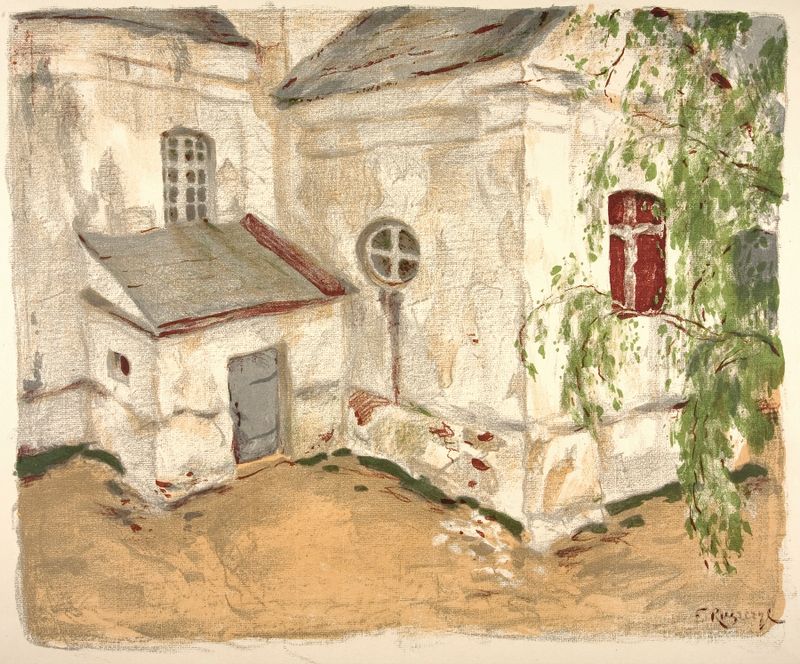
Church in Lithuania
Ferdynand Ruszczyc
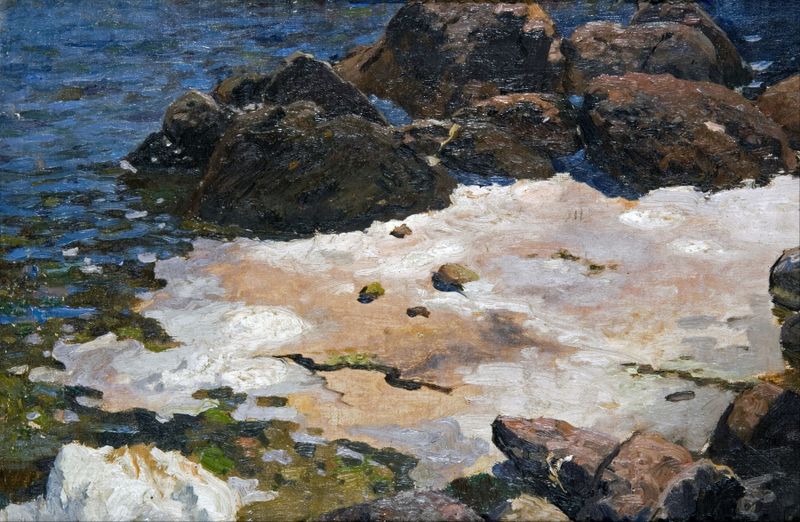
Krym, brzeg morza
Ferdynand Ruszczyc

Forest rivulet
Ferdynand Ruszczyc
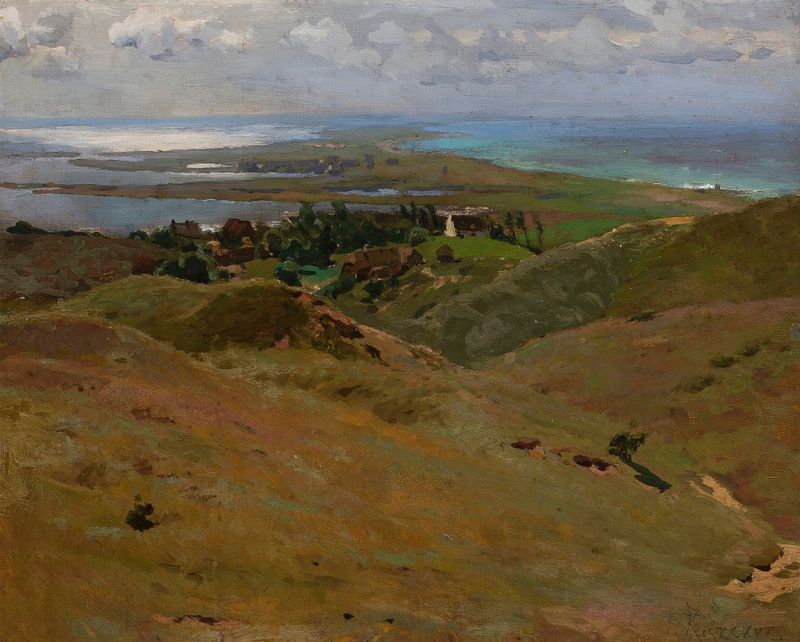
Landscape from Bornholm
Ferdynand Ruszczyc

Mill
Ferdynand Ruszczyc

Landscape – stream
Ferdynand Ruszczyc
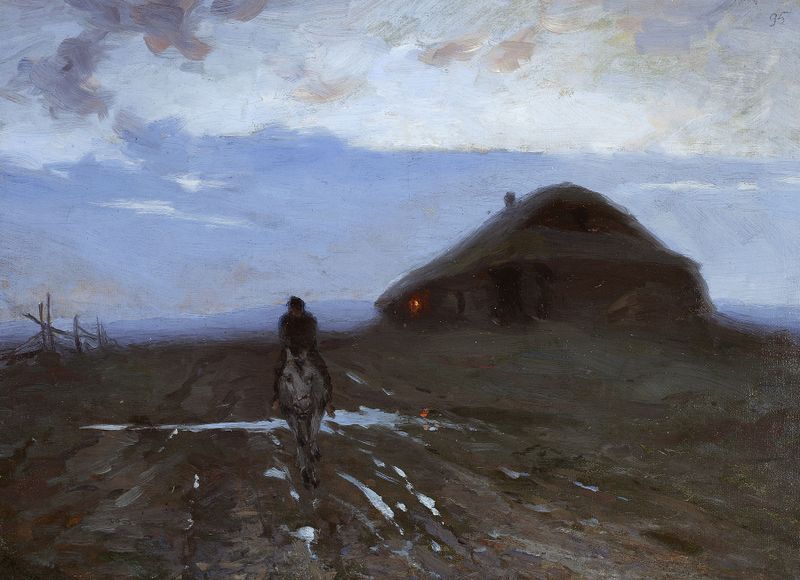
Wayside inn
Ferdynand Ruszczyc

Landscape study in Bohdanów
Ferdynand Ruszczyc





