
Cottage Children (The Wood Gatherers) — History & Facts
What draws the eye first is the intense gaze of the eldest child, her arm protectively circling her younger sibling, who gestures outward as if calling attention to something just beyond the frame. In Cottage Children (The Wood Gatherers), the children’s ragged clothes and bare feet are not incidental details—they speak to a world of hardship, but also to a sense of shared resilience. The light falls most strongly on their faces and arms, almost sculpting them from the surrounding gloom, while the landscape behind seems to press in, wild and untamed.
The youngest child’s outstretched hand breaks the invisible barrier between viewer and subject, inviting us into their moment, while the seated boy’s downcast eyes and clutching hands suggest a quieter, more private sorrow. The palette, rich in earthy browns and stormy greens, sets a mood of gravity, but never despair. Painted in 1787, this work belongs to a moment in British art when the rural poor were becoming visible subjects for painters such as Thomas Gainsborough. In the late eighteenth century, scenes of peasant life—once considered too humble for serious painting—became a way to explore both social realities and the artist’s own response to nature and society.
Works like this were rarely commissioned portraits; rather, they were often created for exhibition or sale to a growing middle-class audience curious about the lives of those outside their own experience. The painting now resides in the collection of the Metropolitan Museum of Art, a testament to how images of ordinary children, once overlooked, have come to command the attention of museum-goers centuries later. The story in their faces is still unfolding, waiting for your eyes to complete it.
More Artworks by Thomas Gainsborough
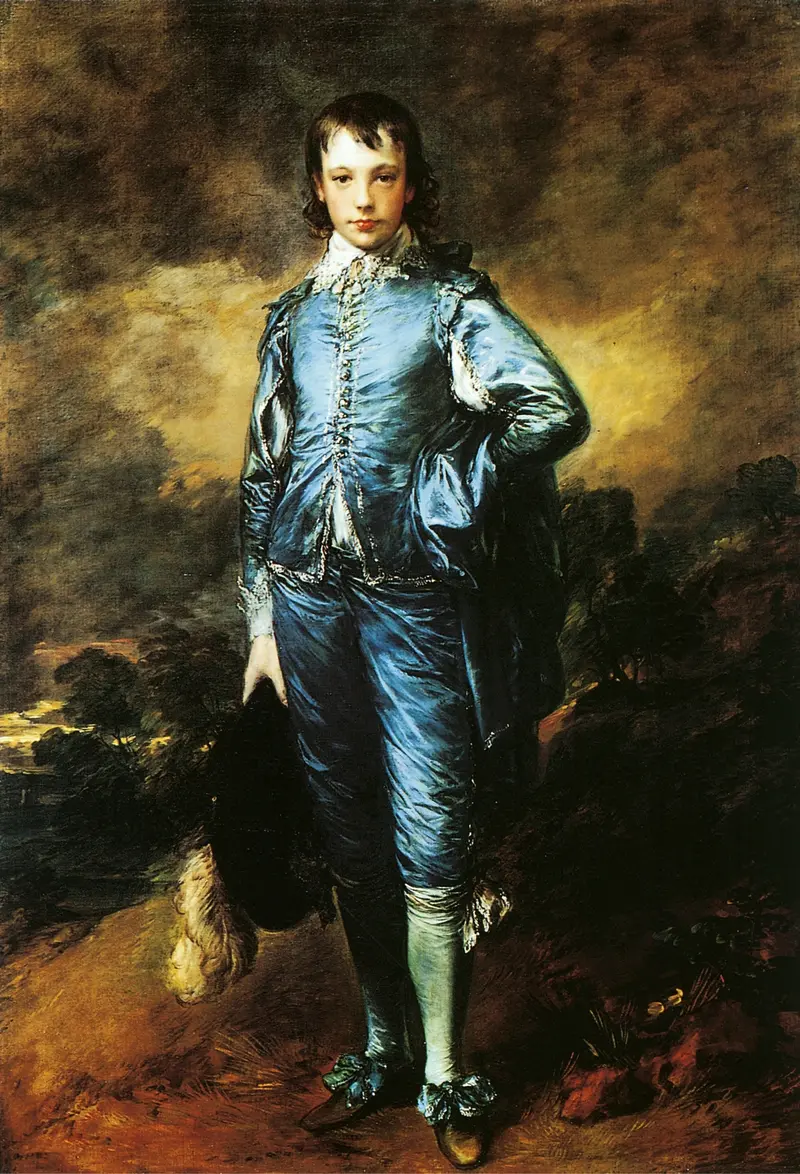
The Blue Boy
Thomas Gainsborough
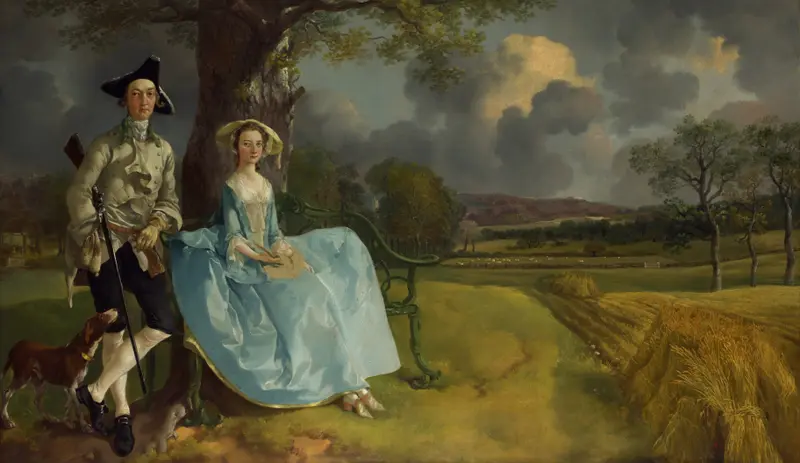
Mr and Mrs Andrews
Thomas Gainsborough

Wooded Landscape with Figures
Thomas Gainsborough

Sir Benjamin Thompson, later Count Rumford (1753-1814)
Thomas Gainsborough
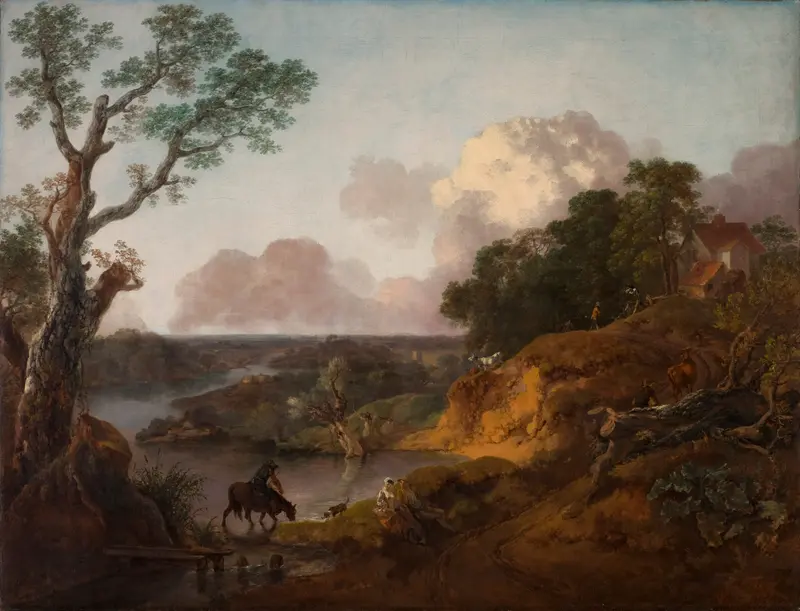
View in Suffolk
Thomas Gainsborough
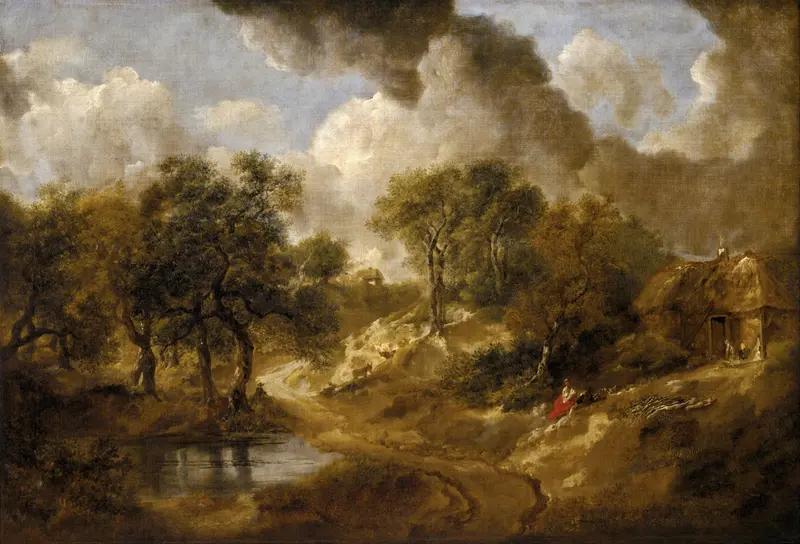
Landscape in Suffolk
Thomas Gainsborough
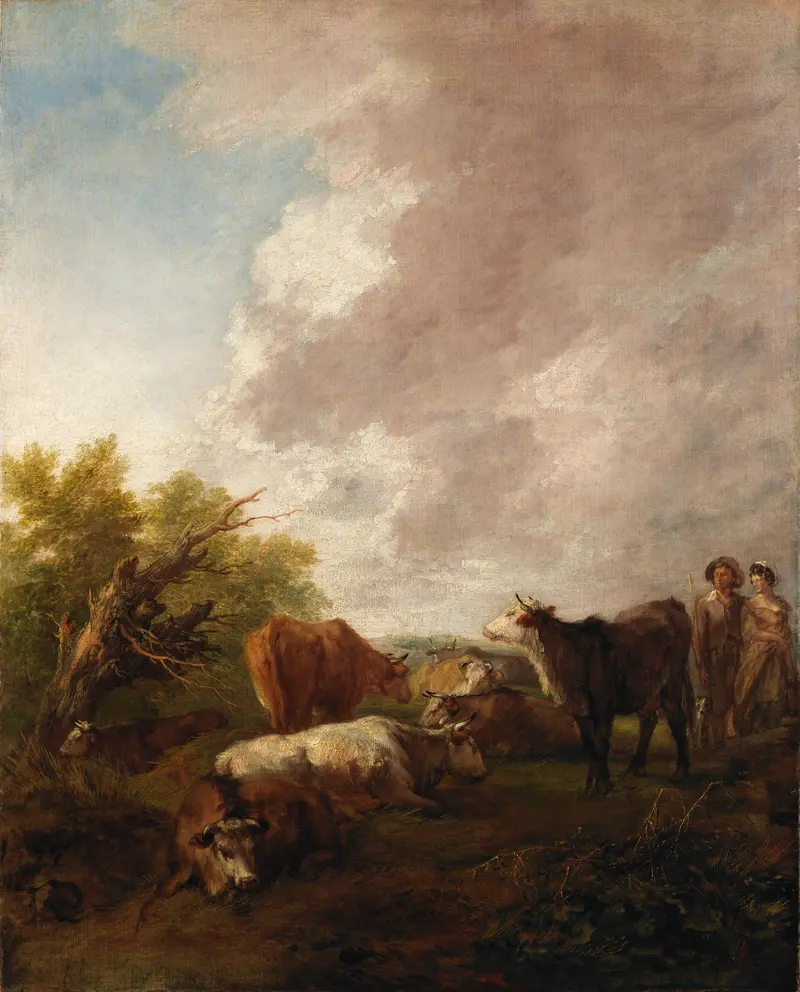
Landscape with Cattle
Thomas Gainsborough
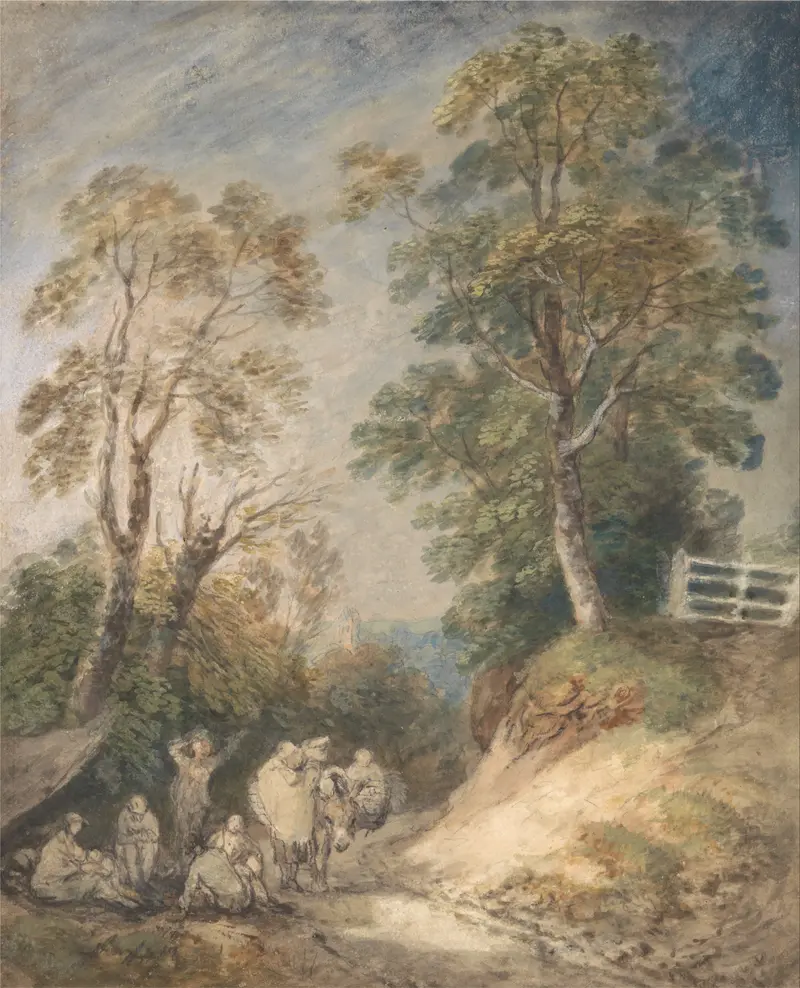
Country Lane with Gypsies Resting
Thomas Gainsborough
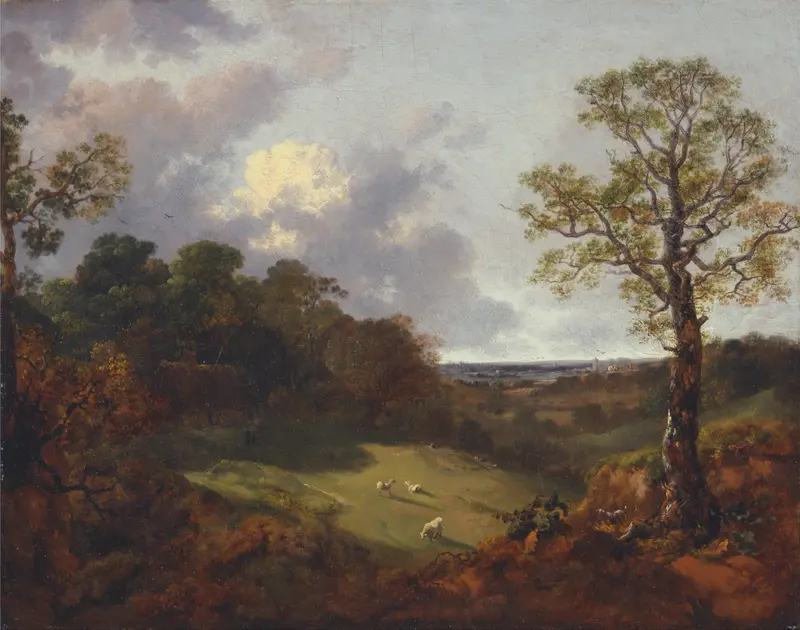
Wooded Landscape with a Cottage and Shepherd
Thomas Gainsborough
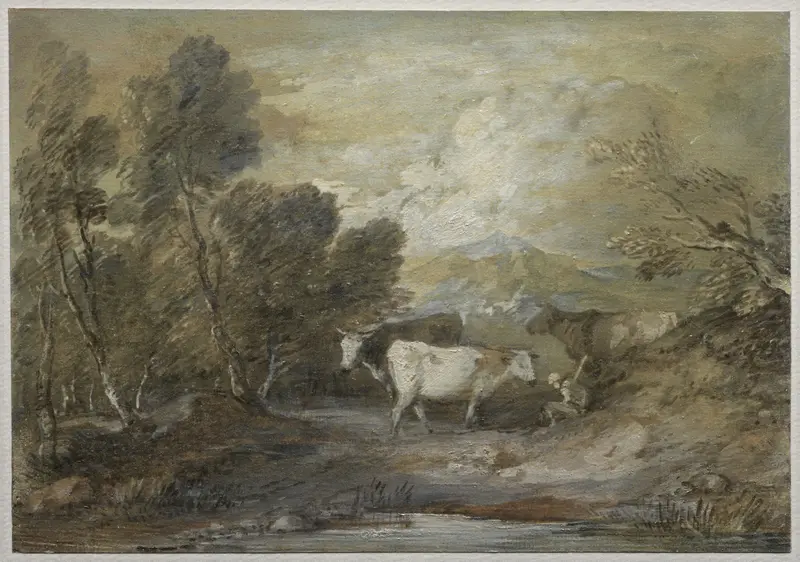
A Herdsman with Three Cows by an Upland Pool
Thomas Gainsborough
More Genre Scene Art

Banquet of the Officers of the St George Civic Guard
Frans Hals

Rembrandt and Saskia in the Scene of the Prodigal Son
Rembrandt van Rijn

Bal du moulin de la Galette
Pierre-Auguste Renoir

Quadrille at the Moulin Rouge
Henri de Toulouse-Lautrec

A Burial at Ornans
Gustave Courbet

When Will You Marry?
Paul Gauguin