
Cottage near Newcastle, Northumberland — History & Facts
What if beauty was never meant to be finished? The essence of impermanence dances through the strokes of the canvas, inviting viewers into a world where nature and architecture intertwine effortlessly. Look to the left at the quaint cottage, its weathered stone walls bathed in the soft glow of the late afternoon sun. Notice how the artist captures the shifting shadows that play across the landscape, emphasizing the tranquil yet dynamic relationship between light and form. The lush greenery surrounding the structure whispers of life, rendered in a blend of earthy greens and soft browns, drawing the eye toward the serene horizon and the promise of the untamed countryside beyond. Within this composition lies a poignant contrast: the steadfastness of the cottage against the ephemeral beauty of the landscape.
The delicate brushwork reveals the artist's depth of feeling, with every leaf and blade of grass hinting at a fleeting moment suspended in time. This balance evokes a sense of harmony, reminding us that creation is not merely about completion, but rather about embracing the ongoing cycle of growth and decay. In 1797, Girtin painted this work amidst a burgeoning Romantic movement that sought to celebrate nature's beauty and the human experience within it. His life in England’s artistic circles was marked by a transition toward watercolor landscapes, where he explored new techniques and emotional depth.
At a time when the Industrial Revolution was altering the countryside, this painting stands as a testament to the enduring allure of pastoral life, echoing the tumultuous changes happening outside the frame.
More Artworks by Thomas Girtin
Browse all →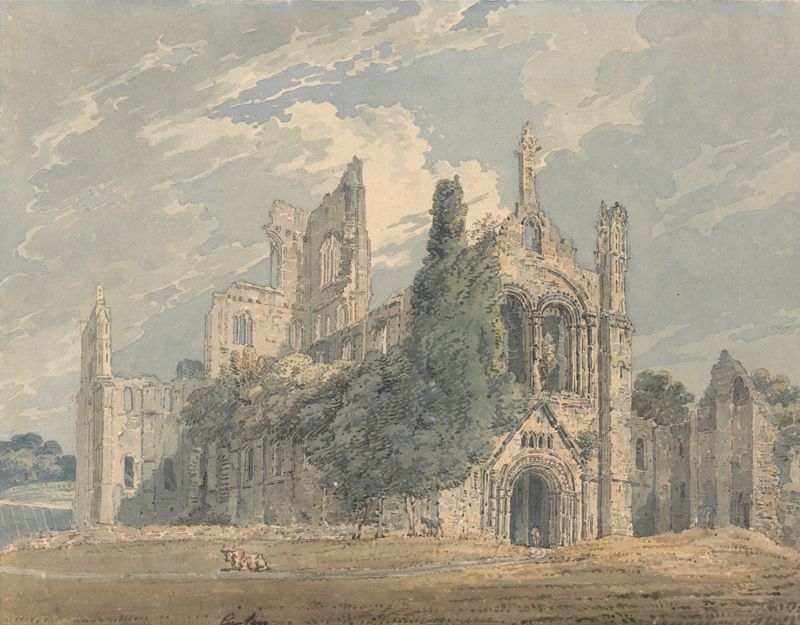
Kirkstall Abbey from the N.W.
Thomas Girtin
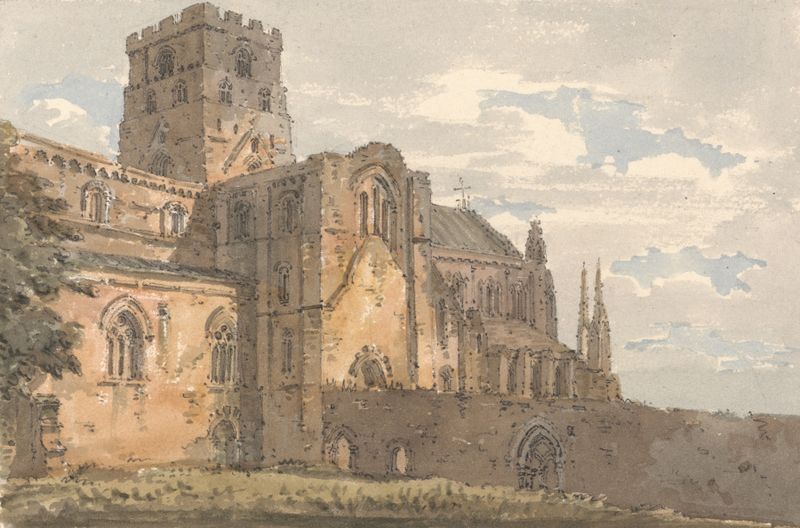
Carlisle Cathedral, Cumberland, from the South-west
Thomas Girtin
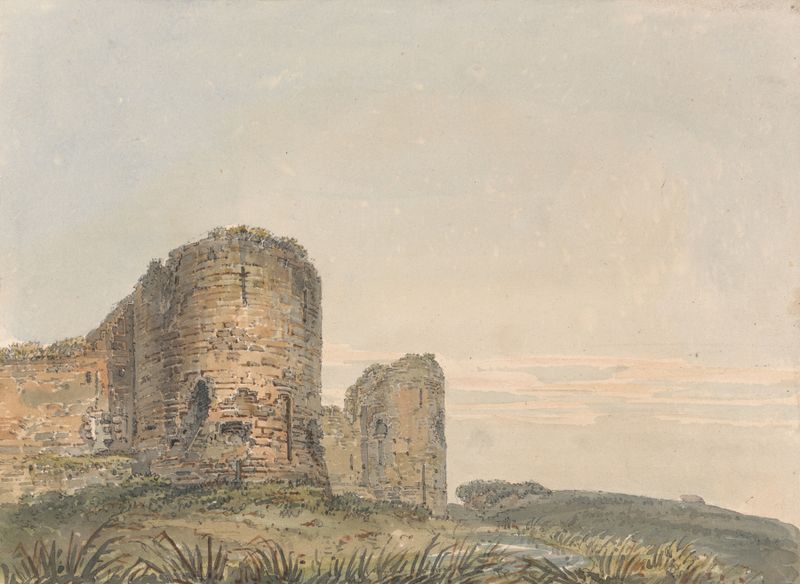
Pevensey Castle, Sussex
Thomas Girtin
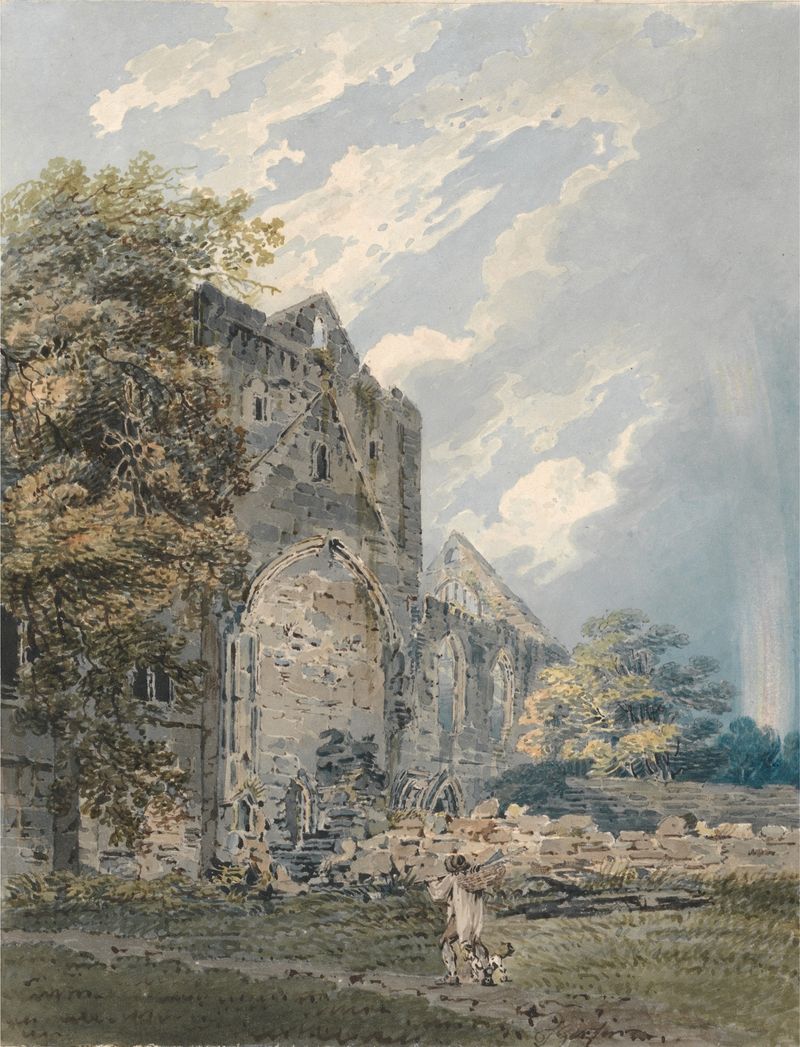
Pluscardine Abbey, Elgin
Thomas Girtin
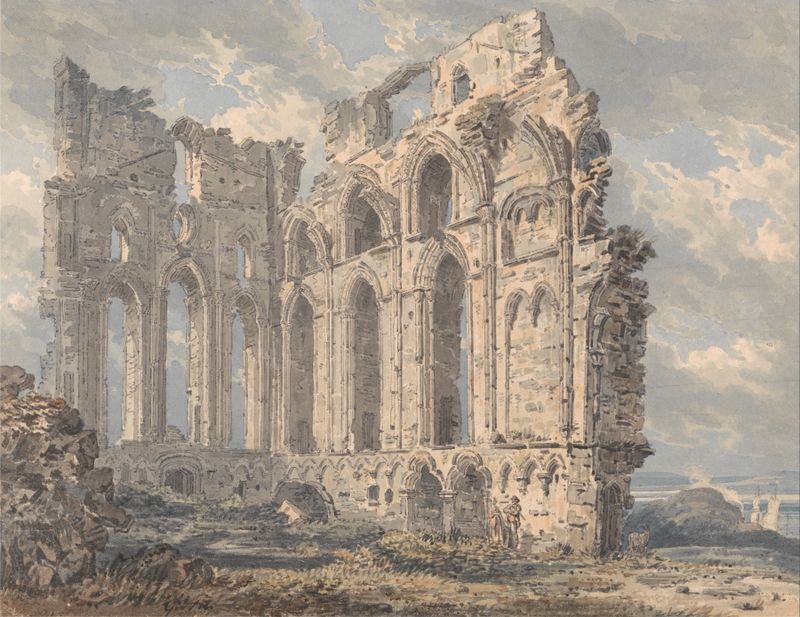
Tynemouth Priory, Northumberland
Thomas Girtin
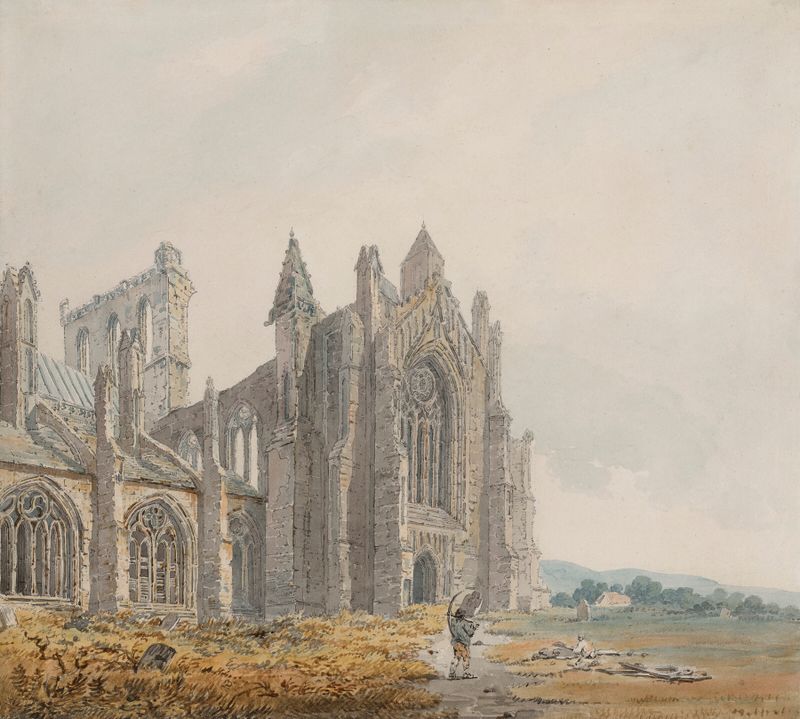
Melrose Abbey, Scotland
Thomas Girtin
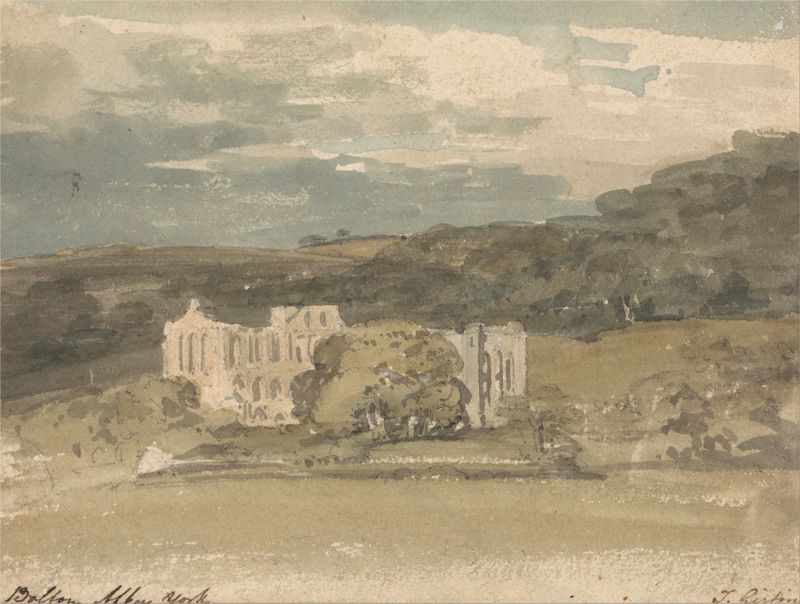
Rievaulx Abbey, Yorkshire
Thomas Girtin
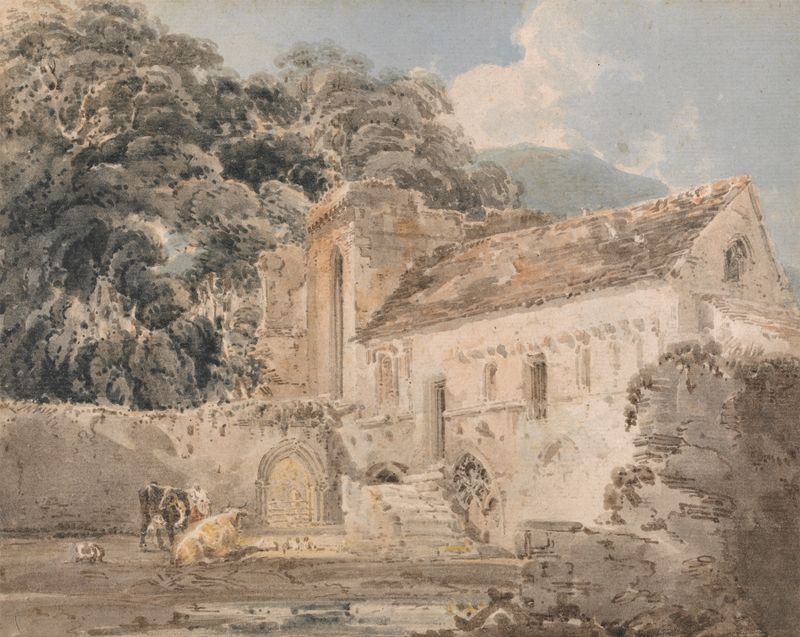
Valle Crucis Abbey, Denbighshire
Thomas Girtin
Warkworth Castle, Northumberland
Thomas Girtin
Dumbarton Rock and Castle
Thomas Girtin





