Discover insights about this artwork
Country House by a River — History & Facts
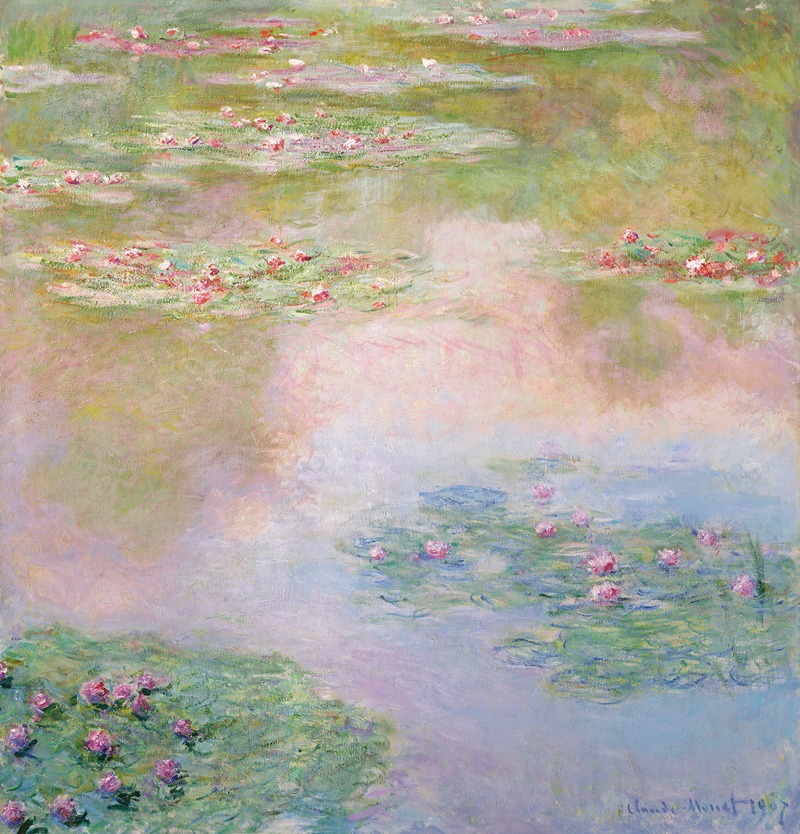
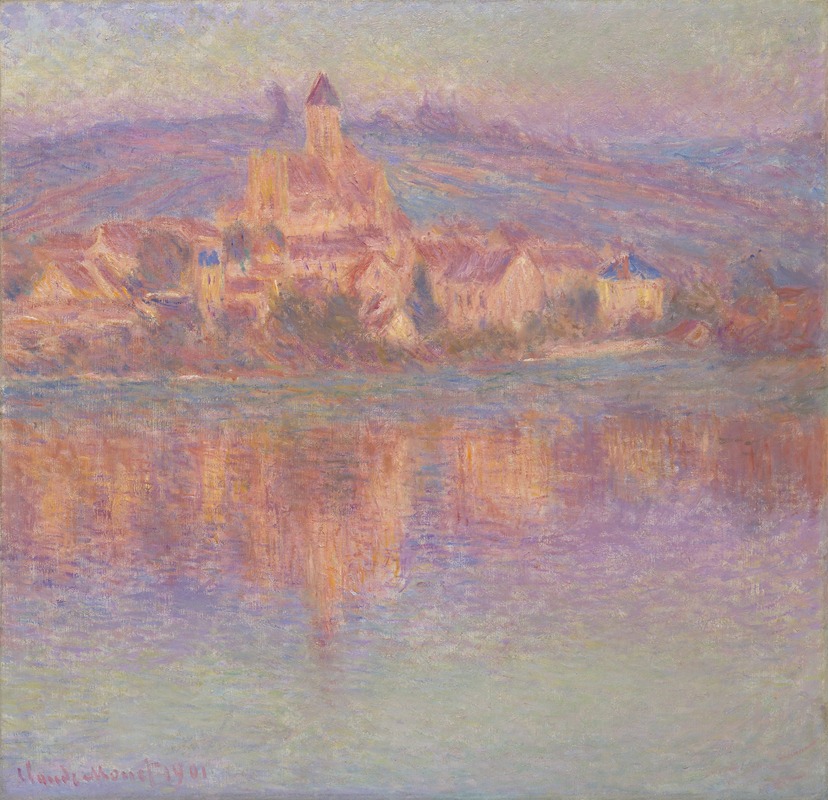
In Country House by a River, Paul Cézanne captures a tranquil scene of a country house nestled by a flowing river. The colors are soft and earthy, with greens, browns, and blues dominating the palette. The house is depicted in a simple yet inviting manner, surrounded by lush trees and gentle hills.
The river reflects the sky, adding a serene quality to the overall composition. The painting showcases Cézanne's distinctive brushwork, characterized by short, thick strokes that create texture and depth. The use of color is deliberate, with variations in hue enhancing the natural elements of the landscape. The composition is balanced, drawing the viewer's eye from the foreground to the background seamlessly.
This work exemplifies the Post-Impressionist style, focusing on the artist's perception of the scene rather than a photographic representation. Paul Cézanne was a pivotal figure in the transition from Impressionism to modern art. This painting, likely created in the 1890s, reflects his interest in the structure of nature and the interplay of light and color. An interesting fact about this work is that it embodies Cézanne's belief that art should represent the artist's vision of reality, rather than merely replicating it.
Today, it is housed in the Musée d'Orsay, where it continues to inspire visitors.
More Artworks by Paul Cézanne
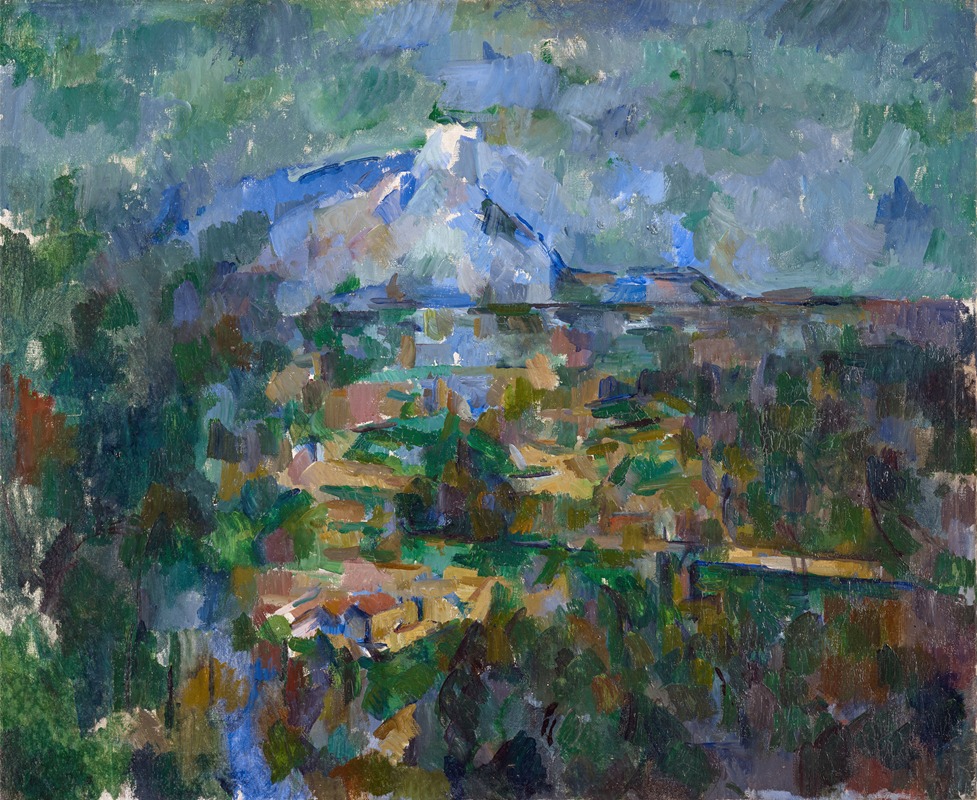
The Mont Sainte-Victoire Seen From Les Lauves
Paul Cézanne
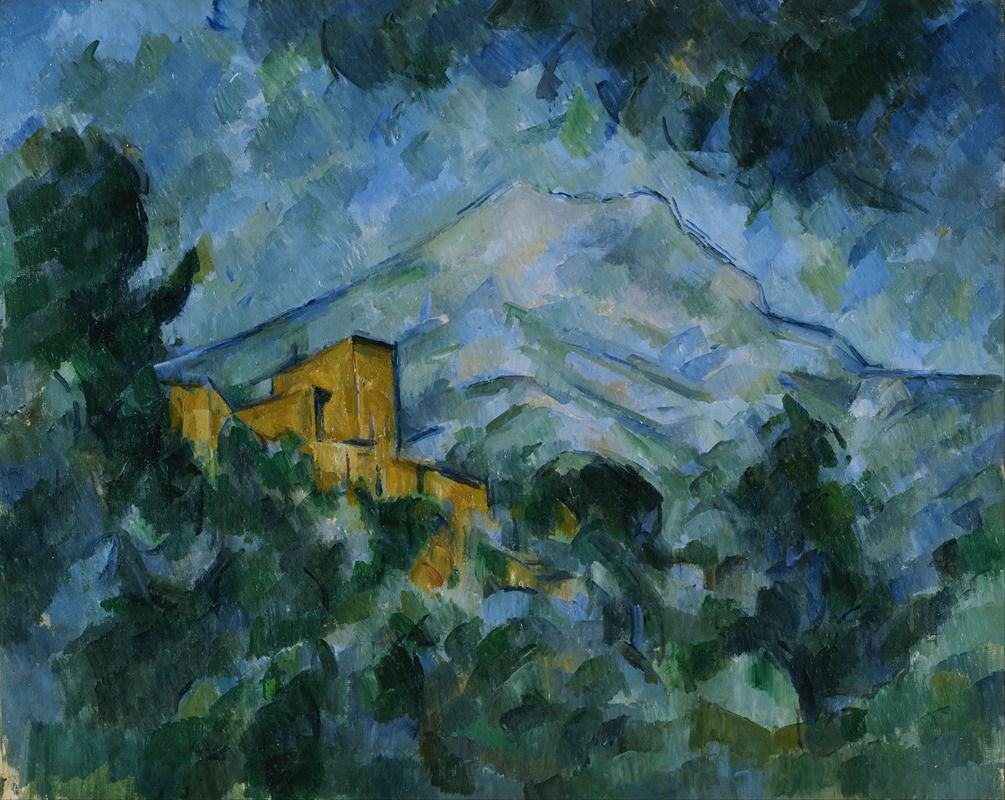
Mont Sainte-Victoire and Château Noir
Paul Cézanne
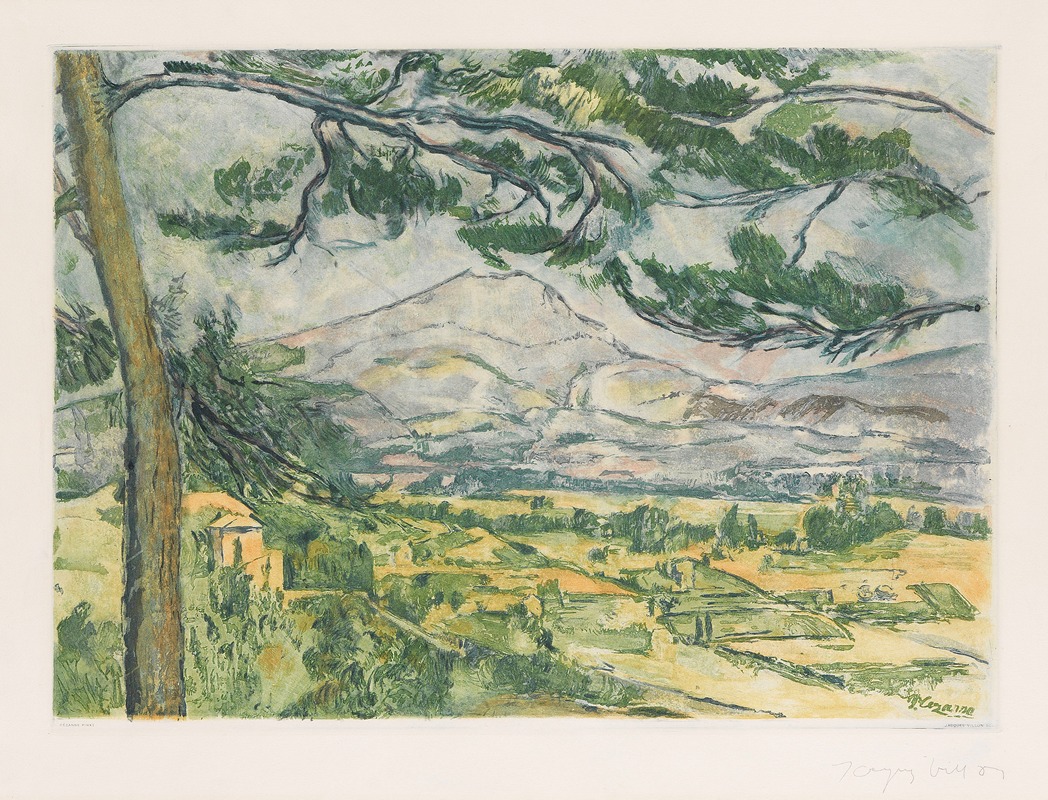
La Montagne Sainte-Victoire
Paul Cézanne
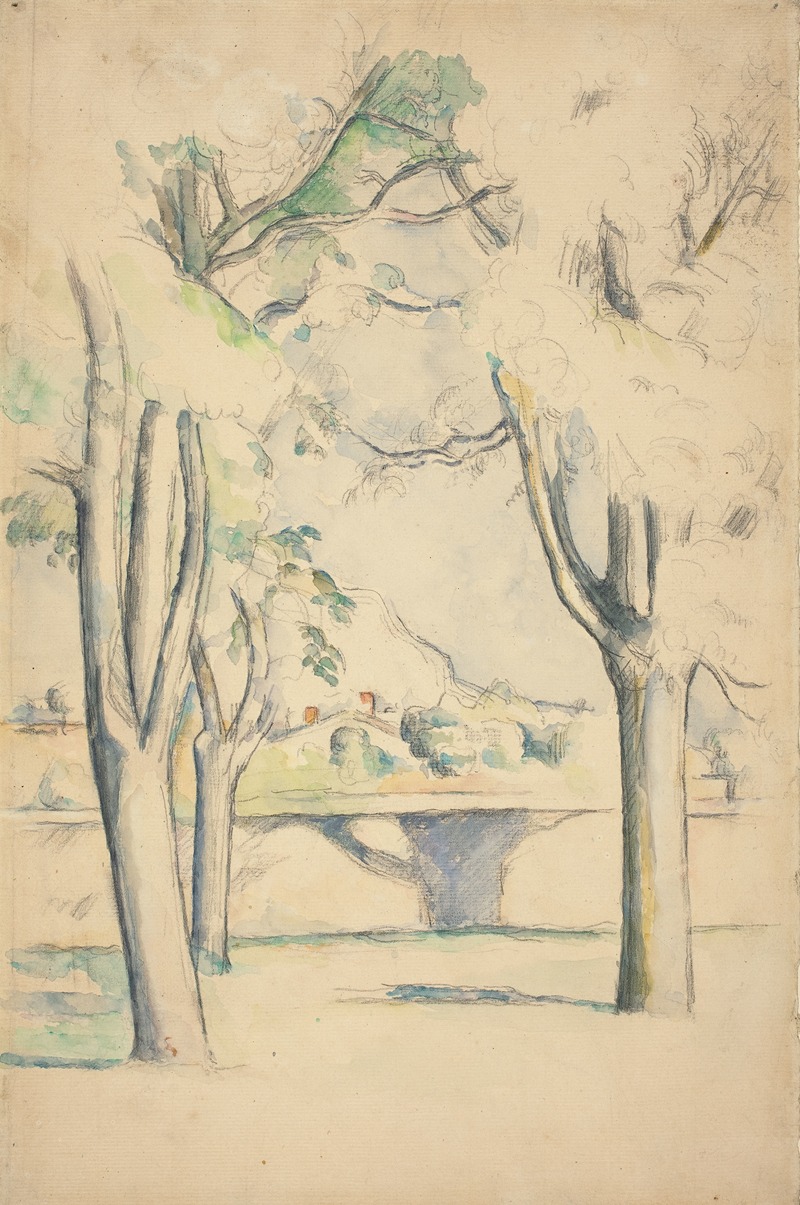
Mont Sainte-Victoire Seen beyond the Wall of the Jas de Bouffan
Paul Cézanne
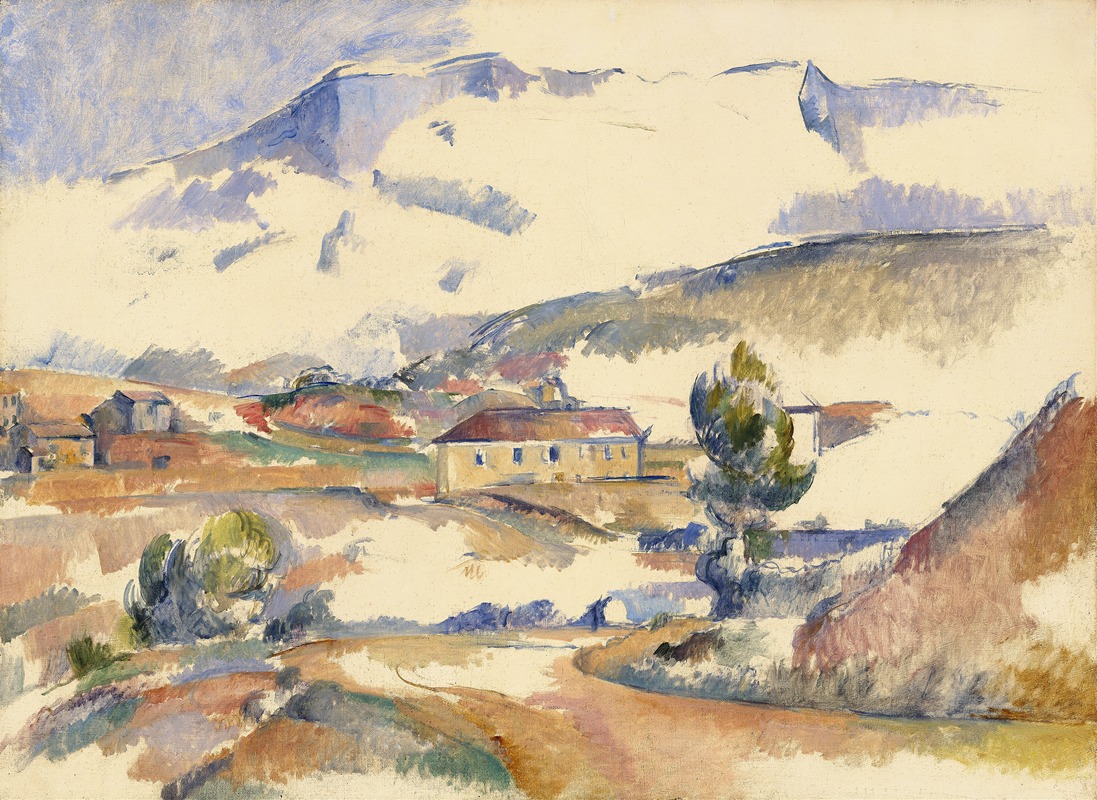
Montagne Sainte-Victoire,from near Gardanne
Paul Cézanne
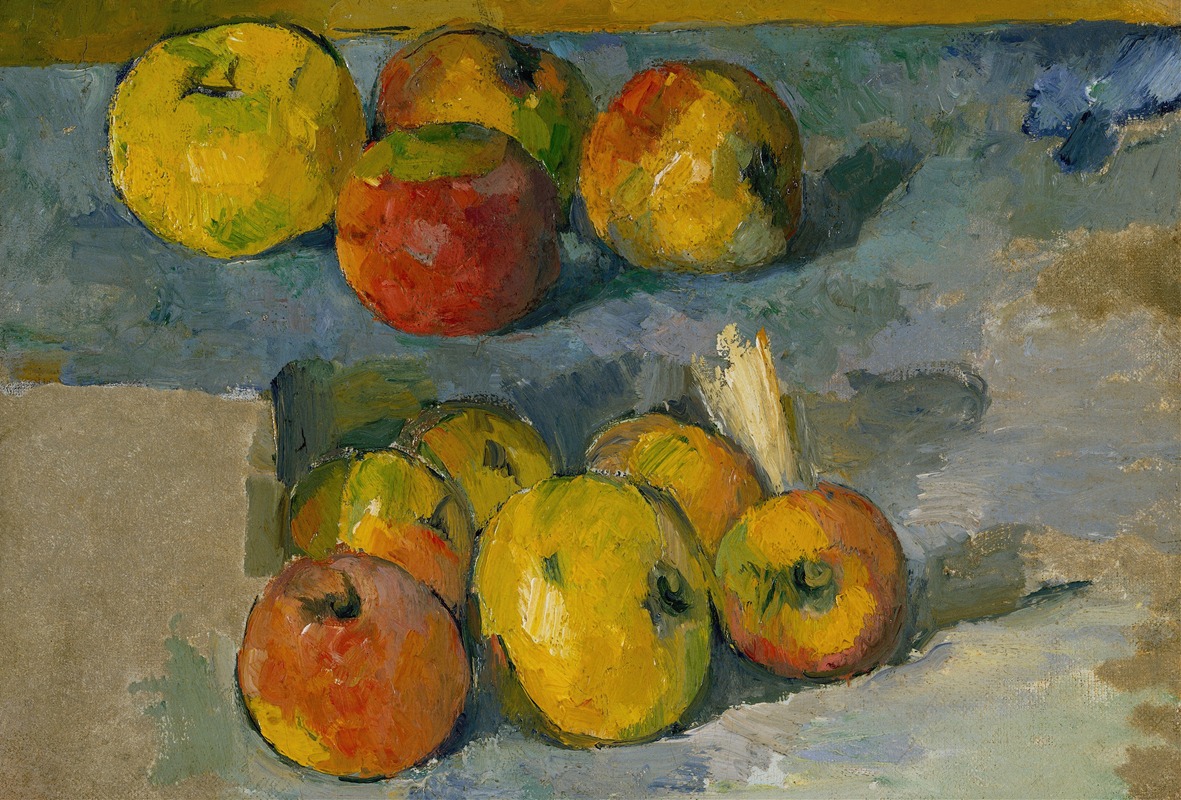
Apples
Paul Cézanne
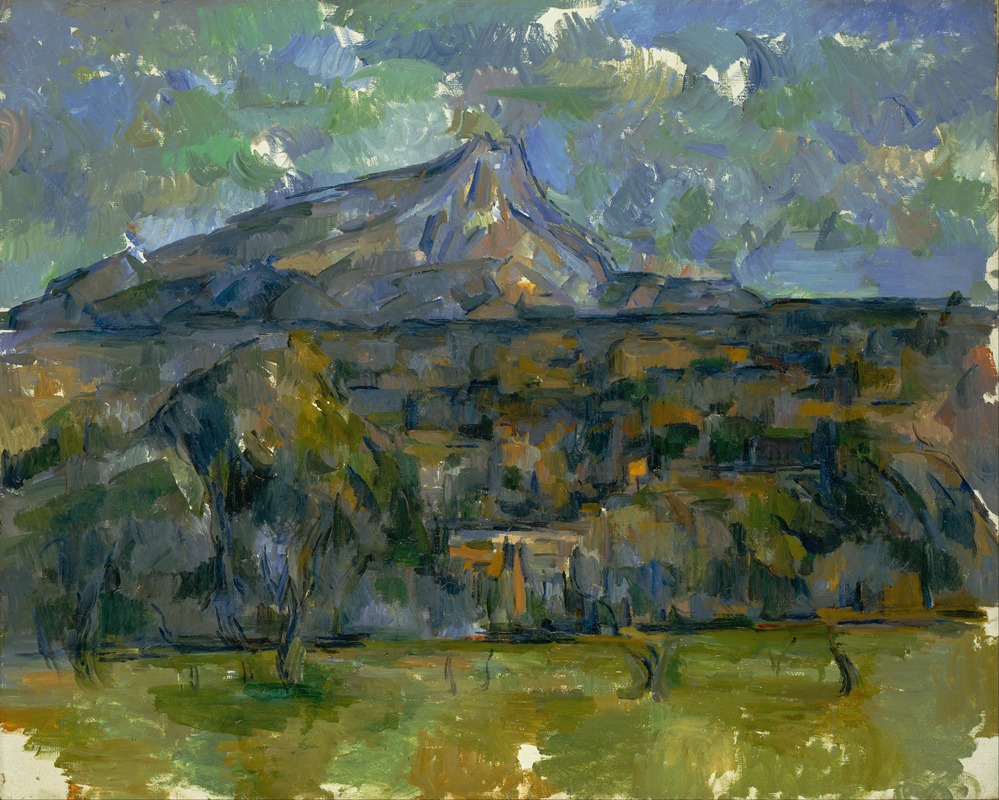
Mont Sainte-Victoire
Paul Cézanne
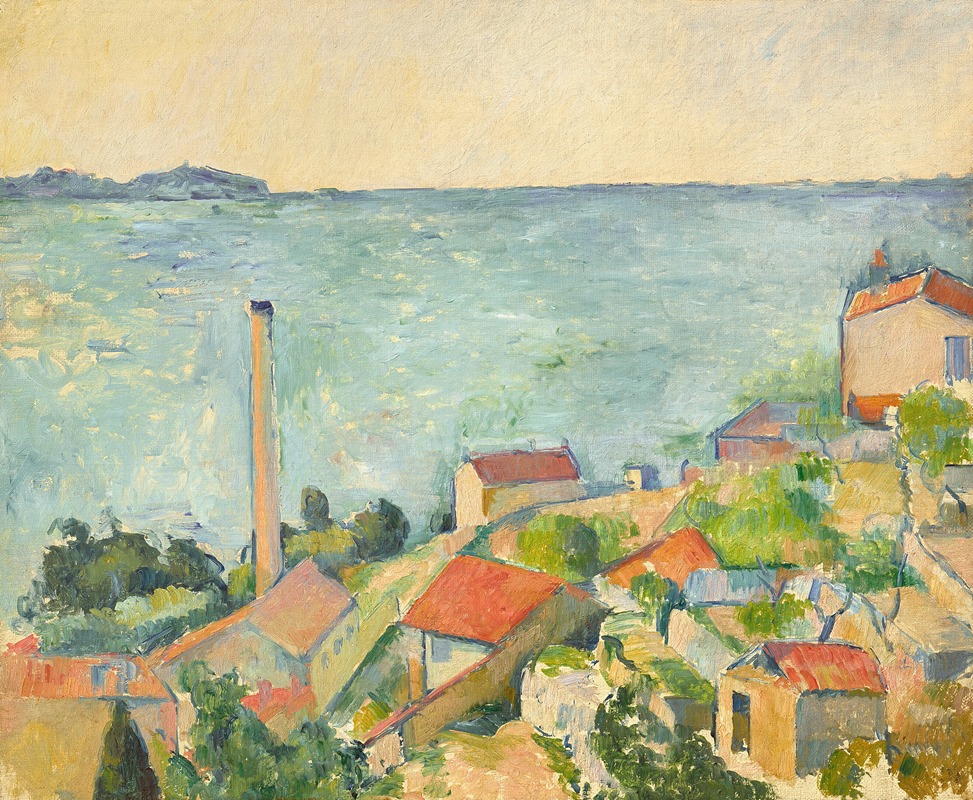
La mer à l’Estaque
Paul Cézanne
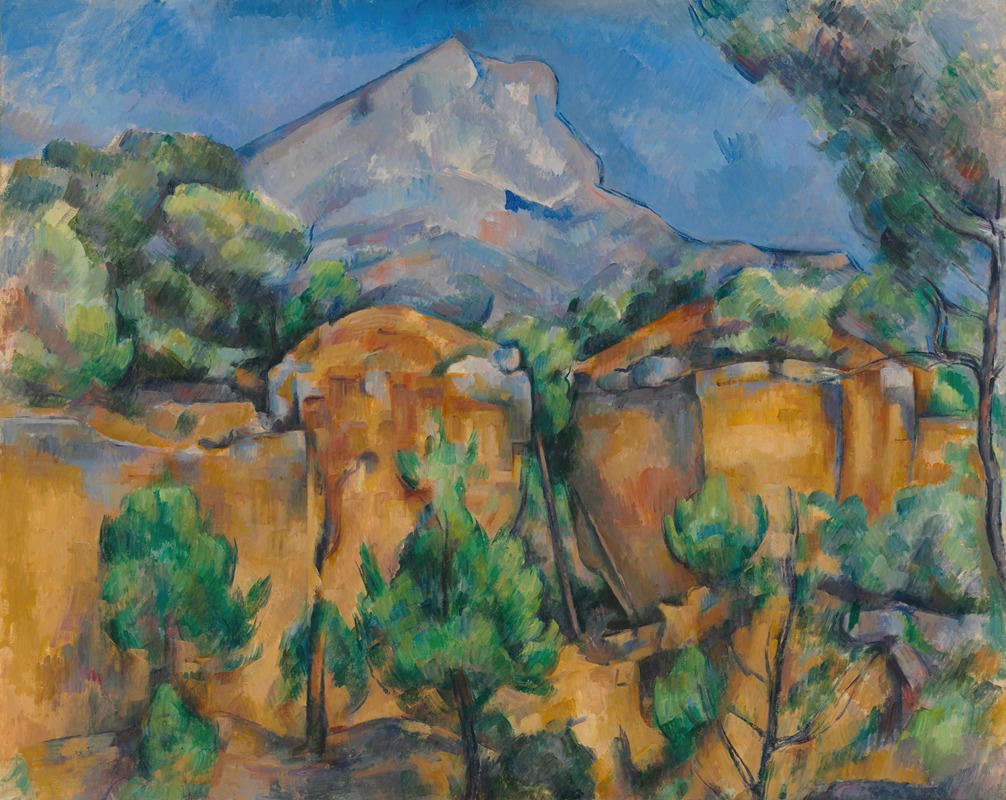
La Montagne Sainte-Victoire vue de la carrière Bibémus
Paul Cézanne
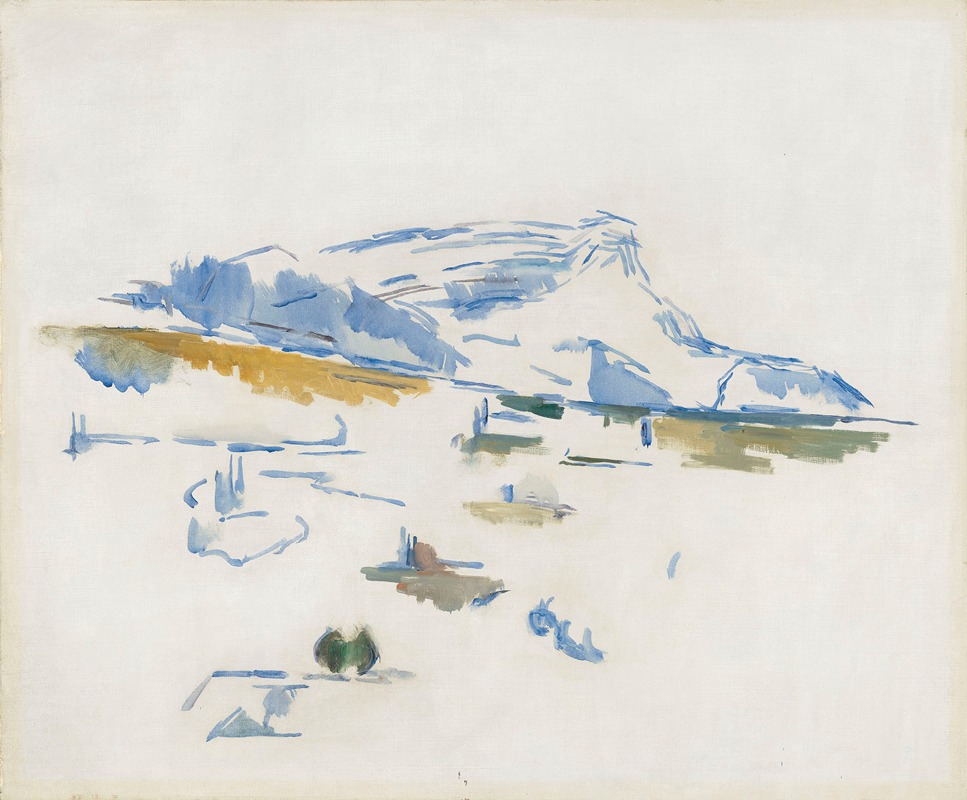
La Montagne Sainte-Victoire vue des Lauves
Paul Cézanne