
Crimson Note, Carmen — History & Facts
What first catches the eye in Crimson Note, Carmen is the way the sitter’s gaze emerges from the darkness, half-shadowed yet direct, as if she is about to speak. The red hood frames her face in a single, unified gesture, its folds painted with broad, confident strokes that dissolve into the background. Whistler’s brushwork is loose but deliberate, allowing the face to hover between presence and suggestion, while the rest of the figure fades into ambiguity.
The bold use of crimson signals both warmth and secrecy, drawing the viewer in to wonder at the story behind the sitter’s knowing smile. Light falls gently across her cheek and the bridge of her nose, guiding attention to her expression before it slips away into the enveloping shadow. Painted in 1895, this work belongs to a period when portraiture was being reimagined by artists like James McNeill Whistler, who sought not just to record a likeness but to evoke a mood or character. Such portraits were often commissioned by private patrons eager to capture not just appearances but a sense of atmosphere and personality.
Whistler’s approach here—his focus on tonal harmony, the near-abstract background, and the psychological charge of a single color—reflects the shifting tastes of the late nineteenth century, when artists were breaking free from academic conventions. Though little is recorded about the specific history of this painting, its presence in the Google Arts & Culture collection today invites us to linger over the mysteries Whistler left unsolved, and to imagine the world behind that enigmatic red veil.
More Artworks by James McNeill Whistler
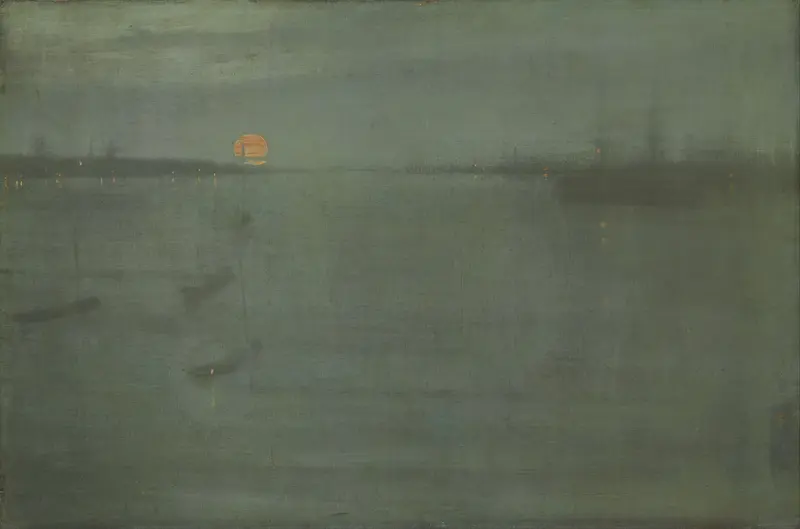
Nocturne: Blue and Gold—Southampton Water
James McNeill Whistler
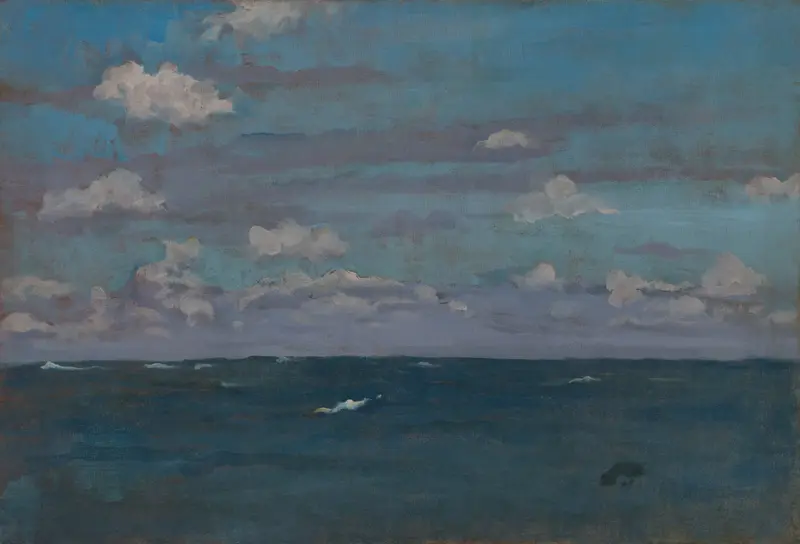
Violet and Silver—The Deep Sea
James McNeill Whistler
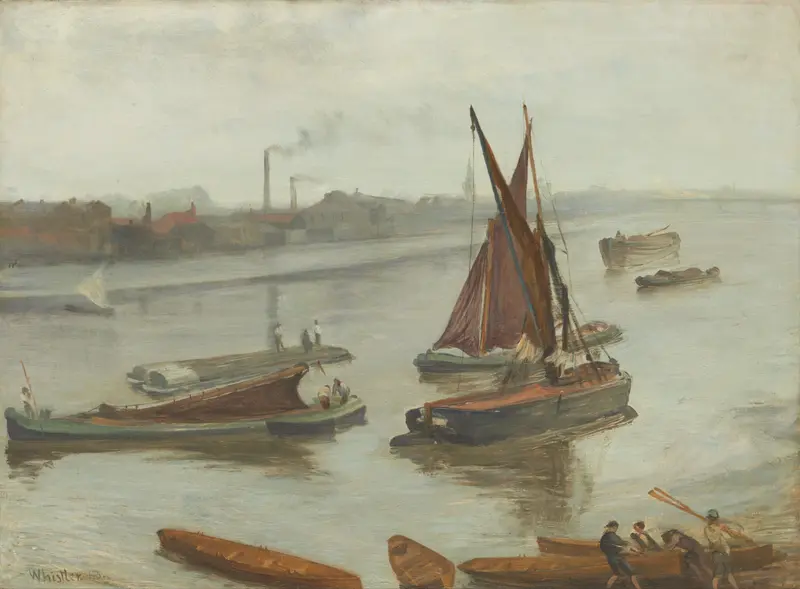
Grey and Silver: Old Battersea Reach
James McNeill Whistler
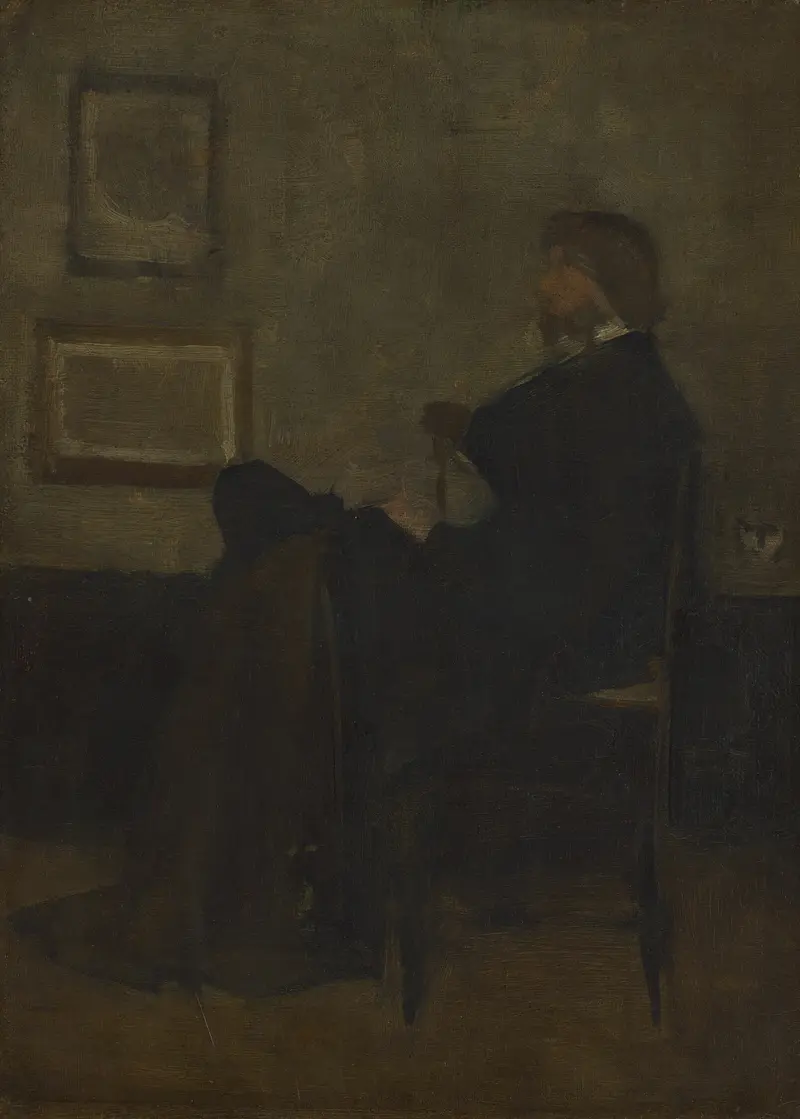
Study for "Arrangement in Grey and Black, No. 2: Portrait of Thomas Carlyle"
James McNeill Whistler
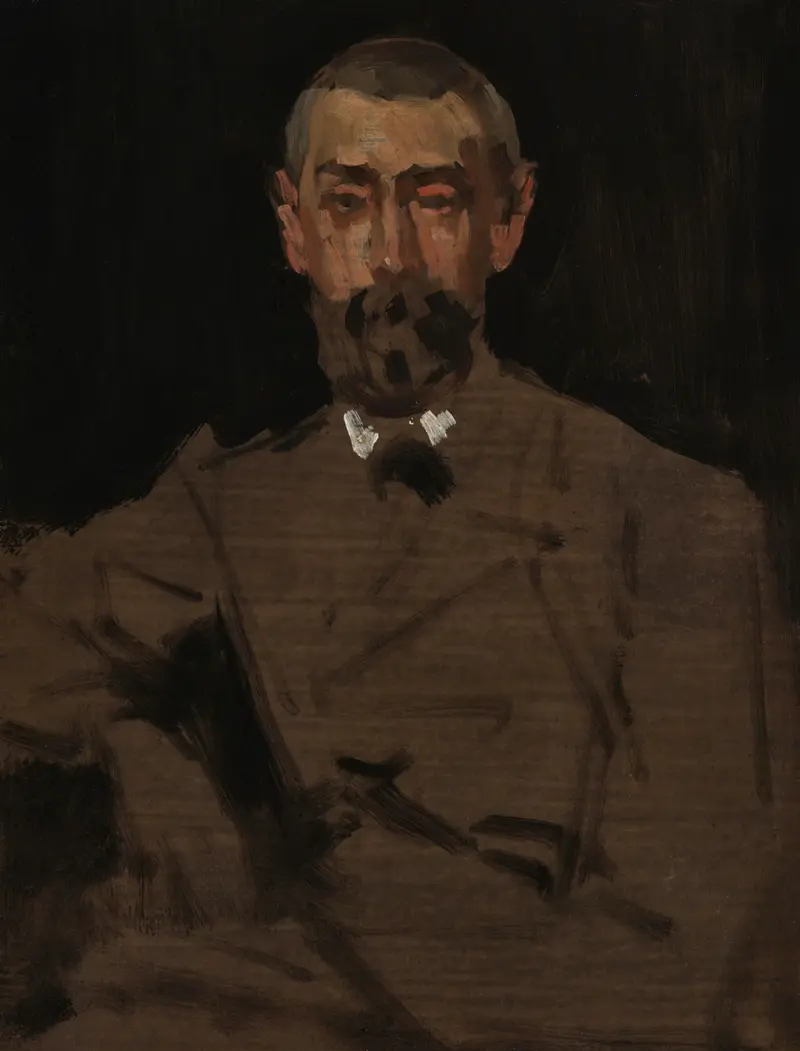
Portrait of M. R. Elden
James McNeill Whistler
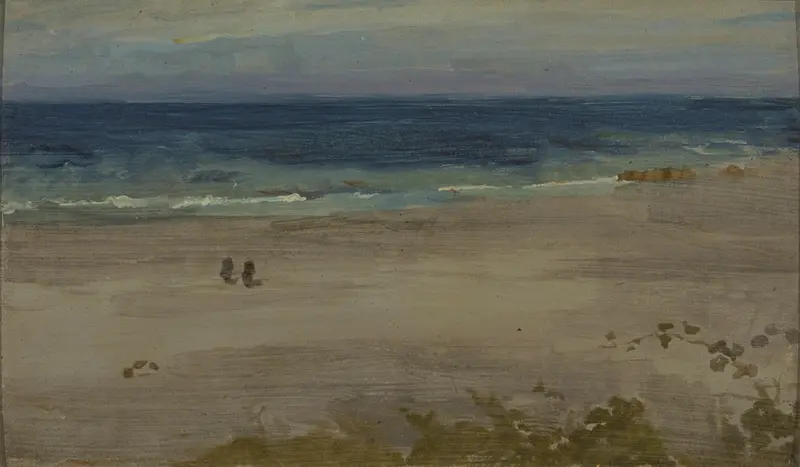
The Blue Sea
James McNeill Whistler
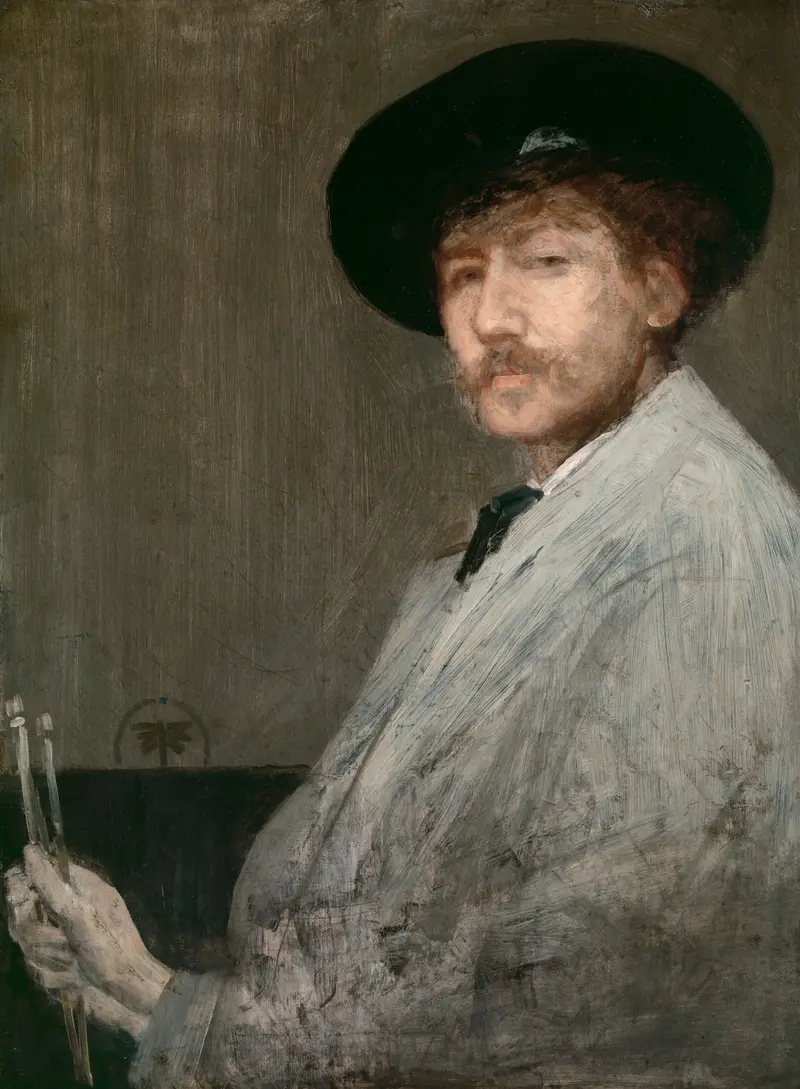
Arrangement in Gray: Portrait of the Painter
James McNeill Whistler
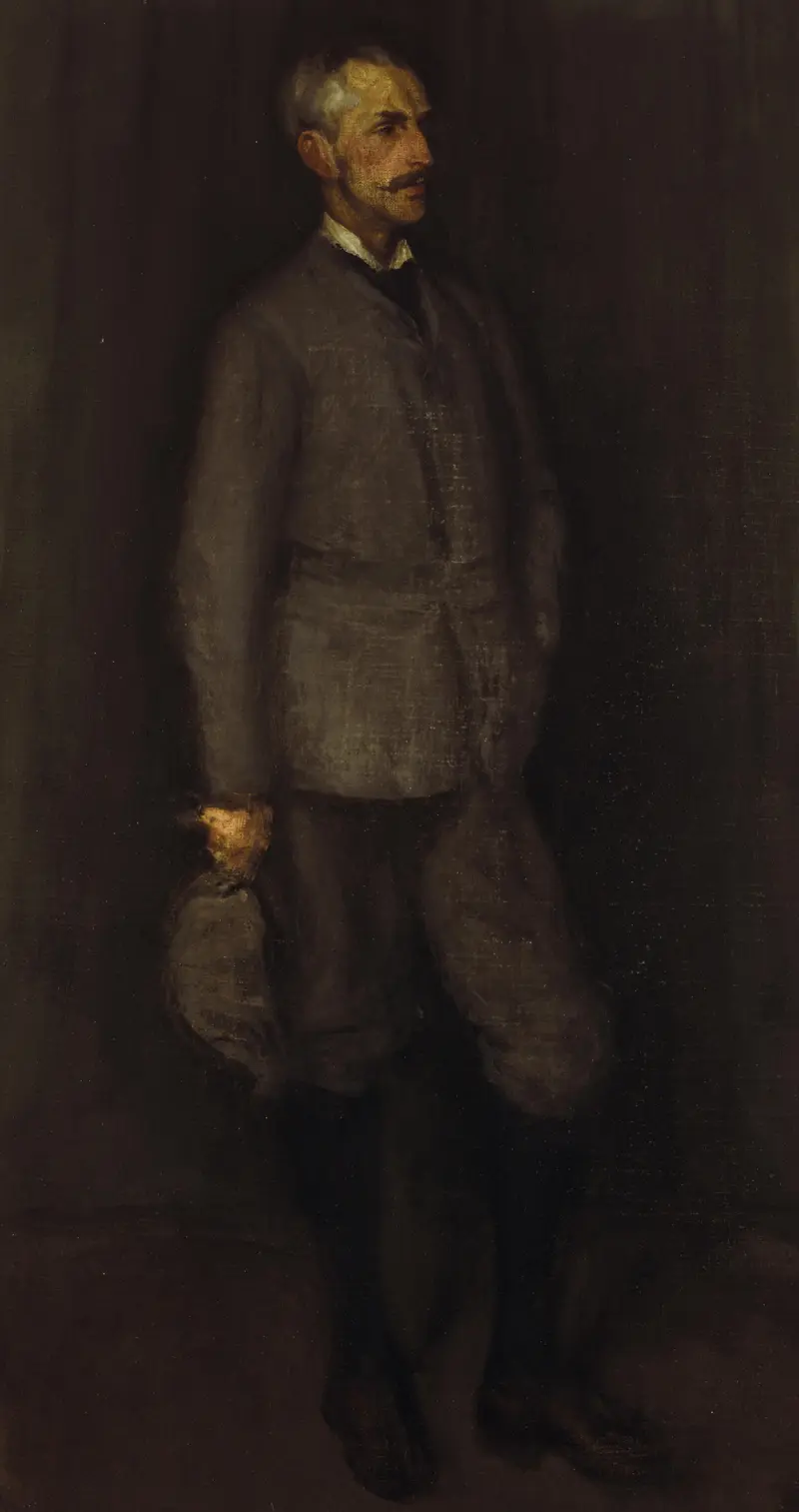
Arrangement in Grey and Green. Portrait of John James Cowan
James McNeill Whistler
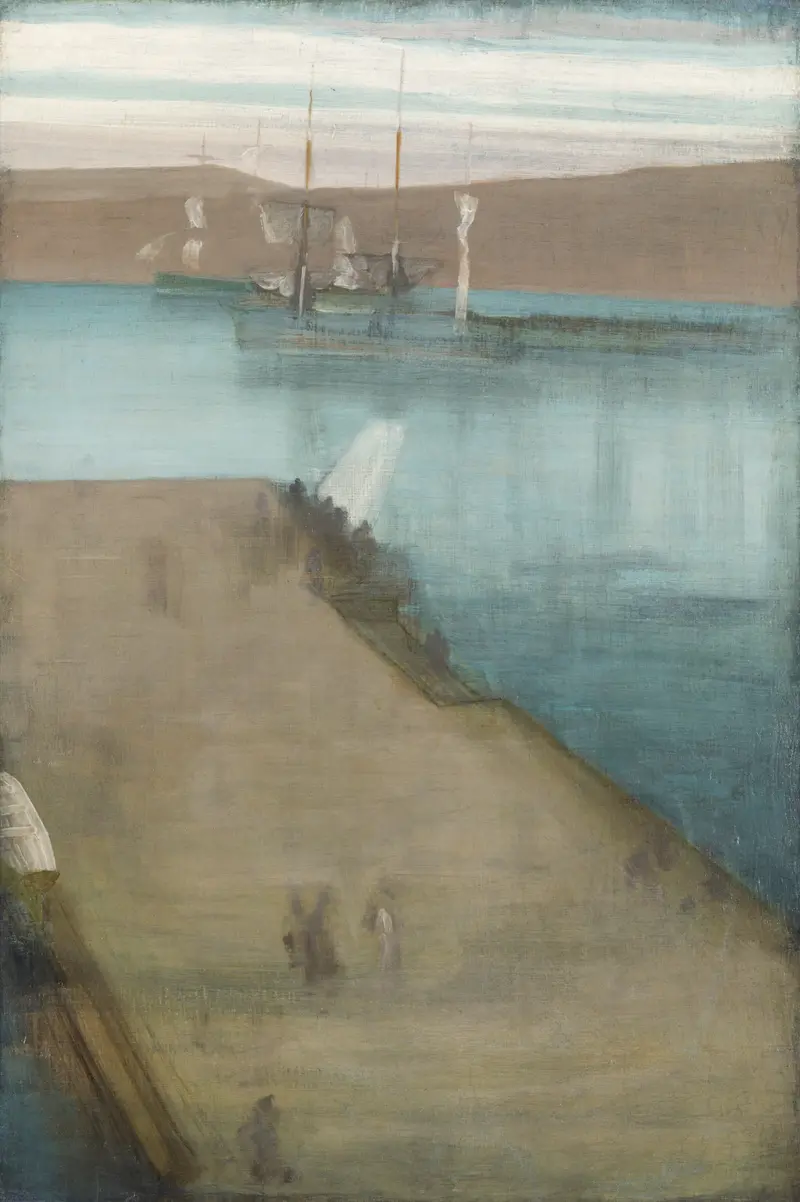
Valparaiso Harbor
James McNeill Whistler
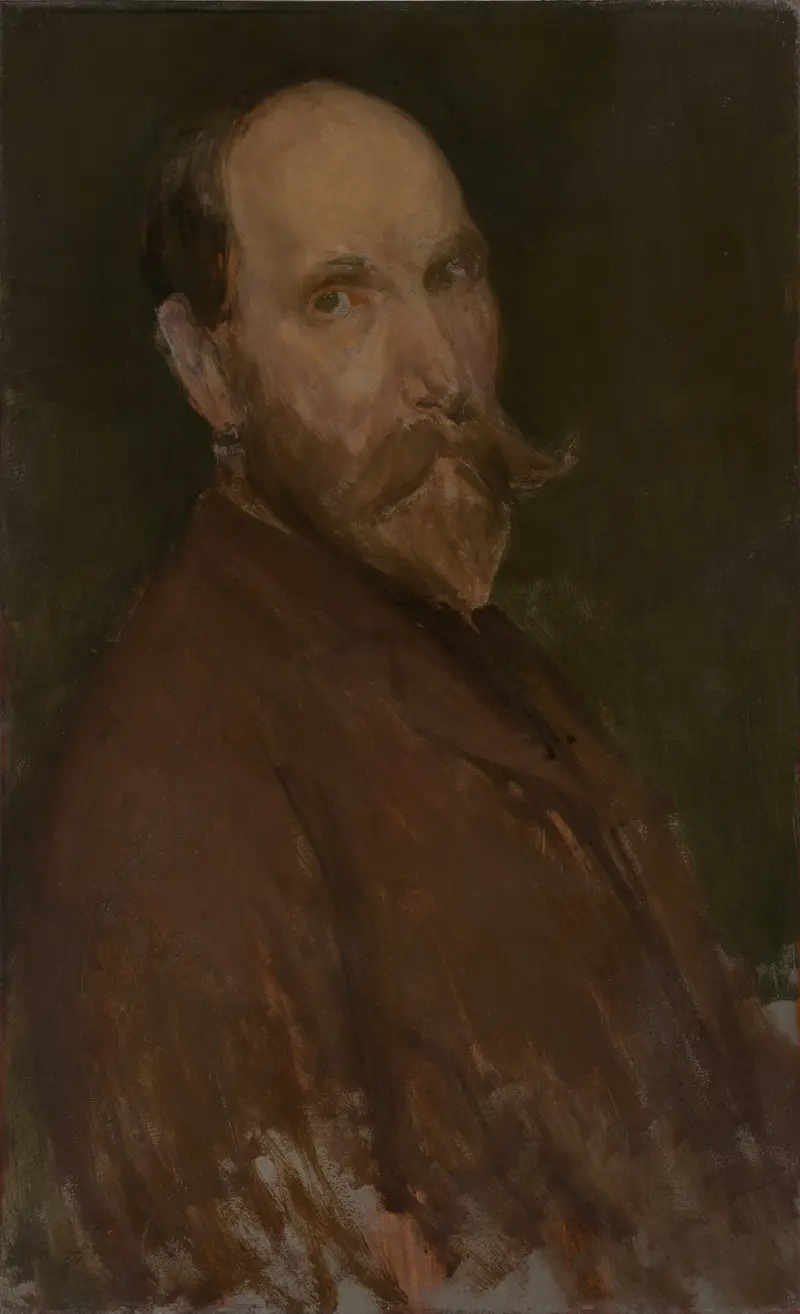
Charles Lang Freer
James McNeill Whistler





