
Crossing The Atlantic (Return Home) — History & Facts
Is this a mirror — or a memory? As we stand on the precipice of time and space, the feelings of longing and loss intertwine like waves crashing against the shore, echoing the quiet resilience that characterizes the human spirit. Look to the center of the canvas where a figure, enveloped in darkness, gazes out over the vast expanse of water. The delicate interplay of blues and grays captures the tumult of emotions — the churning sorrow of separation and the silent hope of return. Notice how the light diffuses around the edges of the figure, creating a soft halo, suggesting both vulnerability and strength.
The subtle brushwork and layered textures invite you to feel the weight of the moment, urging you to delve deeper into the soul of the traveler. Within this poignant portrayal lies the tension of dualities: the entrapment of the past versus the promise of reunion, isolation against the backdrop of an expansive ocean. The stillness of the water invites contemplation, while the distant shoreline teems with possibilities, igniting a flicker of yearning in the heart. Each ripple seems to whisper secrets of the journey, reminding us of the people left behind and the dreams carried forward, forever echoing in the depths of memory. In 1894, Tanner painted this work while living in Paris, an artist grappling with the complexities of his identity as a Black American in a world laden with racial strife.
During this period, he explored themes of spirituality and personal experience, influenced by the challenges faced by his community. Crossing The Atlantic (Return Home) encapsulates the universal struggle of returning to one's roots, reflecting both personal and collective histories in a moment of quiet introspection.
More Artworks by Henry Ossawa Tanner
Browse all →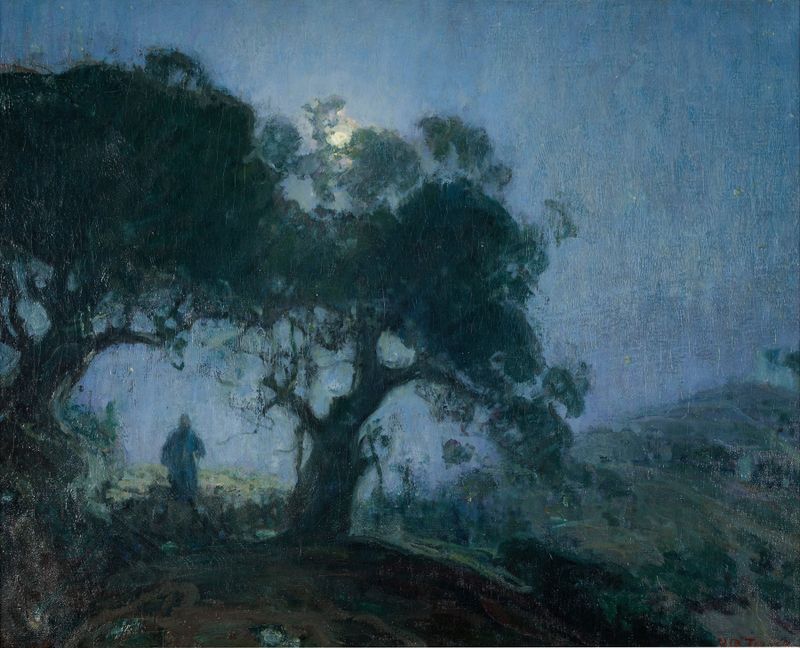
The Good Shepherd
Henry Ossawa Tanner
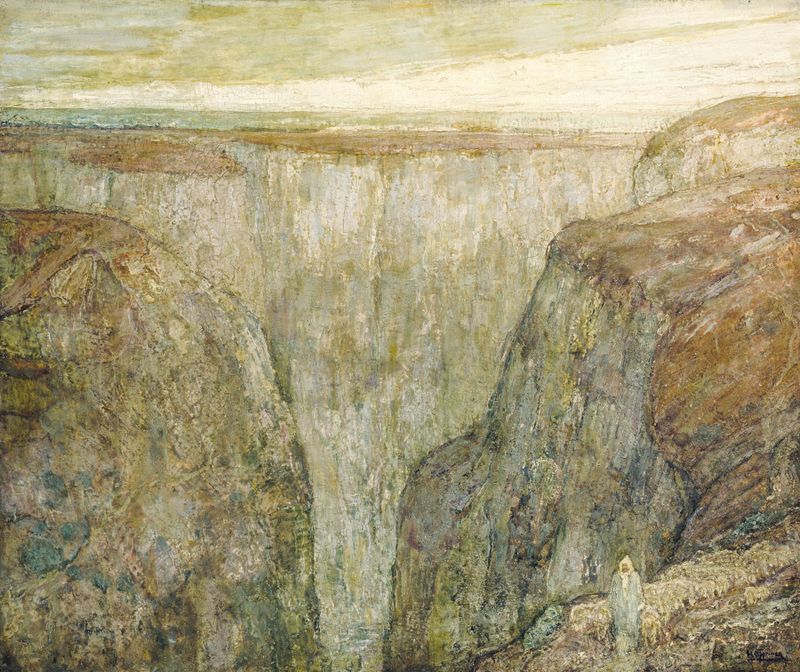
The Good Shepherd (Atlas Mountains, Morocco)
Henry Ossawa Tanner
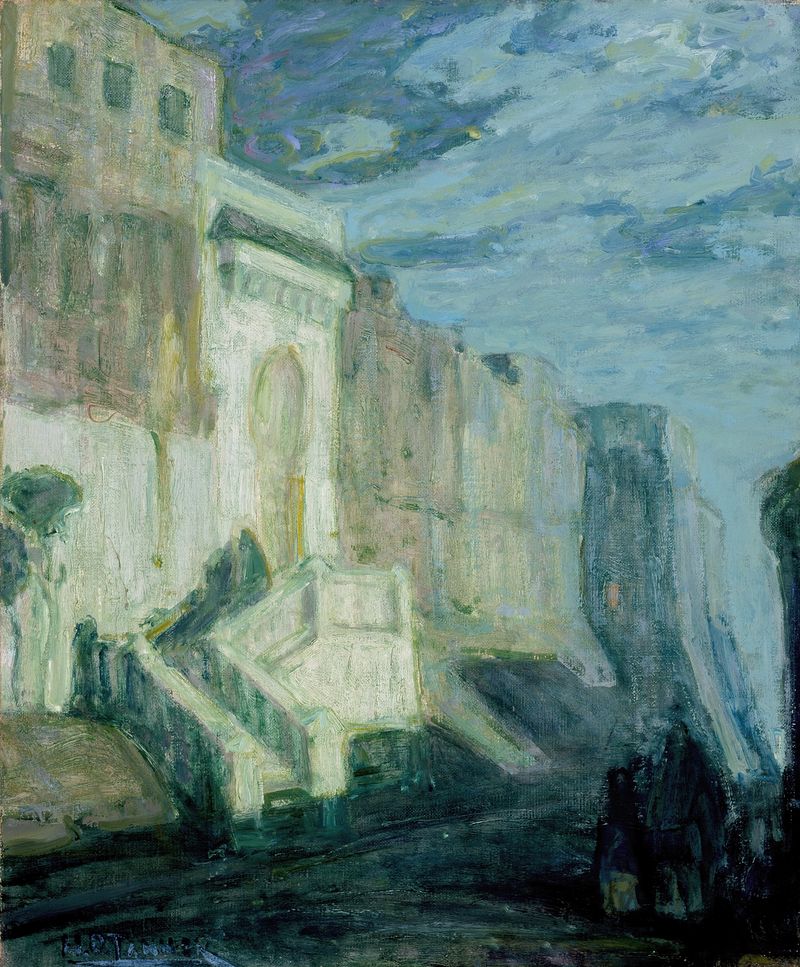
Moonlight; Walls of Tangiers
Henry Ossawa Tanner
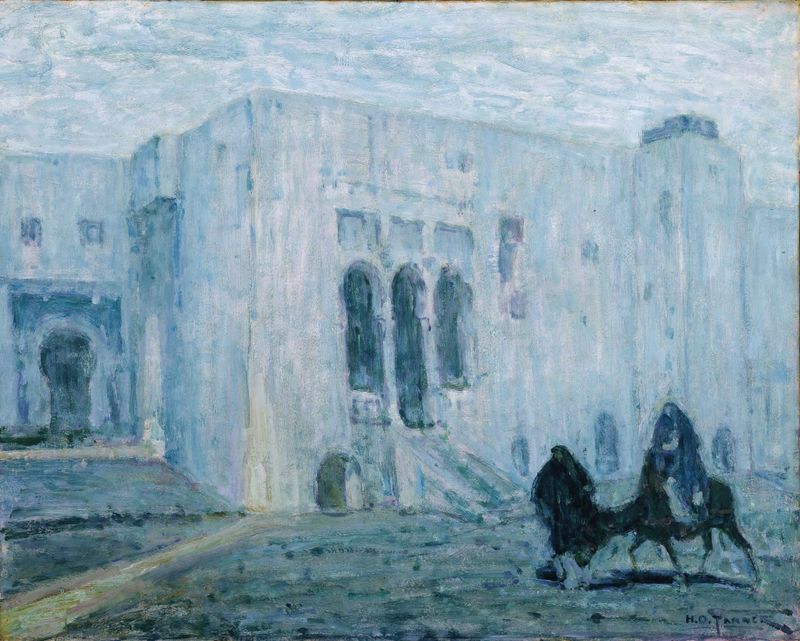
Palace of Justice, Tangier
Henry Ossawa Tanner
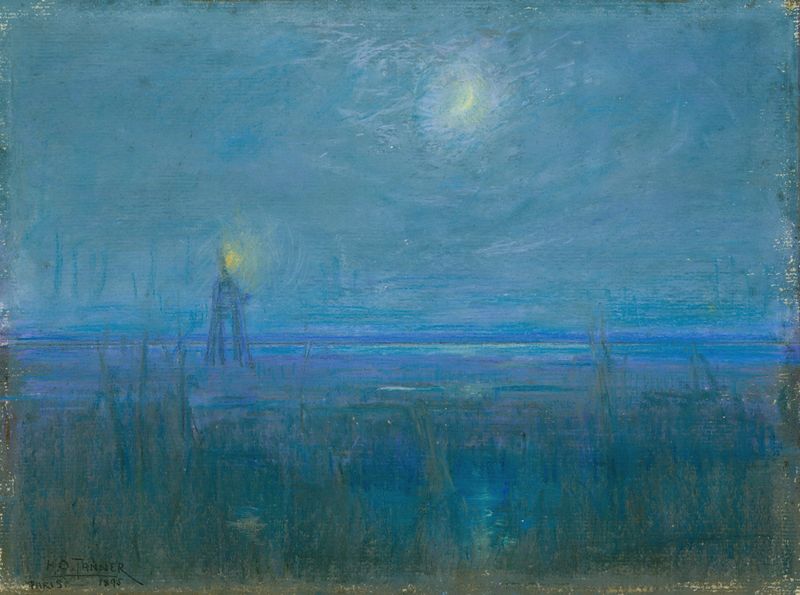
Marshes In New Jersey
Henry Ossawa Tanner
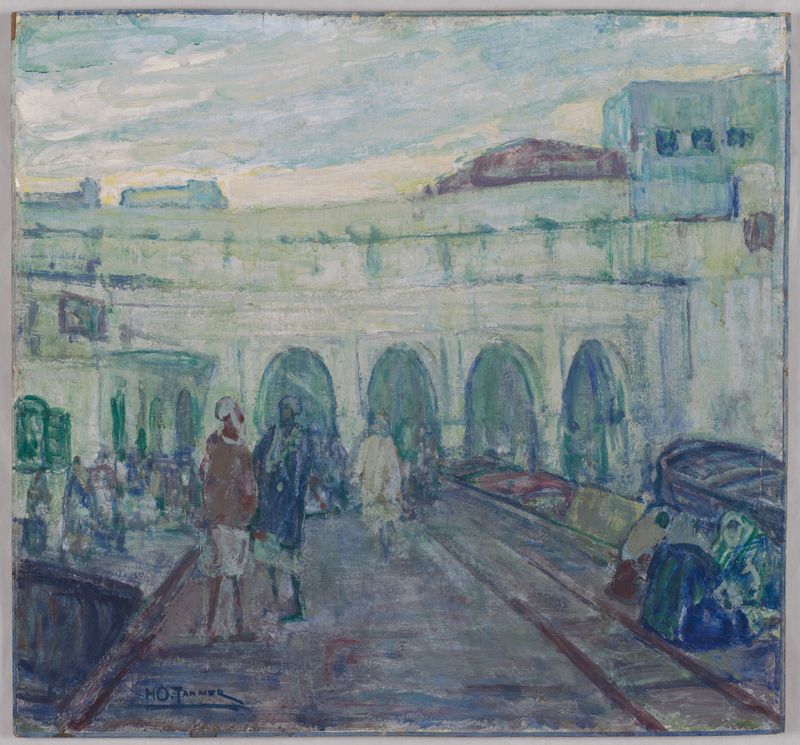
Port of Tangiers (Entrance to the Customs House)
Henry Ossawa Tanner
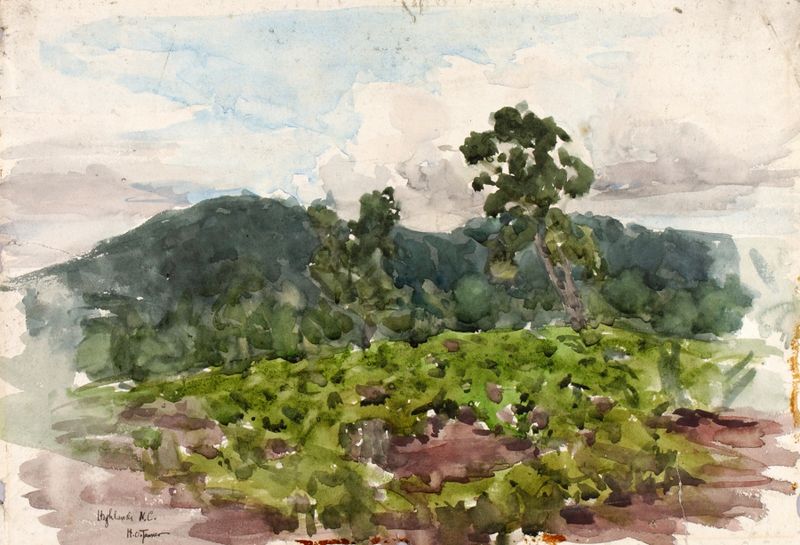
Highlands, N.C.
Henry Ossawa Tanner
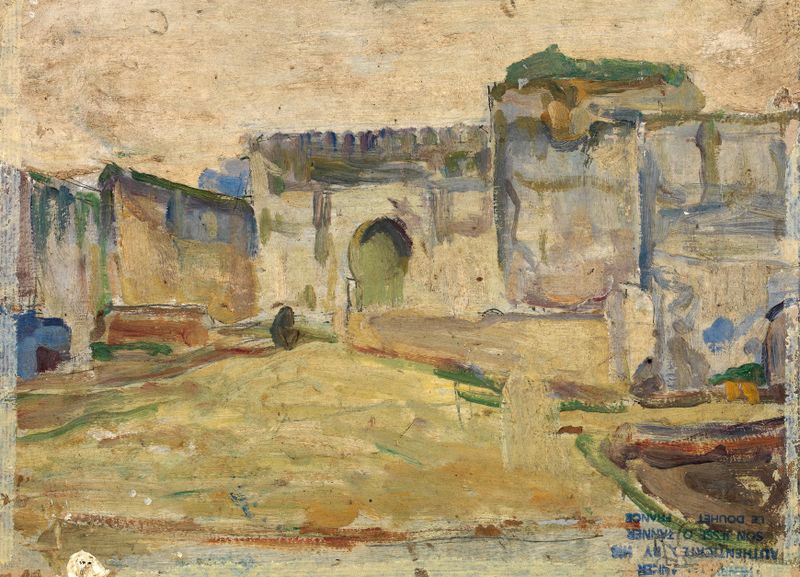
Street Scene, Tangier (Crenelated Architecture)
Henry Ossawa Tanner
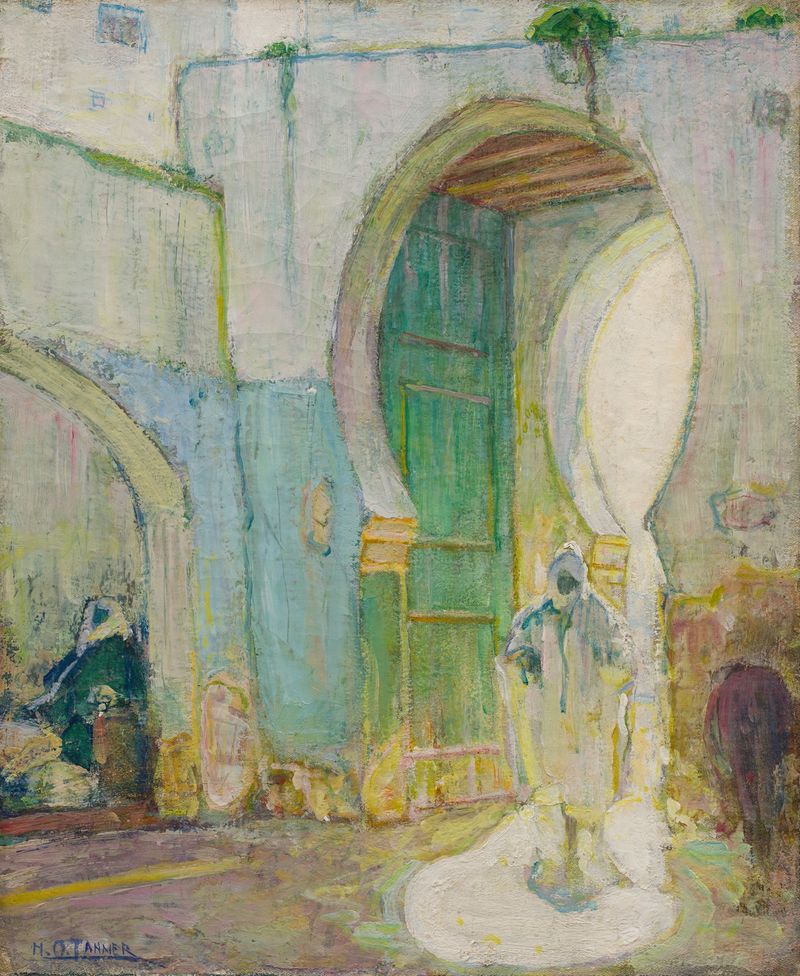
Gateway, Tangier
Henry Ossawa Tanner
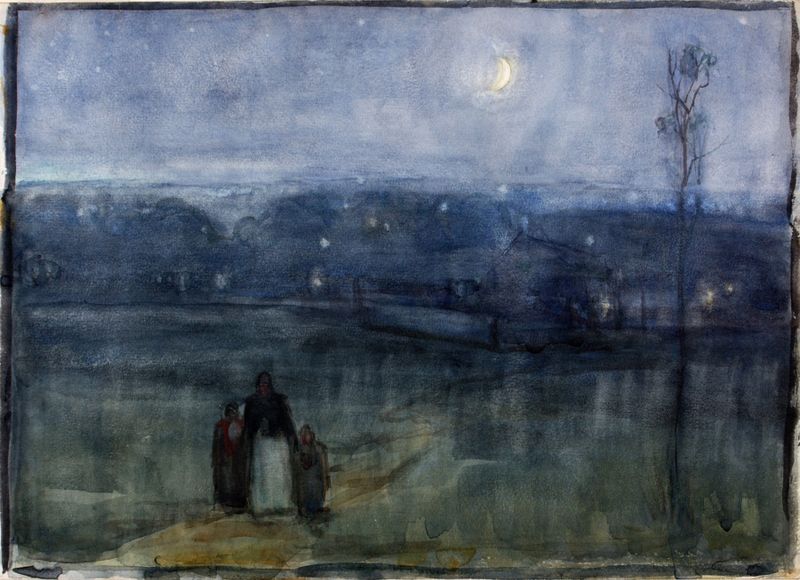
Kansas City, Kansas
Henry Ossawa Tanner





