
Crypt of Saint Gervaise, Rouen, Normandy — History & Facts
Could a single brushstroke hold eternity? In the quiet shadows of the crypt, every detail whispers of a time gone by, where light and darkness dance in a delicate balance, echoing the spirit of revolution that shaped an era. Look to the left at the intricate arches, their forms both robust and ethereal, gracefully outlined against a backdrop of muted greys and browns. Notice how the light streams through the crypt’s openings, casting elongated shadows that stretch across the stone floor, inviting the viewer to step into this sacred space. The textures of the rough stone are rendered with a skillful hand, lending a tactile quality that draws you in, while the palette speaks of solemnity and reverence. Beneath the surface, the painting conveys contrasts between the steadfastness of the ancient architecture and the fleeting nature of life.
The gentle interplay of light suggests hope amid the shadows, a reminder of resilience in the face of decay. Each detail, from the crumbling edges to the soft luminescence filtering through, reflects a deeper narrative—one of rebirth and the cyclical nature of existence, hinting at the revolutionary changes that lay ahead for both art and society. In 1817, the artist created this work while living in England, a time marked by industrial change and artistic exploration. Cotman was deeply influenced by the Romantic movement, seeking to capture the sublime beauty of nature and history.
His travels through Normandy during this period allowed him to draw upon the rich architectural heritage of the region, intertwining the past with his present, and reflecting the evolving landscape of art in that transformative era.
More Artworks by John Sell Cotman
Browse all →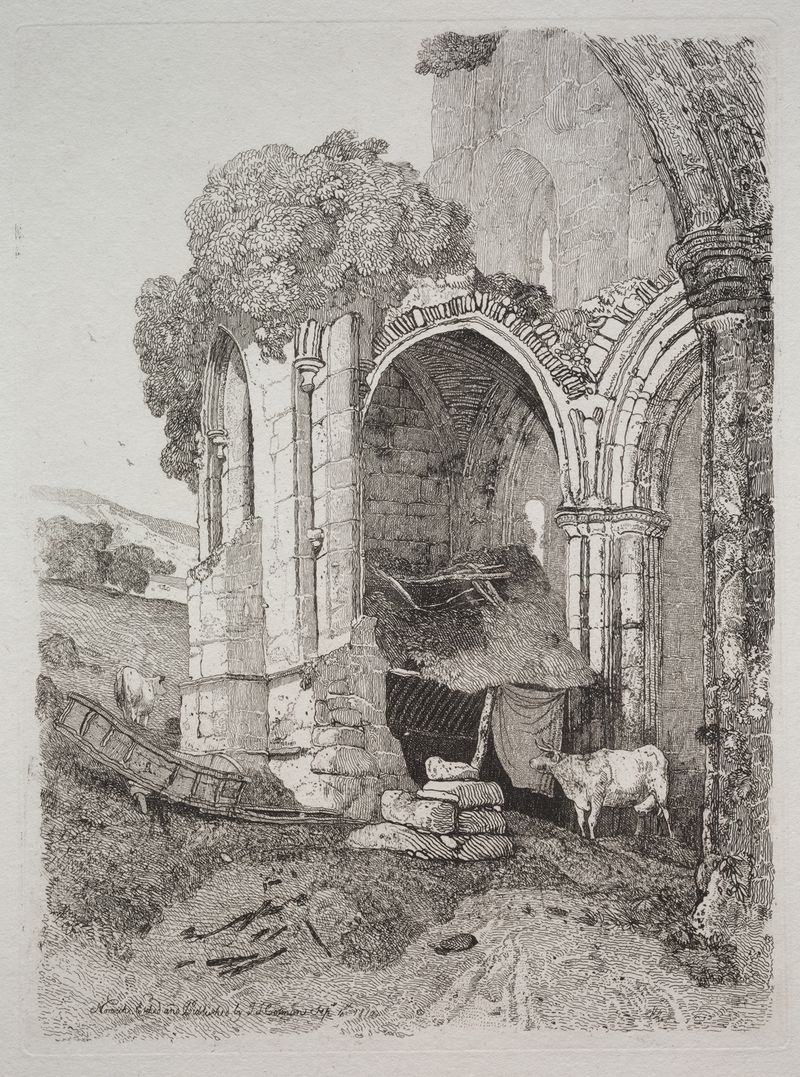
Rievaulx Abbey, Yorkshire
John Sell Cotman
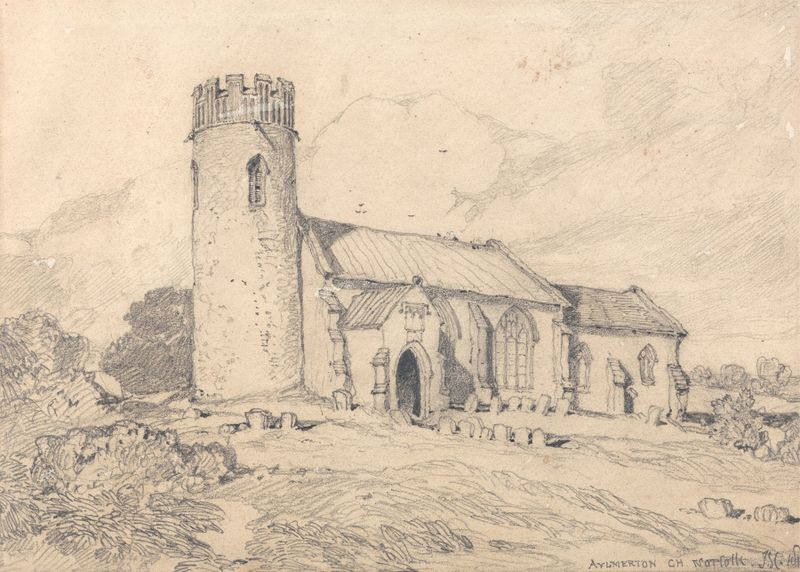
Aylmerton Church; Norfolk, from the South-West
John Sell Cotman
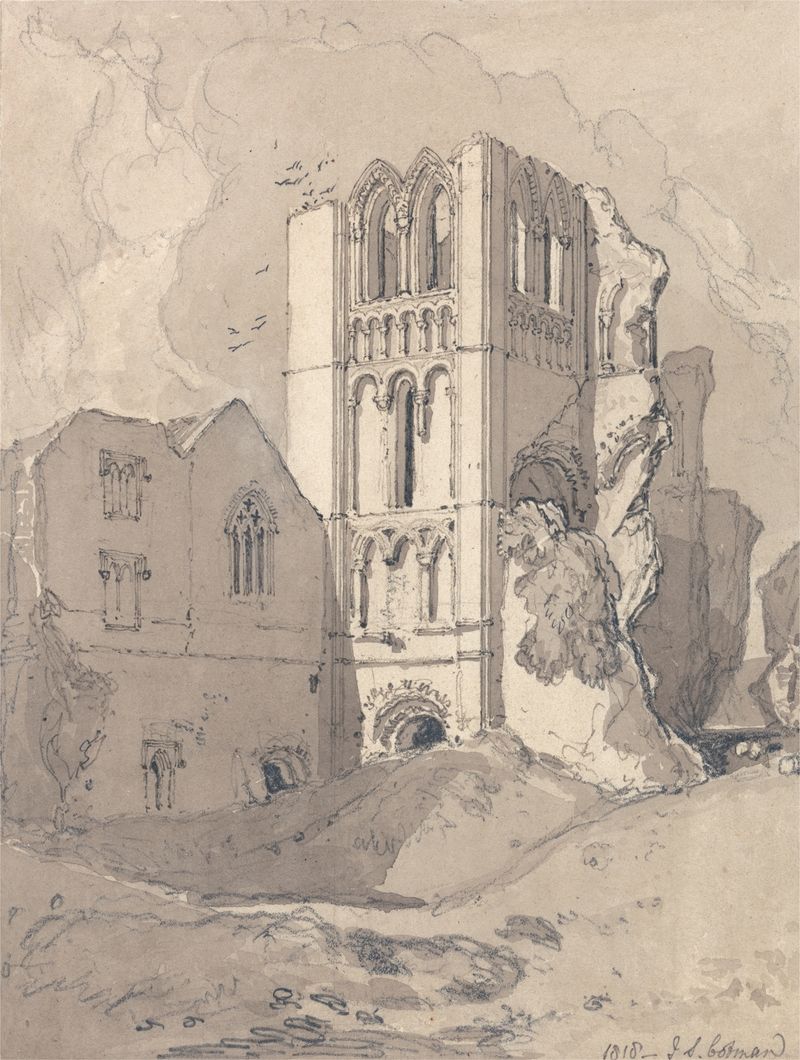
Castle Acre Priory, Norfolk
John Sell Cotman
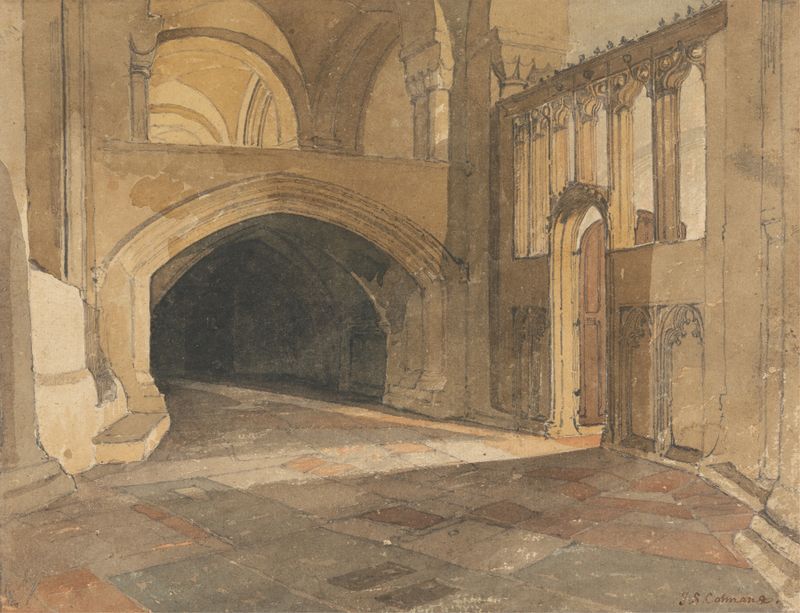
Norwich Cathedral; Entrance to Jesus Chapel
John Sell Cotman
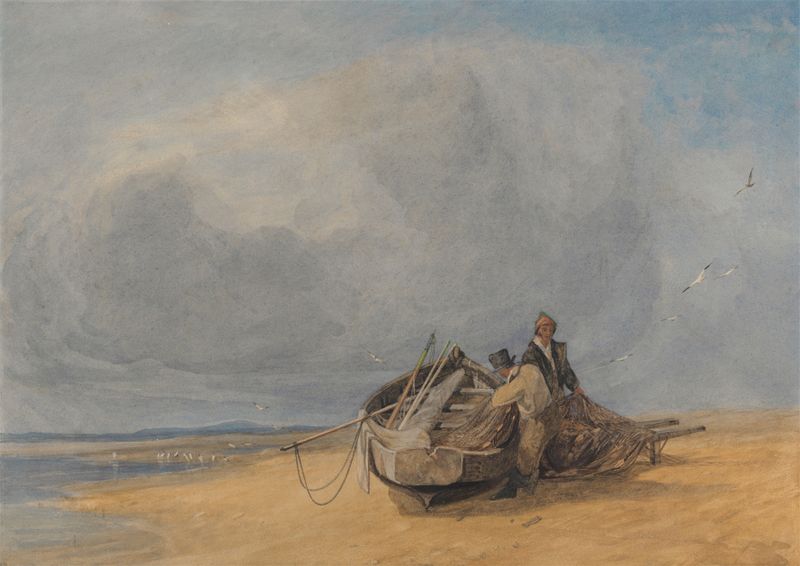
Yarmouth Sands, Norfolk
John Sell Cotman
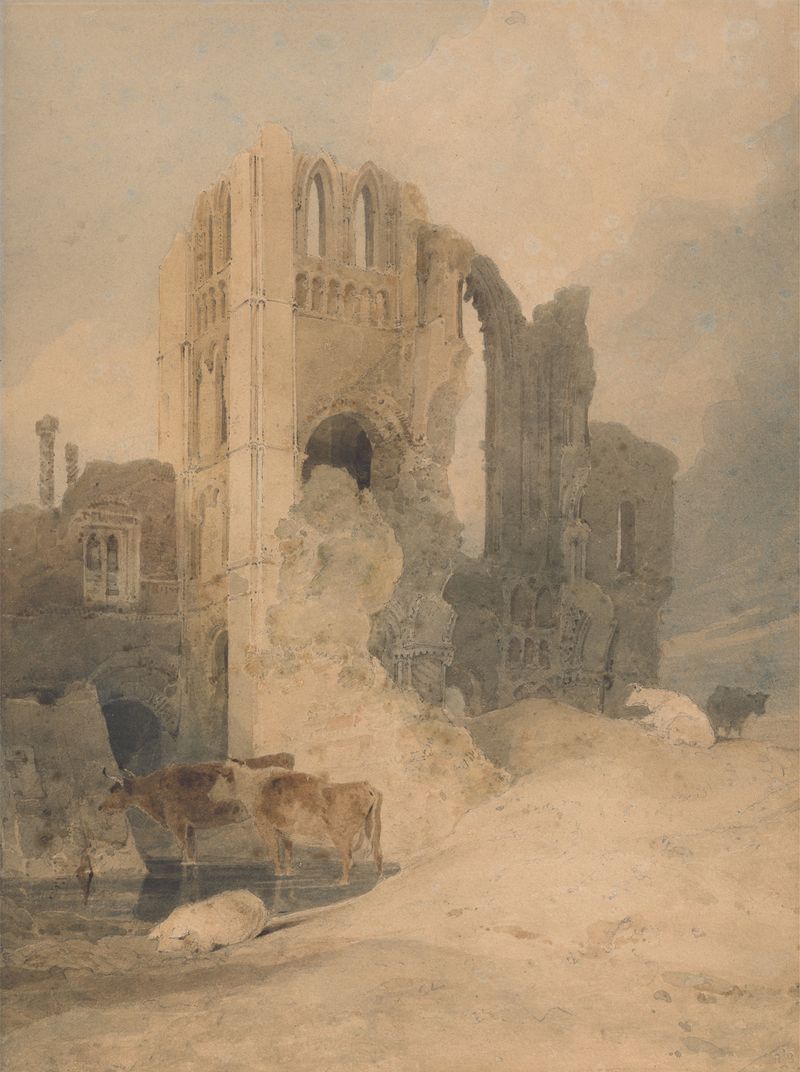
Castle Acre Priory, Norfolk
John Sell Cotman
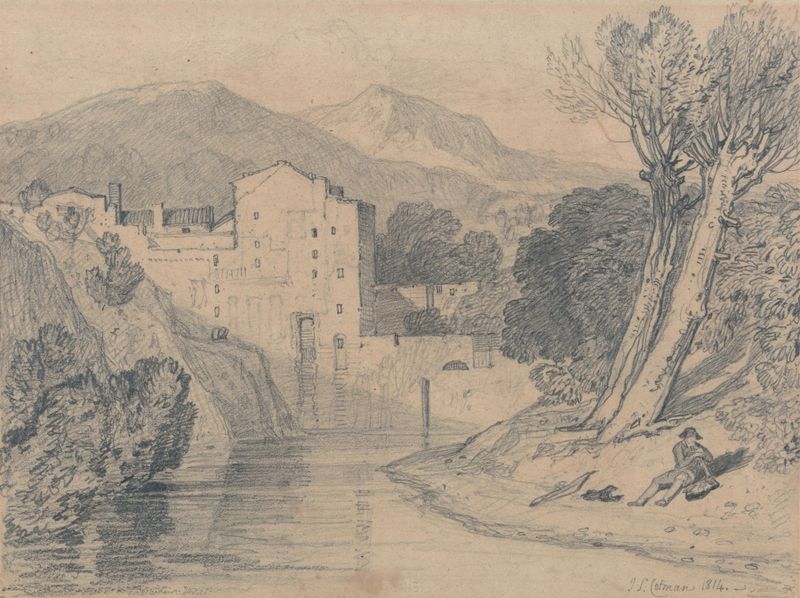
Near Whitby, Yorkshire
John Sell Cotman
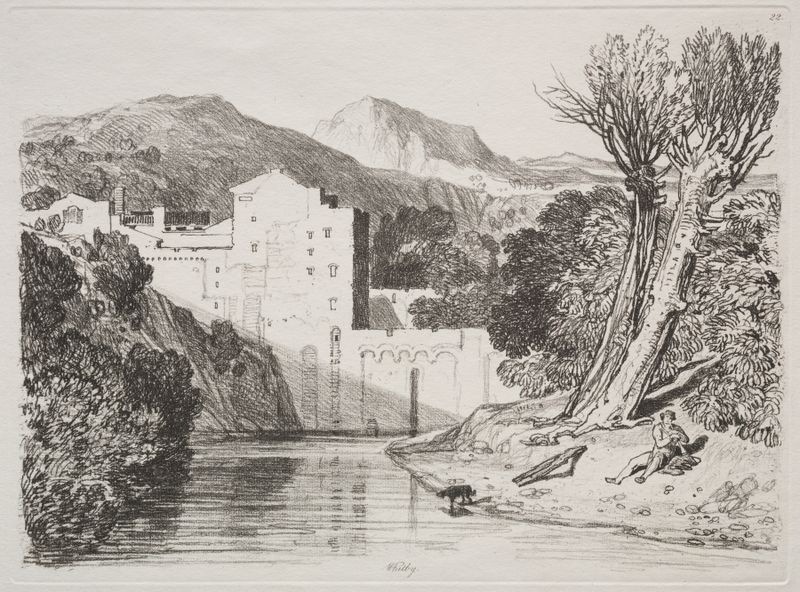
Whitby
John Sell Cotman
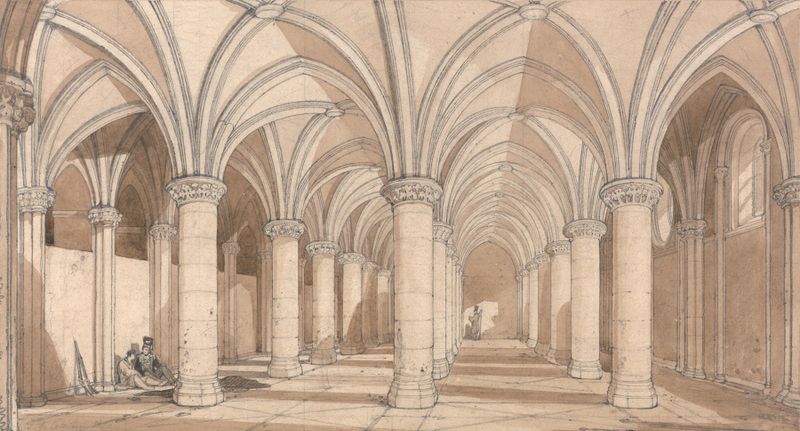
The Barons’ Hall, Mont Saint Michel
John Sell Cotman
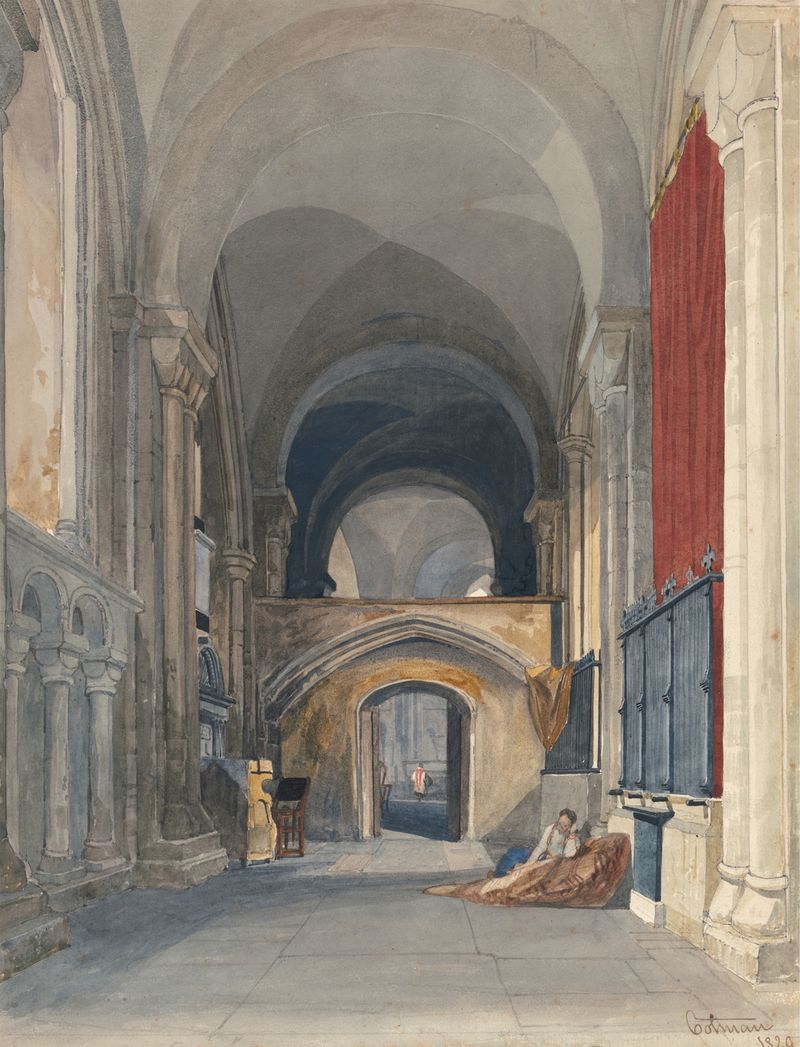
Norwich Cathedral; Interior of the North Aisle of the Choir, Looking East
John Sell Cotman
More Architecture Art
Browse all →
The statue of Liberty
Frédéric Auguste Bartholdi

View of Houses in Delft, Known as ‘The Little Street’
Johannes Vermeer

View of Houses in Delft, Known as ‘The Little Street’
Johannes Vermeer

The Cathedral in Rouen. The portal, Grey Weather
Claude Monet

The yellow house
Vincent van Gogh

The Church in Auvers-sur-Oise, View from the Chevet
Vincent van Gogh