
Cumaean Sibyl — History & Facts
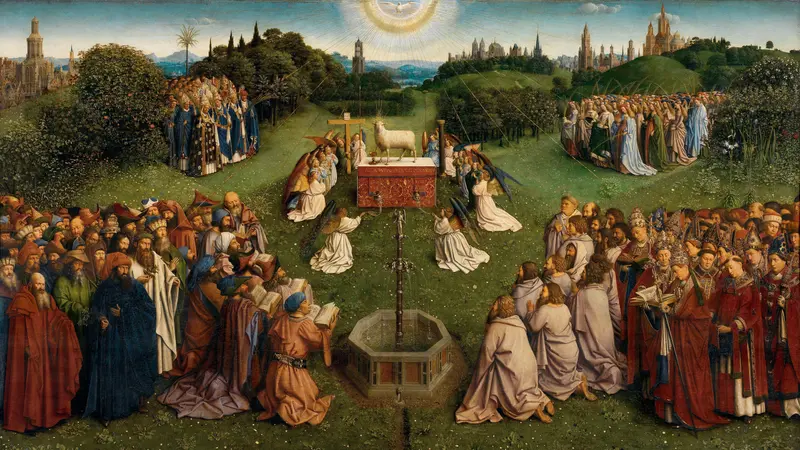
In the early 15th century, the figure of the Sibyl—an ancient prophetess—was rarely given such prominence in northern European painting as in Cumaean Sibyl by Jan van Eyck. What makes this work especially intriguing is its possible connection to the lost panels of the famed Ghent Altarpiece, where sibyls were rumored to have appeared alongside prophets. While the medium remains uncertain, the painting’s meticulous detail and luminous surface are hallmarks of van Eyck’s hand, leading some scholars to speculate whether it was intended as part of a larger ensemble or as a standalone meditation on prophecy and wisdom. The Cumaean Sibyl, legendary for foretelling the coming of Christ to the ancient Romans, is caught here in a moment of grave contemplation.
Her aged face, rendered with van Eyck’s signature precision, gazes downward as she clutches a scroll—her prophecies inscribed for posterity. The heavy folds of her robe and the intricate headdress signal both her foreign origins and her sacred status. Unlike Michelangelo’s later, muscular Sibyls in the Sistine Chapel, van Eyck presents a figure marked by introspection and age, emphasizing wisdom over physical power.
The muted palette and gentle play of light across her features suggest a world balanced between revelation and secrecy. The painting’s early history is shrouded in uncertainty, with no surviving records of its original patron or intended location. It is generally agreed that Cumaean Sibyl was produced during van Eyck’s mature period, when he was active at the Burgundian court and experimenting with new approaches to portraiture and religious imagery. Over the centuries, the work has been variously attributed, sometimes mistaken for a later copy or workshop piece, but most experts now agree on its origin in van Eyck’s circle.
Today, it stands as a rare testament to the fascination with classical prophecy in the Northern Renaissance, inviting viewers to ponder the enduring power of vision and voice.
More Artworks by Jan van Eyck

Adam
Jan van Eyck
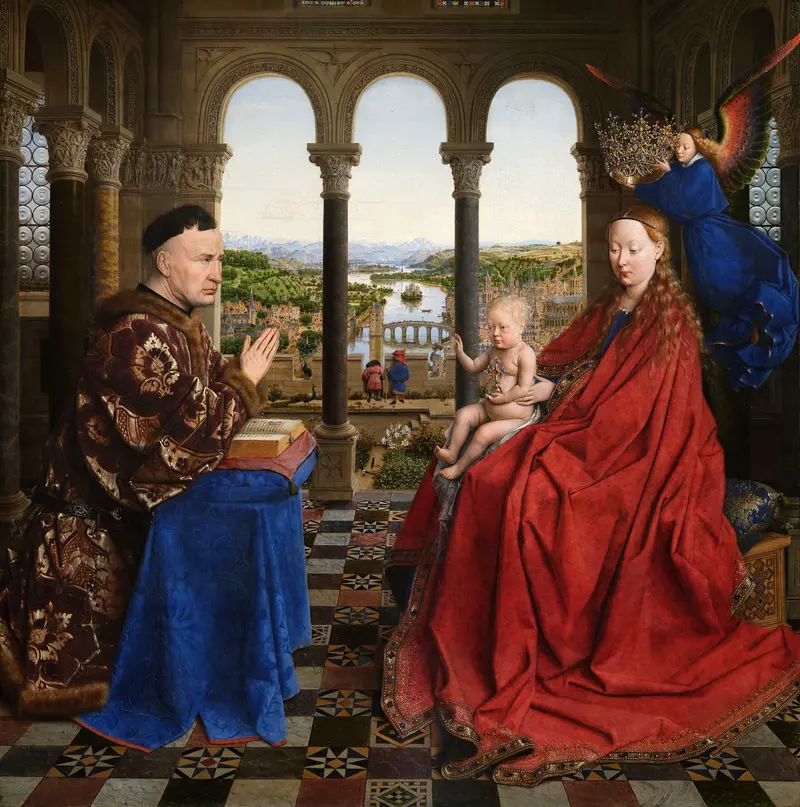
Madonna of Chancellor Rolin
Jan van Eyck
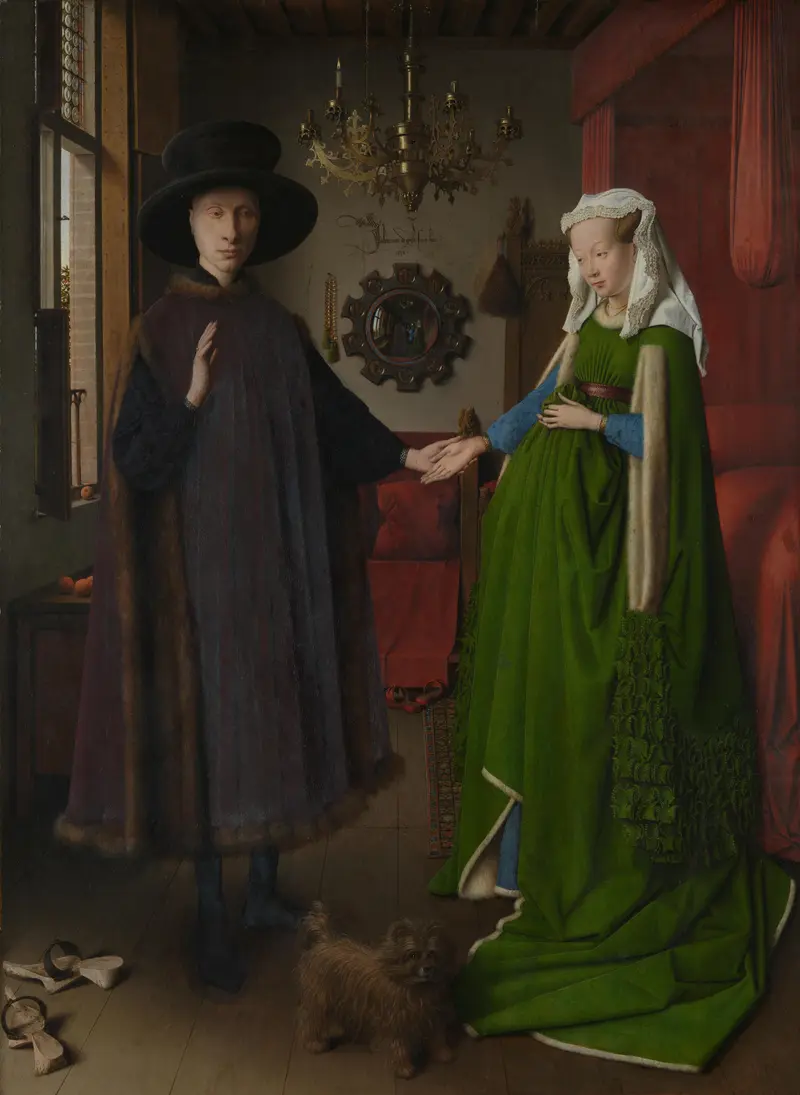
The Arnolfini Portrait
Jan van Eyck
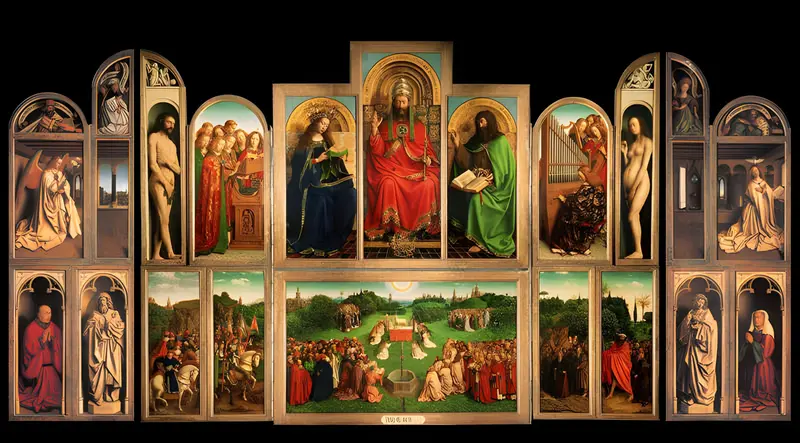
Ghent Altarpiece
Jan van Eyck

Dresden Triptych
Jan van Eyck
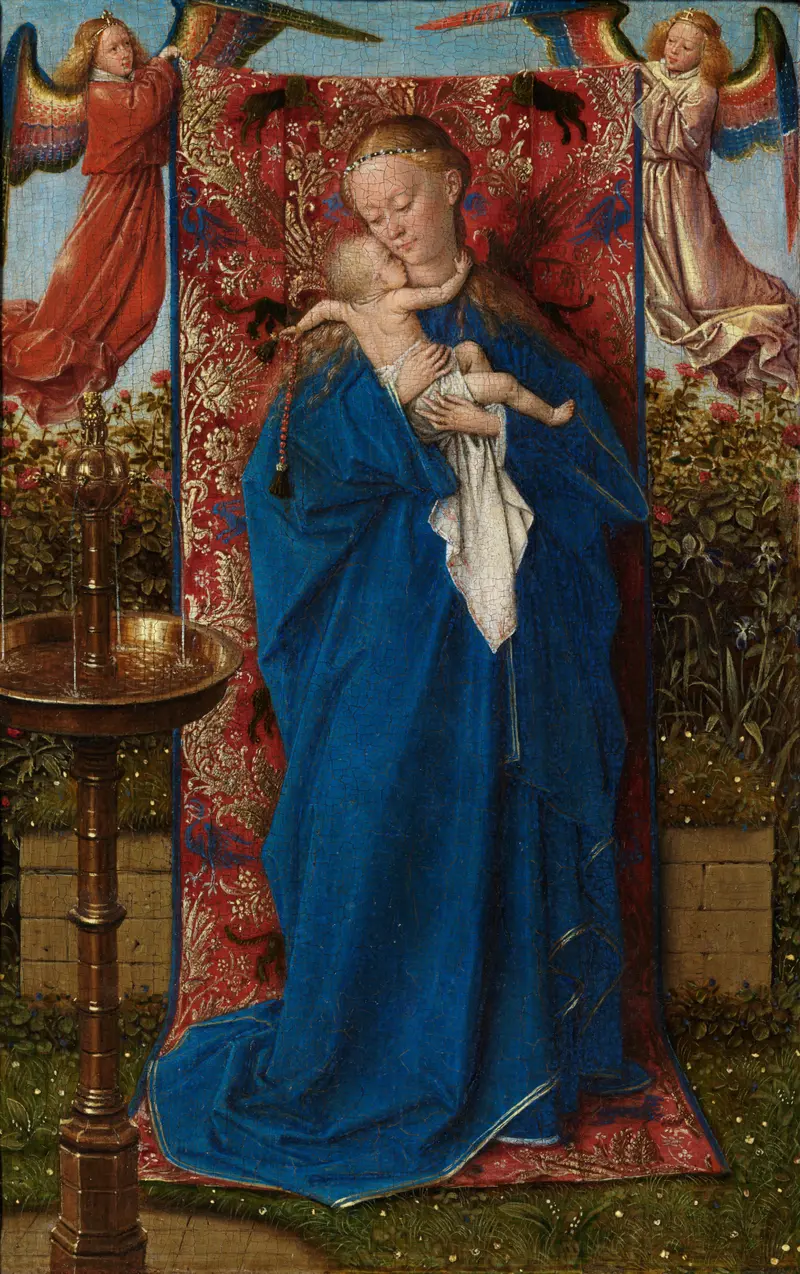
Madonna at the Fountain
Jan van Eyck

Madonna with Canon Joris van der Paele
Jan van Eyck

Prophet Zacharias; Angel of The Annunciation
Jan van Eyck
Portrait of a Man (Self Portrait?)
Jan van Eyck
Adoration of the Lamb from the Ghent Altarpiece
Jan van Eyck





