
Das Schloss von Ootmarsum — History & Facts
This thought resonates deeply in the stillness of the countryside, where betrayal may lurk beneath the surface of tranquil landscapes. Look to the foreground, where the soft hues of the earth meet a collaborative dance of light and shadow, inviting you into a lush greenery interspersed with delicate glimpses of architecture. The castle rises majestically in the distance, its formidable structure both a refuge and a prison. Notice how the cool greens and warm browns intertwine, suggesting a hidden tension between nature and manmade creations, while the gentle brushstrokes convey an almost whispering movement – a landscape alive yet eerily serene. Delve deeper, and you’ll find a juxtaposition between the flowing river and the solid castle walls, reflecting the precarious balance of power and vulnerability.
The water, glimmering under the sunlight, hints at fleeting moments of clarity amidst murky betrayals and unspoken truths. Each detail, from the overhanging trees to the distant horizon, encapsulates the duality of peace and latent danger, reminding us that beauty often conceals darker narratives. In the late 17th century, Meindert Hobbema painted this piece amidst a flourishing Dutch Golden Age, where landscape painting thrived. Living in Amsterdam during a time of both artistic innovation and personal challenges, Hobbema captured the essence of rural life while navigating the complexities of a world that valued both nature's beauty and the underlying tensions within it.
More Artworks by Meindert Hobbema
Browse all →
The Water Mill (The Trevor Landscape)
Meindert Hobbema

Bewaldete Flusslandschaft mit Figuren auf einem Weg
Meindert Hobbema
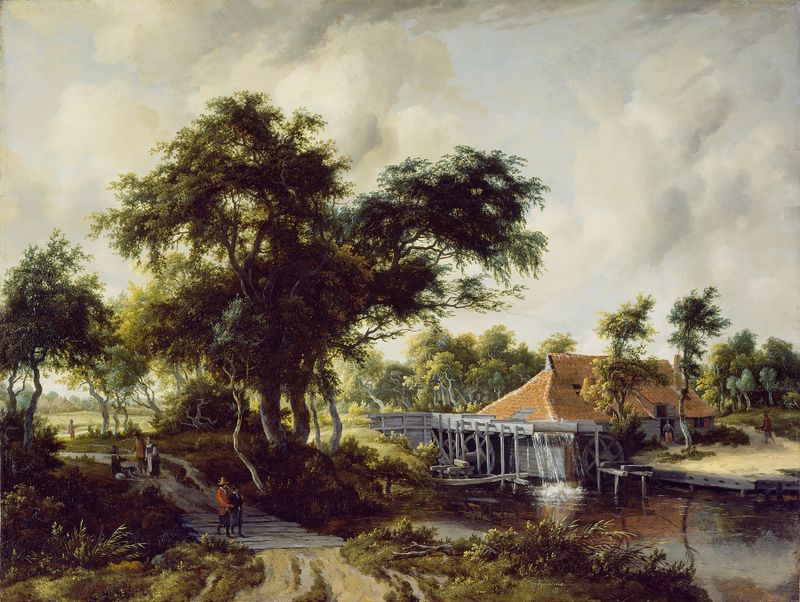
A Watermill
Meindert Hobbema
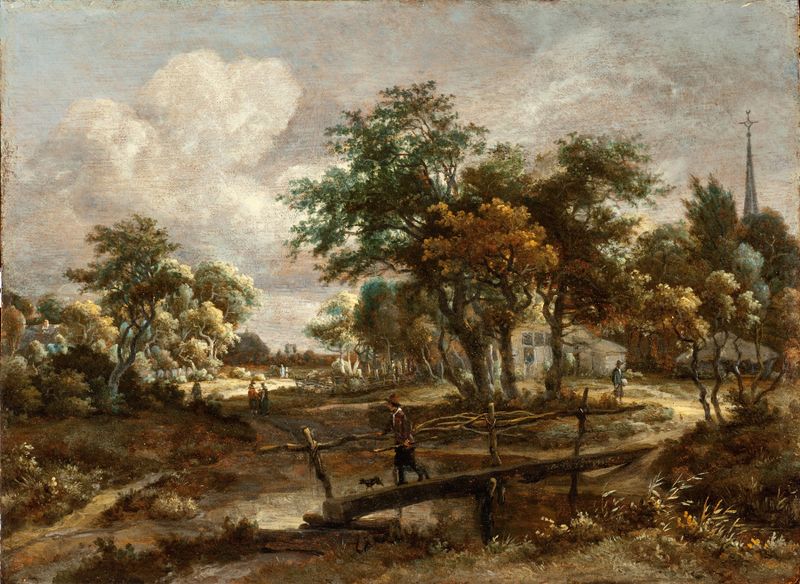
Landscape with a Footbridge
Meindert Hobbema

A Watermill
Meindert Hobbema
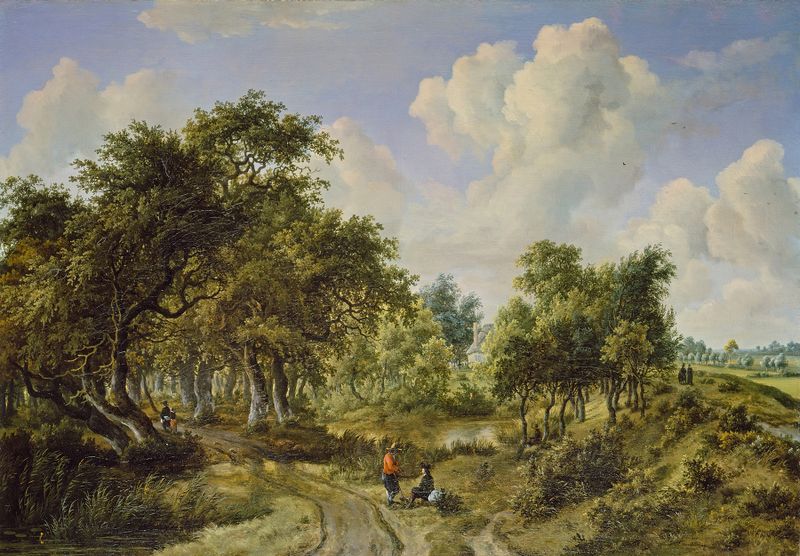
A Wooded Landscape
Meindert Hobbema

A Wooded Landscape
Meindert Hobbema
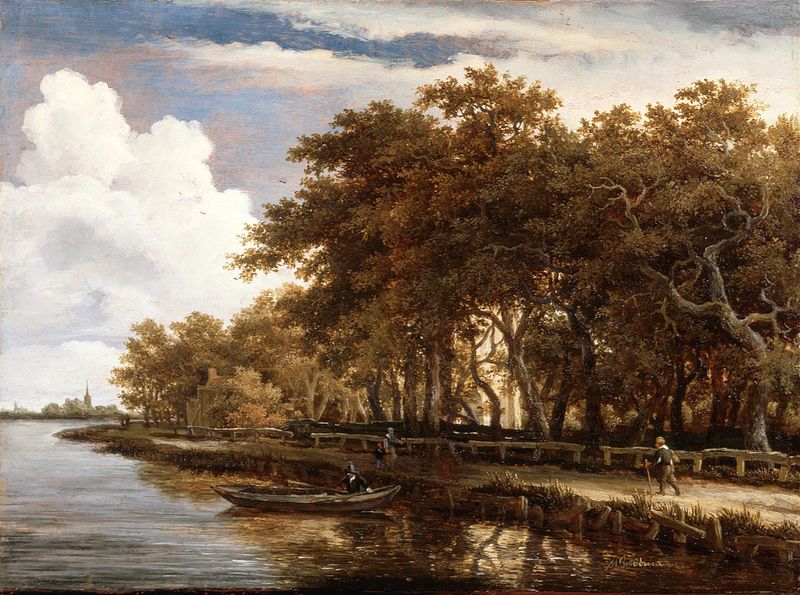
View Along the Amstel
Meindert Hobbema

The Watermill with the Great Red Roof
Meindert Hobbema

Water Mill
Meindert Hobbema





