
Daubigny’s garden — History & Facts
A gentle breeze stirs the air, rustling the bright greens of a vibrant garden. A few figures are scattered among the flowerbeds, their movements fluid, as they immerse themselves in the beauty of nature. Dappled sunlight spills through the trees, casting playful shadows that dance across the canvas, hinting at the lively spirit of this pastoral retreat. Look to the left at the sun-drenched path winding through the garden, leading your eye deeper into the foliage.
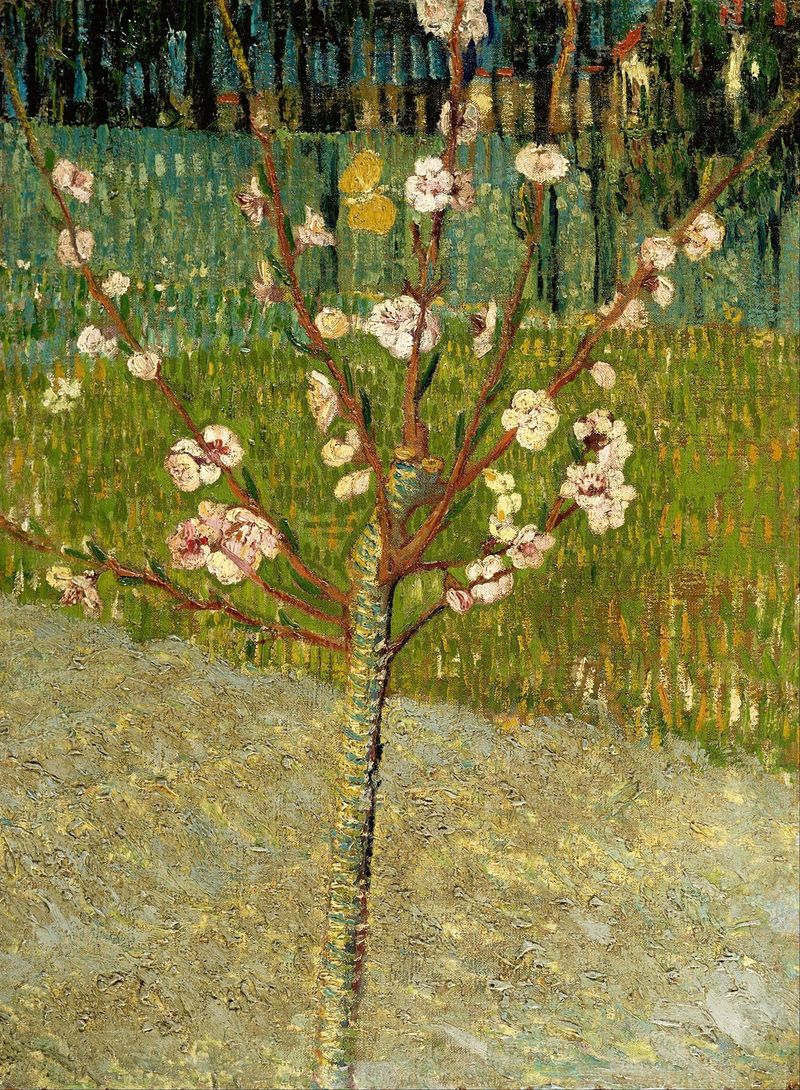
The brushwork is expressive and rhythmic, with swirls of color that evoke the lively pulse of nature. Notice how the contrasting blues and yellows play against each other, bringing depth and vibrancy to the scene. Each stroke seems to vibrate with life, capturing a moment that is both serene and dynamic. The painting subtly conveys a sense of harmony between humans and nature, suggesting an unbreakable bond.
The figures, although small and somewhat indistinct, reflect the joy and freedom found in this idyllic setting. The juxtaposition of the rigid, structured garden beds against the wildness of the surrounding flora highlights the tension between order and chaos, inviting the viewer to contemplate their own place within the natural world. During this period, van Gogh was deeply influenced by the Impressionists as he painted this work, likely in the late 1880s while living in France. He was exploring his style, seeking to capture the essence of the moment, and his use of vivid color and emotive brushwork was becoming more pronounced.
This painting represents not just a scene but also his growing understanding of movement and expression in art, as he sought to convey the vibrancy of life surrounding him.
More Artworks by Vincent van Gogh
Browse all →
Starry Night
Vincent van Gogh
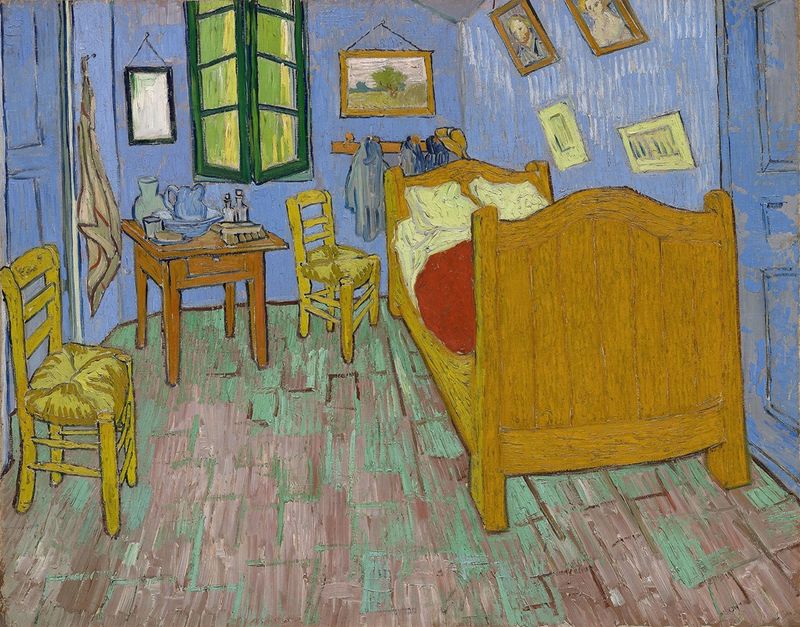
The Bedroom
Vincent van Gogh
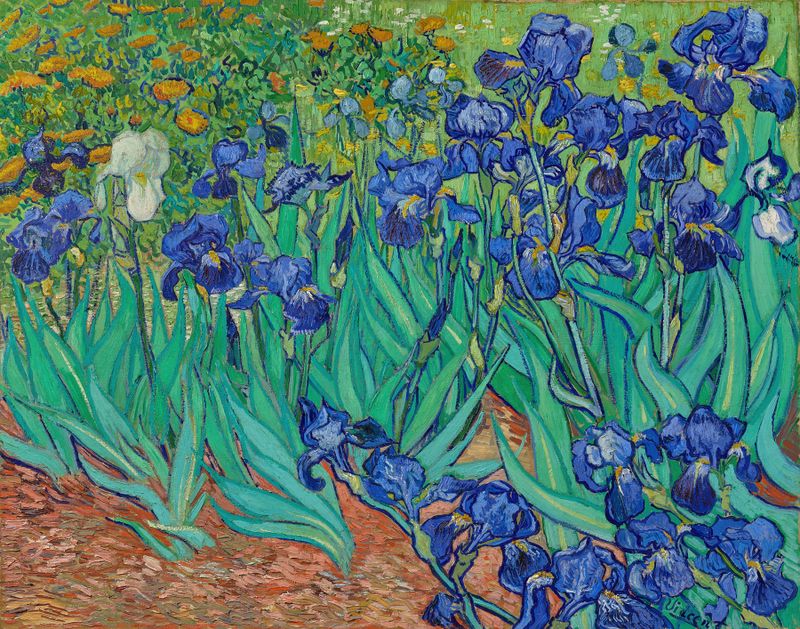
Irises
Vincent van Gogh
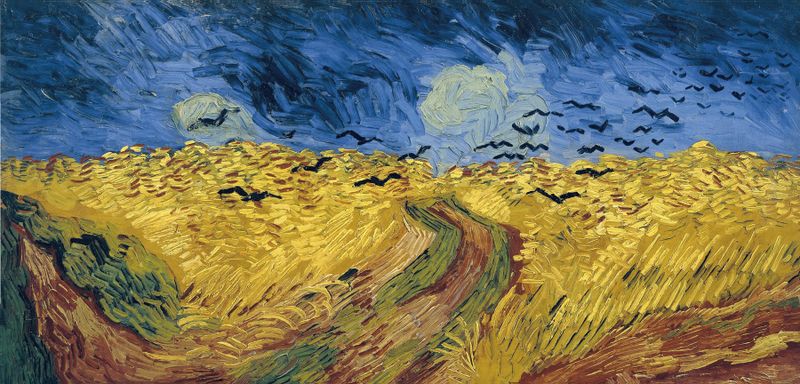
Wheatfield with Crows
Vincent van Gogh
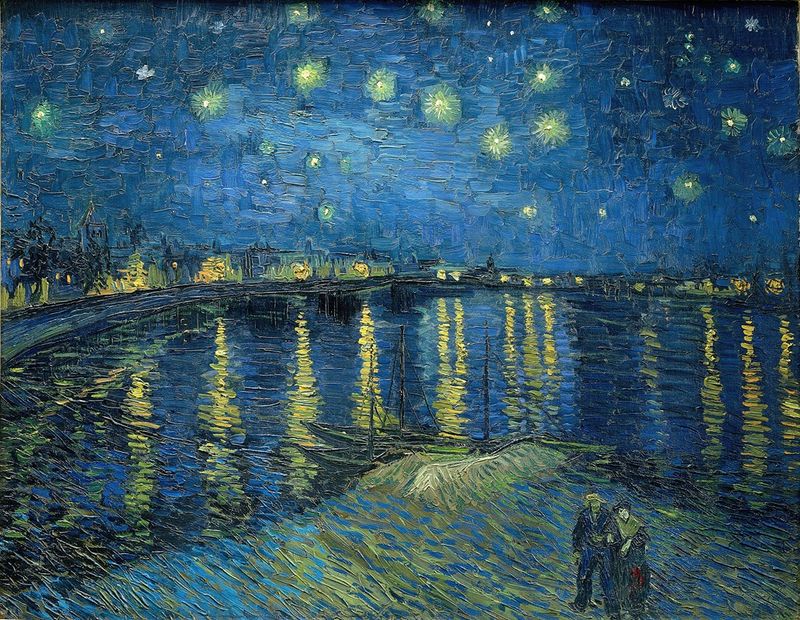
Starry Night over the Rhone
Vincent van Gogh

The yellow house
Vincent van Gogh
Almond tree in blossom
Vincent van Gogh

Portrait of Dr Gachet
Vincent van Gogh

The Church in Auvers-sur-Oise, View from the Chevet
Vincent van Gogh

Self-Portrait
Vincent van Gogh





