
Dawn in the Rockies — History & Facts
In the vast realm of nature, the void transforms into a resounding symphony of color and light, inviting the viewer to embrace its splendor. Look to the left of the canvas, where towering mountain peaks rise majestically against a softening sky. The delicate palette of blues, oranges, and yellows creates a breathtaking dawn, with light cascading over the rugged terrain. Notice how the artist's meticulous brushstrokes capture the texture of the rocks and the gentle ripples of the lake below, creating a harmonious balance between the static and the fluid.
The interplay of light and shadow breathes life into the landscape, drawing your eye towards the horizon, where possibilities seem endless. At first glance, the scene seems tranquil, yet beneath this serene exterior lies a tension between the vastness of nature and the fragility of existence. The vibrant colors symbolize rebirth and renewal, while the looming mountains can evoke feelings of isolation and the sublime. The shimmering water, reflecting the awakening sky, suggests a sense of duality—a transient moment caught between night and day, chaos and calm. Created in 1869, this masterwork emerged during a period of significant change for its creator.
Albert Bierstadt painted it while deeply immersed in the Hudson River School movement, which celebrated America’s natural landscapes. The nation was still grappling with the aftermath of the Civil War, and Bierstadt aimed to convey the beauty and grandeur of the American West, instilling a sense of hope and reverence for the natural world.
More Artworks by Albert Bierstadt
Browse all →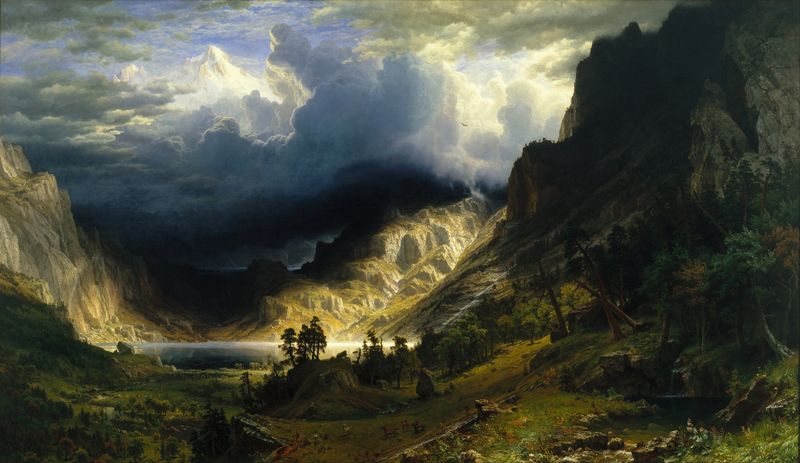
A Storm in the Rocky Mountains, Mt. Rosalie
Albert Bierstadt
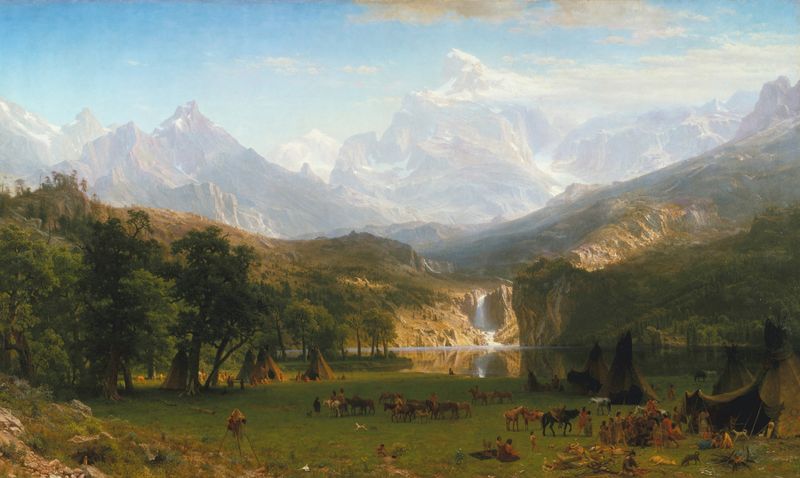
The Rocky Mountains, Lander’s Peak
Albert Bierstadt
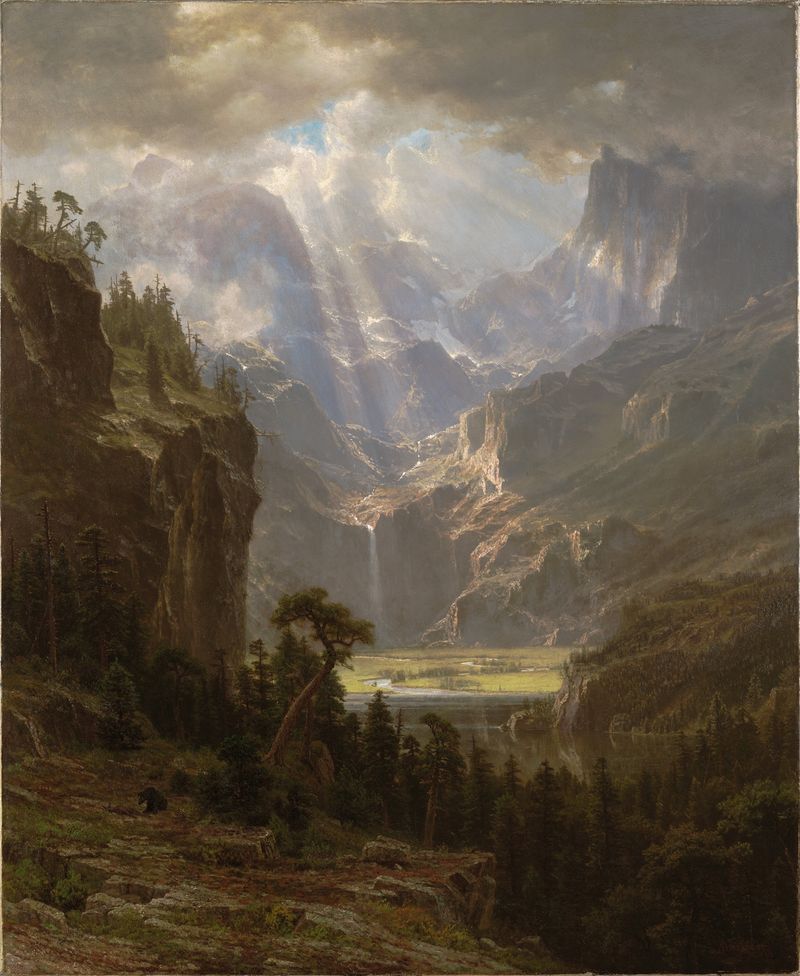
Rocky Mountains, Lander’s Peak
Albert Bierstadt
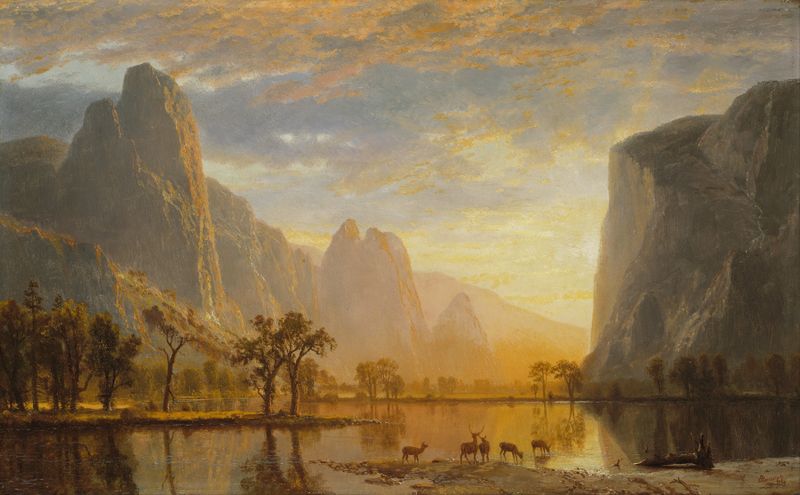
Valley of the Yosemite
Albert Bierstadt
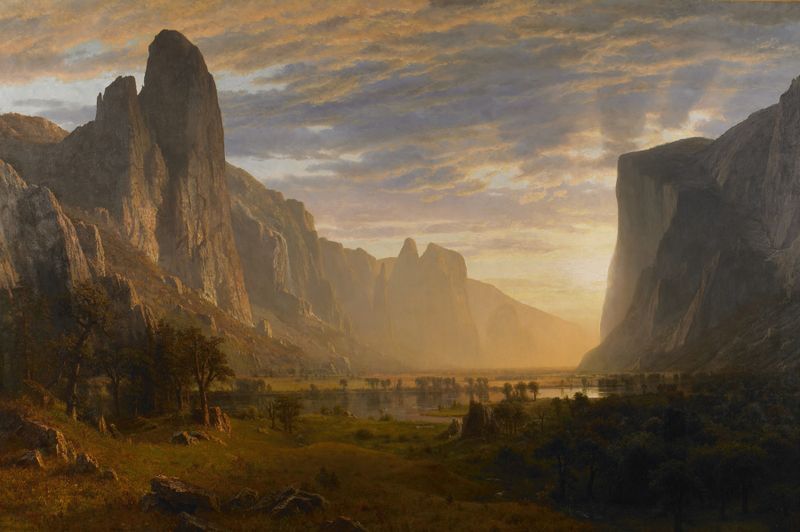
Looking Down Yosemite Valley, California
Albert Bierstadt
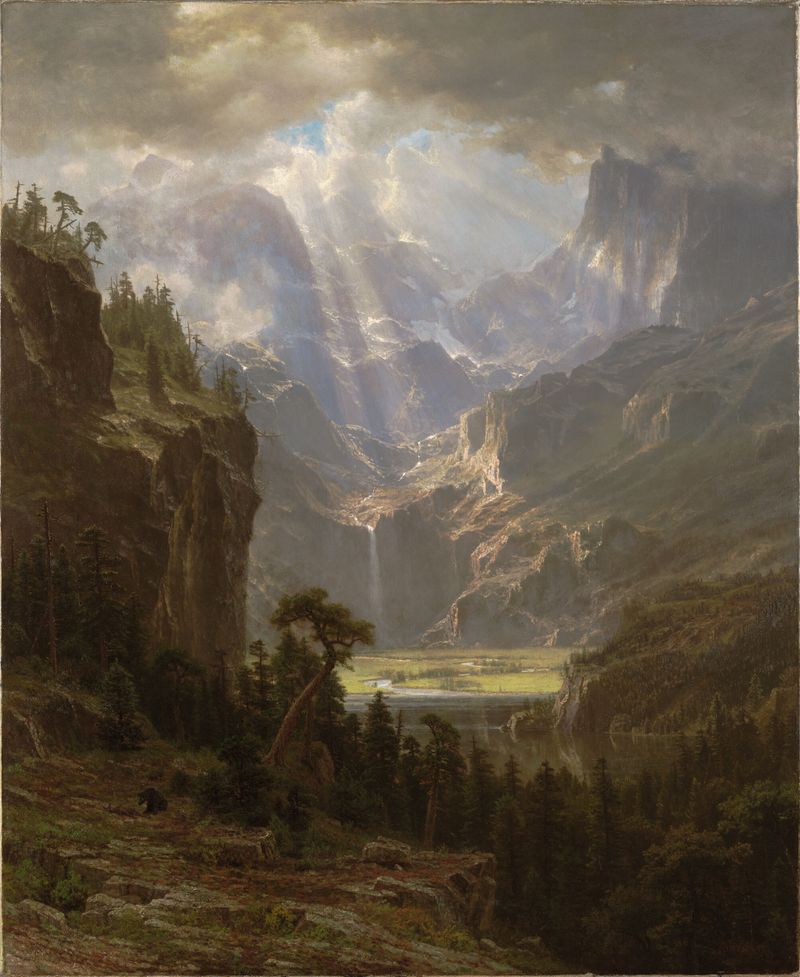
Rocky Mountains, "Lander's Peak"
Albert Bierstadt
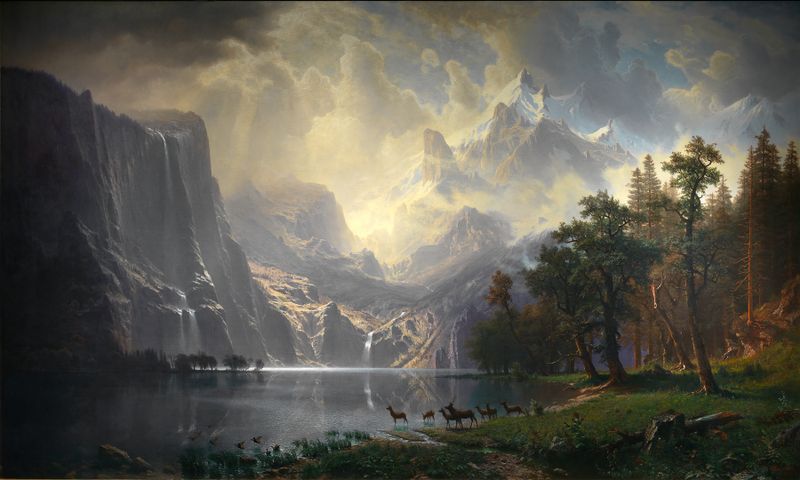
Among the Sierra Nevada, California
Albert Bierstadt
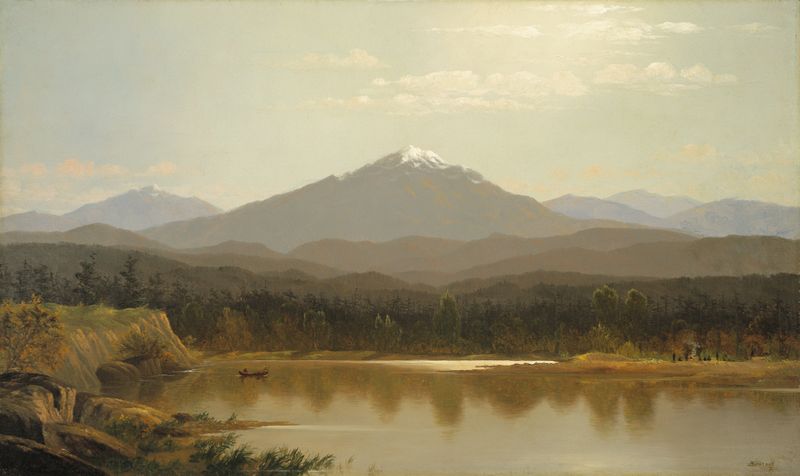
Laramie Peak
Albert Bierstadt
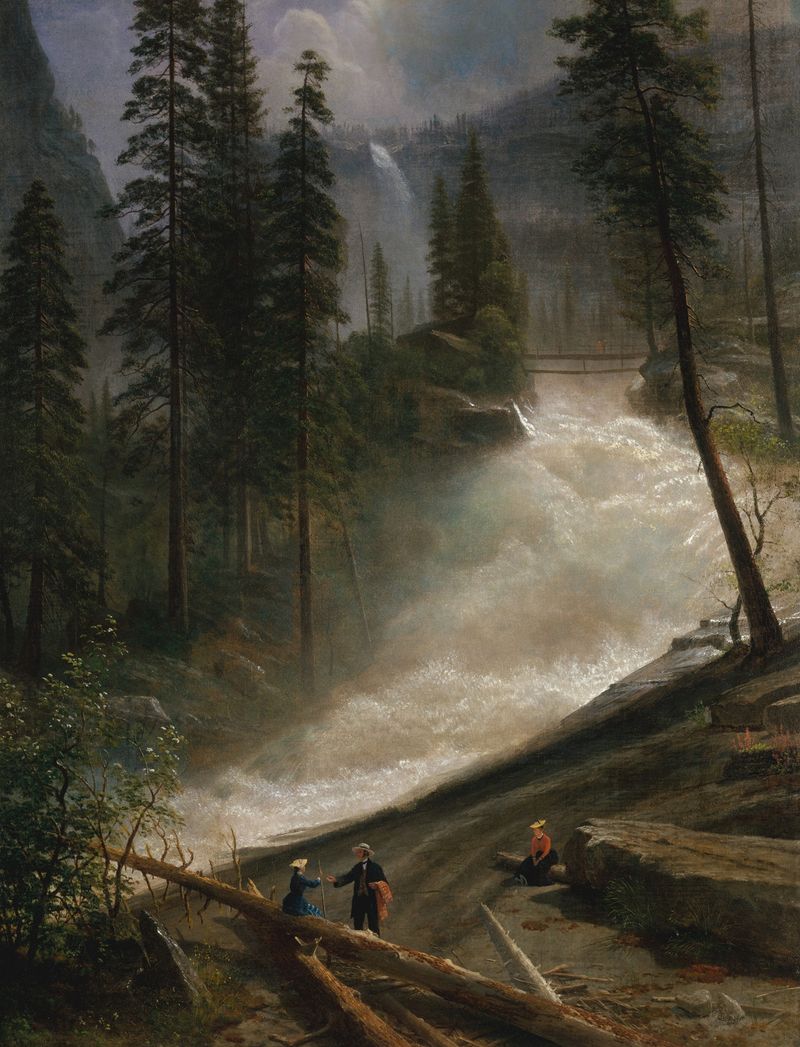
Nevada Falls, Yosemite
Albert Bierstadt
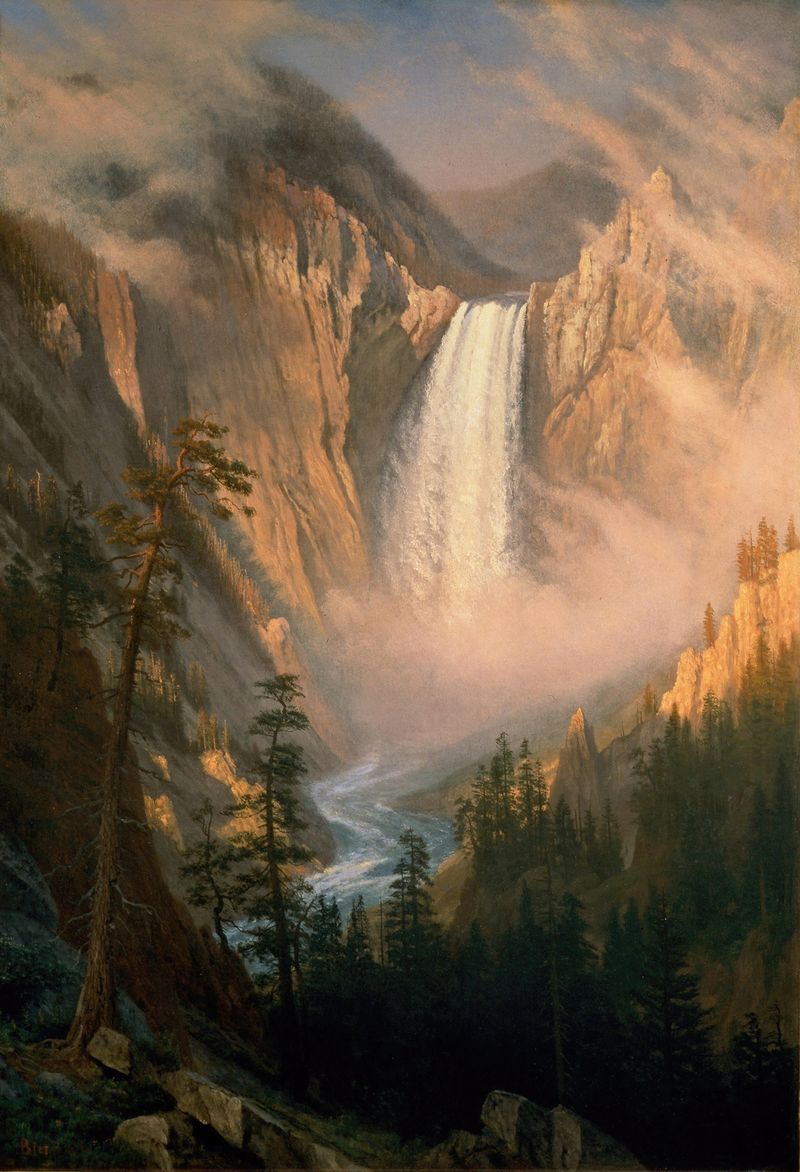
Yellowstone Falls
Albert Bierstadt





