
De aanbidding der koningen — History & Facts
In a moment suspended between celebration and sorrow, De aanbidding der koningen captures the bittersweet essence of human longing and devotion. It speaks to the heart's capacity to ache for what once was and what might have been. Focus on the central figures, three kings adorned in opulent robes, kneeling before the divine infant. Notice how the light cascades over their richly embroidered garments, creating a stunning contrast with the shadowy background.
The delicate details in their expressions convey reverence, yet beneath their majestic postures lies an underlying tension—an emotional weight that renders the scene paradoxically solemn. The golden hues blend seamlessly with the somber blues, a rich palette that evokes both celebration and mourning. Here, within the intricacies of fabric and gesture, whispers of loss emerge. The kings’ gifts, though grand, symbolize the futility of materialism in the face of divine presence.
Their gazes, filled with both awe and grief, reflect the inevitability of sacrifice. Each element, from the gilded crowns to the outstretched hands, serves as a reminder of mortality, a contrast between the glory of the moment and the ephemeral nature of life itself. In 1513, Lucas van Leyden crafted this piece during a time of burgeoning artistic innovation and personal ambition in the Netherlands. He was navigating the complexities of his emerging reputation amid the early Renaissance's exploration of humanism and emotion in art.
As he painted, the world around him was awakening to new ideas, yet the shadows of personal loss and collective struggle loomed large, echoing through his work.
More Artworks by Lucas van Leyden
Browse all →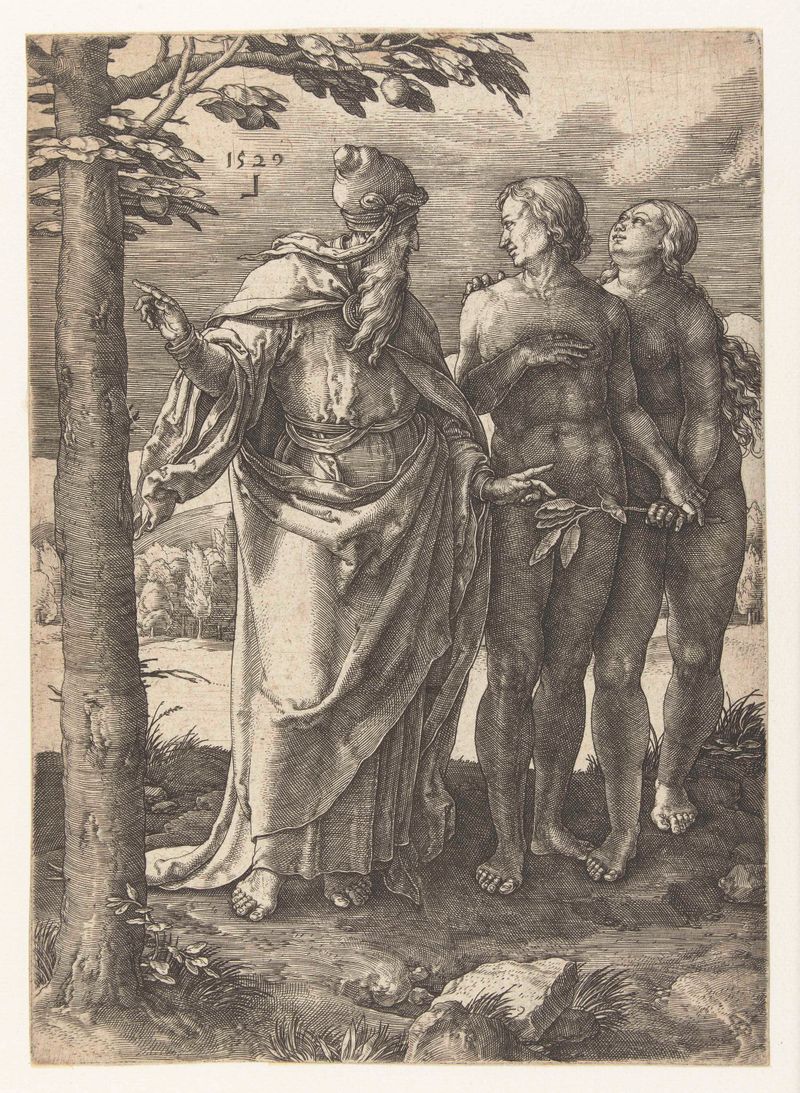
Het eerste verbod
Lucas van Leyden
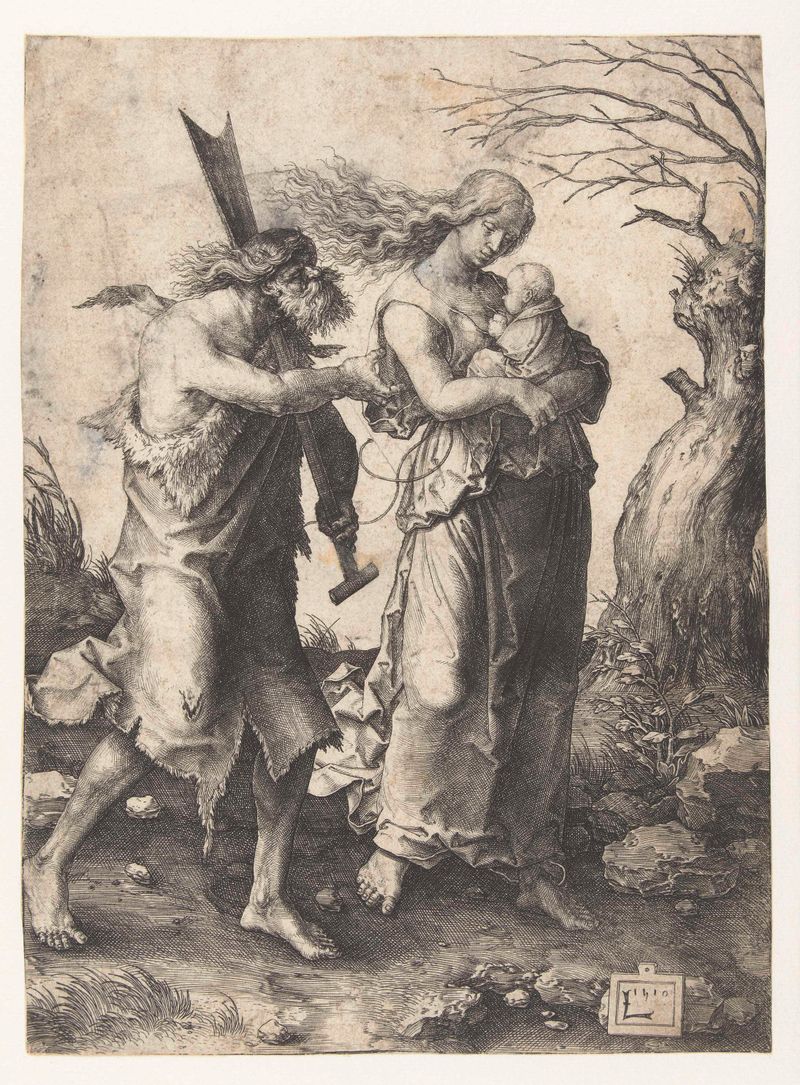
Adam en Eva na de verdrijving uit het paradijs
Lucas van Leyden
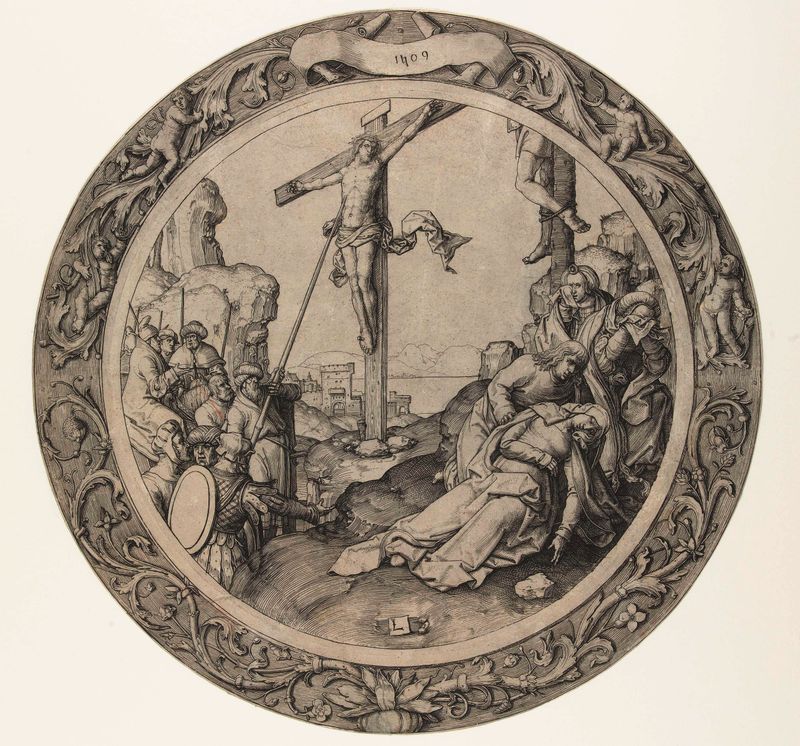
De kruisiging
Lucas van Leyden
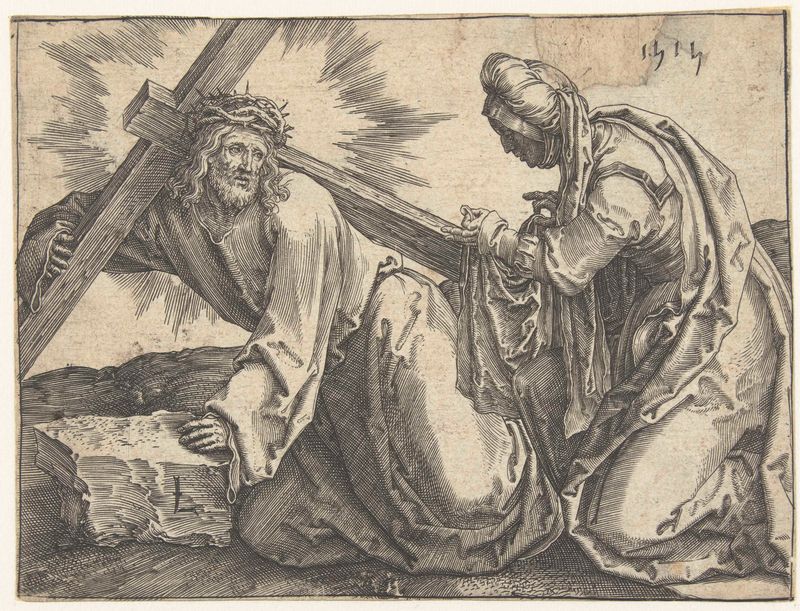
Kruisdraging
Lucas van Leyden
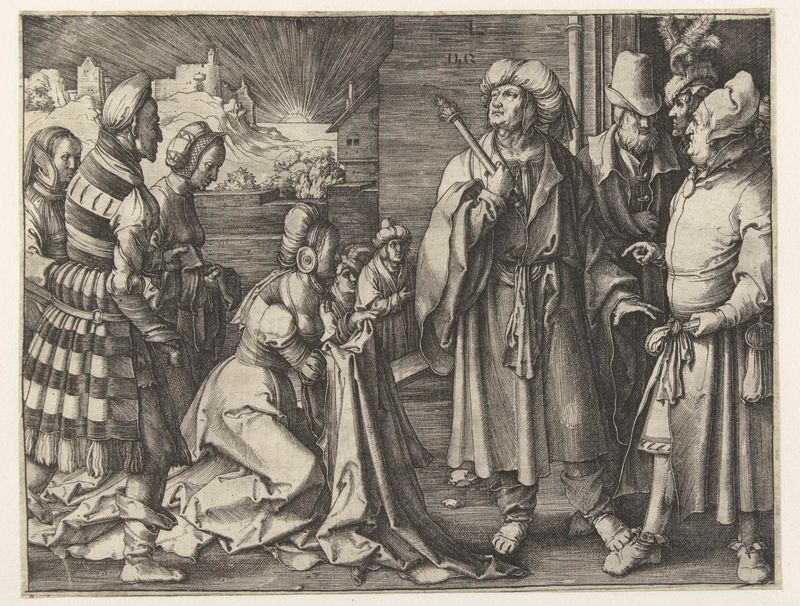
De vrouw van Potifar beschuldigt Jozef
Lucas van Leyden
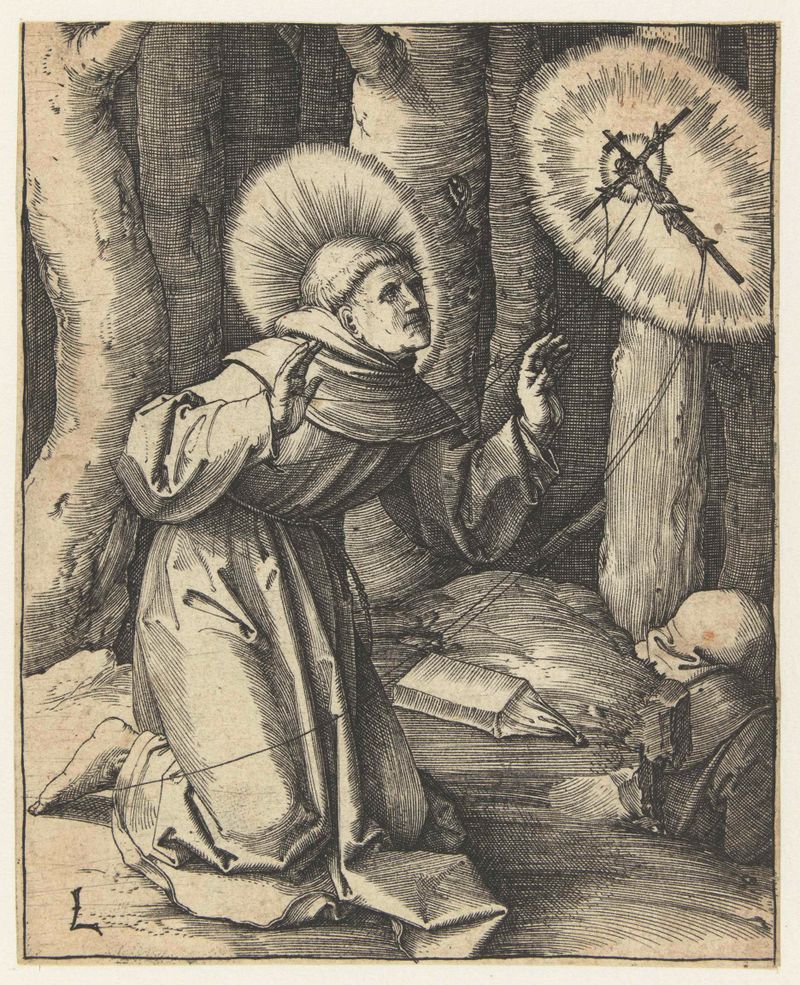
De stigmatisatie van de heilige Franciscus
Lucas van Leyden
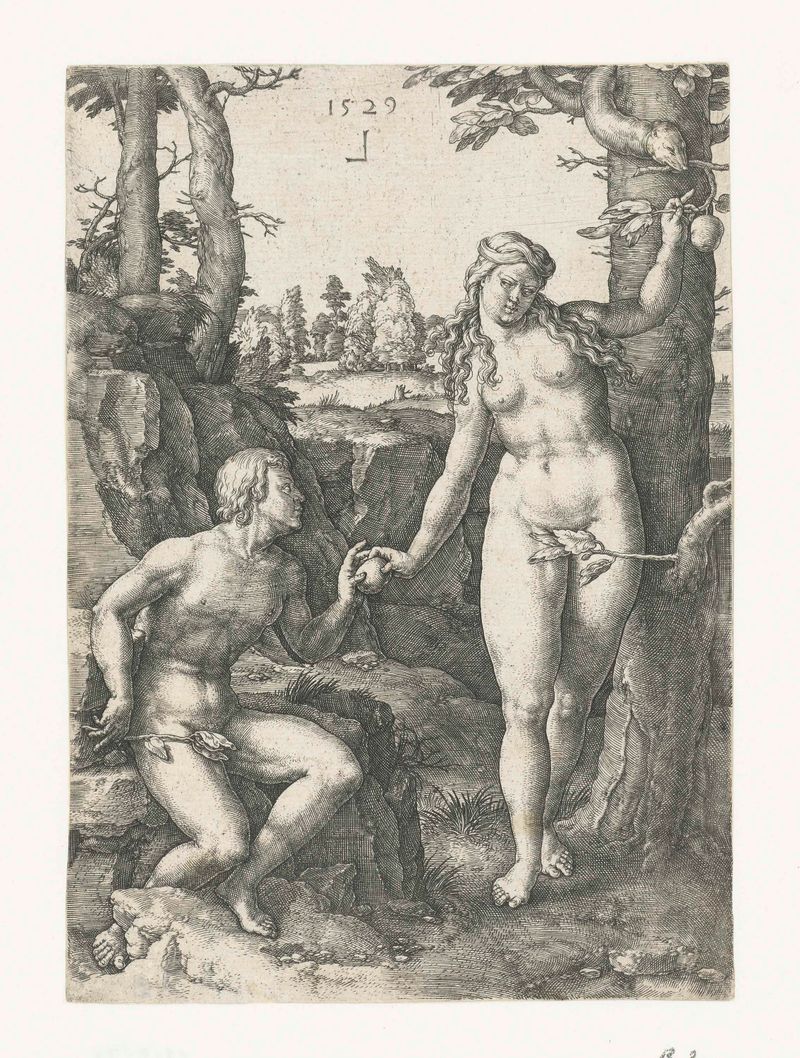
De zondeval
Lucas van Leyden
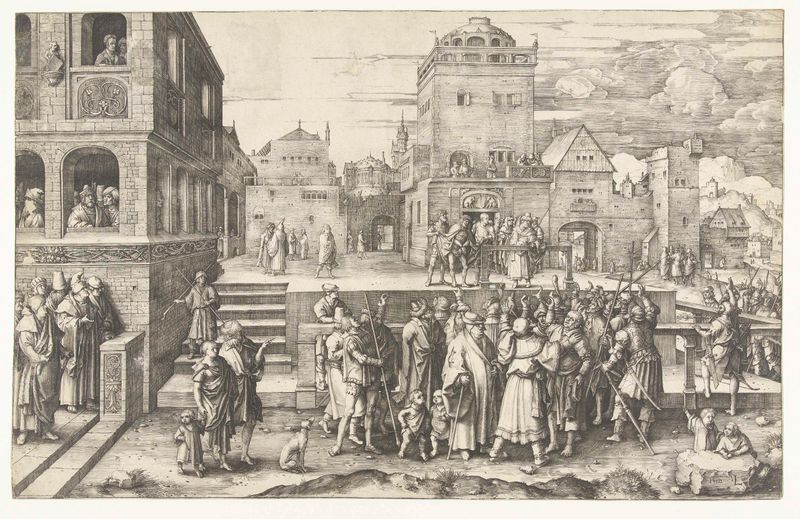
De grote Ecce Homo
Lucas van Leyden
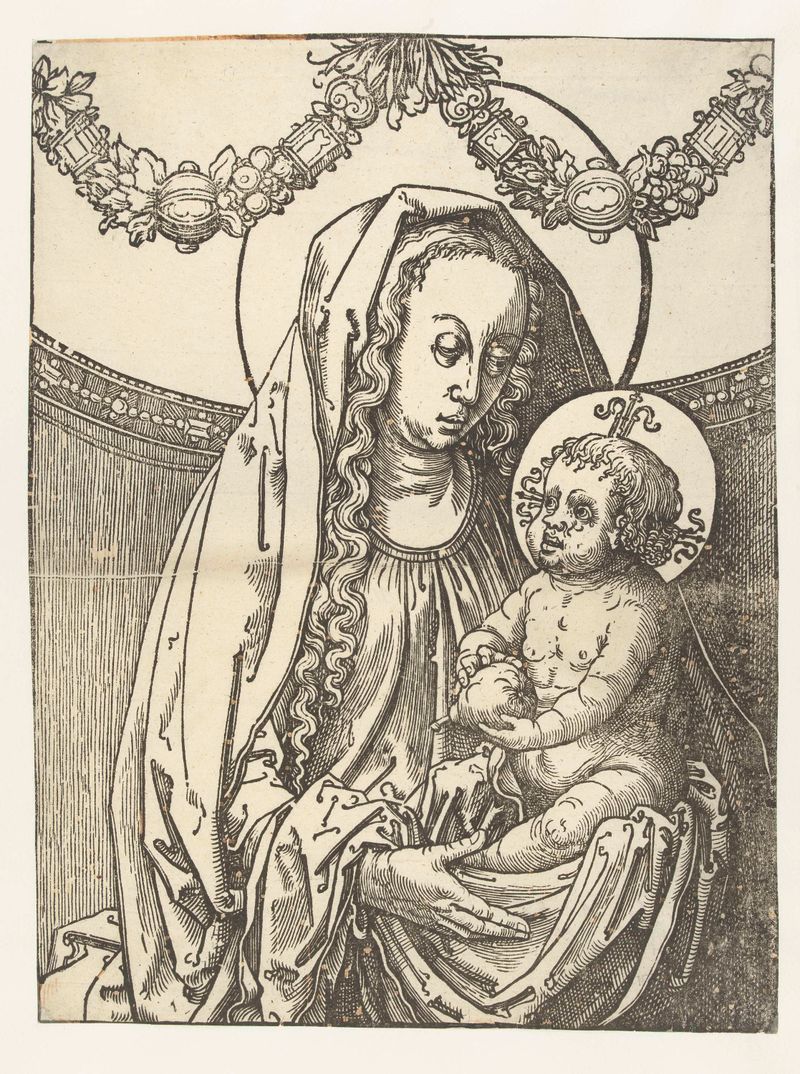
Maria met kind
Lucas van Leyden

Doornenkroning
Lucas van Leyden
More Religious Art
Browse all →
The Return of the Prodigal Son
Rembrandt van Rijn

The Garden of Earthly Delights
El Bosco

Count Orgaz’ funeral
El Greco

The Hundred Guilder Print: the central piece with Christ preaching, the plate arched
Rembrandt van Rijn

The Descent from the Cross
Rogier van der Weyden

The return of the prodigal son
Rembrandt van Rijn