
De apostel Andreas — History & Facts
Who listens when art speaks of silence? In the stillness of De apostel Andreas, every contour whispers a story, urging the viewer to engage in a dialogue that transcends mere observation. Look closely at the figure of Andreas, his expression a serene blend of contemplation and devotion. The soft glow of light caresses his face, illuminating the textures of his garments, while deep shadows create a dramatic contrast against the muted backdrop. Notice how the artist carefully positioned the apostle’s hands, as if they are poised mid-gesture, capturing a moment before a profound revelation.
The rich, earthy palette enhances the solemn atmosphere, inviting your gaze to linger on this sacred moment. The delicate interplay between light and shadow speaks volumes about the emotional tension present in the work. The silence surrounding Andreas suggests a profound inner strength, hinting at his unwavering faith even in solitude. The subtle folds of his robe convey not just fabric but also a sense of spiritual weight, as though they are imbued with the history of those who have come before him.
Each detail, from the gentle tilt of his head to the calm of his posture, evokes a deeper understanding of the connection between the divine and the human experience. Created in the early 16th century, during a period rich with religious upheaval and artistic innovation, this piece reflects the evolving style of its creator, who was deeply influenced by humanist ideals. Lucas van Leyden, a prominent figure in Dutch painting, was navigating a world where art began to mirror human emotion and introspection more closely. During these years, he was exploring themes of spirituality and reverence in a manner that would establish his legacy as an artist attuned to the complexities of faith and humanity.
More Artworks by Lucas van Leyden
Browse all →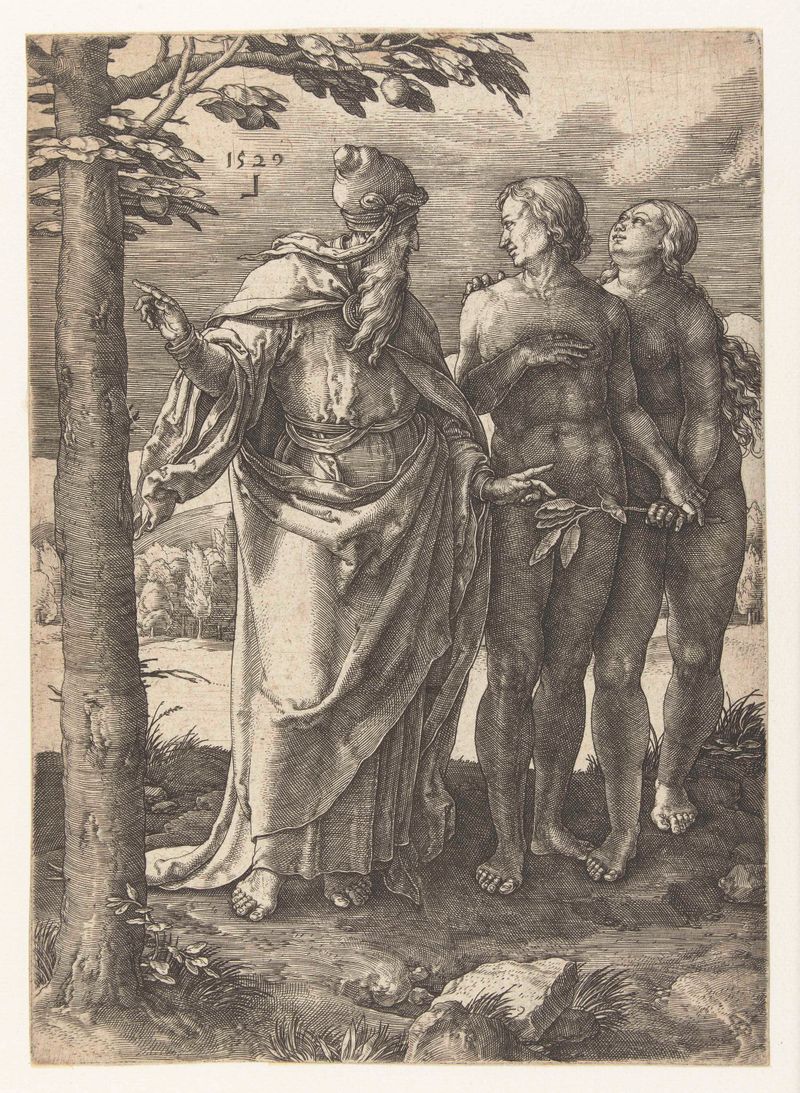
Het eerste verbod
Lucas van Leyden
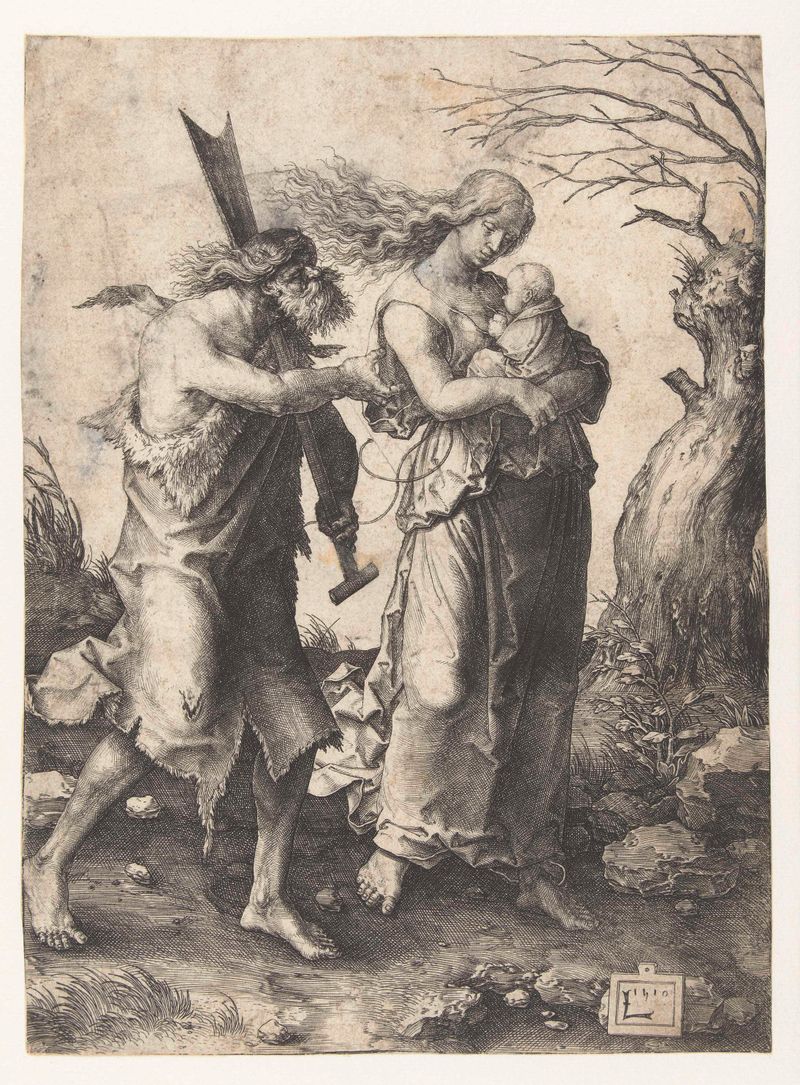
Adam en Eva na de verdrijving uit het paradijs
Lucas van Leyden
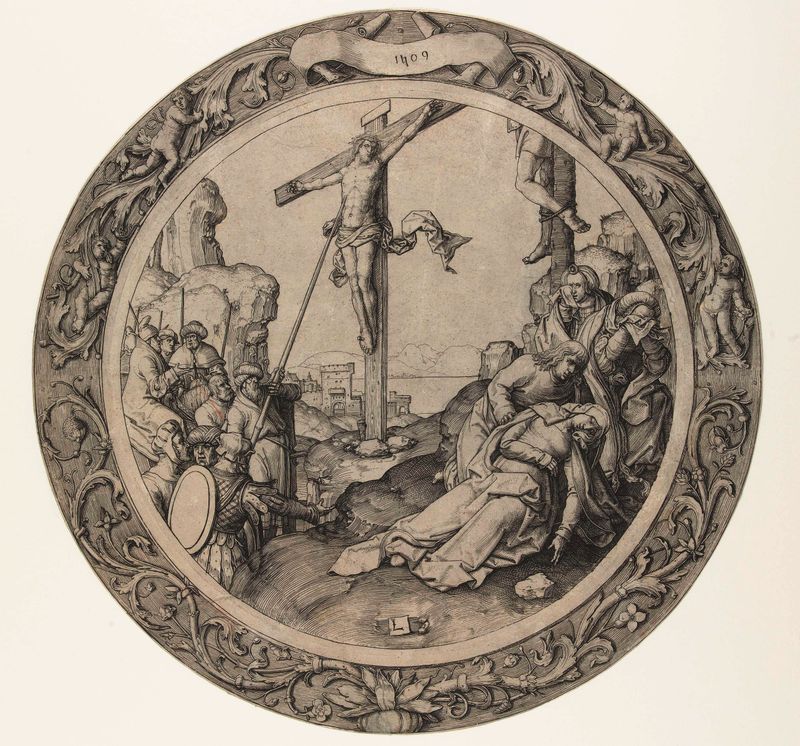
De kruisiging
Lucas van Leyden
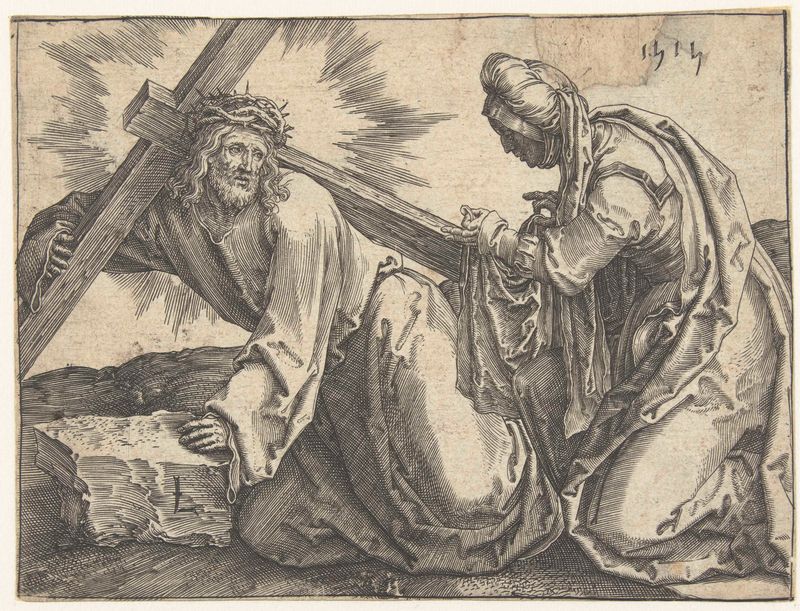
Kruisdraging
Lucas van Leyden
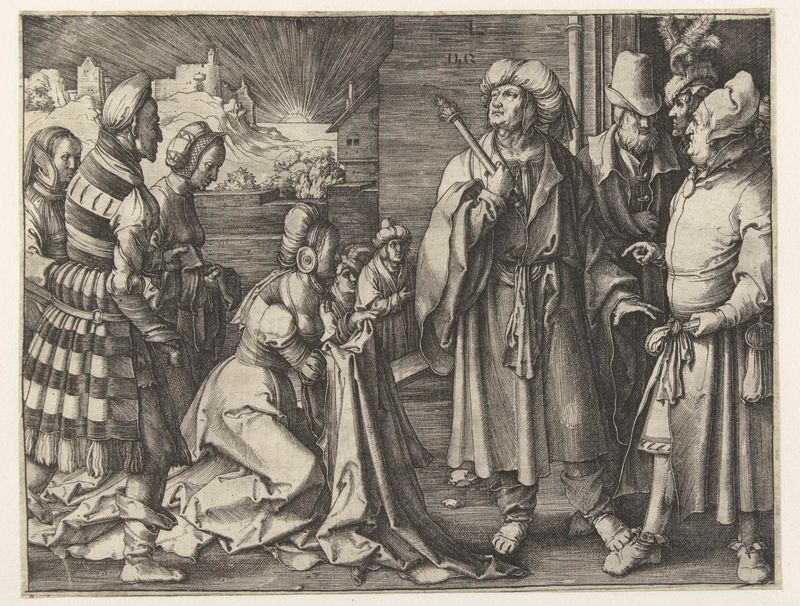
De vrouw van Potifar beschuldigt Jozef
Lucas van Leyden
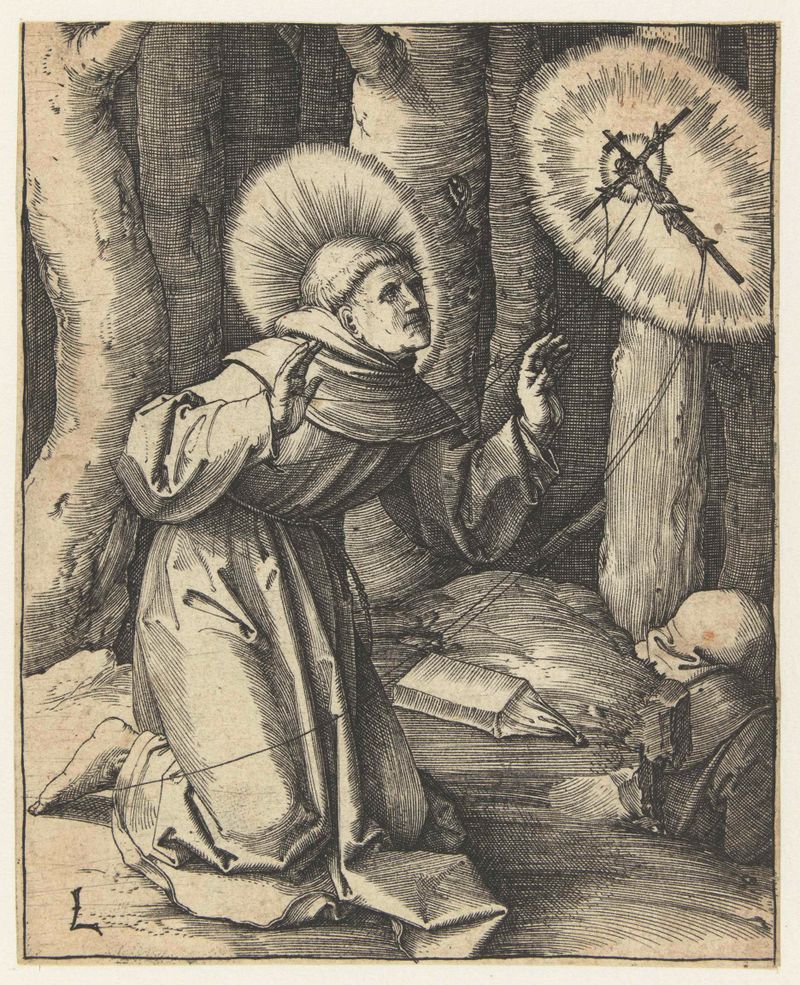
De stigmatisatie van de heilige Franciscus
Lucas van Leyden
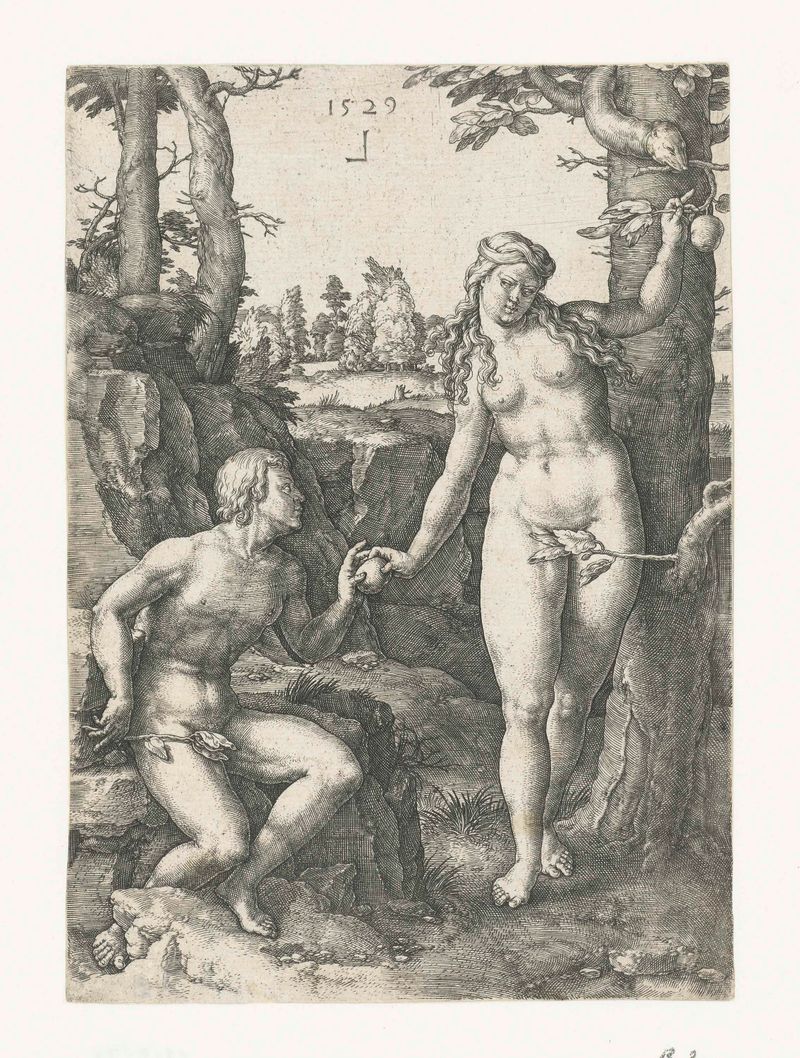
De zondeval
Lucas van Leyden
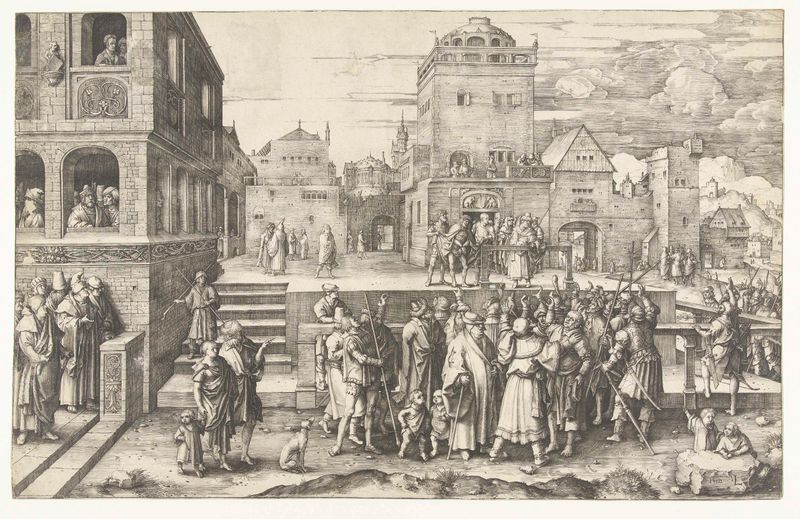
De grote Ecce Homo
Lucas van Leyden
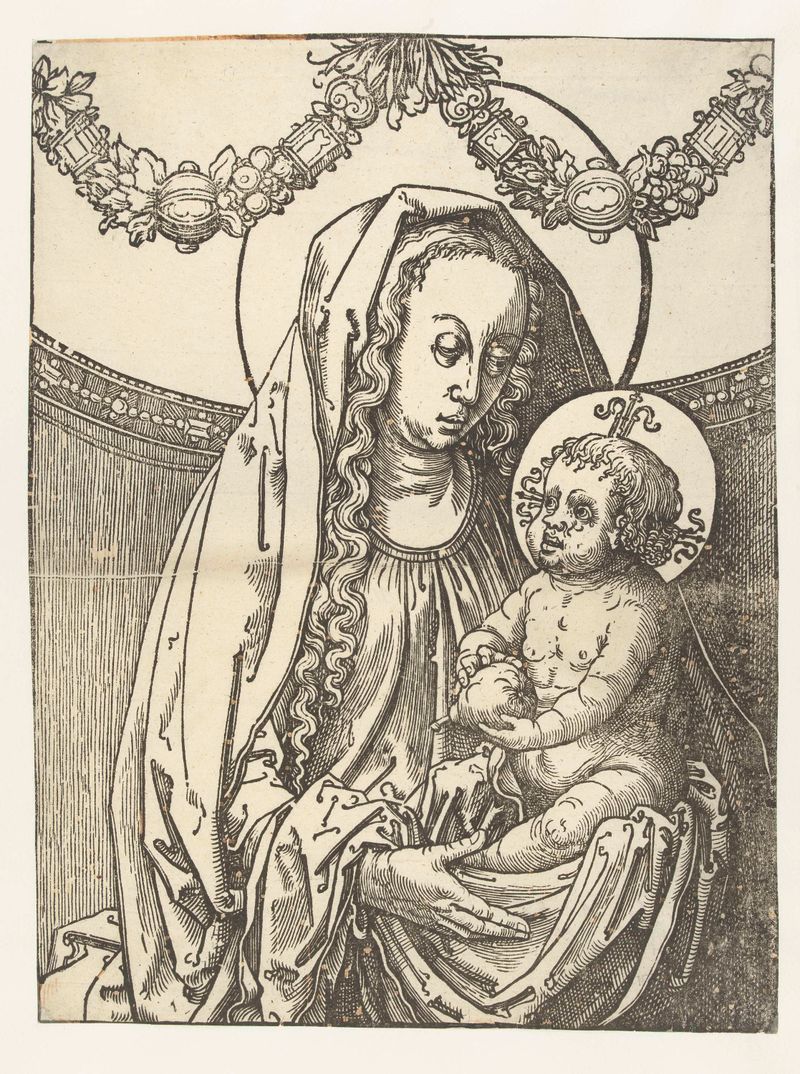
Maria met kind
Lucas van Leyden

Doornenkroning
Lucas van Leyden
More Religious Art
Browse all →
The Return of the Prodigal Son
Rembrandt van Rijn

The Garden of Earthly Delights
El Bosco

Count Orgaz’ funeral
El Greco

The Hundred Guilder Print: the central piece with Christ preaching, the plate arched
Rembrandt van Rijn

The Descent from the Cross
Rogier van der Weyden

The return of the prodigal son
Rembrandt van Rijn