
De apostel Bartholomeüs — History & Facts
Is this a mirror — or a memory? In De apostel Bartholomeüs, a visual testament to faith emerges, inviting introspection and reverence. Look to the left, where Bartholomew's tranquil visage draws you in; the soft contours of his face are illuminated by an ethereal light, accentuating his serene expression. The play of shadow and light creates a three-dimensional depth, emphasizing the folds of his robe, rich in earth tones that contrast with the delicate highlights. Notice how the intricate details of the background—a finely wrought tapestry—frame the apostle, suggesting a sacred space that is both real and transcendent. Beneath the surface, the painting suggests a struggle between earthly existence and spiritual conviction.
The apostle's gaze, steady yet distant, hints at an internal journey, a wrestling with his faith that resonates universally. The juxtaposition of his calm demeanor against the tumultuous swirls of the background may symbolize the chaos of the world outside, while his stillness embodies a profound trust. Each brushstroke whispers of devotion, imbuing the figure with an almost palpable sense of purpose. Created between 1508 and 1512, Lucas van Leyden painted this work during a period of artistic innovation in the Northern Renaissance.
At the time, he was establishing himself as a master of both painting and engraving in Leiden, a city that flourished as a hub of art and culture. The period was marked by a growing interest in humanism and the complexities of faith, reflecting the tensions and triumphs of the spiritual journey that would resonate through generations.
More Artworks by Lucas van Leyden
Browse all →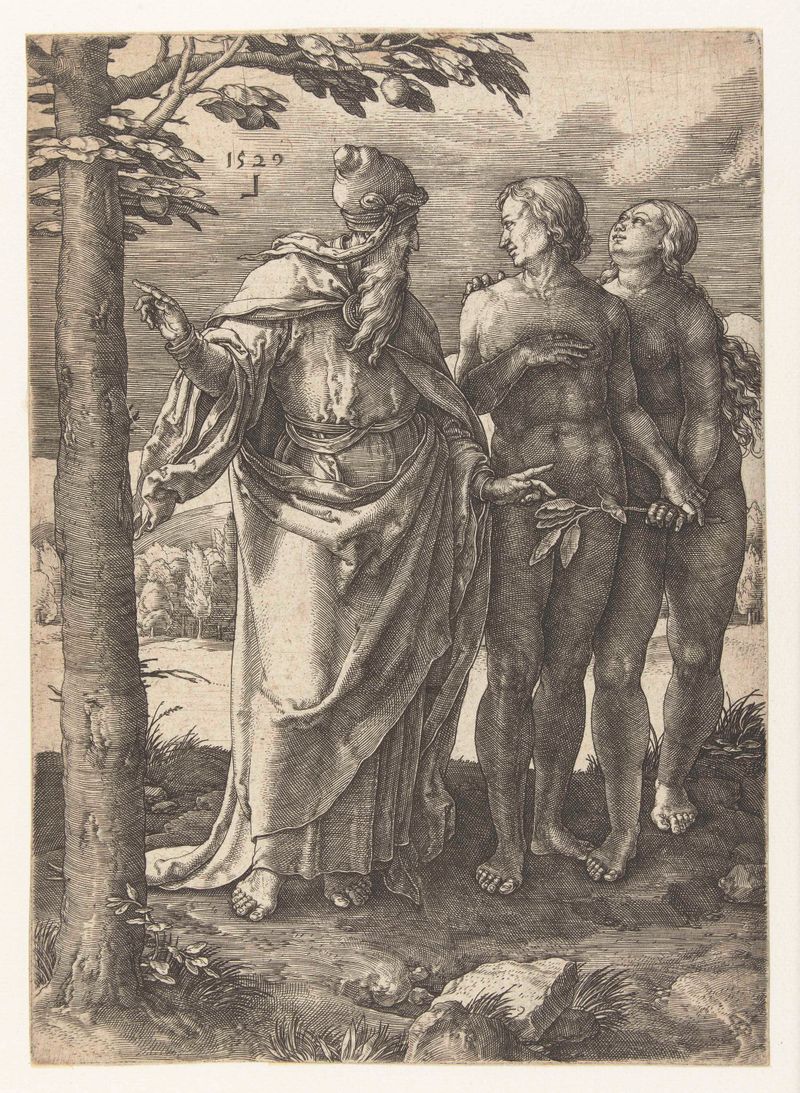
Het eerste verbod
Lucas van Leyden
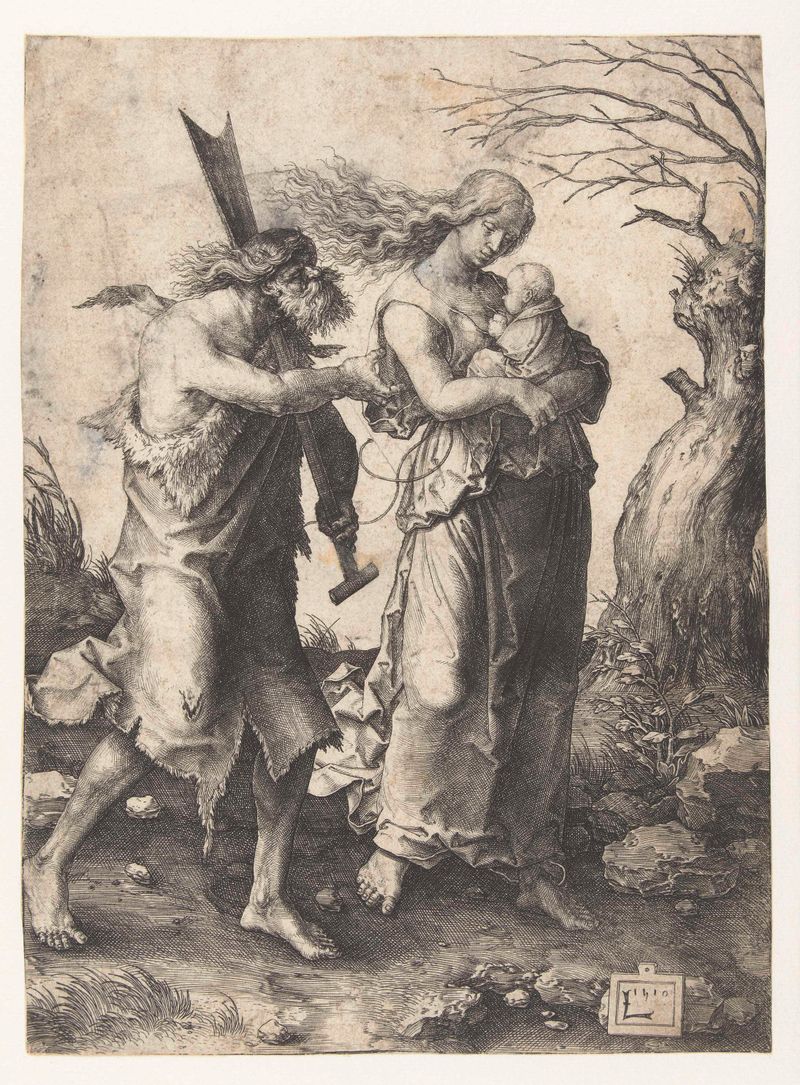
Adam en Eva na de verdrijving uit het paradijs
Lucas van Leyden
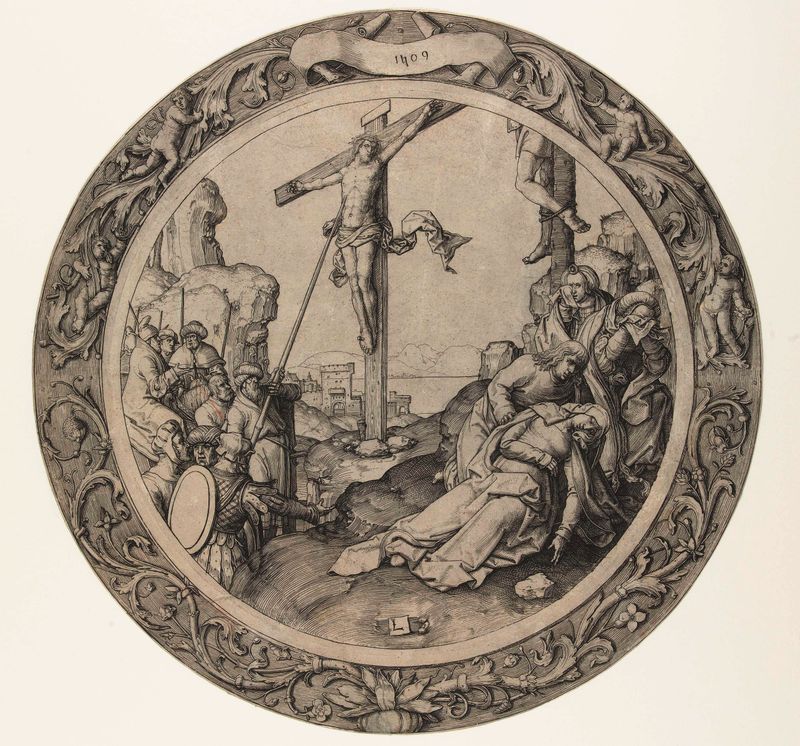
De kruisiging
Lucas van Leyden
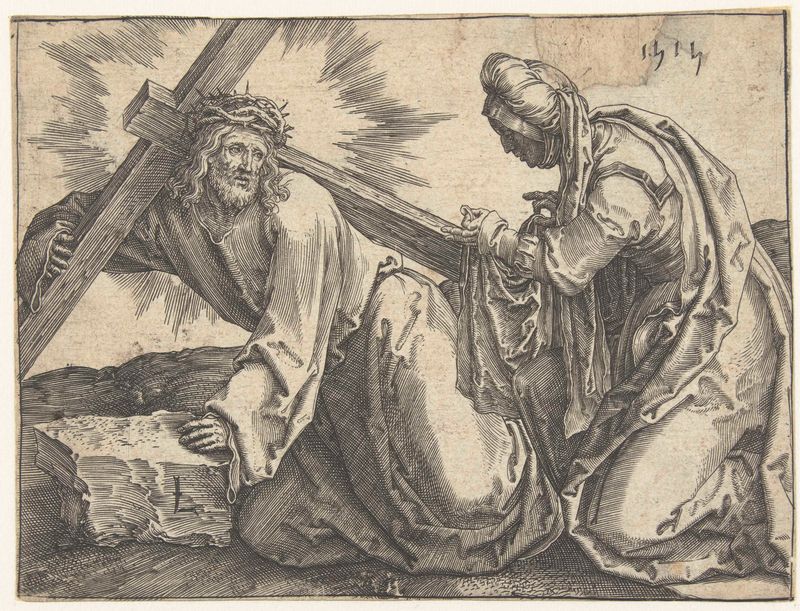
Kruisdraging
Lucas van Leyden
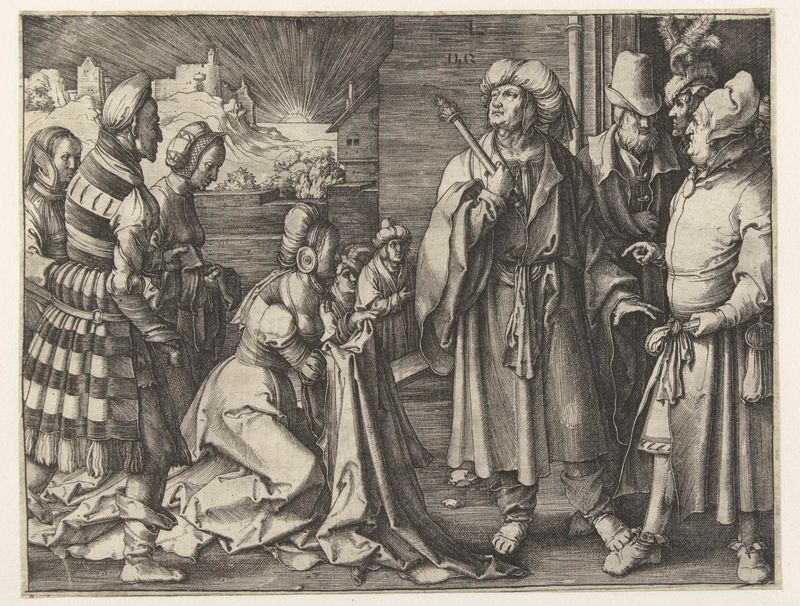
De vrouw van Potifar beschuldigt Jozef
Lucas van Leyden
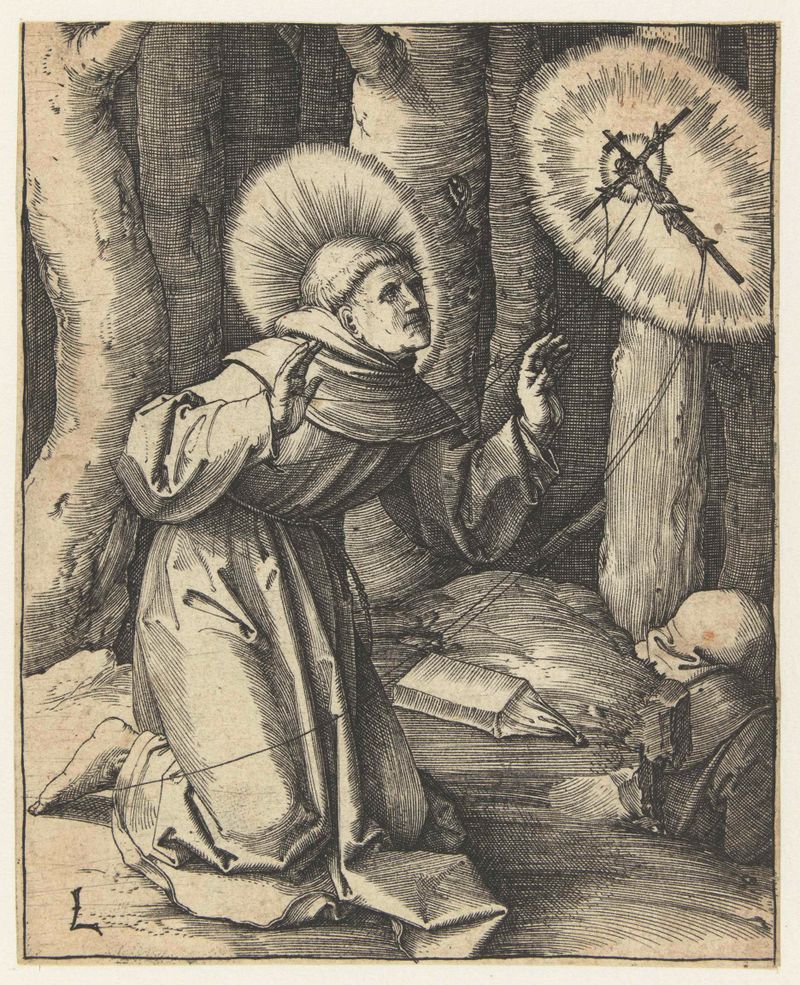
De stigmatisatie van de heilige Franciscus
Lucas van Leyden
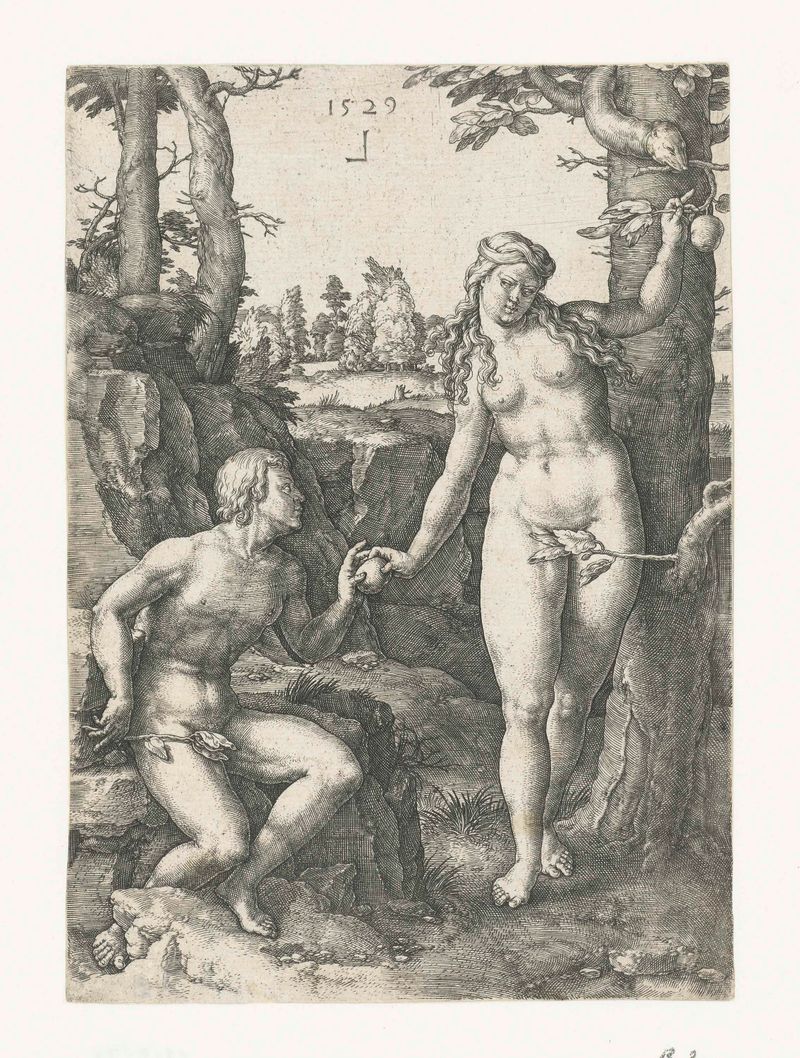
De zondeval
Lucas van Leyden
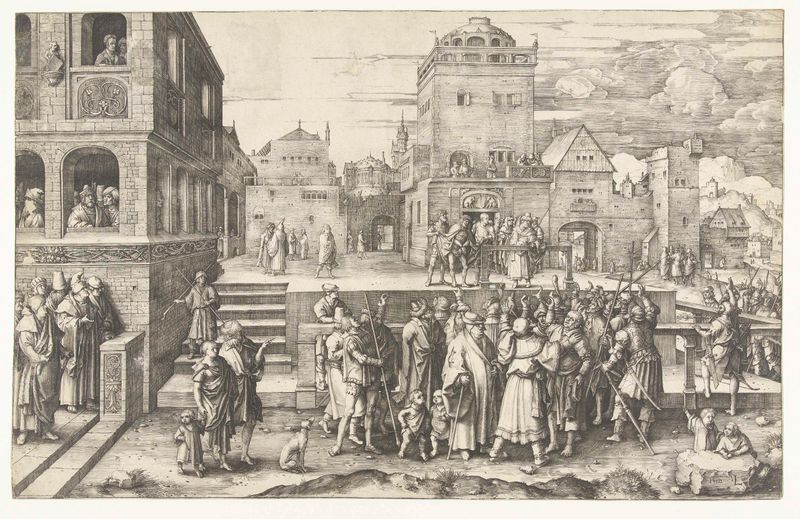
De grote Ecce Homo
Lucas van Leyden
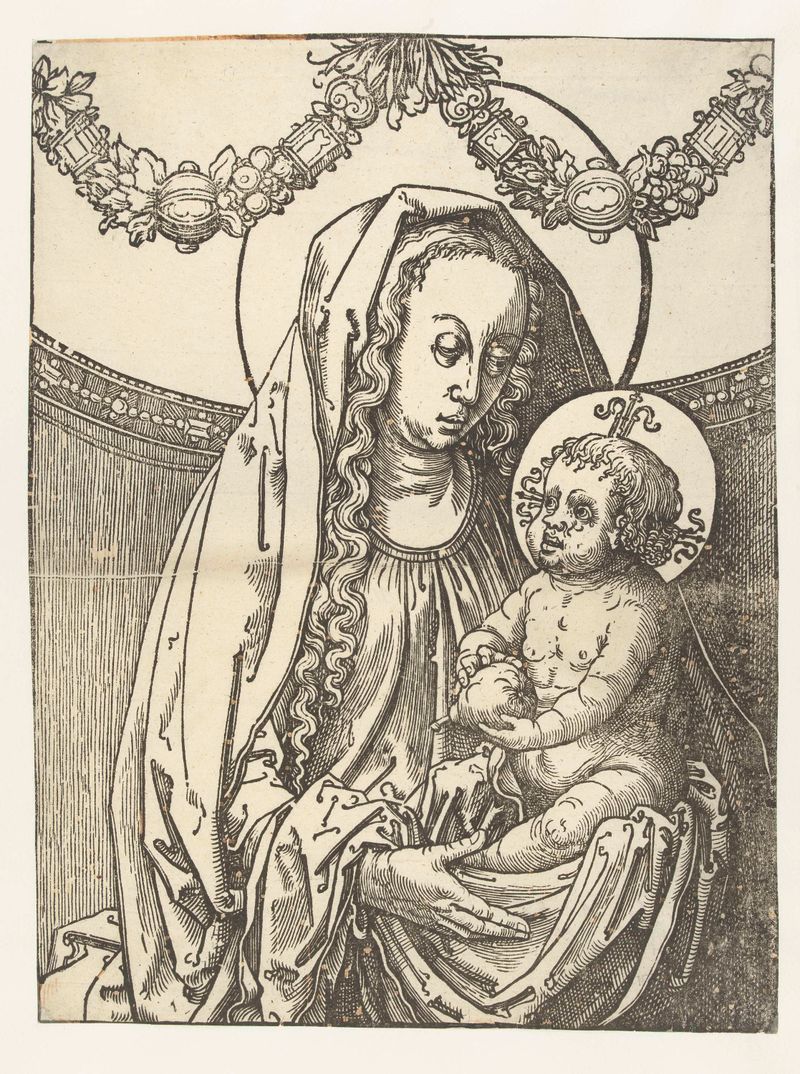
Maria met kind
Lucas van Leyden

Doornenkroning
Lucas van Leyden
More Religious Art
Browse all →
The Return of the Prodigal Son
Rembrandt van Rijn

The Garden of Earthly Delights
El Bosco

Count Orgaz’ funeral
El Greco

The Hundred Guilder Print: the central piece with Christ preaching, the plate arched
Rembrandt van Rijn

The Descent from the Cross
Rogier van der Weyden

The return of the prodigal son
Rembrandt van Rijn