
De apostel Bartholomeus — History & Facts
In the somber hues of the early 16th century, loss serves as both a muse and a burden for the viewer. The essence of sorrow is woven into the fabric of this artwork, whispering tales of forgotten moments and unspoken farewells. Look to the left where the figure of Bartholomeus holds a knife, its blade glinting with a subtle intensity that draws your gaze. The artist employs a palette of muted earth tones, punctuated only by the rich colors of the garments, further enhancing the dramatic tension.
Notice how the light falls upon the apostle’s face, illuminating a world weary with contemplation. The delicate interplay of shadow and light highlights the contours of his expression, leaving the viewer teetering between reverence and despair. Beneath this calculated compositional choice lies an emotional depth that invites introspection. The knife, poised yet unchained, symbolizes not only sacrifice but also the burden of faith and the weight of human experience.
The subtle details, such as the furrowed brow and the slightly parted lips, evoke a profound sense of loss—not just of the individual but of a community grappling with its beliefs. Each brushstroke reverberates with the echoes of uncertainty and the search for solace amidst turmoil. Lucas van Leyden created this piece between 1508 and 1512 during a time of significant upheaval in Europe, marked by the rise of Humanism and shifts in religious thought. His works often intersected the realms of spirituality and human emotion, reflecting the complex landscape of the Renaissance.
This painting embodies that transitional moment—where questioning faith and the human condition converge, leaving an indelible mark on the viewer’s psyche.
More Artworks by Lucas van Leyden
Browse all →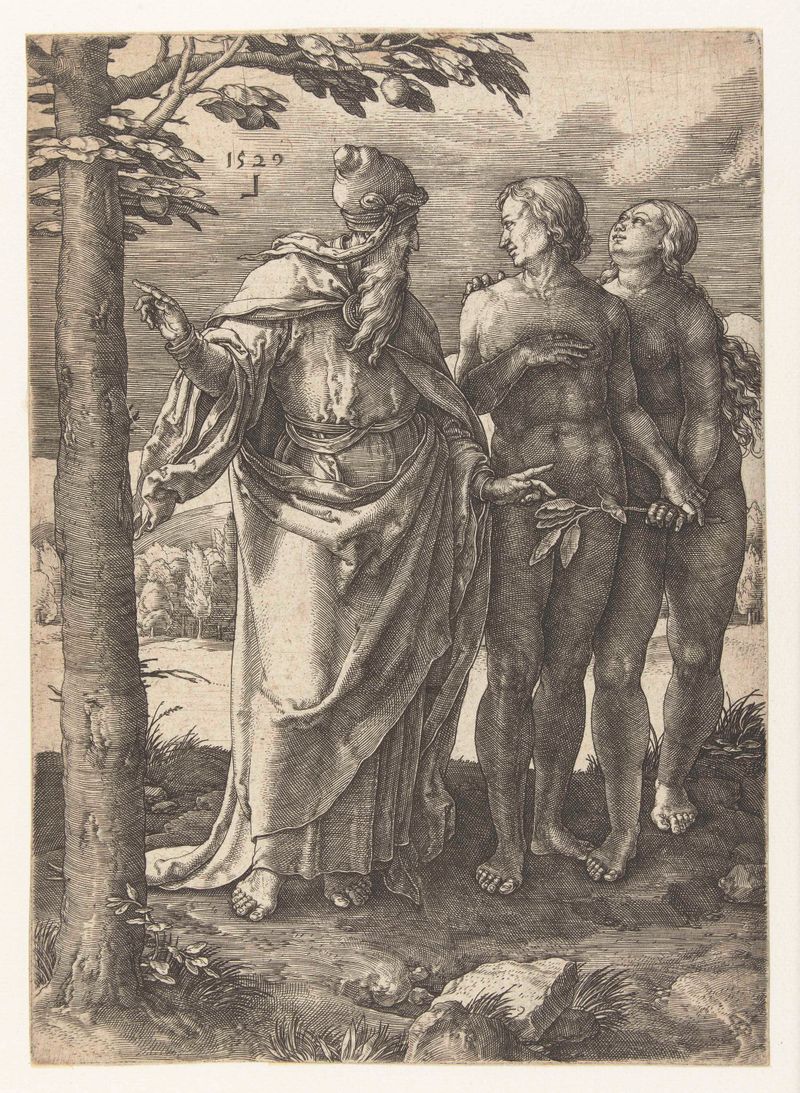
Het eerste verbod
Lucas van Leyden
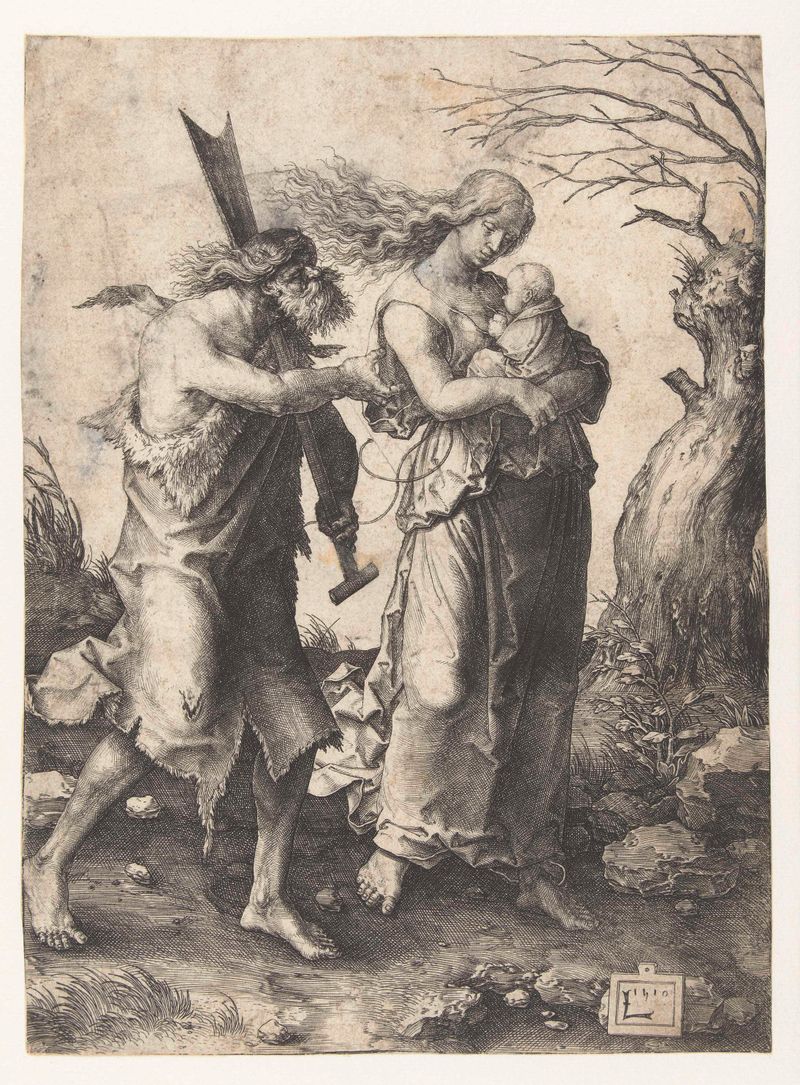
Adam en Eva na de verdrijving uit het paradijs
Lucas van Leyden
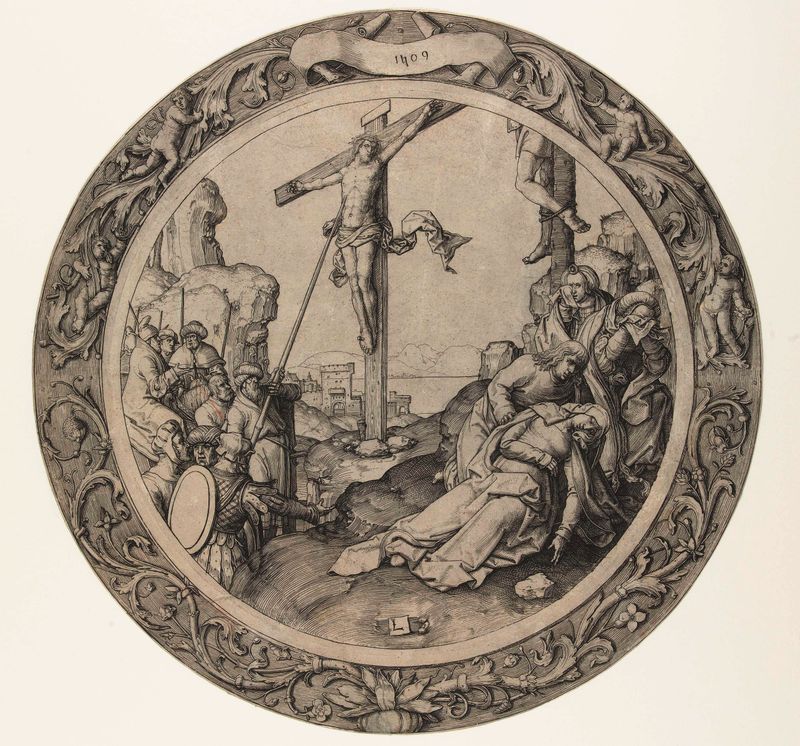
De kruisiging
Lucas van Leyden
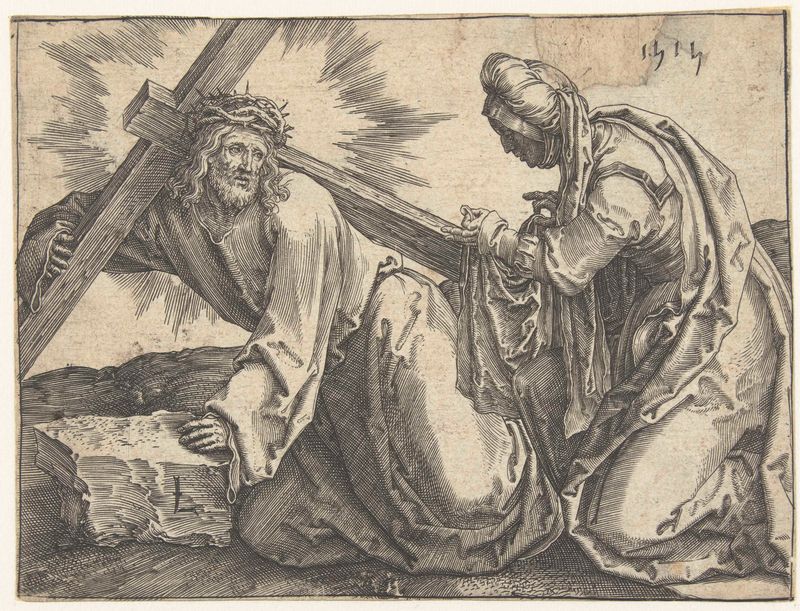
Kruisdraging
Lucas van Leyden
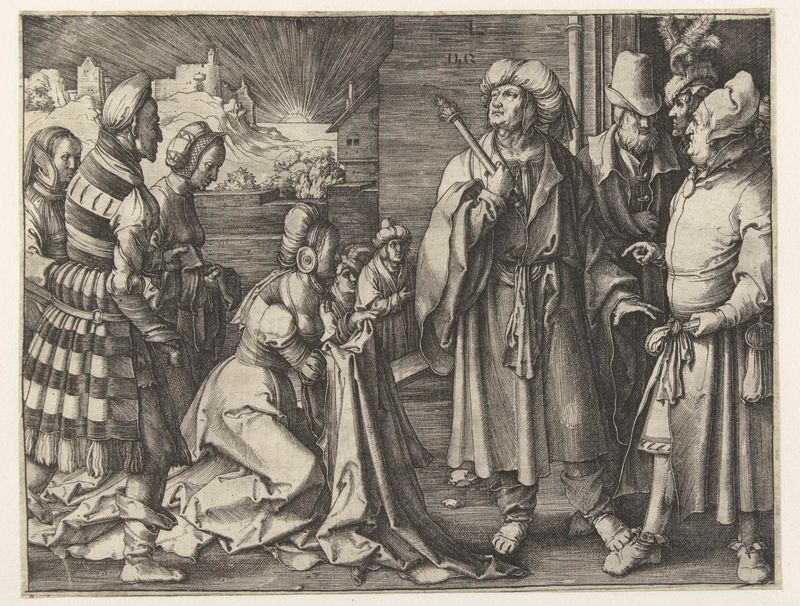
De vrouw van Potifar beschuldigt Jozef
Lucas van Leyden
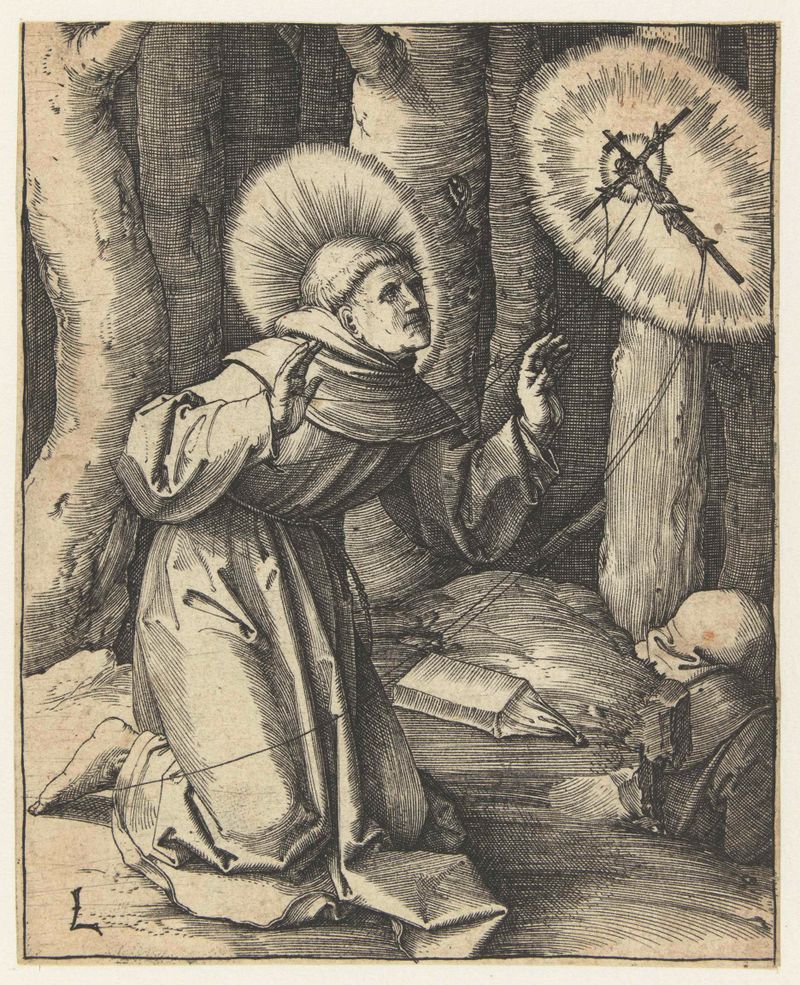
De stigmatisatie van de heilige Franciscus
Lucas van Leyden
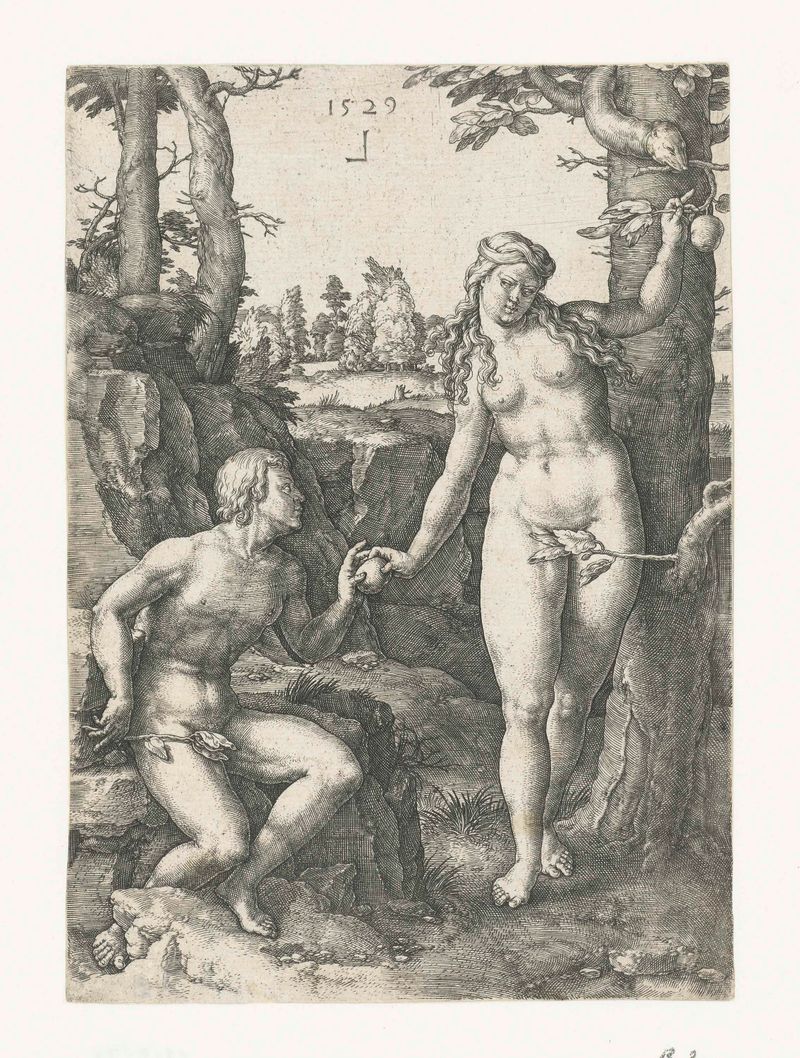
De zondeval
Lucas van Leyden
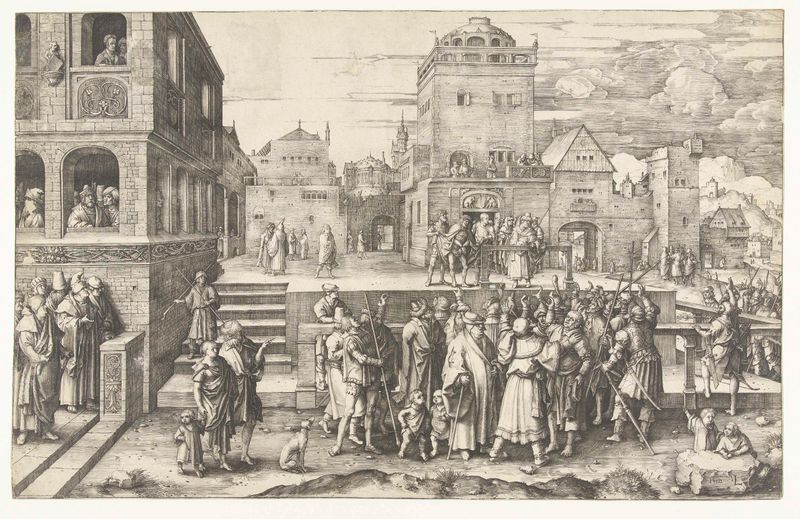
De grote Ecce Homo
Lucas van Leyden
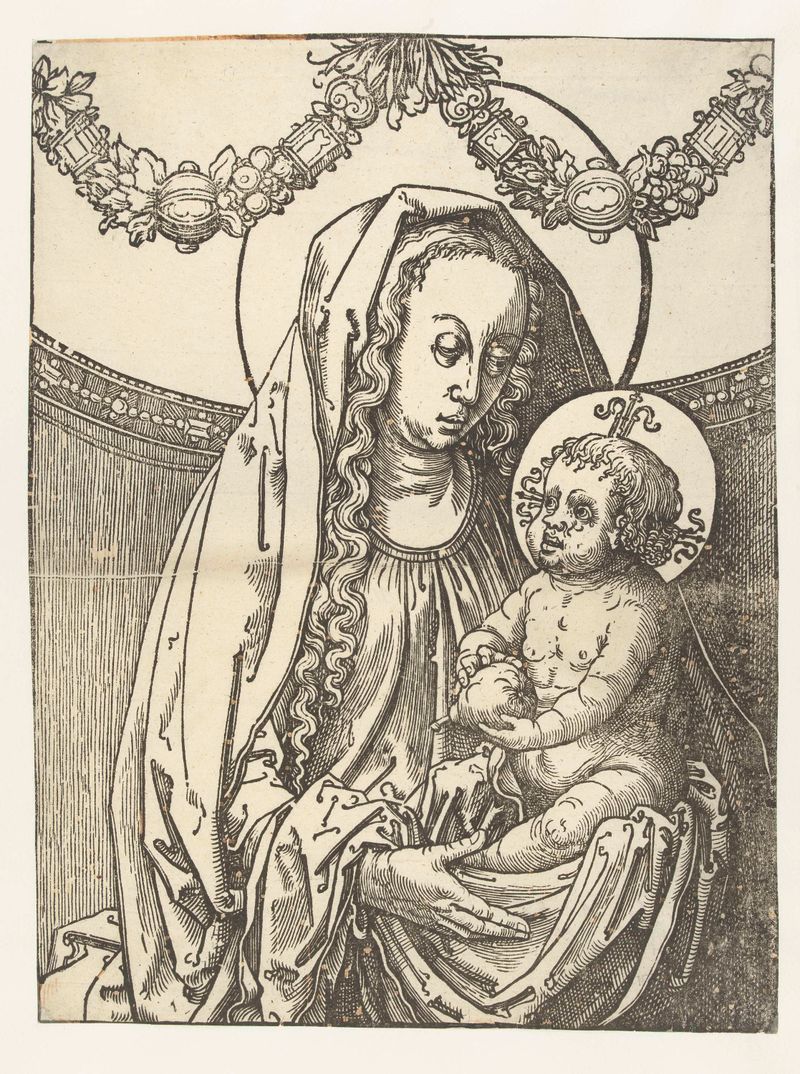
Maria met kind
Lucas van Leyden

Doornenkroning
Lucas van Leyden
More Religious Art
Browse all →
The Return of the Prodigal Son
Rembrandt van Rijn

The Garden of Earthly Delights
El Bosco

Count Orgaz’ funeral
El Greco

The Hundred Guilder Print: the central piece with Christ preaching, the plate arched
Rembrandt van Rijn

The Descent from the Cross
Rogier van der Weyden

The return of the prodigal son
Rembrandt van Rijn