
De apostel Bartholomeus — History & Facts
This reflection resonates deeply when gazing upon the solemn portrayal of Bartholomew. Each detail invites contemplation, as the weight of truth often lies in the shadows of our most radiant moments. Look to the figure at the center, draped in rich hues of red and green, the fabric almost luminous against the muted background. The artist skillfully employs chiaroscuro, allowing the interplay of light and shadow to accentuate the folds of the garment and the contours of Bartholomeus’s face.
Notice how his gaze is both penetrating and distant, a visual paradox that draws you in while simultaneously evoking a sense of isolation and introspection. Delve deeper, and you will find subtle symbols woven through the composition. The knife, a nod to his martyrdom, is tucked almost discreetly, yet it speaks volumes about sacrifice and the painful path of truth. This juxtaposition of beauty and brutality mirrors the artist's exploration of faith and doubt, suggesting that enlightenment often emerges from suffering.
The tension between his serene expression and the underlying violence hints at the complexities of belief in a tumultuous world. In the late 16th century, Lucas van Leyden created this work during a period of significant artistic transition in the Netherlands. Emerging from a time of religious upheaval and the rise of Protestantism, artists began grappling with themes of individual faith and spirituality. Leyden, known for his detailed engravings and paintings, sought to convey deep emotional truths, making De apostel Bartholomeus a fitting testament to his evolving mastery and introspective vision.
More Artworks by Lucas van Leyden
Browse all →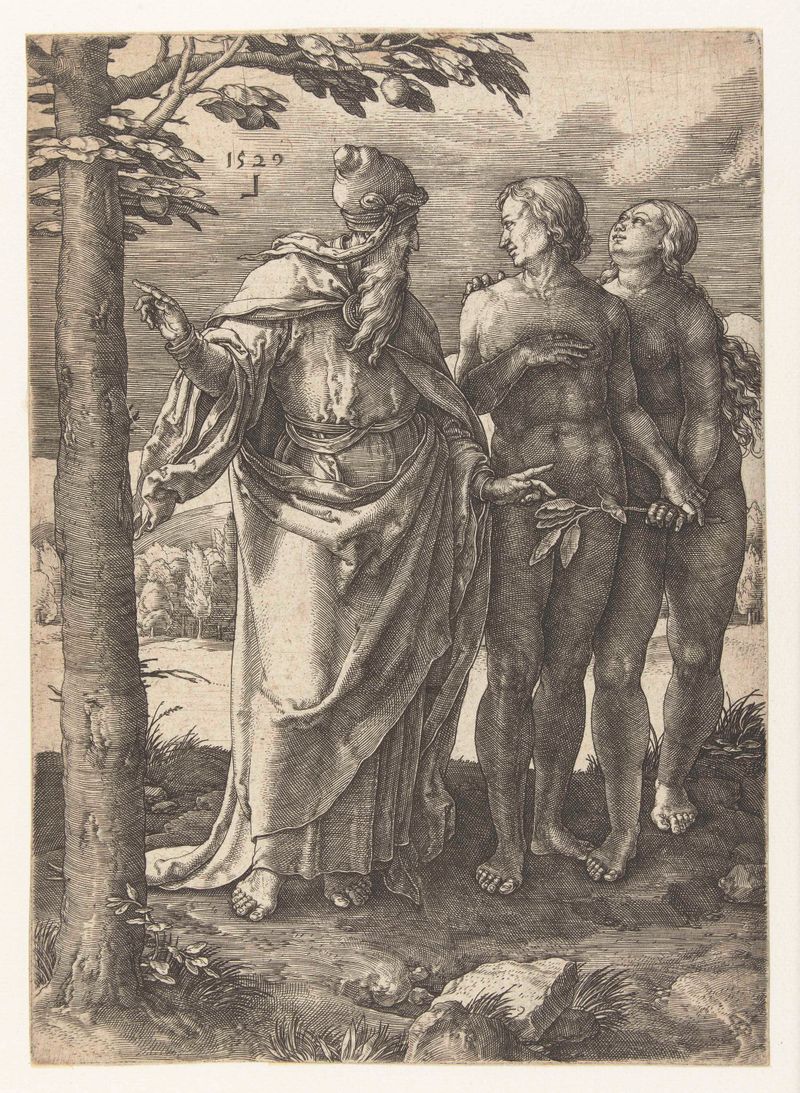
Het eerste verbod
Lucas van Leyden
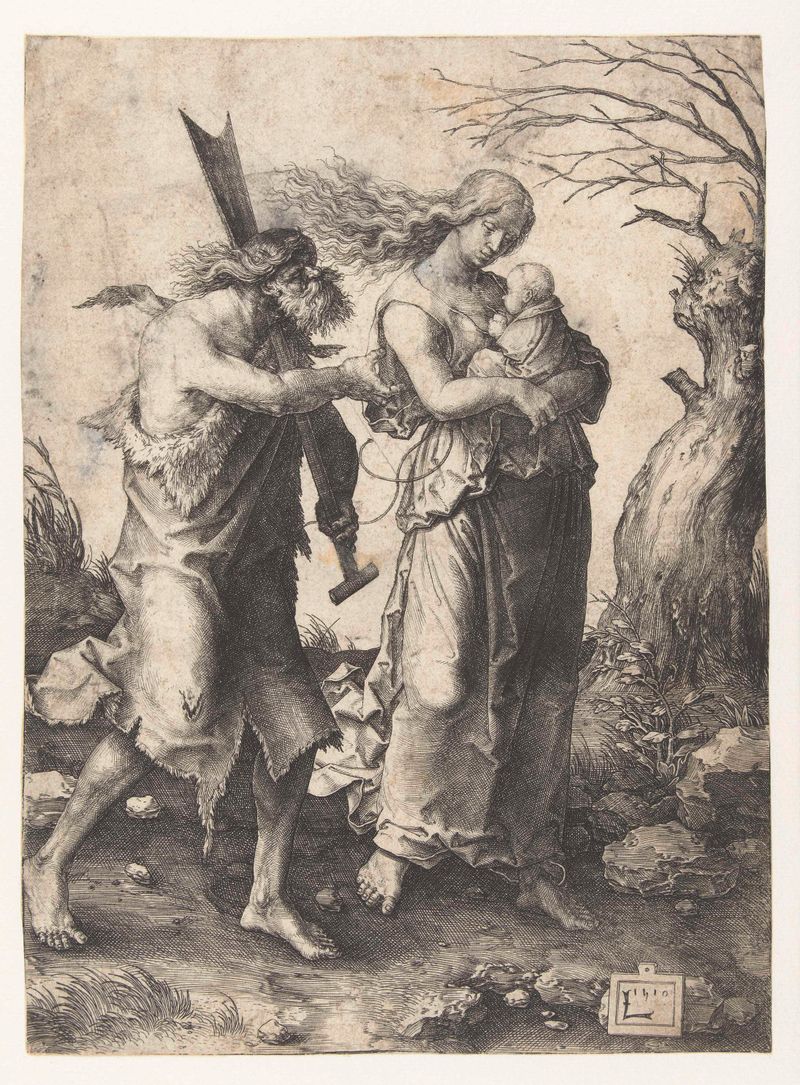
Adam en Eva na de verdrijving uit het paradijs
Lucas van Leyden
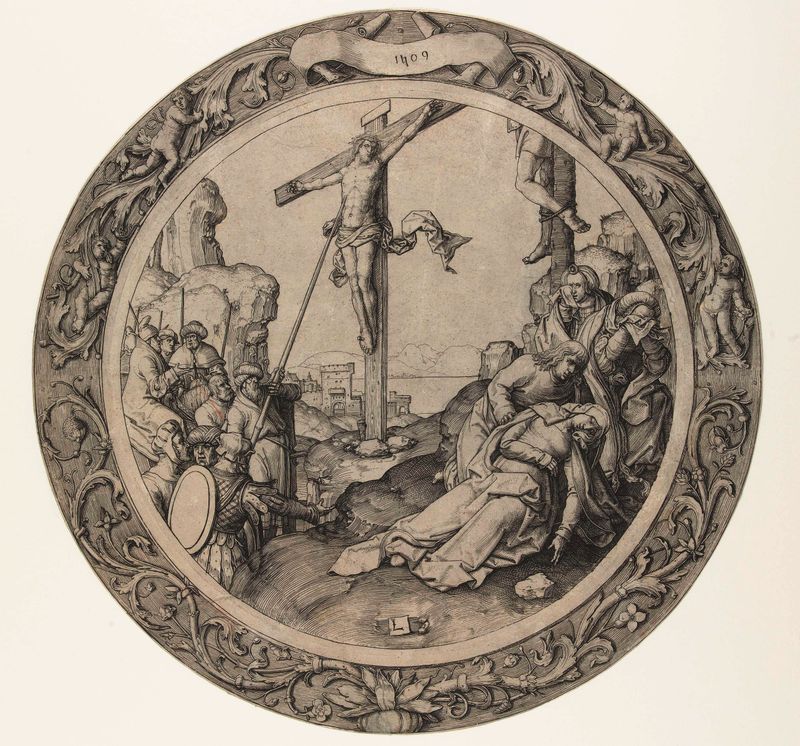
De kruisiging
Lucas van Leyden
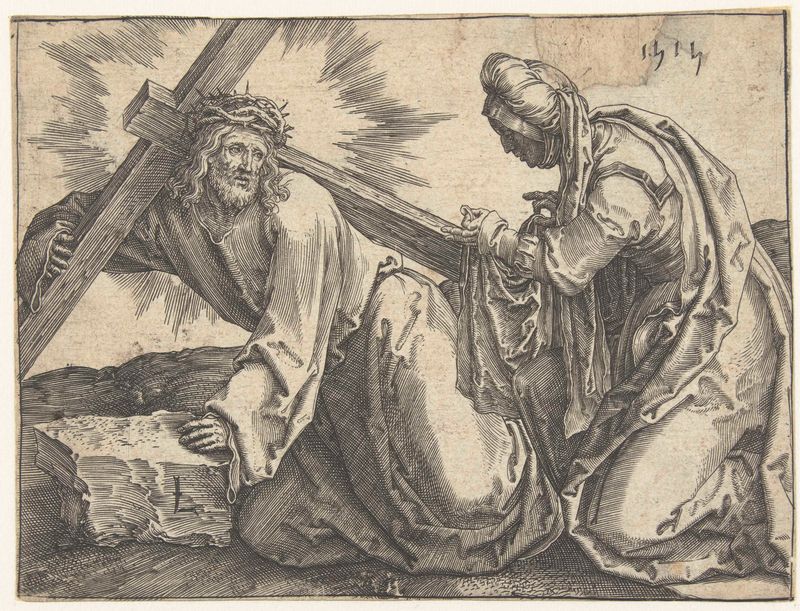
Kruisdraging
Lucas van Leyden
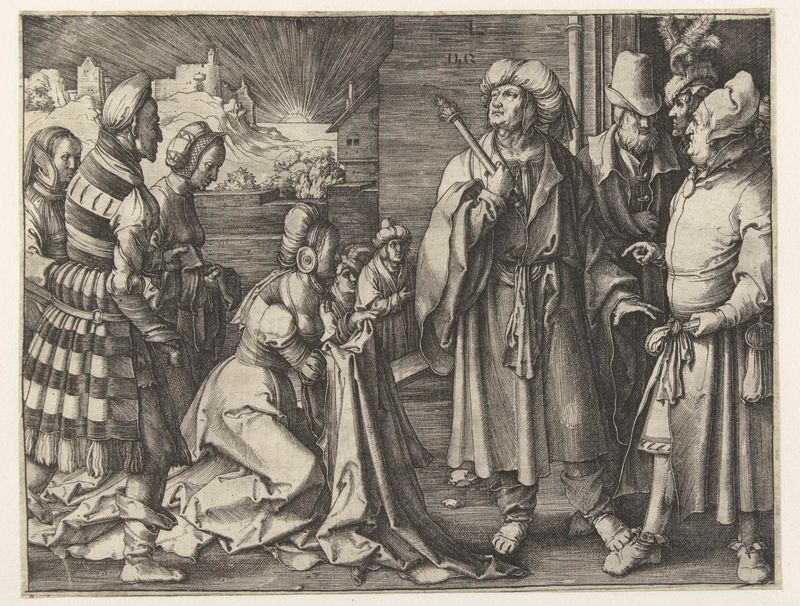
De vrouw van Potifar beschuldigt Jozef
Lucas van Leyden
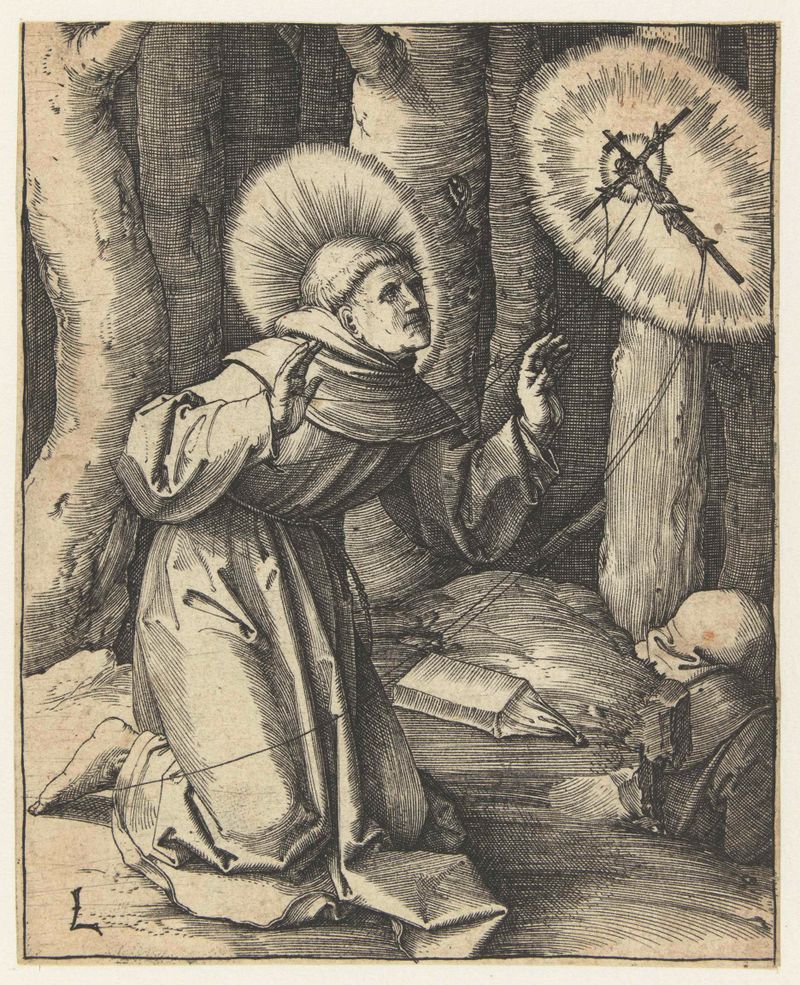
De stigmatisatie van de heilige Franciscus
Lucas van Leyden
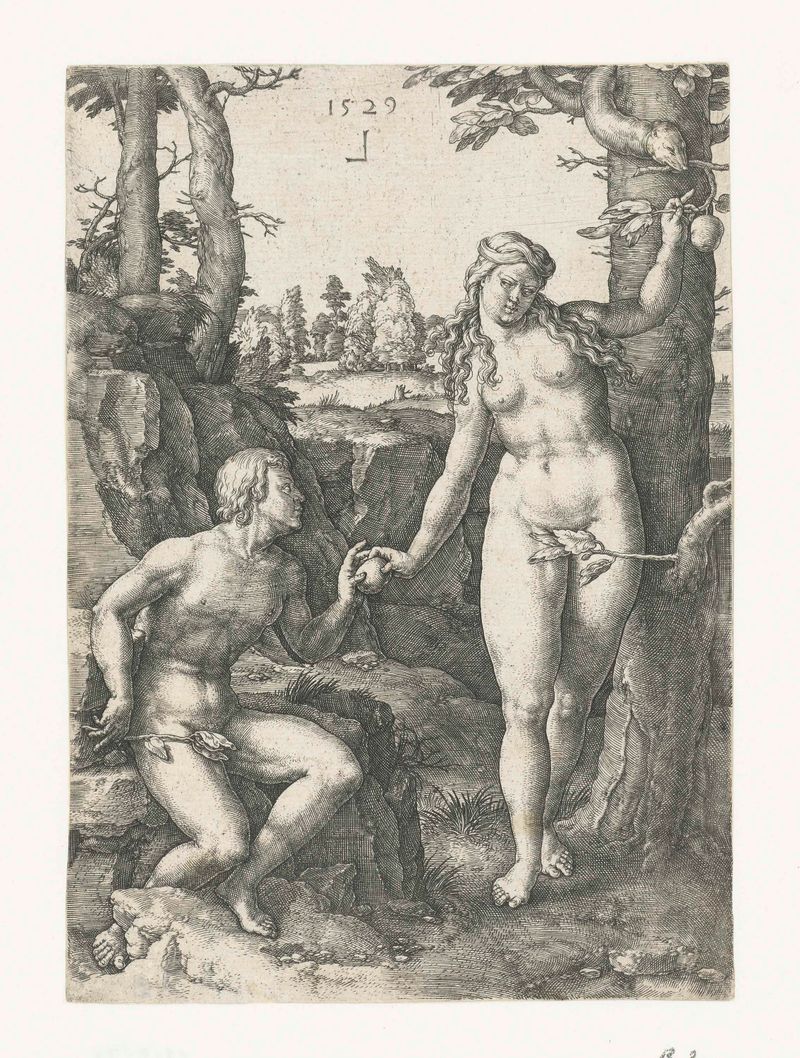
De zondeval
Lucas van Leyden
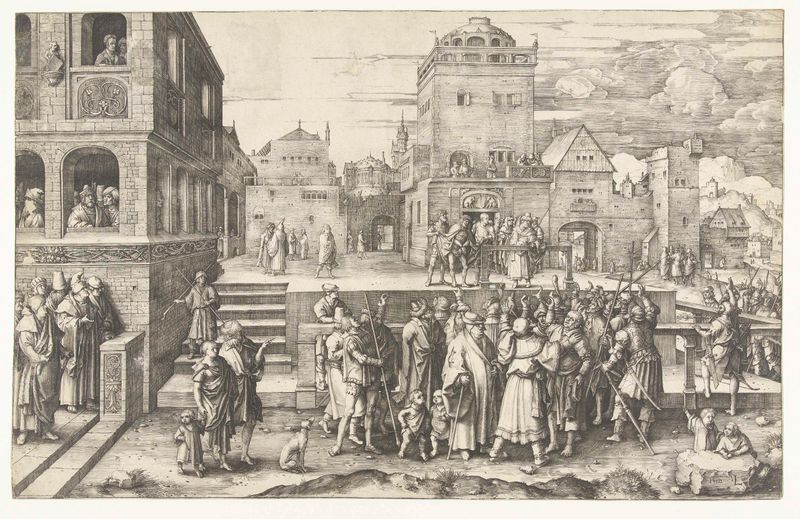
De grote Ecce Homo
Lucas van Leyden
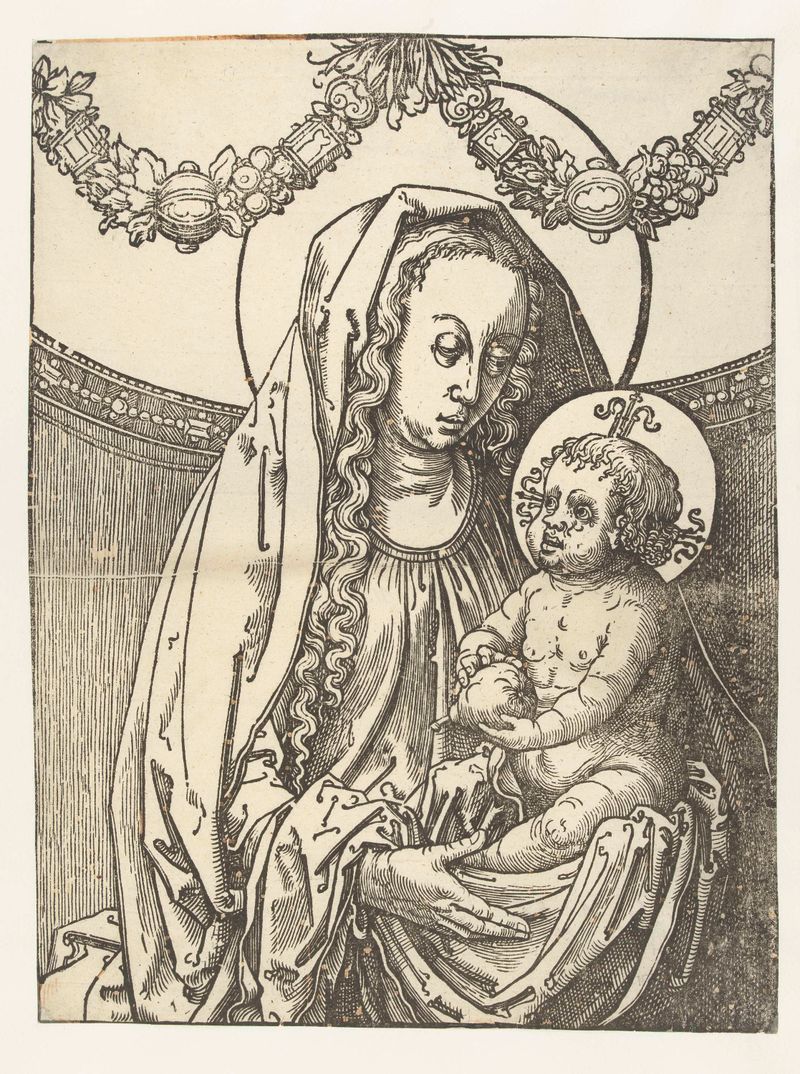
Maria met kind
Lucas van Leyden

Doornenkroning
Lucas van Leyden
More Religious Art
Browse all →
The Return of the Prodigal Son
Rembrandt van Rijn

The Garden of Earthly Delights
El Bosco

Count Orgaz’ funeral
El Greco

The Hundred Guilder Print: the central piece with Christ preaching, the plate arched
Rembrandt van Rijn

The Descent from the Cross
Rogier van der Weyden

The return of the prodigal son
Rembrandt van Rijn