
De apostel Mattheüs — History & Facts
In its stillness, it holds stories of madness and clarity, a fragile balance that captivates the spirit. Look to the center of the composition, where the figure of the apostle stands resolutely. The detailed textures of his garments speak to both grace and turmoil, rich hues of gold and deep blues swirling against a muted background. Notice how the light elegantly frames his face, casting a divine glow that contrasts sharply with the shadows lurking at the edges, as if hinting at the chaos of his thoughts. Each brushstroke evokes an emotional tension, where divine inspiration clashes with human frailty.
The apostle’s gaze penetrates the viewer, revealing a world of internal conflict — a silent struggle between faith and doubt. Delve deeper into the subtle nuances of his expression; it is a portrait of enlightenment clouded by the shadows of madness. The intricate details of the surrounding elements, perhaps remnants of a forgotten world, add layers to the narrative and invite contemplation about the nature of revelation. Lucas van Leyden created this piece between 1508 and 1512, during a period of significant artistic development in Northern Europe.
He was influenced by the early Renaissance and was beginning to explore ways to integrate the emotional depth of his subjects with emerging humanist ideas. As he painted, the art world was shifting, embracing realism and individual expression, which would profoundly shape the subsequent generations of artists.
More Artworks by Lucas van Leyden
Browse all →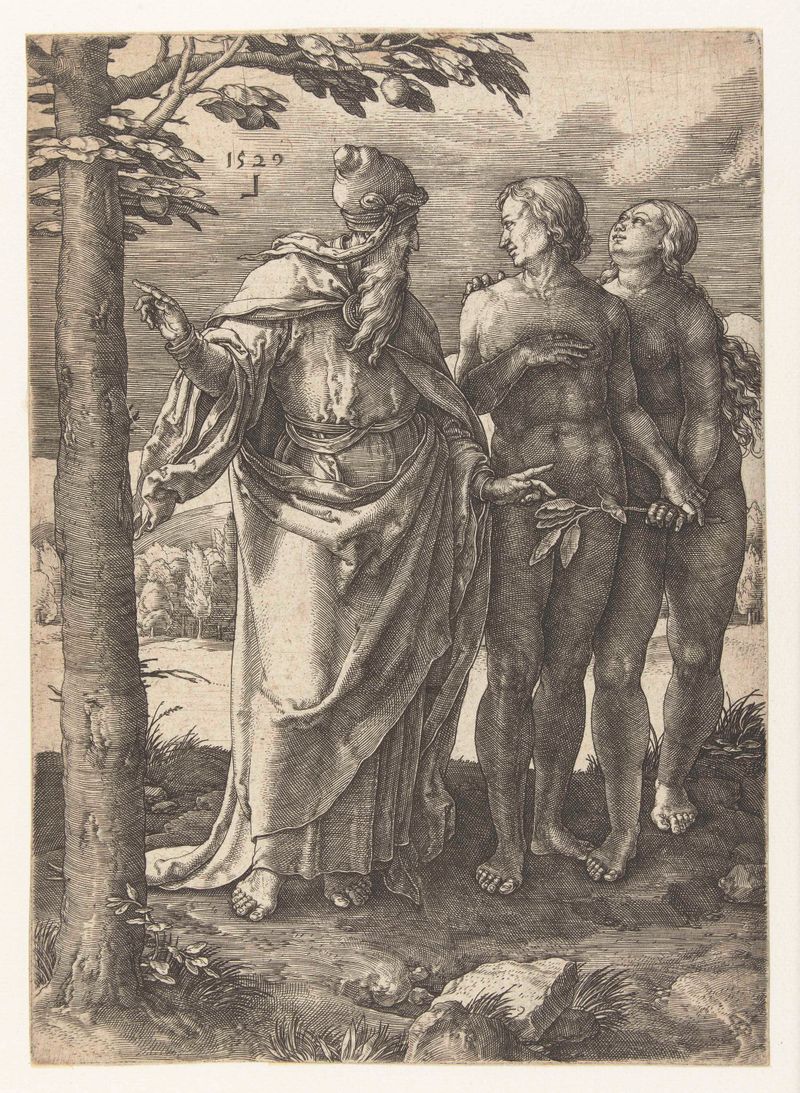
Het eerste verbod
Lucas van Leyden
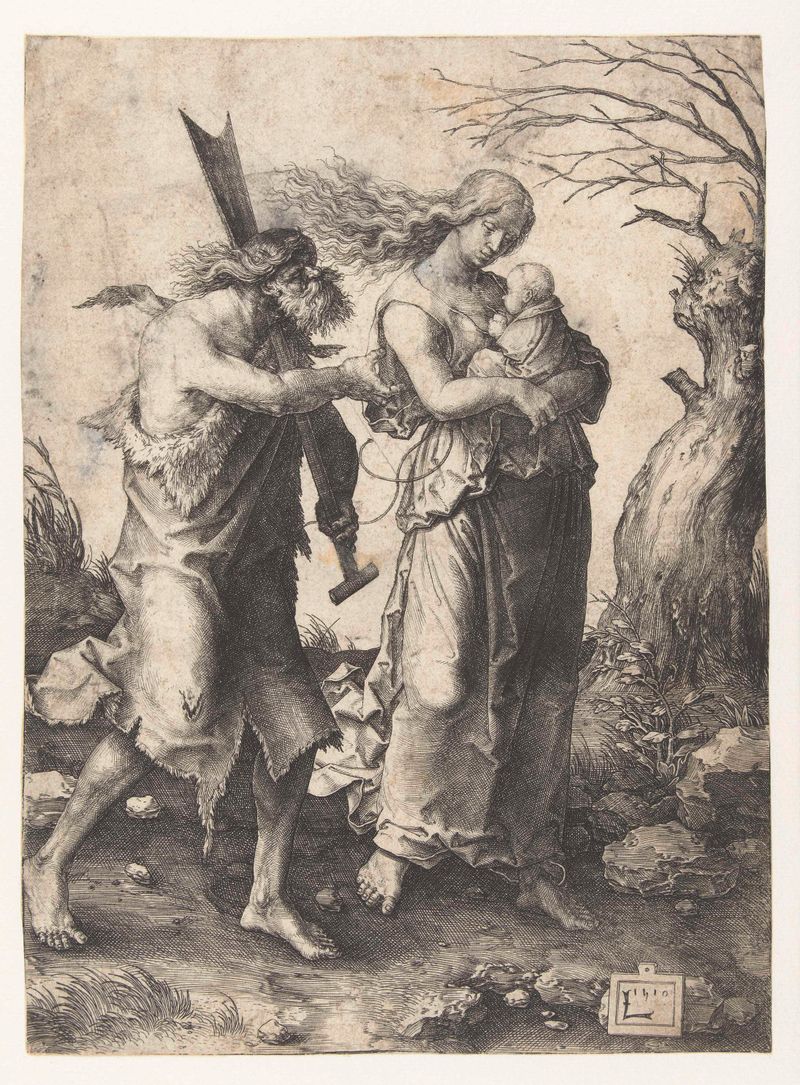
Adam en Eva na de verdrijving uit het paradijs
Lucas van Leyden
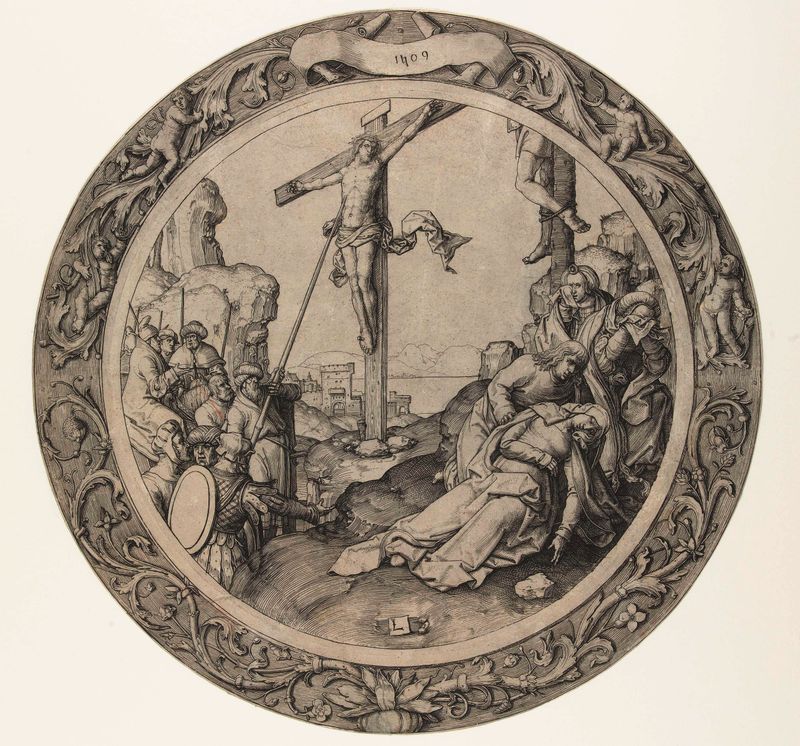
De kruisiging
Lucas van Leyden
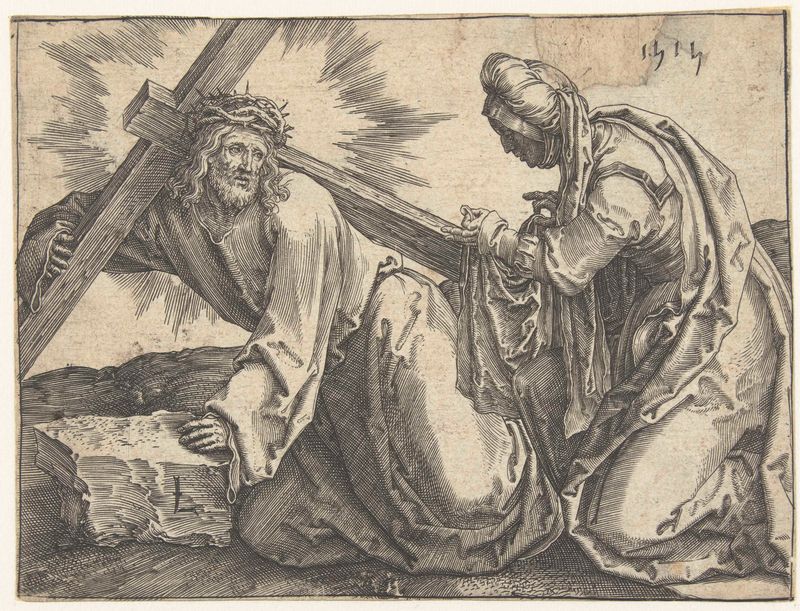
Kruisdraging
Lucas van Leyden
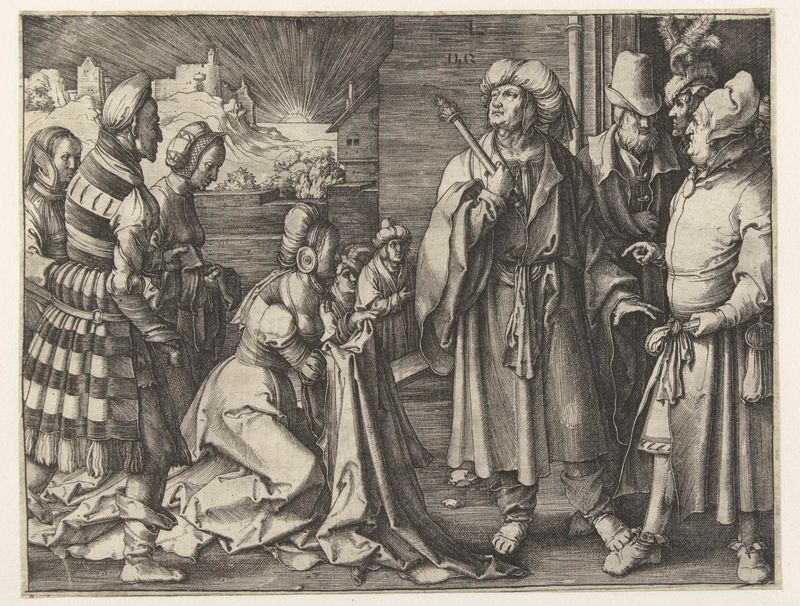
De vrouw van Potifar beschuldigt Jozef
Lucas van Leyden
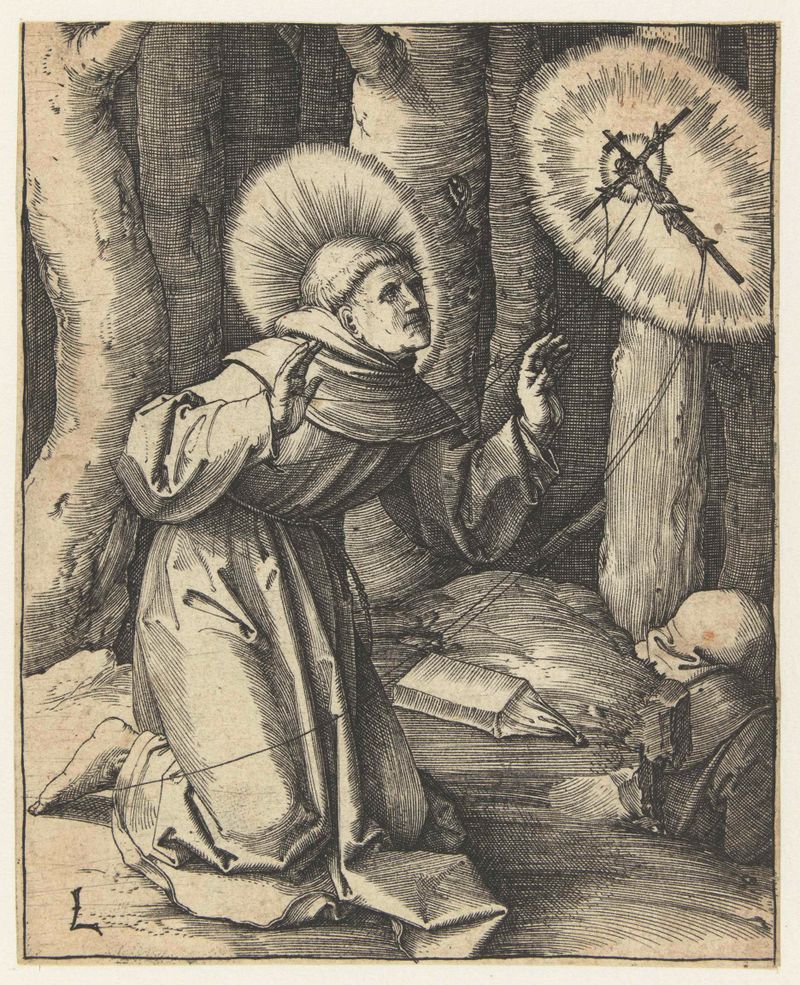
De stigmatisatie van de heilige Franciscus
Lucas van Leyden
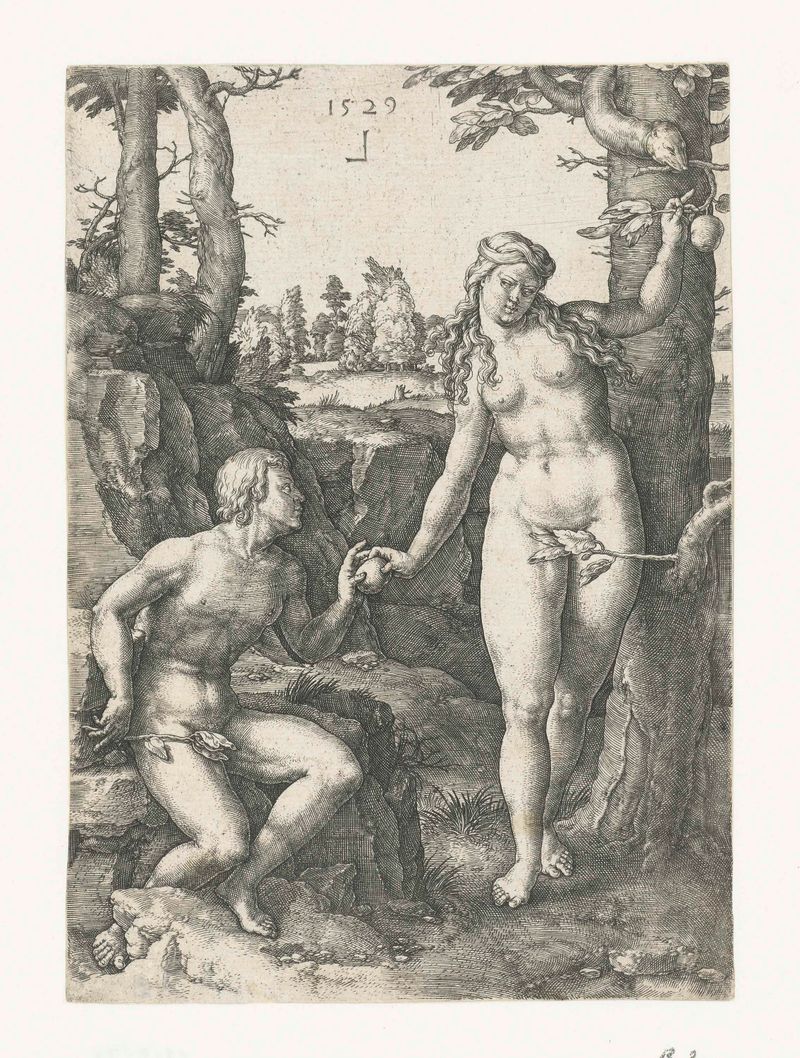
De zondeval
Lucas van Leyden
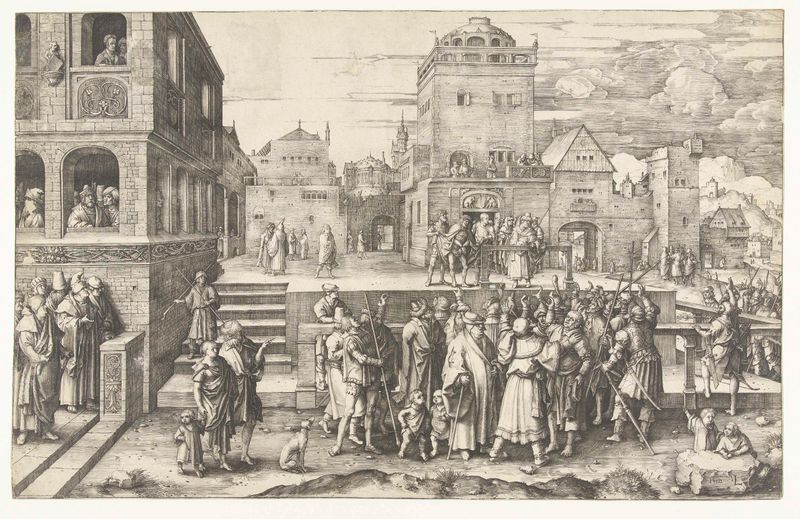
De grote Ecce Homo
Lucas van Leyden
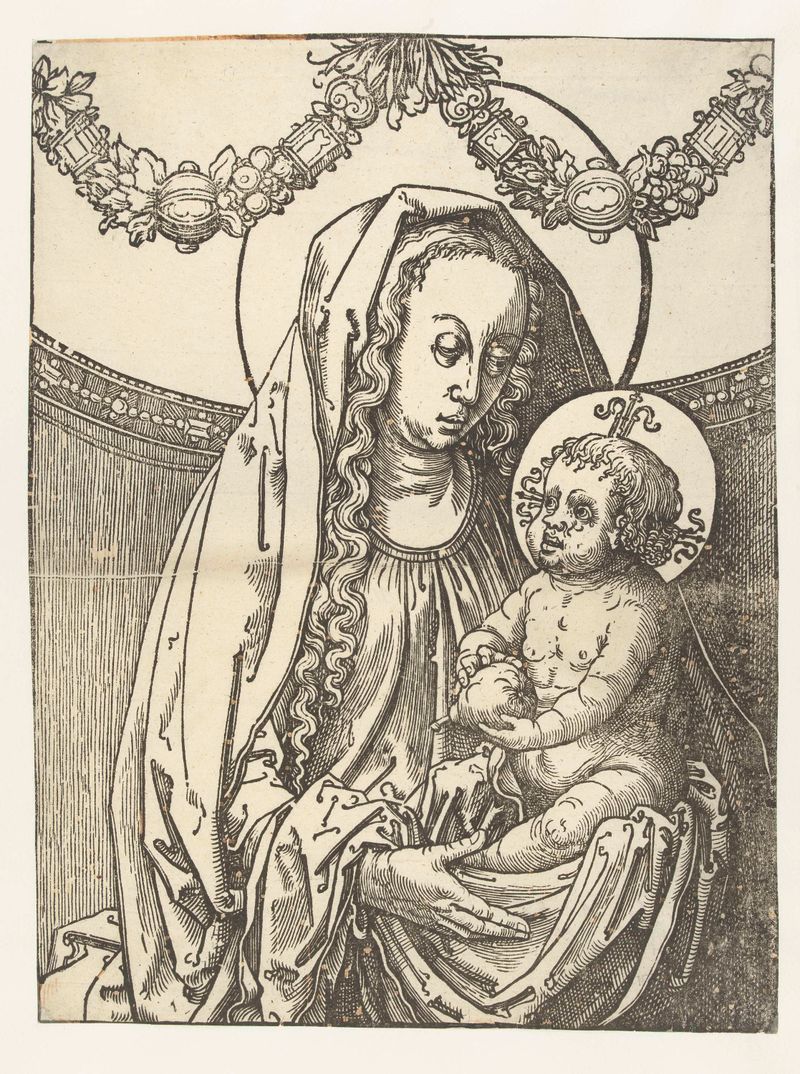
Maria met kind
Lucas van Leyden

Doornenkroning
Lucas van Leyden
More Religious Art
Browse all →
The Return of the Prodigal Son
Rembrandt van Rijn

The Garden of Earthly Delights
El Bosco

Count Orgaz’ funeral
El Greco

The Hundred Guilder Print: the central piece with Christ preaching, the plate arched
Rembrandt van Rijn

The Descent from the Cross
Rogier van der Weyden

The return of the prodigal son
Rembrandt van Rijn