
De apostel Mattheüs — History & Facts
In the stillness of a moment, betrayal lingers beneath the surface, waiting to be unveiled. The intricate details of De apostel Mattheüs beckon the viewer to explore its depths, revealing layers of meaning intertwined with vibrant hues. Look to the center, where Matthew is depicted engaged in conversation with an angel. The flowing reds and greens of his garments contrast with the muted, earthy tones of the background, drawing the eye to the figure’s intense expression.
Notice the delicate play of light cascading across their faces, illuminating the divine connection that simmers with tension. The crisp lines and meticulous detailing reflect the artist’s mastery, while the composition channels a palpable sense of intimacy and revelation. Yet, beneath the beauty lies a whisper of conflict. The angel’s gaze is both guiding and unsettling, hinting at the weight of the message being conveyed.
The open book in Matthew's hand suggests knowledge and accountability, while the shadows lurking in the corners foreshadow the challenges of faith and betrayal that await him. This tension between divine inspiration and human frailty enriches the scene, inviting introspection on the nature of belief. Created between 1508 and 1512, this work emerged during a period when Lucas van Leyden was at the height of his powers, steadily gaining recognition as a master of printmaking and painting. The early 16th century was a time of great upheaval in Europe, marked by the Reformation, and many artists were grappling with themes of morality, divinity, and the human condition.
It was within this charged atmosphere that van Leyden crafted De apostel Mattheüs, encapsulating the complexity of faith amidst the looming shadows of betrayal.
More Artworks by Lucas van Leyden
Browse all →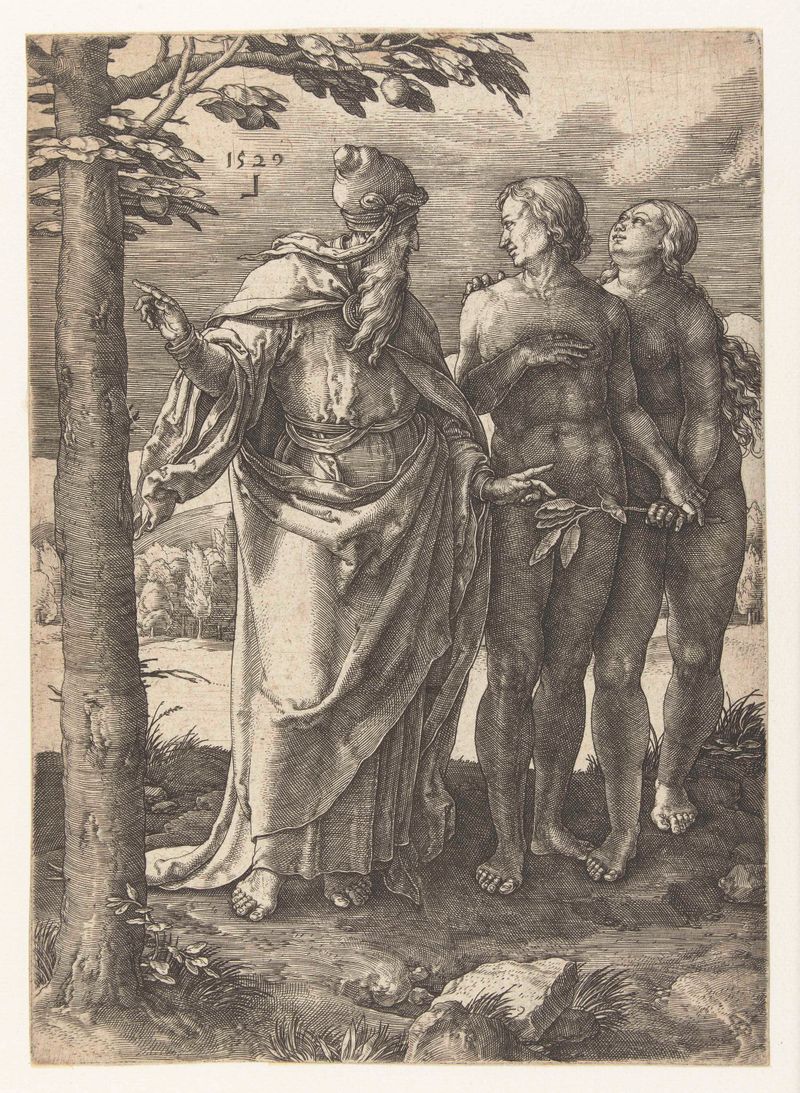
Het eerste verbod
Lucas van Leyden
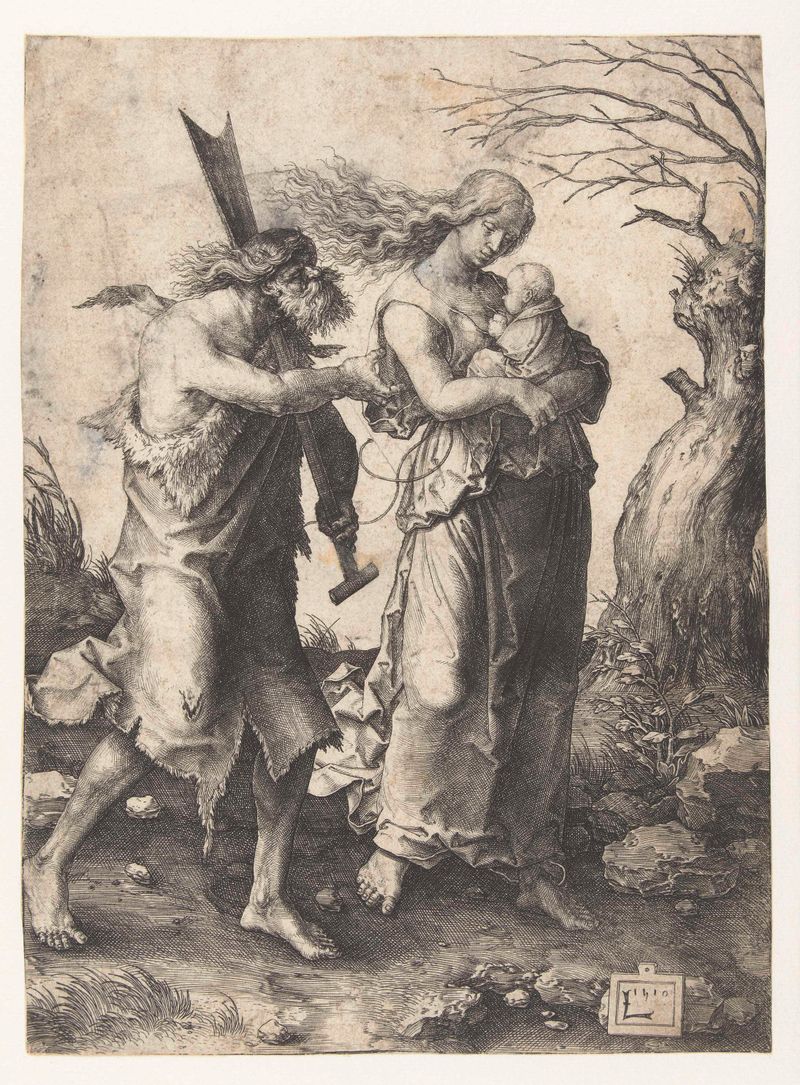
Adam en Eva na de verdrijving uit het paradijs
Lucas van Leyden
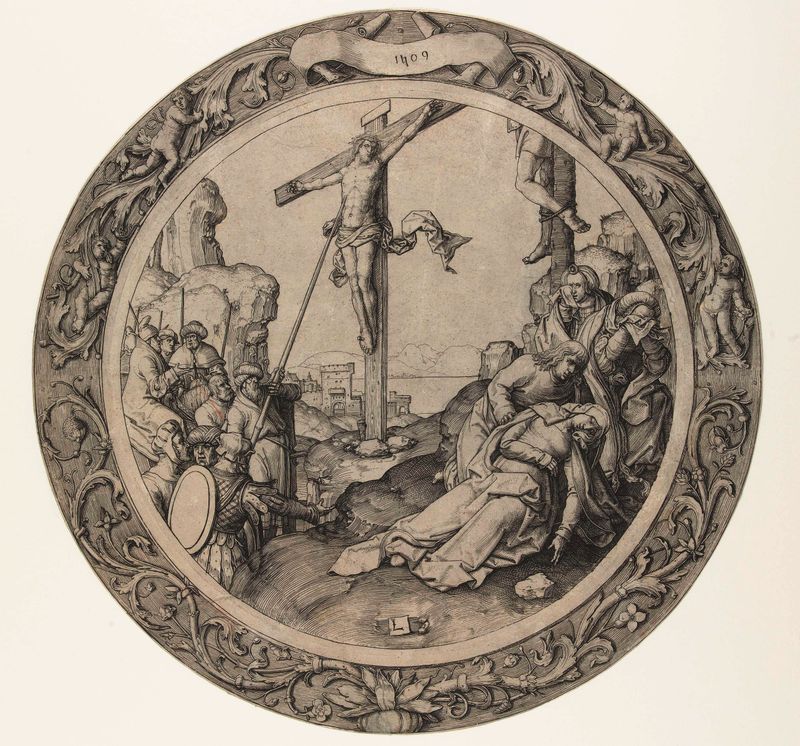
De kruisiging
Lucas van Leyden
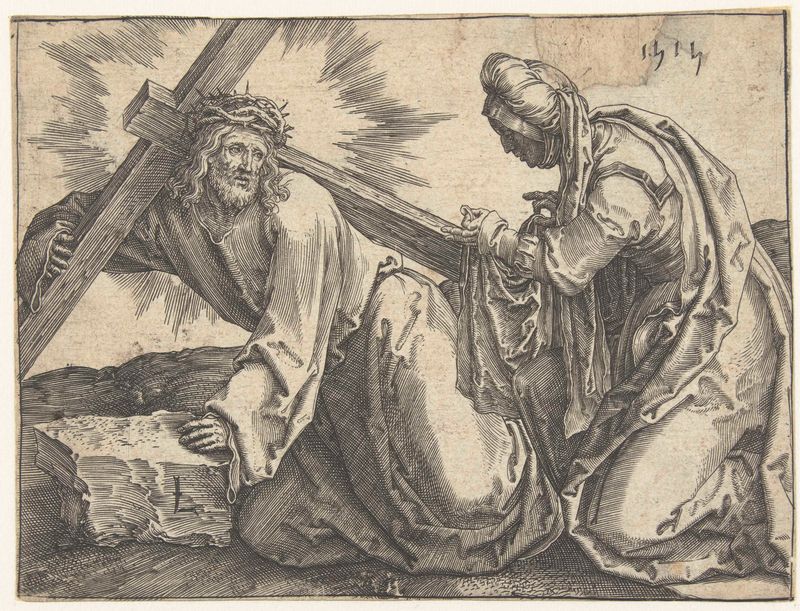
Kruisdraging
Lucas van Leyden
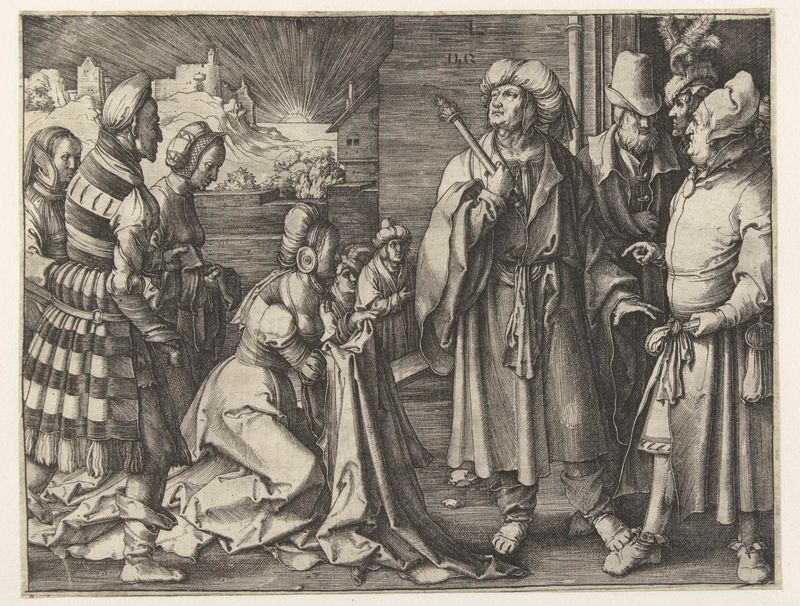
De vrouw van Potifar beschuldigt Jozef
Lucas van Leyden
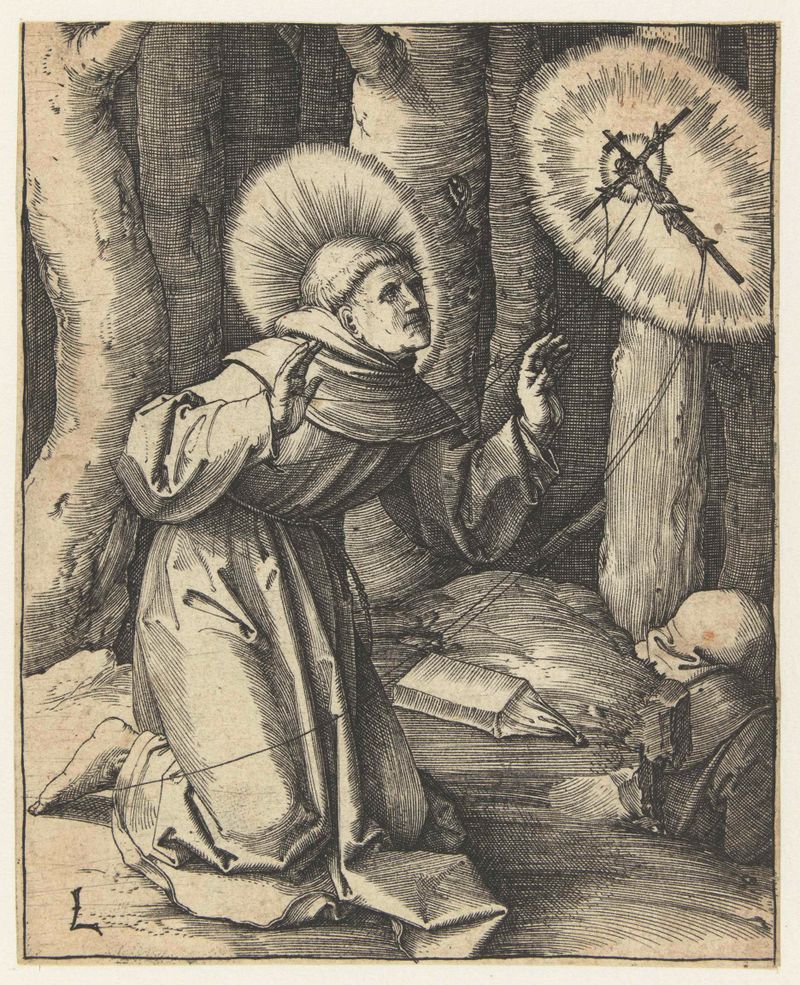
De stigmatisatie van de heilige Franciscus
Lucas van Leyden
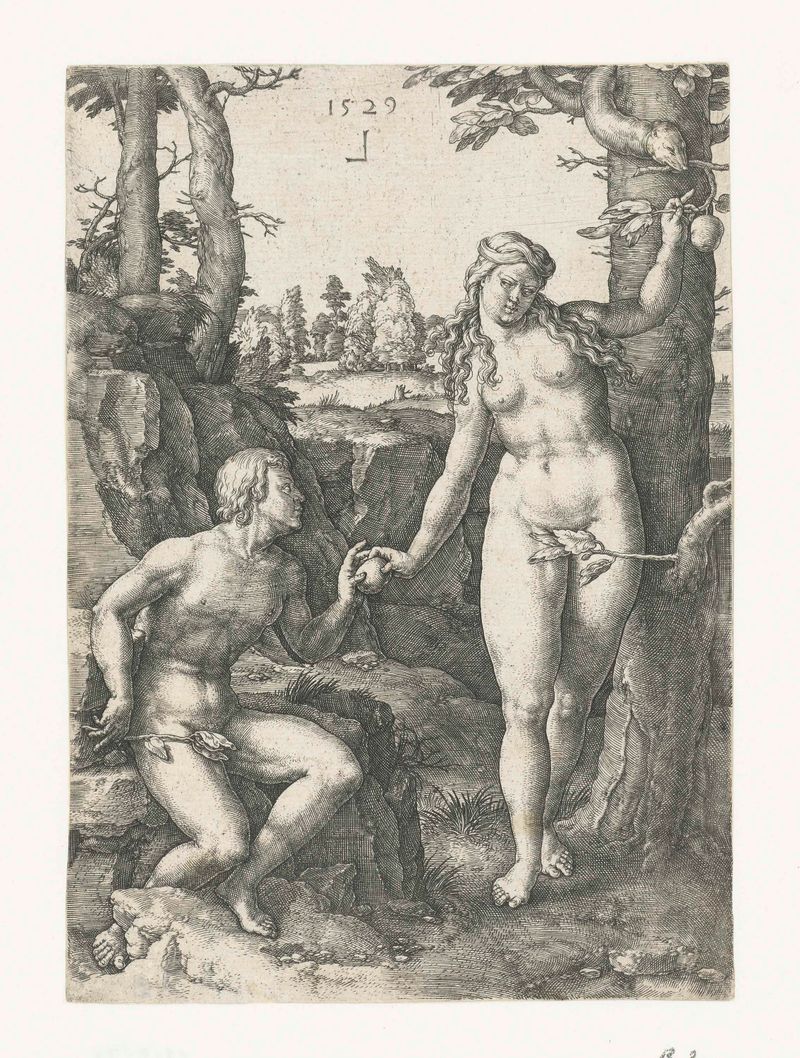
De zondeval
Lucas van Leyden
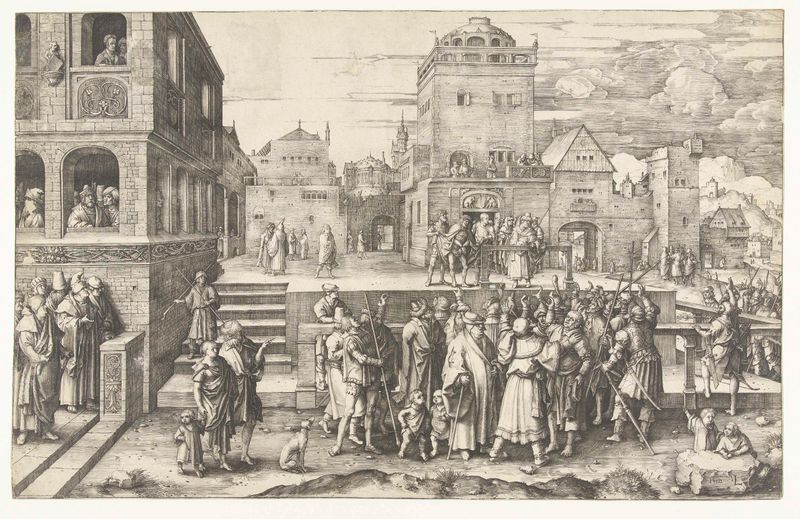
De grote Ecce Homo
Lucas van Leyden
Maria met kind
Lucas van Leyden

Doornenkroning
Lucas van Leyden
More Religious Art
Browse all →
The Return of the Prodigal Son
Rembrandt van Rijn

The Garden of Earthly Delights
El Bosco

Count Orgaz’ funeral
El Greco

The Hundred Guilder Print: the central piece with Christ preaching, the plate arched
Rembrandt van Rijn

The Descent from the Cross
Rogier van der Weyden

The return of the prodigal son
Rembrandt van Rijn