
De apostel Paulus — History & Facts
Can paint confess what words never could? In De apostel Paulus, melancholy permeates the air, capturing a moment of profound reflection and inner turmoil that transcends language. Look to the left at the figure of Paul, draped in rich, muted colors that echo the weight of his contemplations. The carefully rendered folds of his garment create depth, while the light highlights his furrowed brow, drawing our gaze to the intricate details of his expression. Notice how the soft illumination enhances the textures of his skin, revealing a life of struggle and determination, while the darker background serves to isolate him, enhancing his solitary quest for understanding. In this painting, contrasts abound; the vibrant hues of Paul’s attire clash with the somber tones surrounding him, suggesting a conflict between faith and doubt.
His gaze, piercing yet distant, reveals the burden of his convictions, as if he wrestles with the enormity of his mission. The ornate book resting on the table signifies knowledge, yet it silently questions whether true wisdom lies within or beyond the written word, encapsulating the tension between thought and emotion. Lucas van Leyden created De apostel Paulus between 1508 and 1512 during a period of great artistic innovation in the Northern Renaissance. At this time, he was gaining recognition for his mastery of printmaking and painting, exploring themes of spiritual introspection amid the socio-political upheaval of Europe.
This work reflects not only his personal journey but also the broader quest for meaning that defined an era on the cusp of transformation.
More Artworks by Lucas van Leyden
Browse all →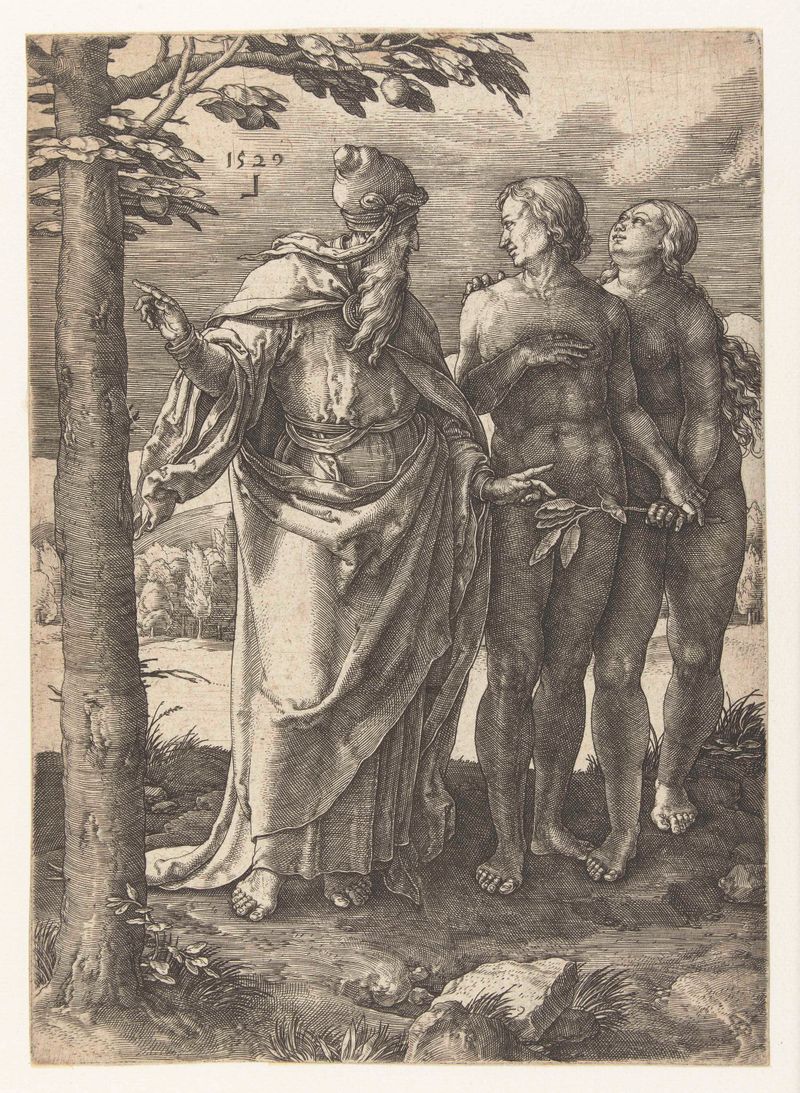
Het eerste verbod
Lucas van Leyden
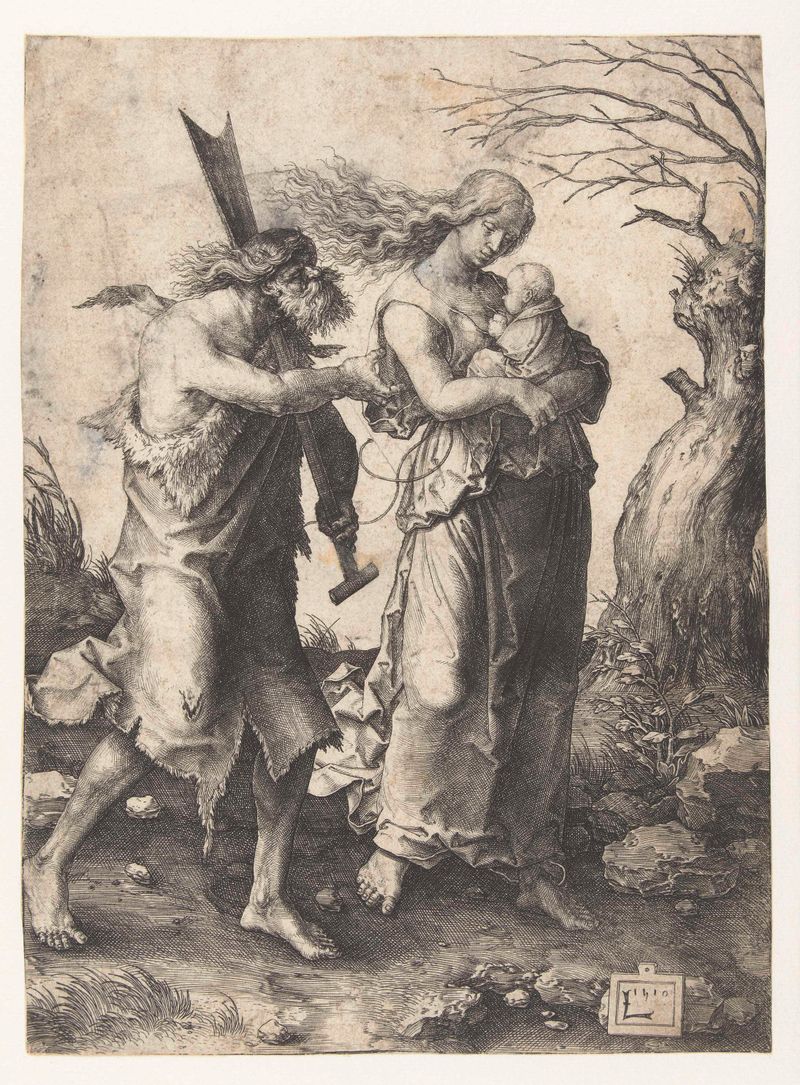
Adam en Eva na de verdrijving uit het paradijs
Lucas van Leyden
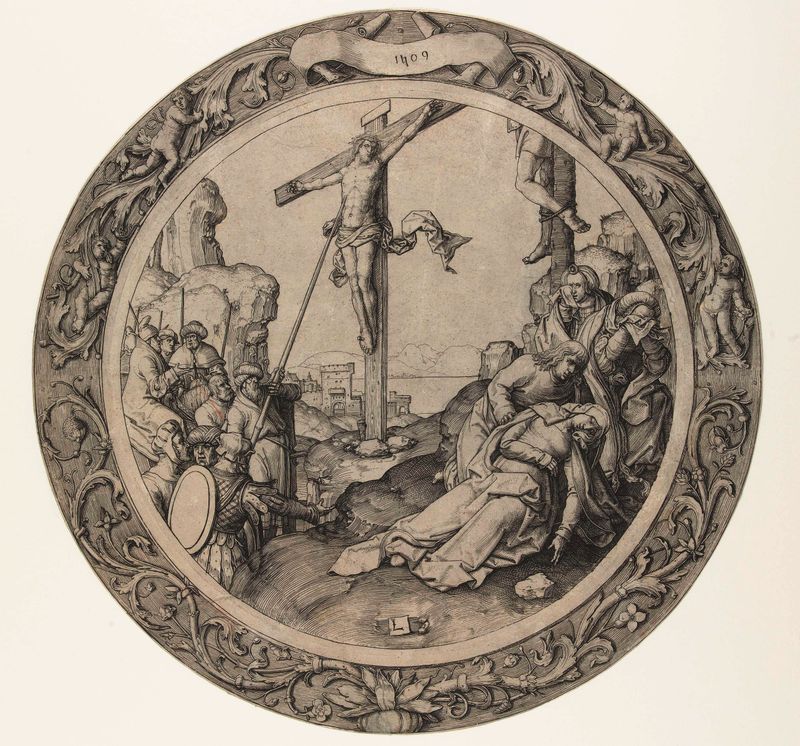
De kruisiging
Lucas van Leyden
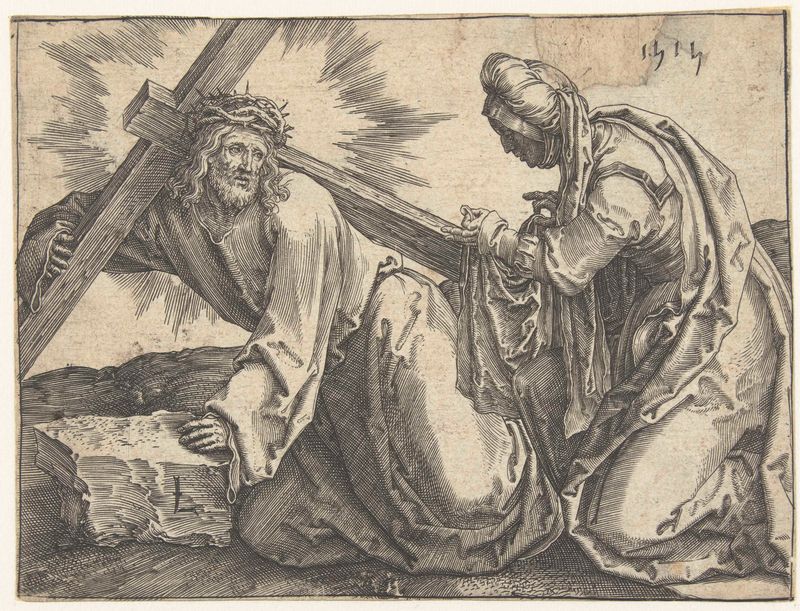
Kruisdraging
Lucas van Leyden
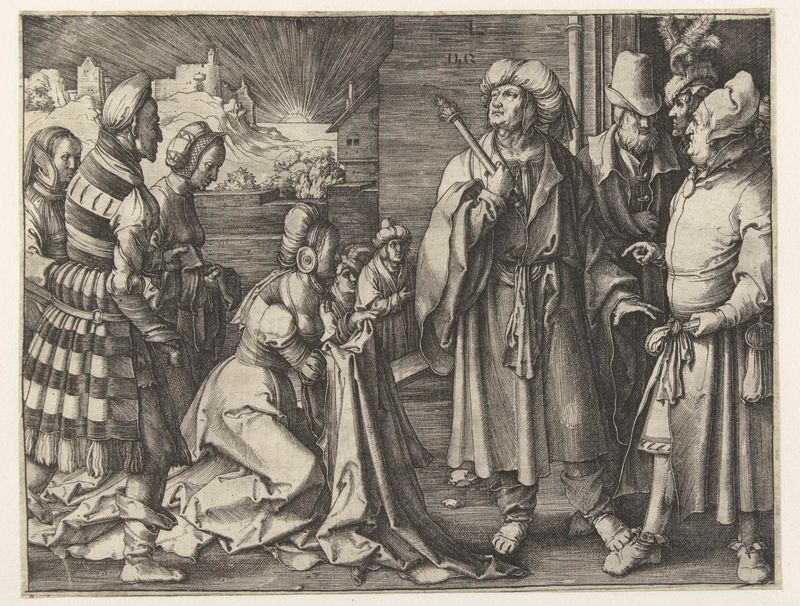
De vrouw van Potifar beschuldigt Jozef
Lucas van Leyden
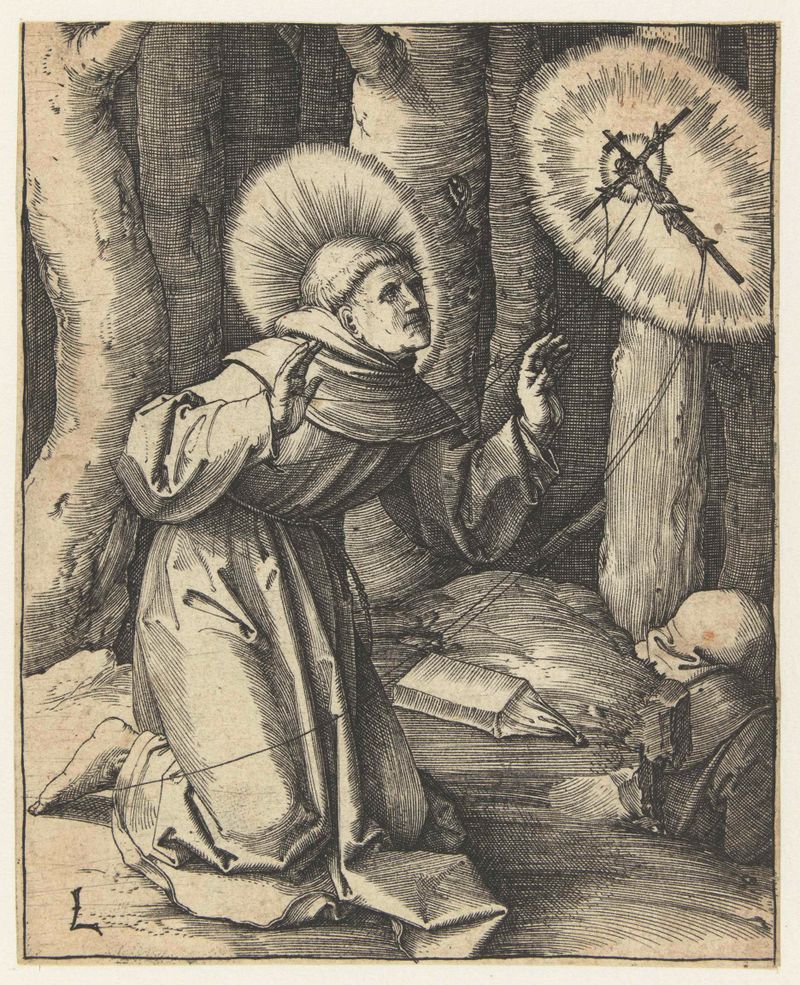
De stigmatisatie van de heilige Franciscus
Lucas van Leyden
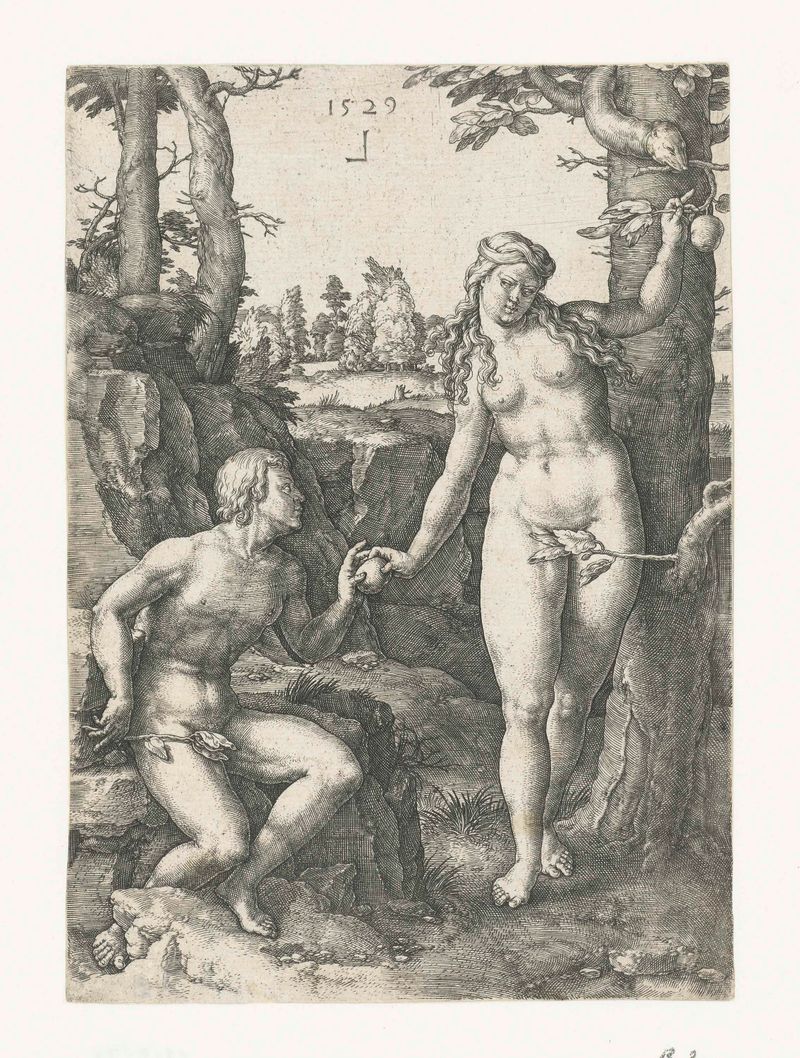
De zondeval
Lucas van Leyden
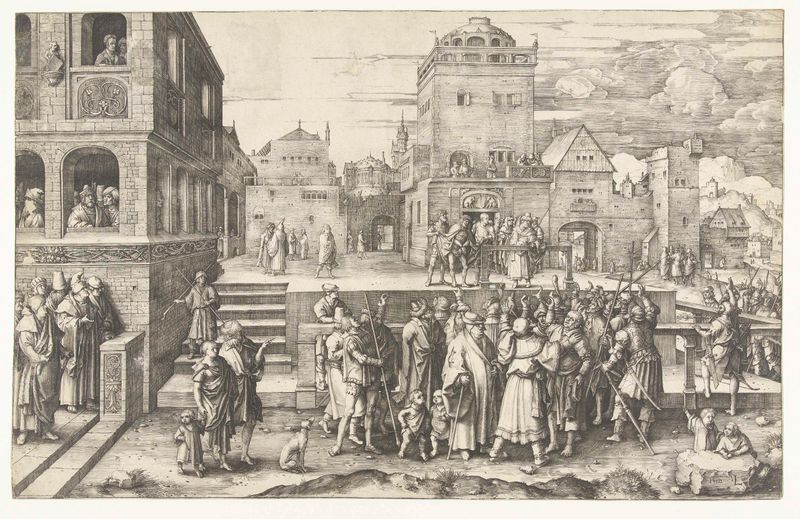
De grote Ecce Homo
Lucas van Leyden
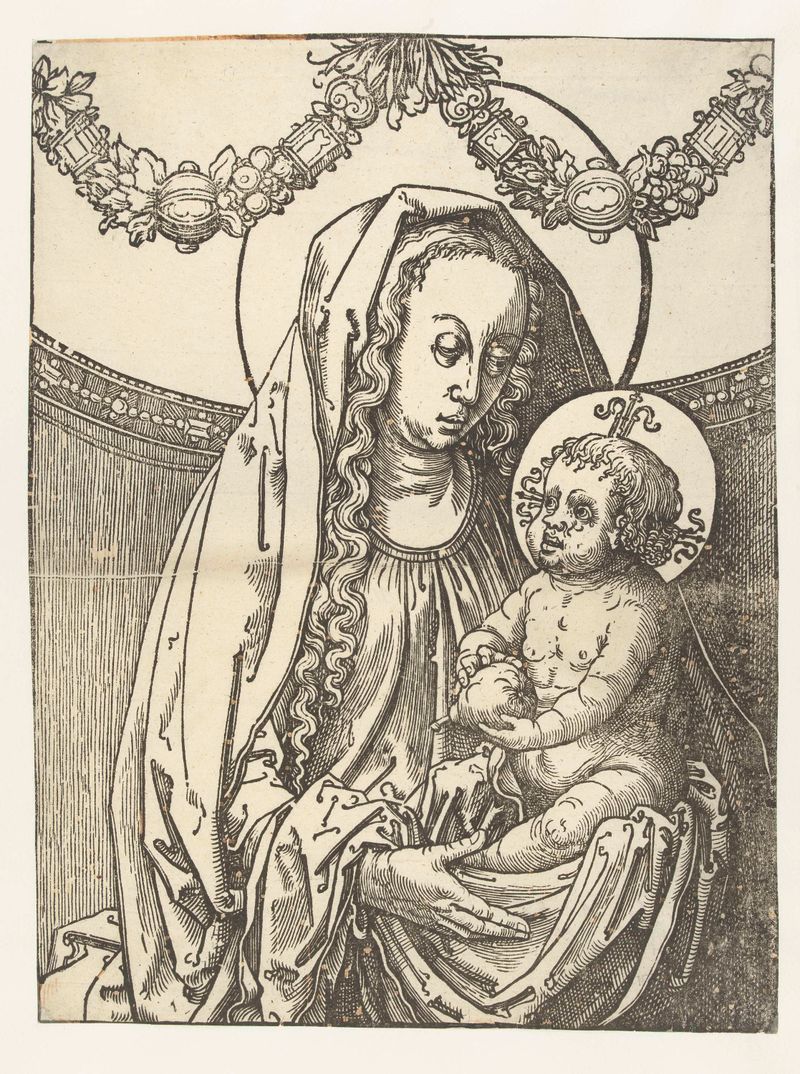
Maria met kind
Lucas van Leyden

Doornenkroning
Lucas van Leyden
More Religious Art
Browse all →
The Return of the Prodigal Son
Rembrandt van Rijn

The Garden of Earthly Delights
El Bosco

Count Orgaz’ funeral
El Greco

The Hundred Guilder Print: the central piece with Christ preaching, the plate arched
Rembrandt van Rijn

The Descent from the Cross
Rogier van der Weyden

The return of the prodigal son
Rembrandt van Rijn