
De apostel Petrus — History & Facts
In De apostel Petrus, the weight of memory mingles with the quest for transcendence, inviting viewers to ponder the fleeting nature of existence. Look closely at the figure of St. Peter, draped in rich hues of deep blue and gold. Notice how the light plays upon his features, illuminating the gentle creases of age and wisdom carved into his face.
The artist’s meticulous attention to detail in the textures of his clothing and the nuanced shading adds depth to the figure, as if he is stepping forth from history, alive and present. As you explore the painting further, reflect on the contrasts between the serene expression of St. Peter and the tumultuous world he represents. The juxtaposition of vibrant colors against the somber background serves as a reminder of the spiritual struggles faced by humanity.
The gesture of Peter’s hand, slightly raised, evokes a duality of invitation and warning, suggesting his role as both a leader and a bearer of burdensome truths. This complex interplay of emotion and symbolism invites contemplation on the weight of faith and the passage of time. Lucas van Leyden created this work between 1508 and 1512 during a period of great artistic innovation in the Northern Renaissance. At this time, the artist was carving out his place in the world, embracing the intricacies of chiaroscuro and perspective that defined the era.
His mastery of engraving and painting reflects the broader cultural shifts occurring in Europe, where art began to serve not just aesthetic purposes but also deeper philosophical and spiritual questions.
More Artworks by Lucas van Leyden
Browse all →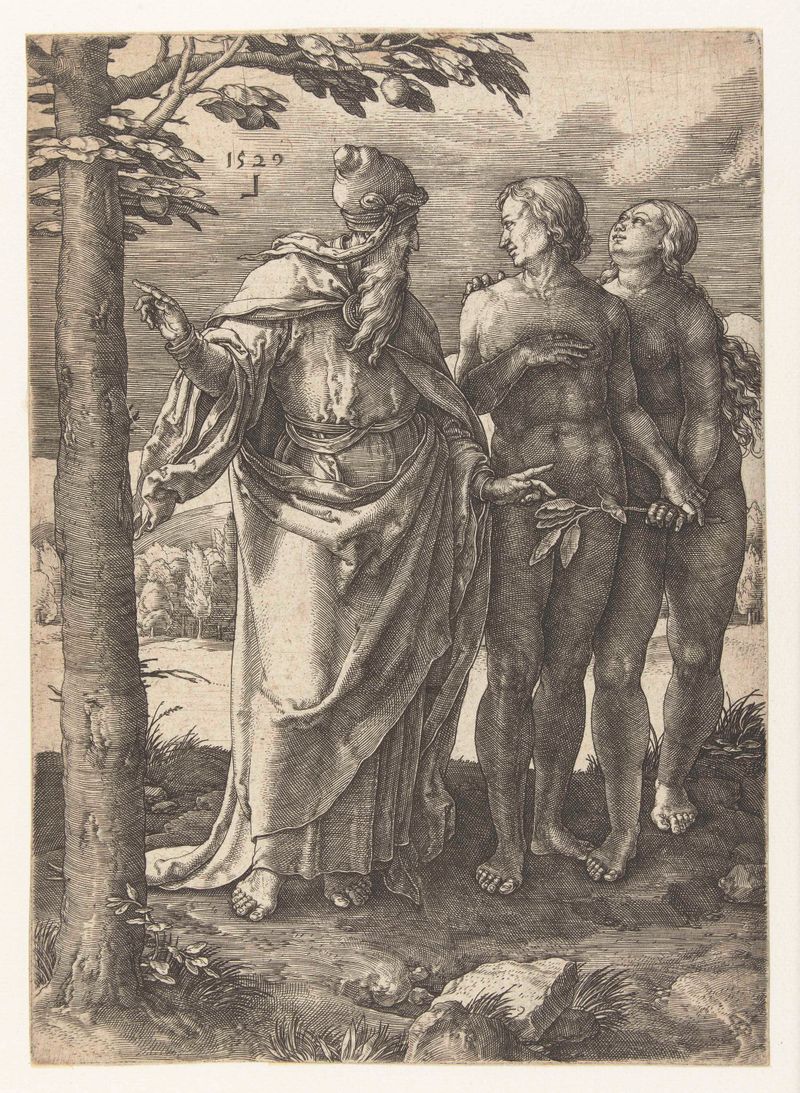
Het eerste verbod
Lucas van Leyden
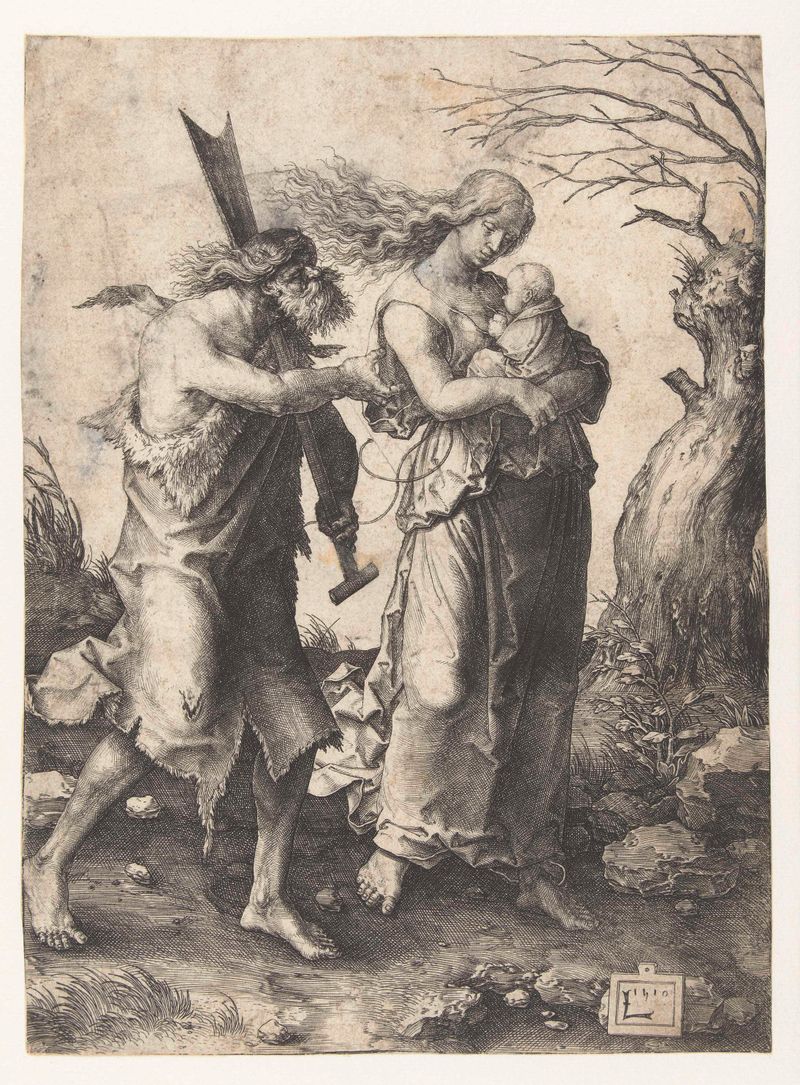
Adam en Eva na de verdrijving uit het paradijs
Lucas van Leyden
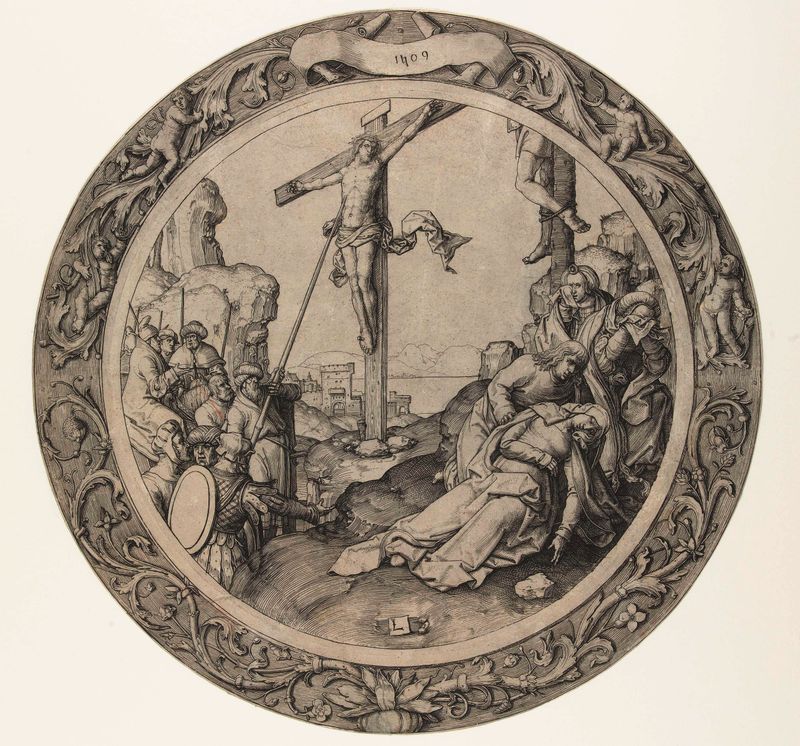
De kruisiging
Lucas van Leyden
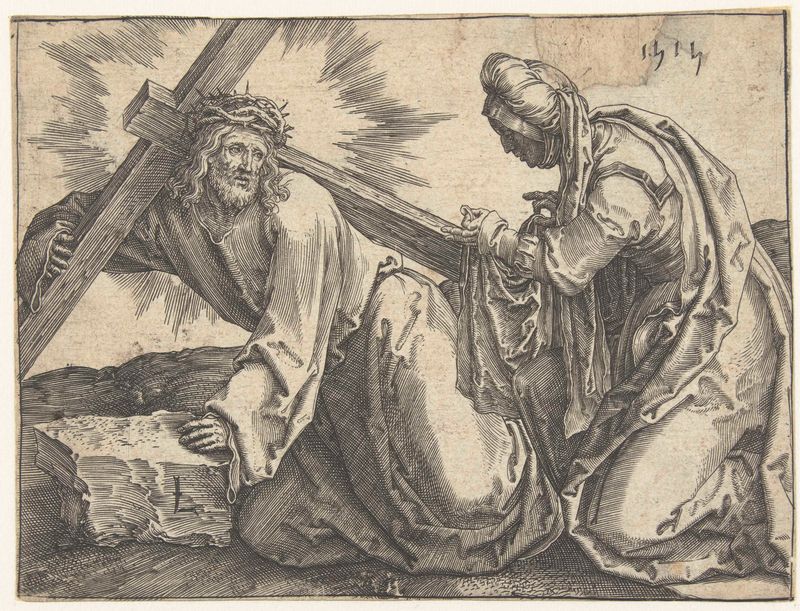
Kruisdraging
Lucas van Leyden
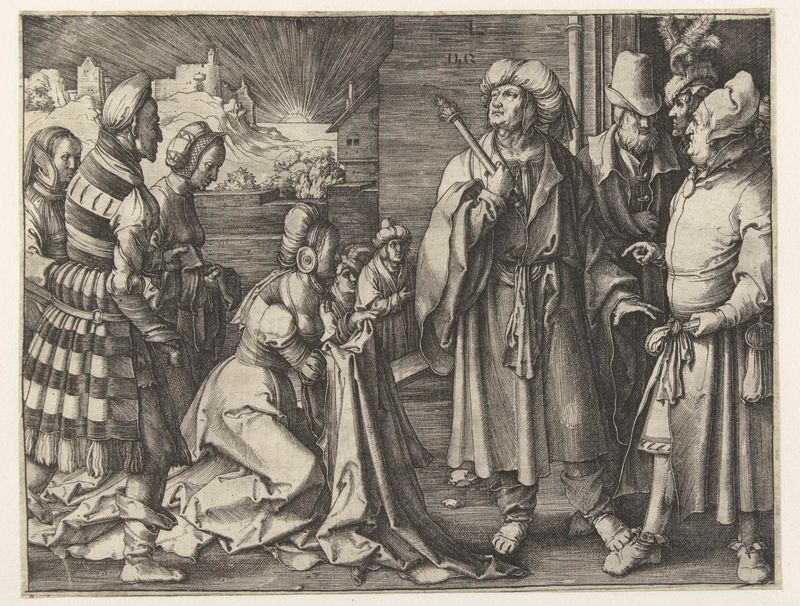
De vrouw van Potifar beschuldigt Jozef
Lucas van Leyden
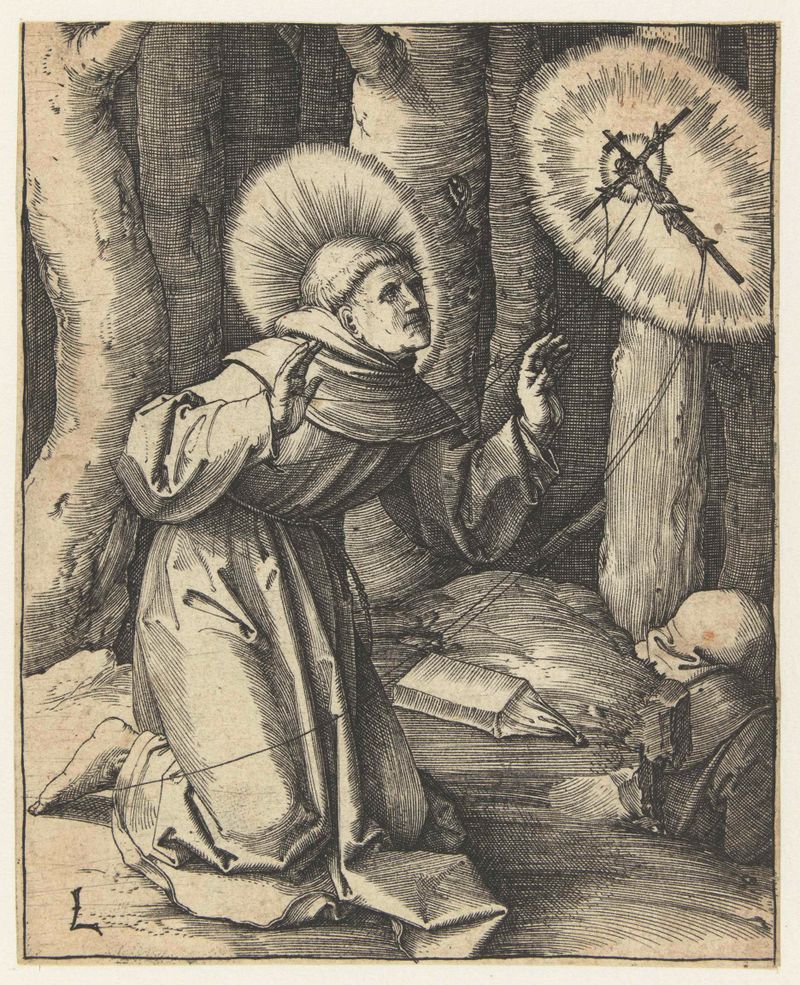
De stigmatisatie van de heilige Franciscus
Lucas van Leyden
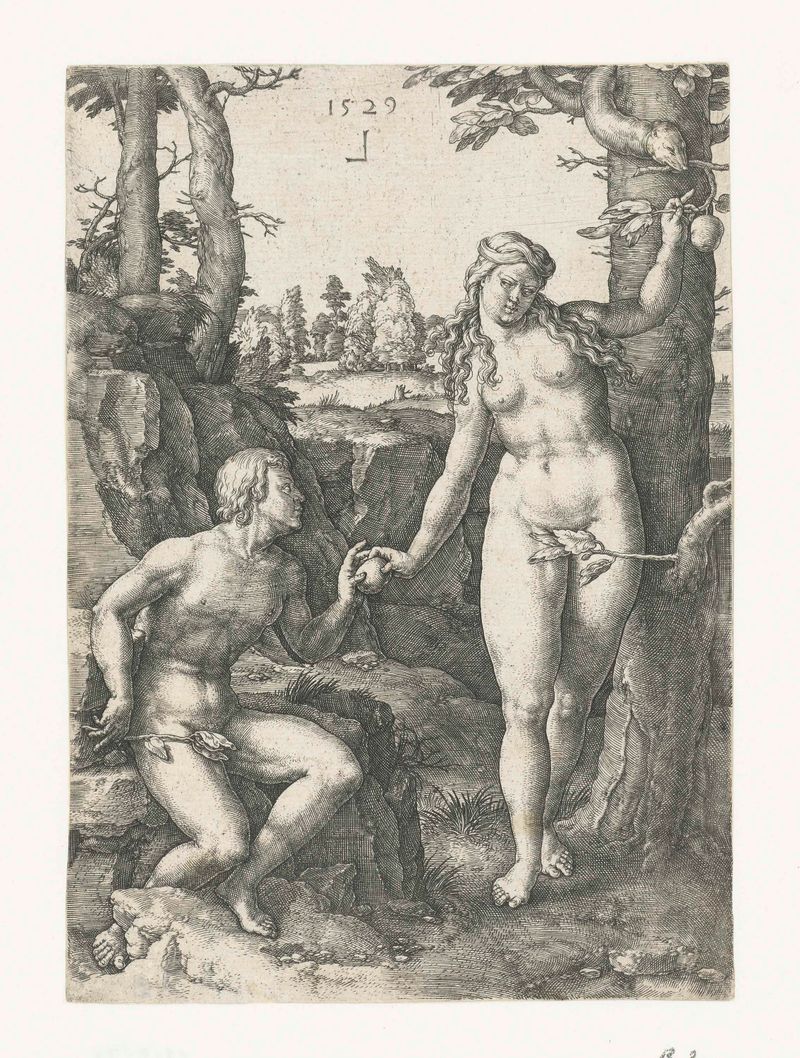
De zondeval
Lucas van Leyden
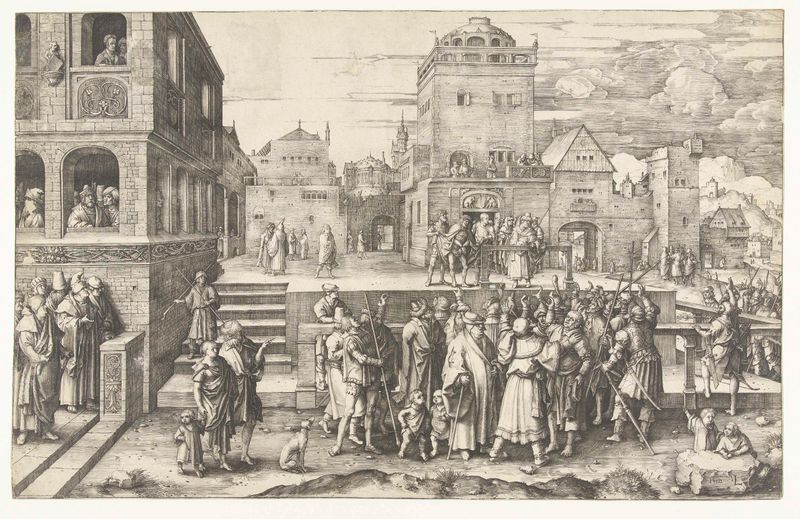
De grote Ecce Homo
Lucas van Leyden
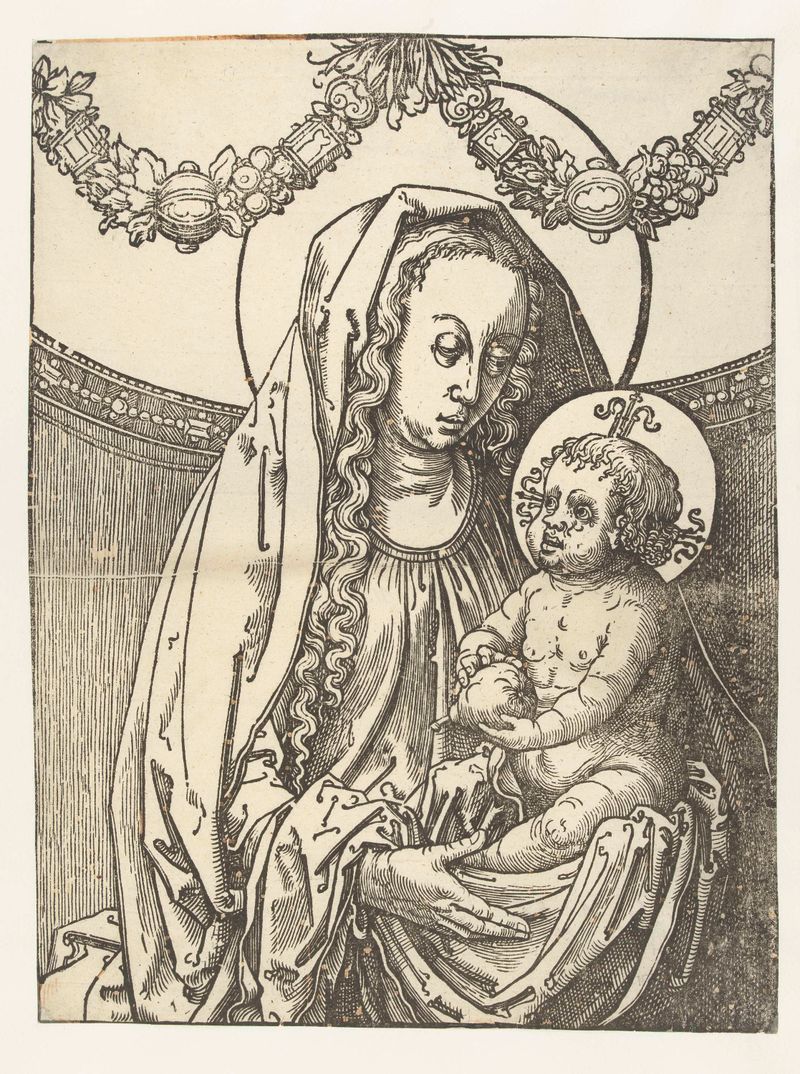
Maria met kind
Lucas van Leyden

Doornenkroning
Lucas van Leyden
More Religious Art
Browse all →
The Return of the Prodigal Son
Rembrandt van Rijn

The Garden of Earthly Delights
El Bosco

Count Orgaz’ funeral
El Greco

The Hundred Guilder Print: the central piece with Christ preaching, the plate arched
Rembrandt van Rijn

The Descent from the Cross
Rogier van der Weyden

The return of the prodigal son
Rembrandt van Rijn