
De apostel Philippus — History & Facts
Where does light end, and longing begin? This question resonates through the intricate details of De apostel Philippus, a painting that invites viewers to contemplate the duality of faith and human emotion. Focus first on the radiant figure of Saint Philip, positioned in the center, his illuminated face reflecting an inner devotion that captivates the heart. Notice how the subtle interplay of light and shadow enhances the texture of his clothing, each fold meticulously rendered, suggesting the weight of his mission. The warm tones of the drapery contrast with the coolness of the background, drawing the eye towards the apostle’s contemplative gaze, which connects us spiritually and physically to the scene. Yet, it is the small details that unlock deeper meanings.
Observe the varied expressions on the faces of those surrounding him, a blend of reverence and skepticism, which speaks to the complex nature of belief. The delicate hands of Philip, raised in an act of blessing, contrast with the tight grips of the onlookers, embodying a tension between faith and doubt. This juxtaposition invites viewers to reflect on their own relationship with belief and the longing for understanding that often accompanies it. Created between 1508 and 1512, this work emerged during a period of significant transformation in the art world, marked by the Northern Renaissance’s embrace of humanism.
Lucas van Leyden, a prominent figure in this movement, was deeply influenced by the growing interest in merging theological themes with human emotion, reflecting the spiritual struggles of his time and his own artistic ambition.
More Artworks by Lucas van Leyden
Browse all →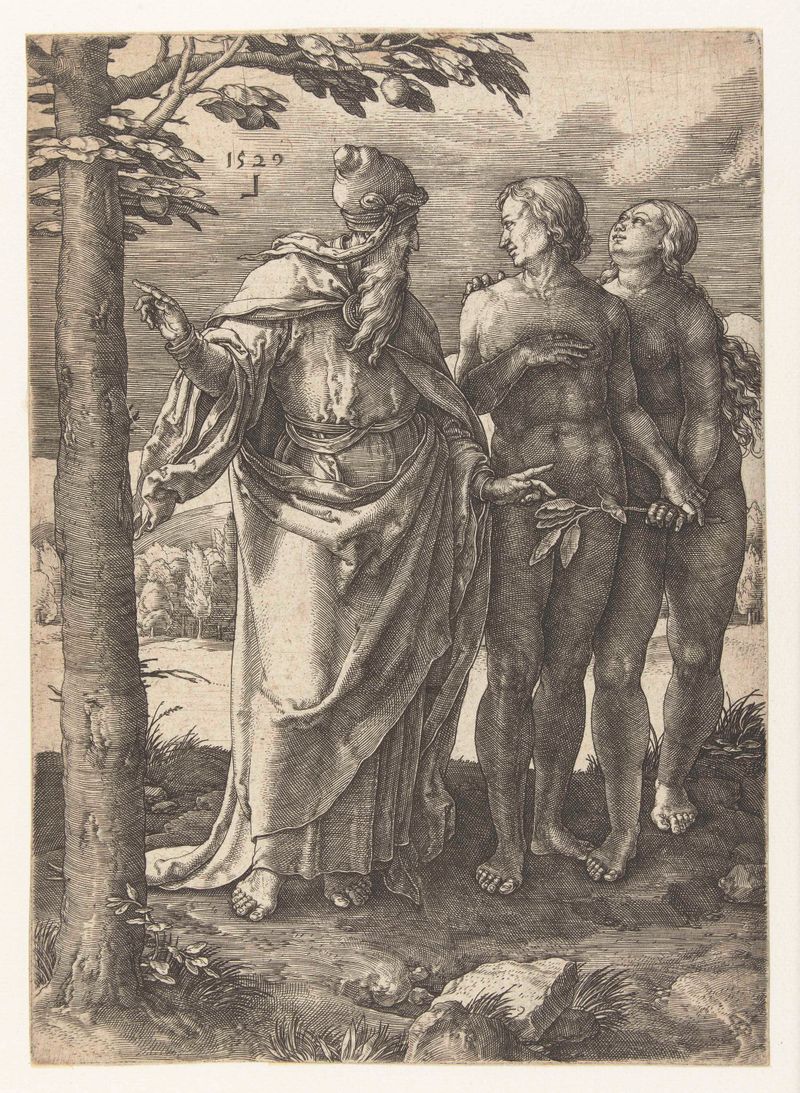
Het eerste verbod
Lucas van Leyden
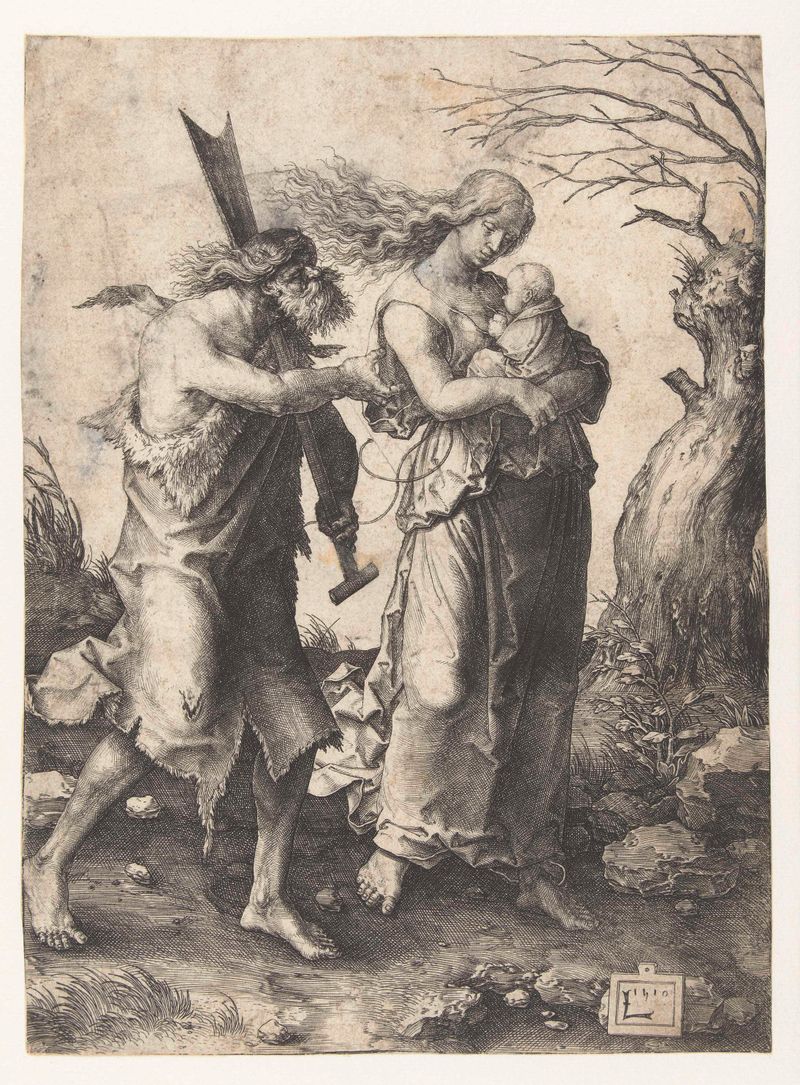
Adam en Eva na de verdrijving uit het paradijs
Lucas van Leyden
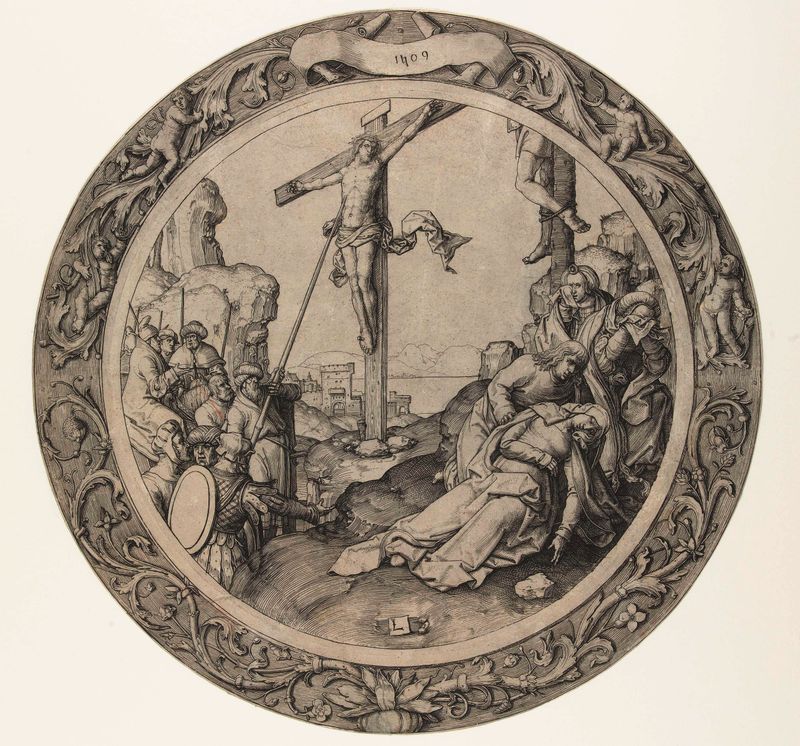
De kruisiging
Lucas van Leyden
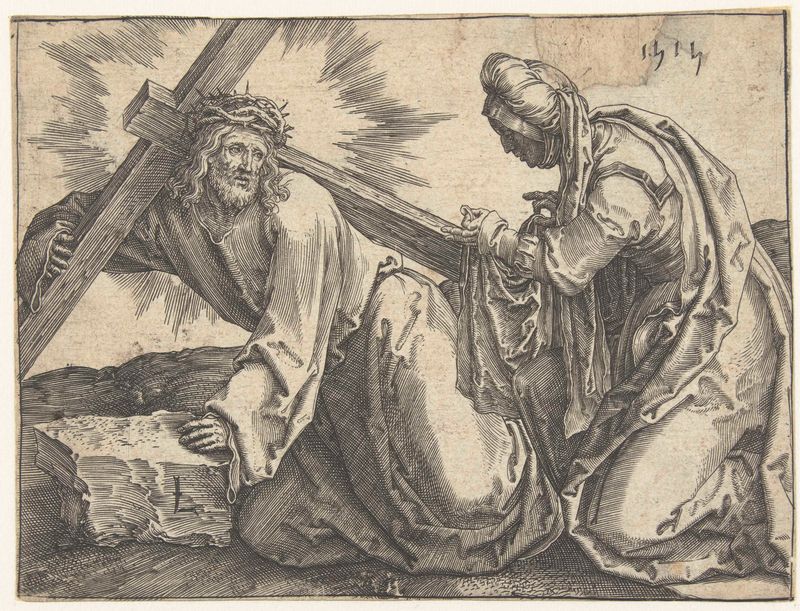
Kruisdraging
Lucas van Leyden
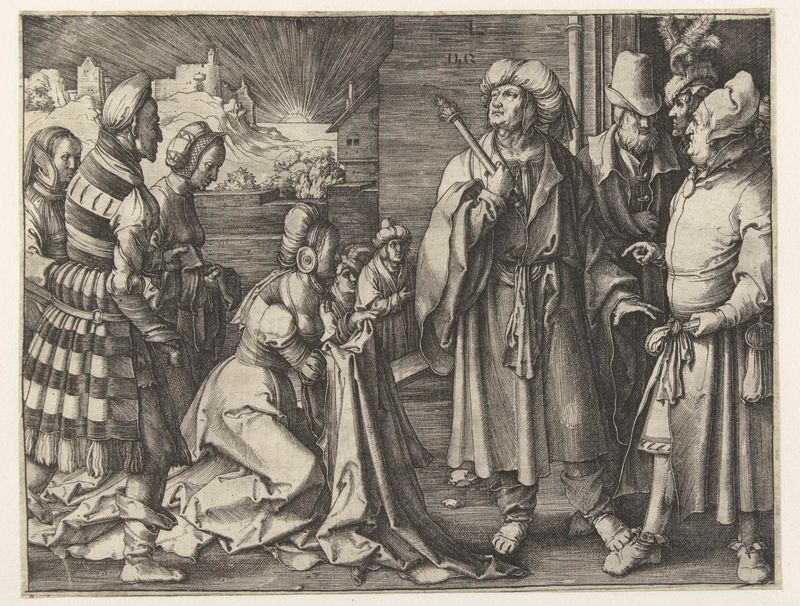
De vrouw van Potifar beschuldigt Jozef
Lucas van Leyden
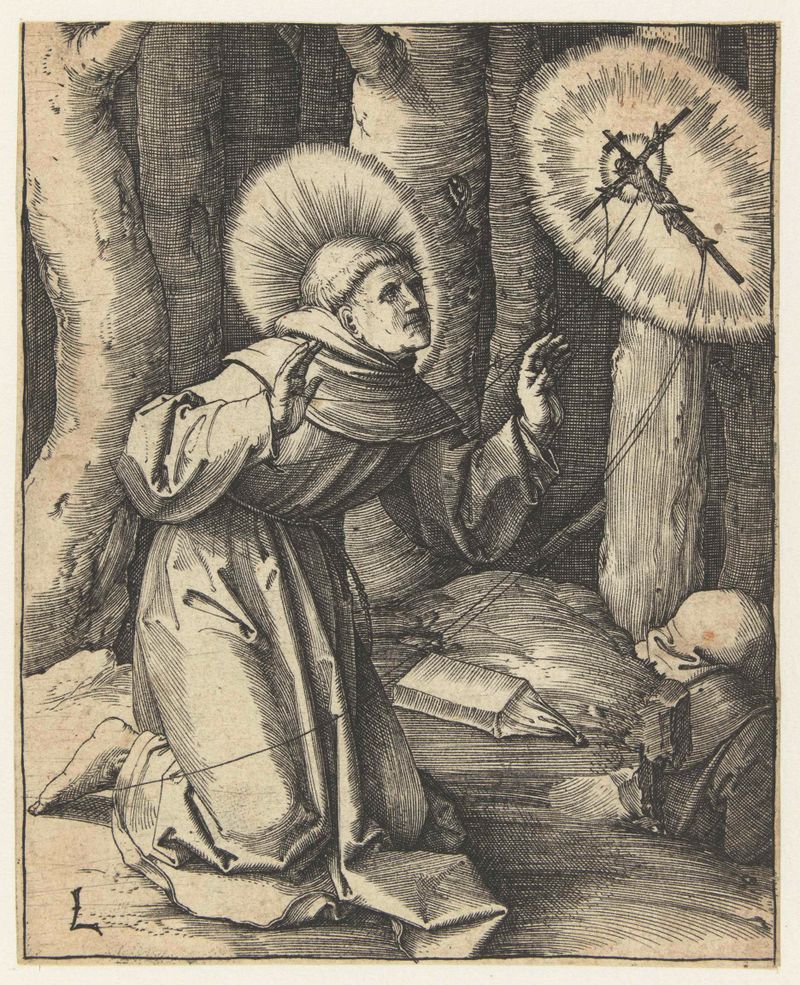
De stigmatisatie van de heilige Franciscus
Lucas van Leyden
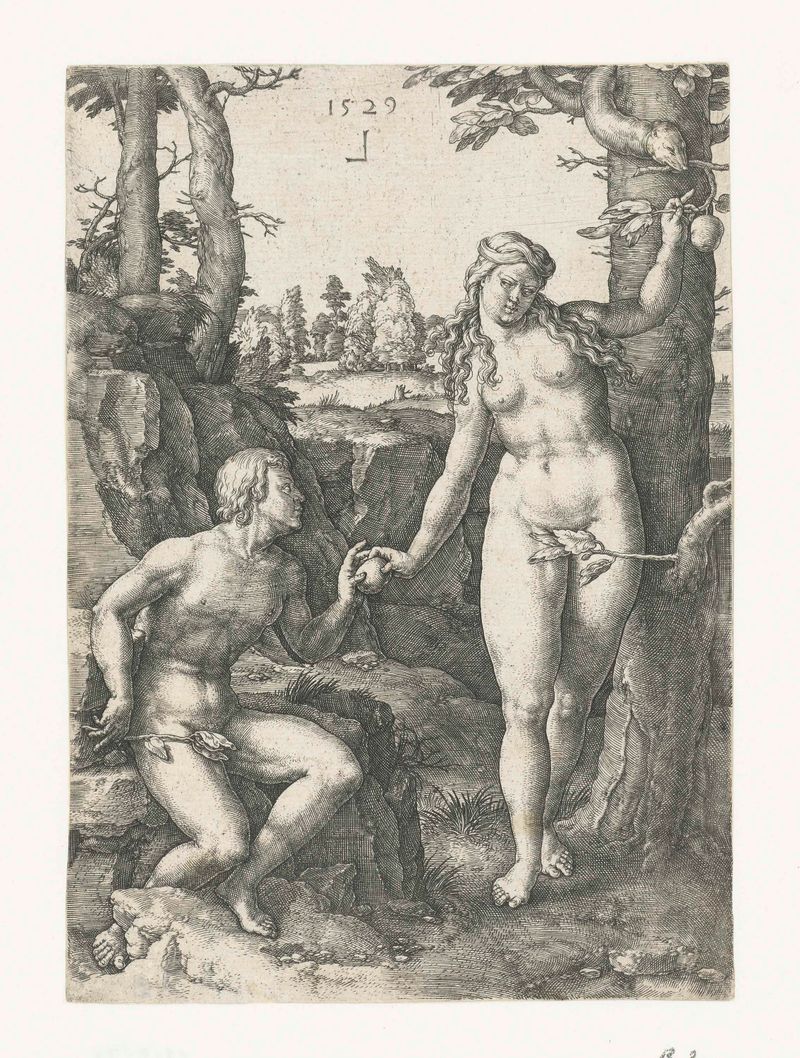
De zondeval
Lucas van Leyden
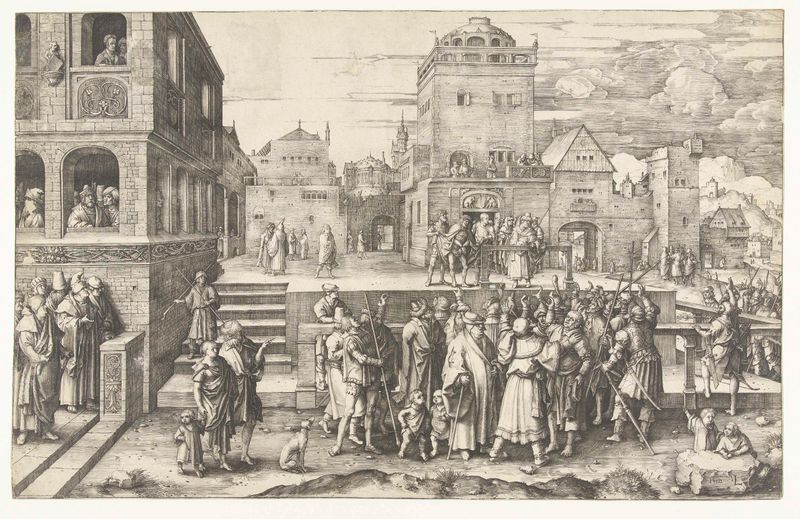
De grote Ecce Homo
Lucas van Leyden
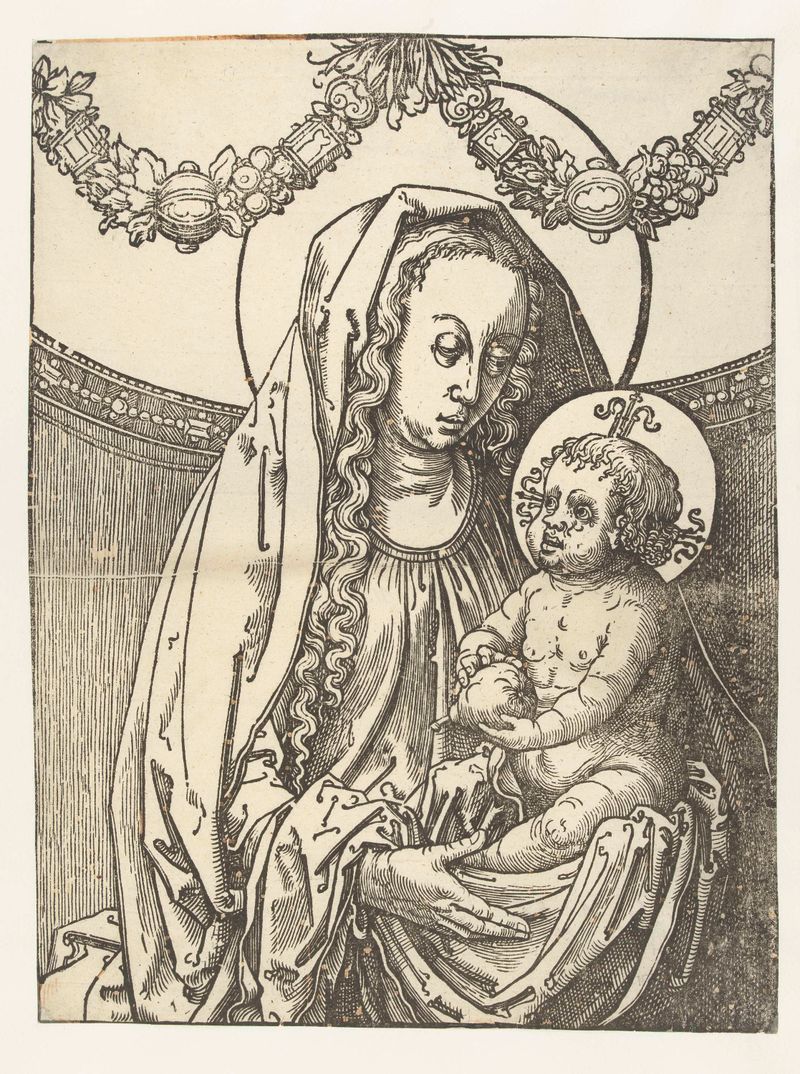
Maria met kind
Lucas van Leyden

Doornenkroning
Lucas van Leyden
More Religious Art
Browse all →
The Return of the Prodigal Son
Rembrandt van Rijn

The Garden of Earthly Delights
El Bosco

Count Orgaz’ funeral
El Greco

The Hundred Guilder Print: the central piece with Christ preaching, the plate arched
Rembrandt van Rijn

The Descent from the Cross
Rogier van der Weyden

The return of the prodigal son
Rembrandt van Rijn