
De apostel Philippus — History & Facts
Could a single brushstroke hold eternity? In De apostel Philippus, beauty is captured not just in its form but in the unfolding narrative that each detail conveys. Look to the left where the figure of Philip stands, robed in vibrant blues and greens that contrast starkly with the somber browns of the background. Notice how the expert use of light illuminates his contemplative expression, drawing you into his internal world. The careful layering of paint gives a palpable texture to his skin, while the delicate highlights accentuate his hands, poised as if ready to grasp the weight of divine truth.
The composition, with Philip centered and framed by the darkened hues, evokes a striking sense of focus and reverence. Within this serene moment lies a tension between the physical and the spiritual. Philip's gaze, directed slightly upward, suggests a quest for understanding, while the dark shadows that envelop him hint at the struggles of faith and conviction. The subtle details, like the gentle curve of his fingers, reflect both vulnerability and strength.
This duality resonates deeply, encouraging viewers to reflect on their own journeys of belief and understanding. Painted between 1508 and 1512, the artist created this work during a time of significant change in the world of art, marked by the rise of Northern Renaissance humanism. Lucas van Leyden was establishing himself as a master of both painting and printmaking, navigating a landscape that valued both realism and spiritual depth. His works were not merely reflections of religious themes but also explorations of human emotion and experience, carving a path for greater artistic expression in the years to come.
More Artworks by Lucas van Leyden
Browse all →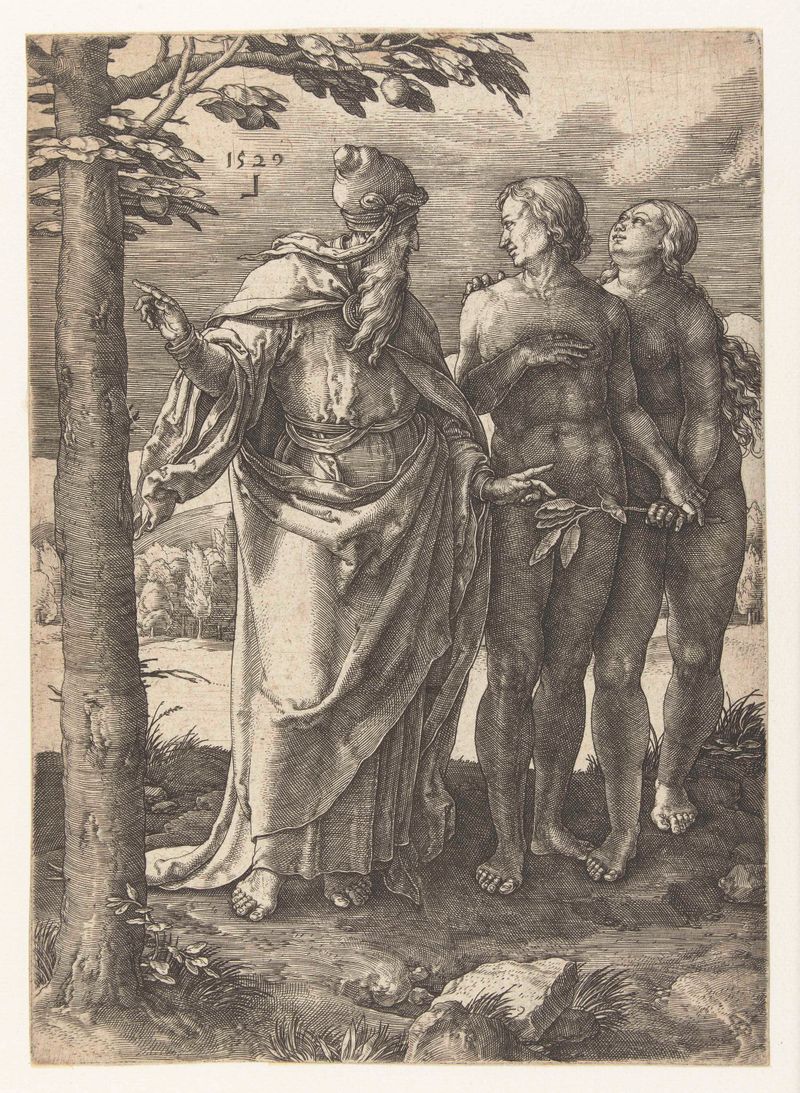
Het eerste verbod
Lucas van Leyden
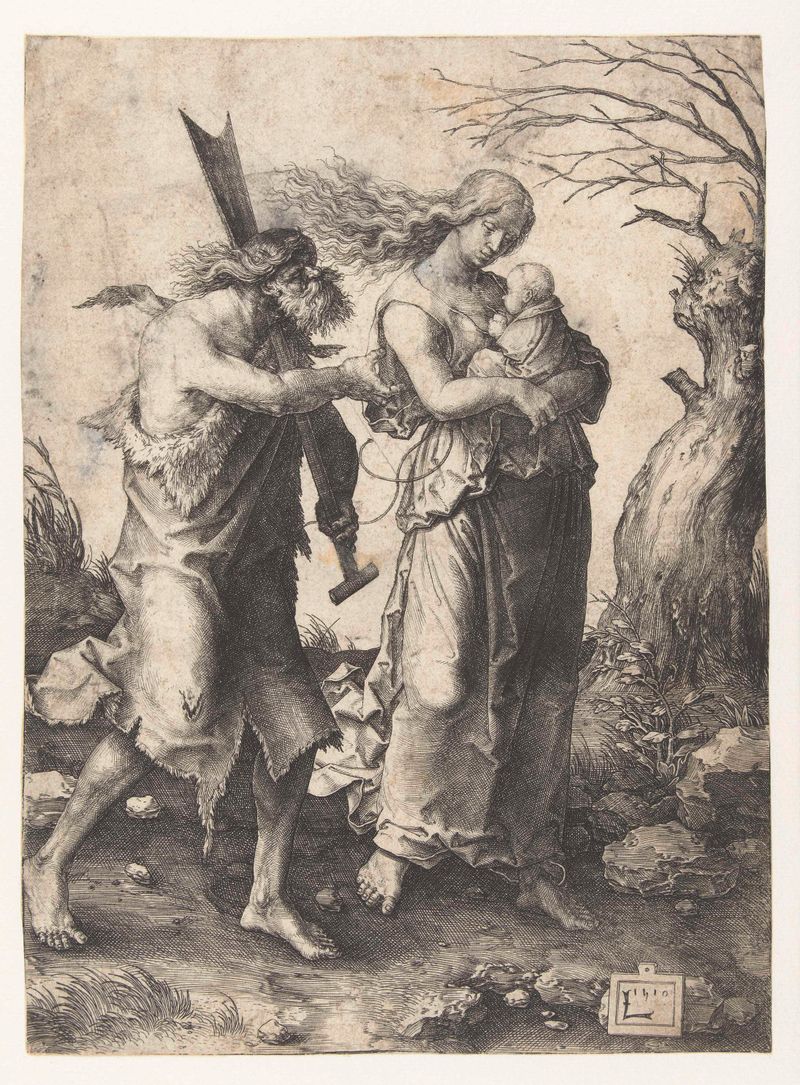
Adam en Eva na de verdrijving uit het paradijs
Lucas van Leyden
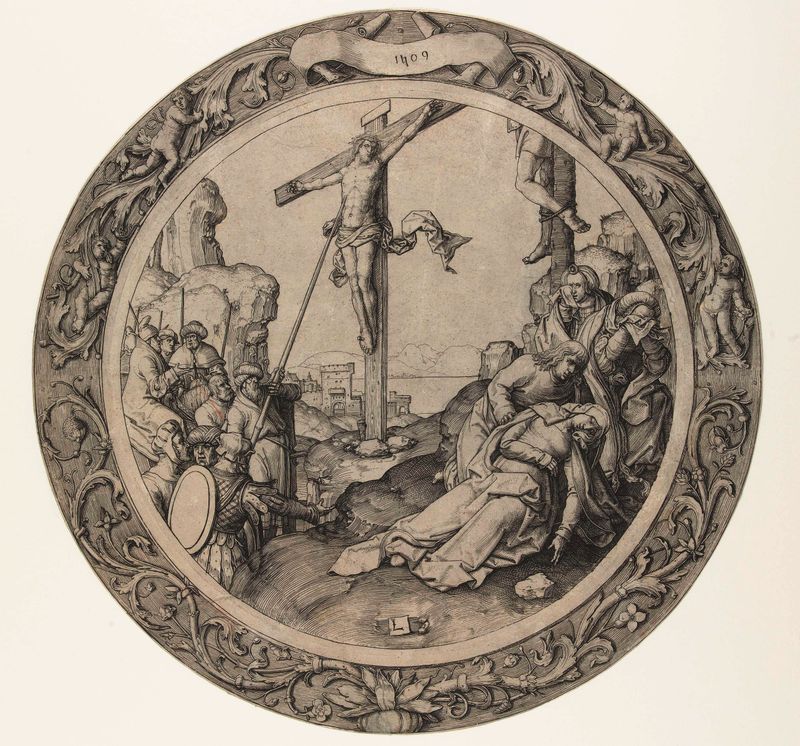
De kruisiging
Lucas van Leyden
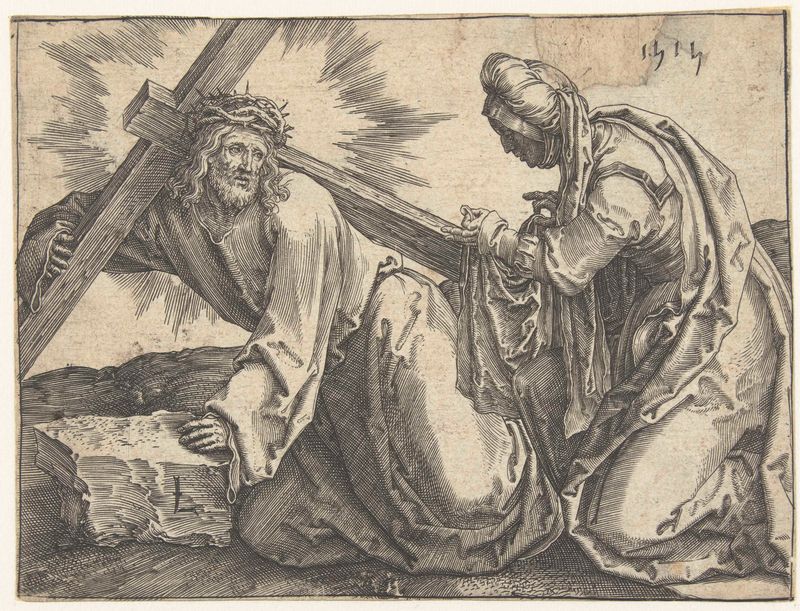
Kruisdraging
Lucas van Leyden
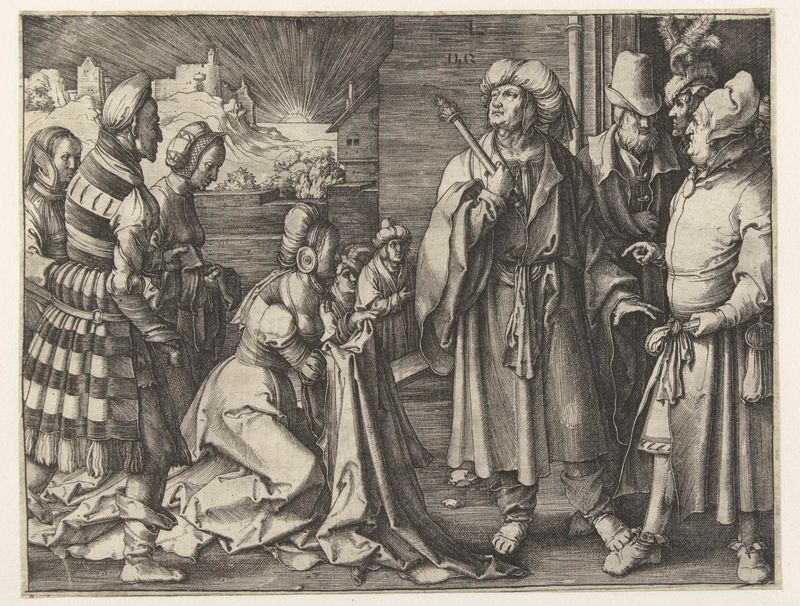
De vrouw van Potifar beschuldigt Jozef
Lucas van Leyden
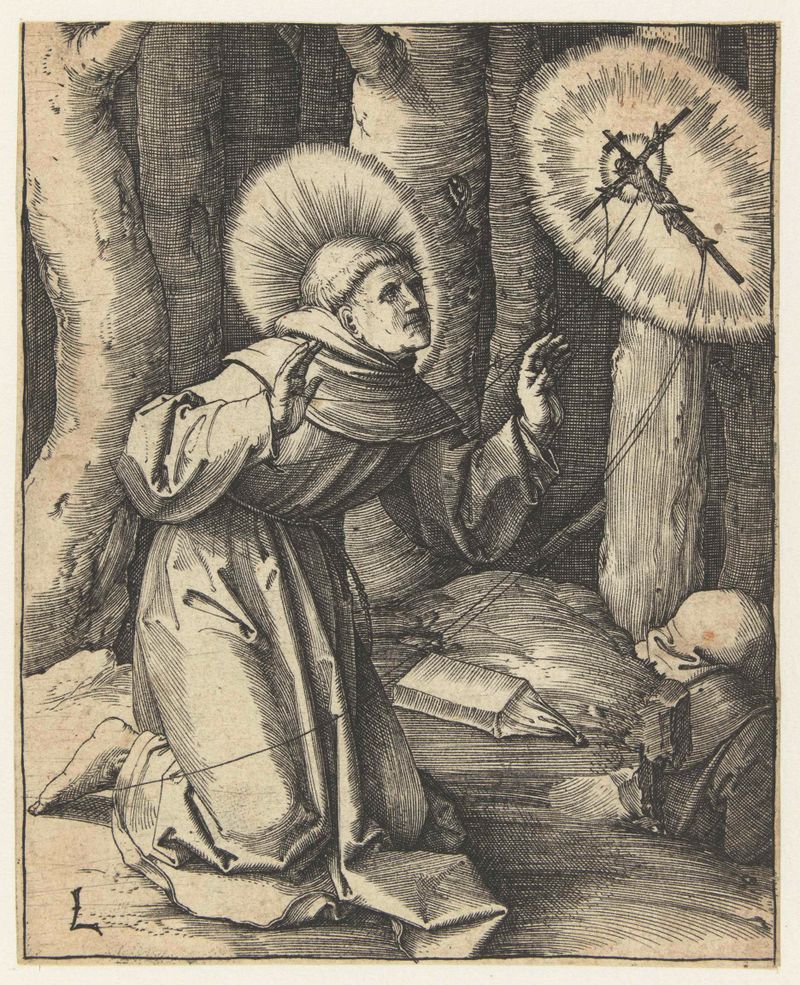
De stigmatisatie van de heilige Franciscus
Lucas van Leyden
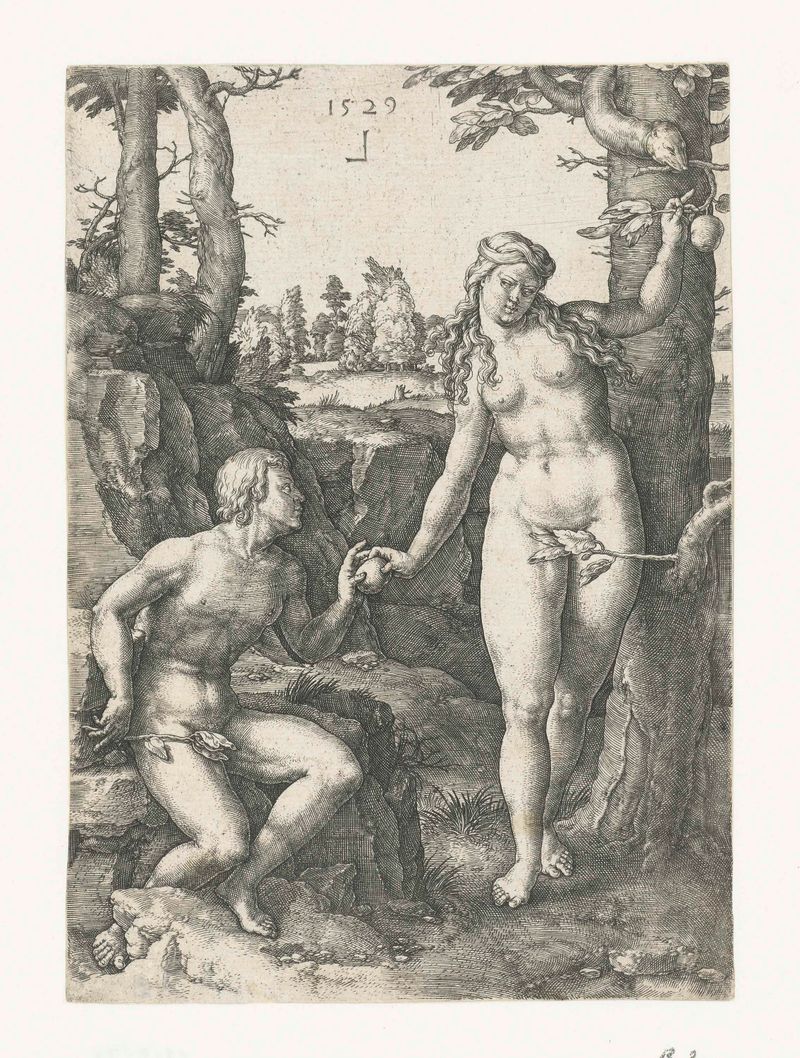
De zondeval
Lucas van Leyden
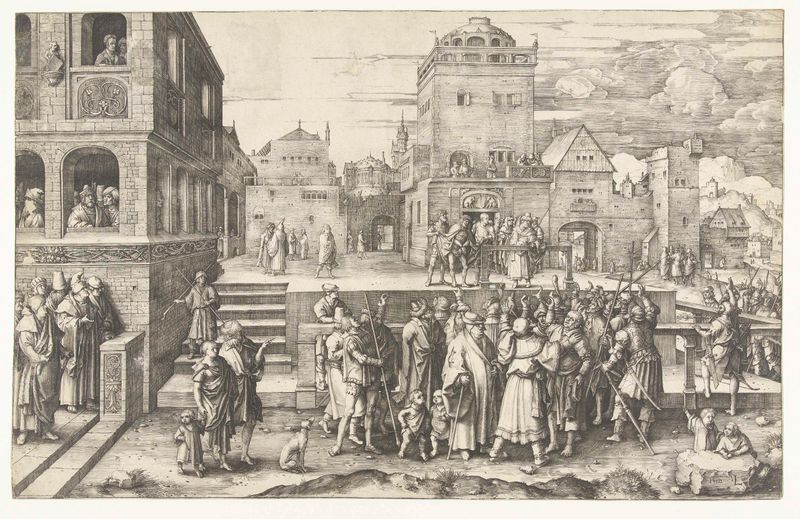
De grote Ecce Homo
Lucas van Leyden
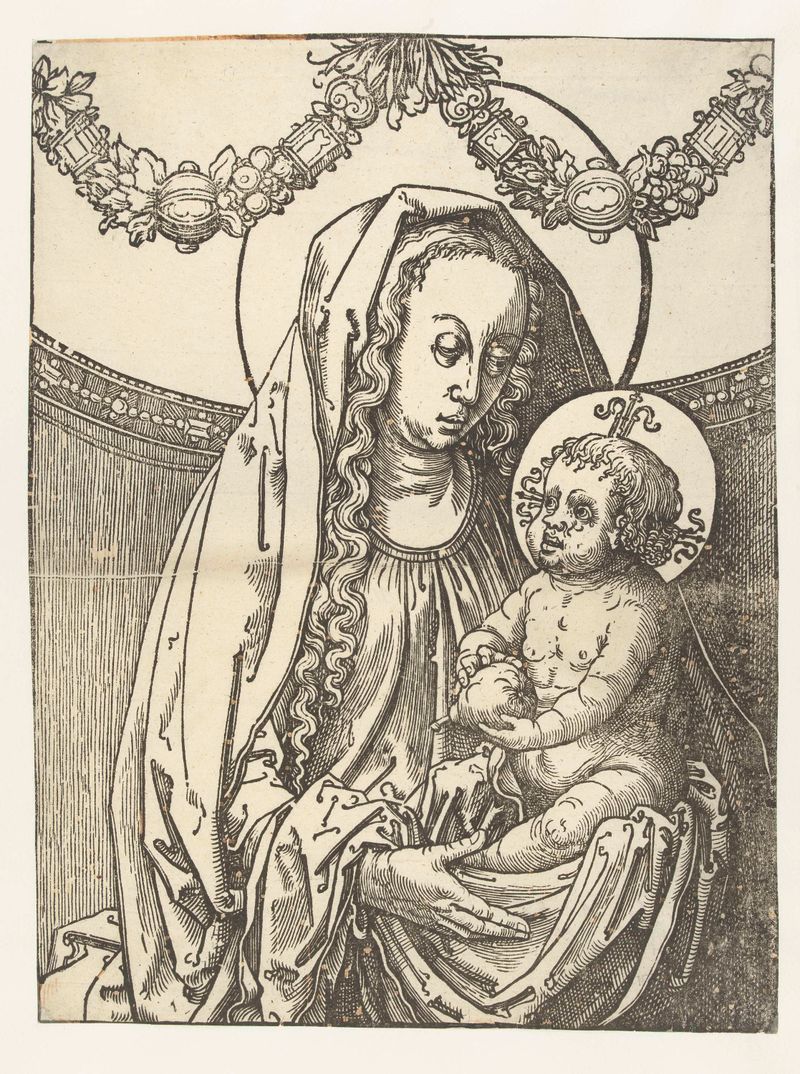
Maria met kind
Lucas van Leyden

Doornenkroning
Lucas van Leyden
More Religious Art
Browse all →
The Return of the Prodigal Son
Rembrandt van Rijn

The Garden of Earthly Delights
El Bosco

Count Orgaz’ funeral
El Greco

The Hundred Guilder Print: the central piece with Christ preaching, the plate arched
Rembrandt van Rijn

The Descent from the Cross
Rogier van der Weyden

The return of the prodigal son
Rembrandt van Rijn