
De apostel Thomas — History & Facts
Can beauty exist without sorrow? In De apostel Thomas, the whisper of nostalgia lingers in every brushstroke, inviting the viewer to ponder the delicate balance of faith and doubt. Look to the left at the figure of Thomas, his expression a blend of disbelief and yearning. The artist employs a warm palette of amber and ochre, contrasting with the cool blues and greens that envelop the background, creating a dynamic interplay of light and shadow. Notice how the light streams softly onto Thomas's face, guiding your gaze to his outstretched hand, poised to touch the Christ's wounded side—an act both intimate and fraught with tension. Delve deeper into the subtleties: the contrast between the ethereal glow of the resurrected figure and the earthiness of Thomas evokes the conflict between the divine and the human experience.
The artist captures not just a moment of revelation, but the weight of Thomas’s inner turmoil, reflecting a broader existential struggle. The soft expressions of the surrounding figures amplify this tension, their silent witness accentuating the isolation that accompanies doubt. During the early 16th century, Lucas van Leyden painted this work amid the rise of humanism, a period rich with exploration of individual experience and emotion. Living in the Netherlands, he was influenced by the changing tides of faith and art, as the Protestant Reformation began to challenge established beliefs.
His engagement with complex themes in De apostel Thomas illustrates a pivotal moment in art history, bridging the spiritual and the humanistic.
More Artworks by Lucas van Leyden
Browse all →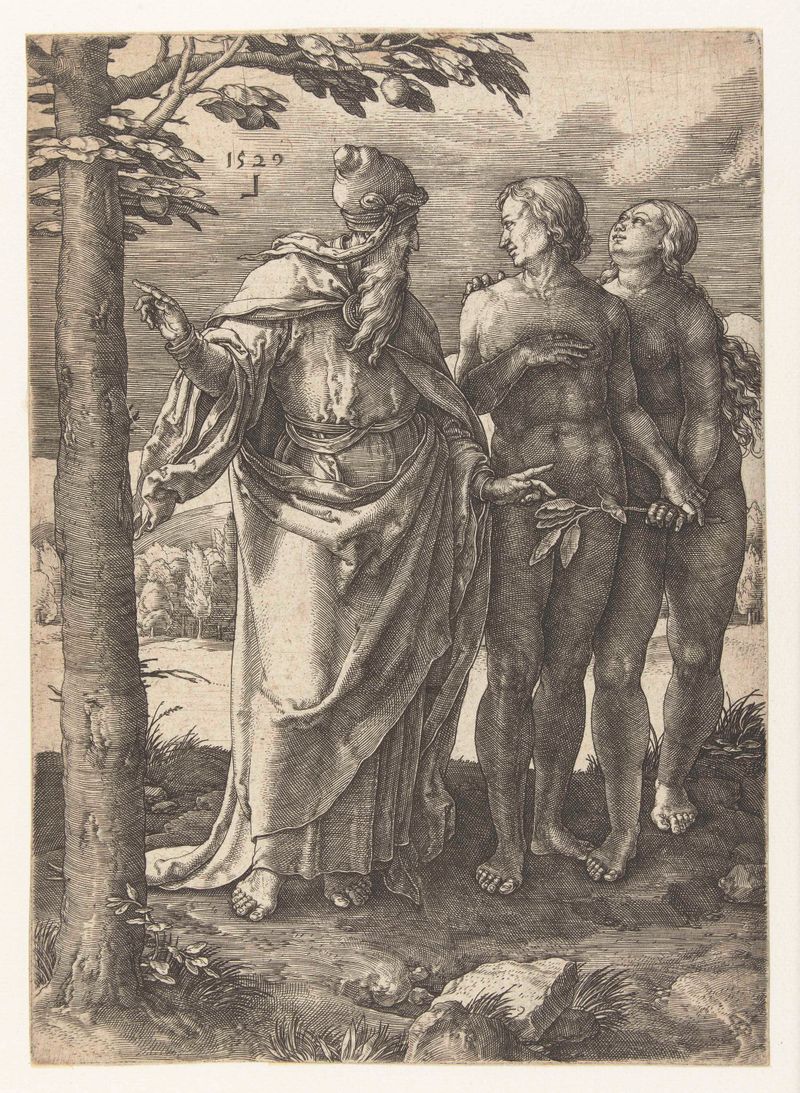
Het eerste verbod
Lucas van Leyden
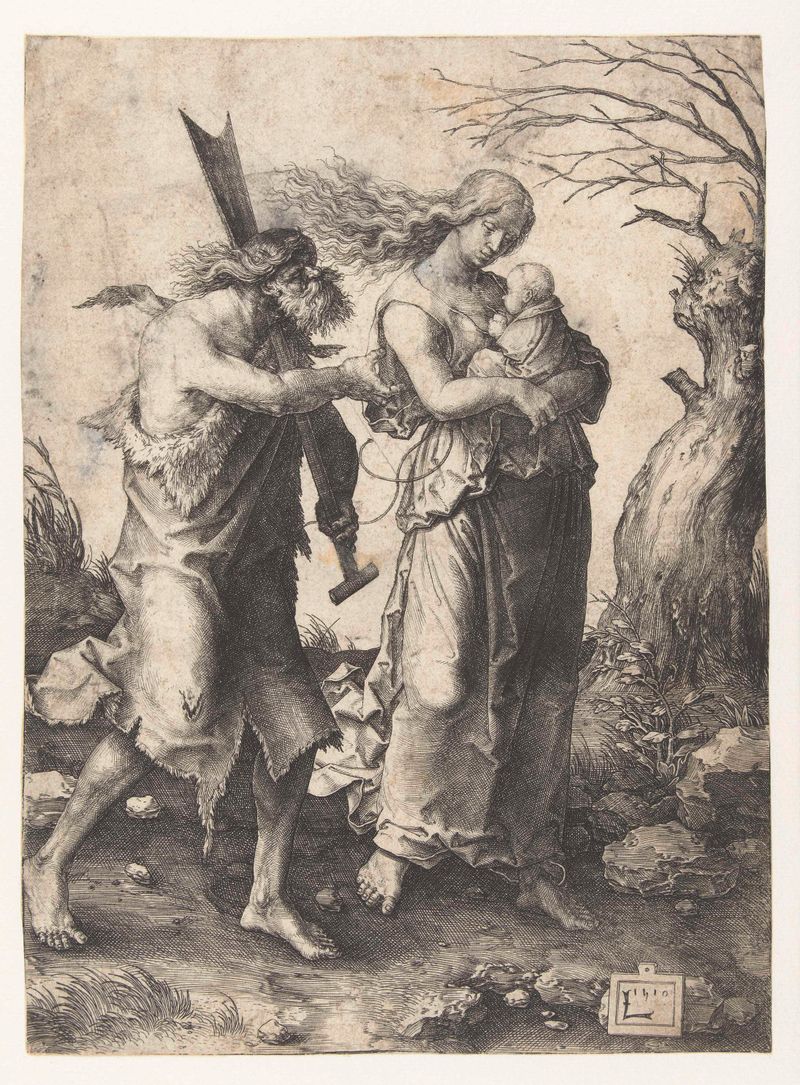
Adam en Eva na de verdrijving uit het paradijs
Lucas van Leyden
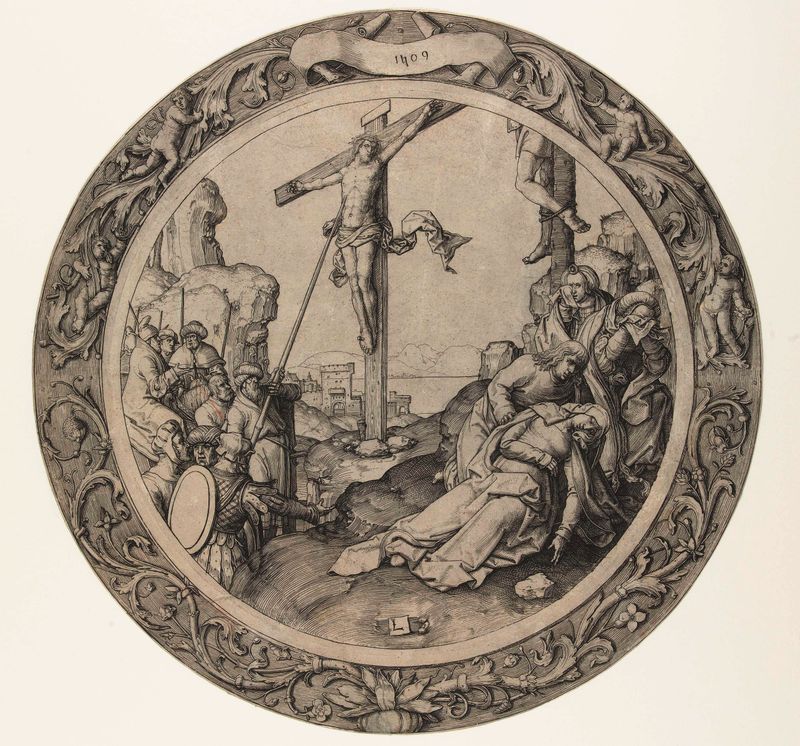
De kruisiging
Lucas van Leyden
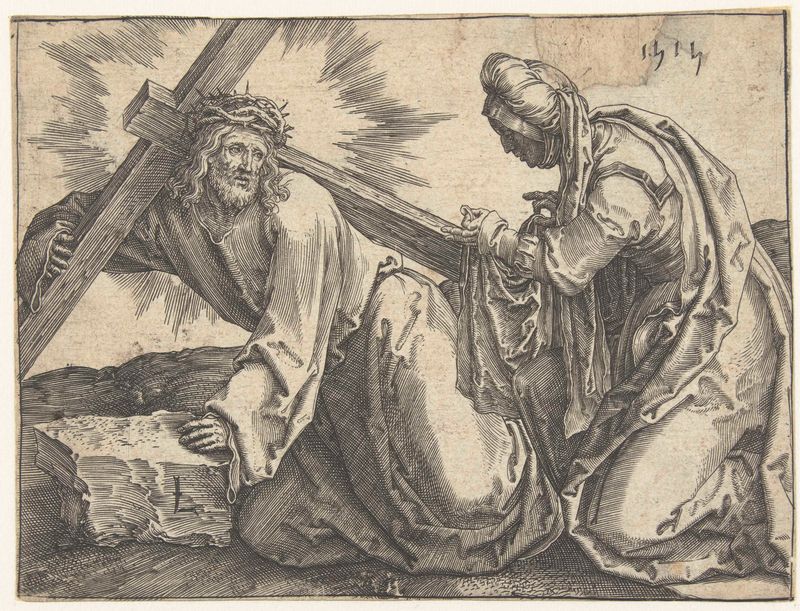
Kruisdraging
Lucas van Leyden
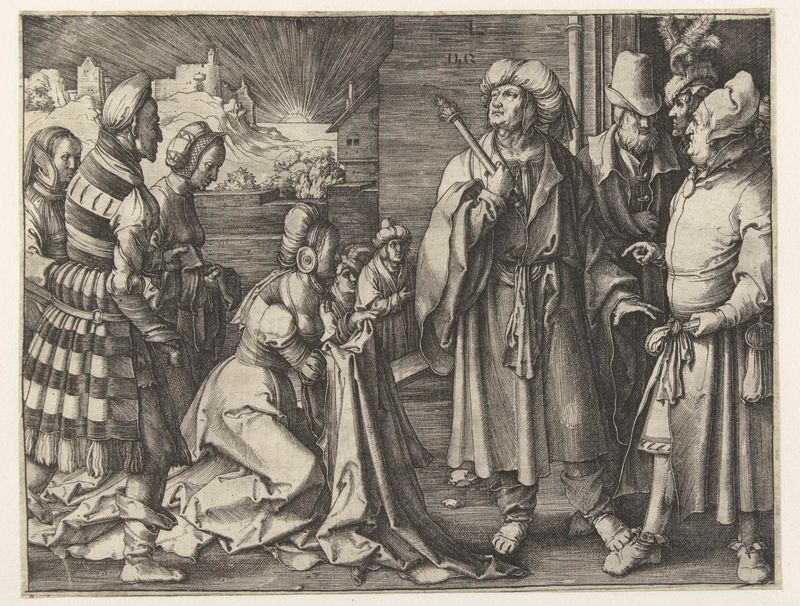
De vrouw van Potifar beschuldigt Jozef
Lucas van Leyden
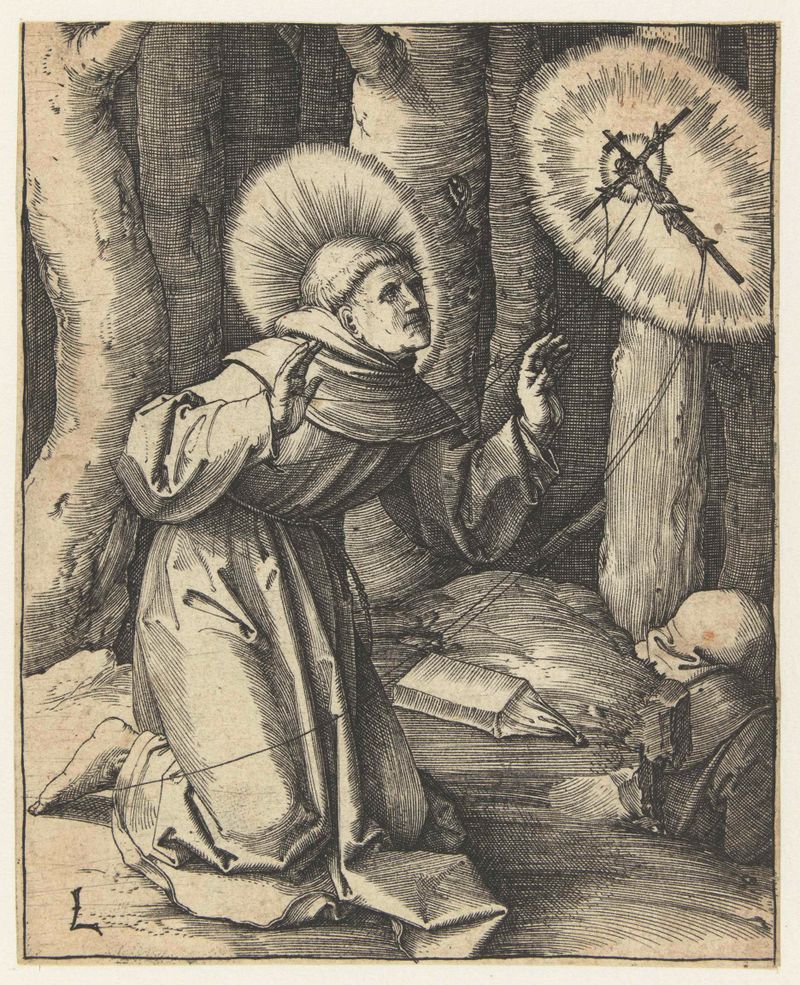
De stigmatisatie van de heilige Franciscus
Lucas van Leyden
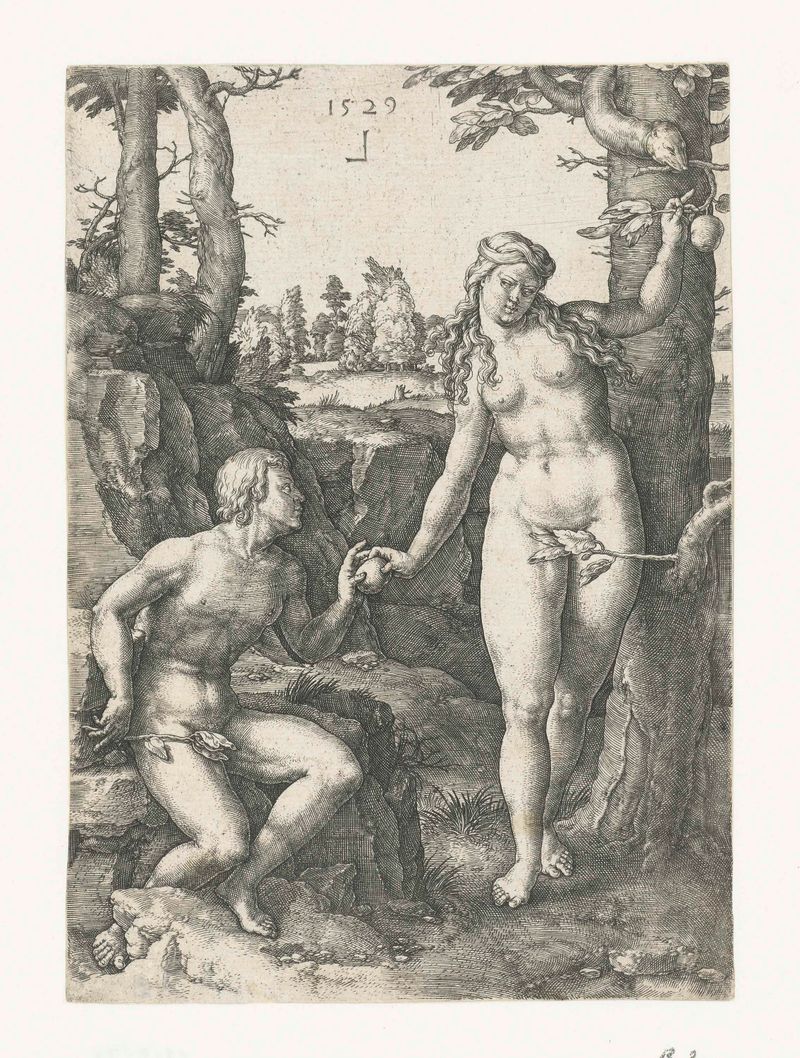
De zondeval
Lucas van Leyden
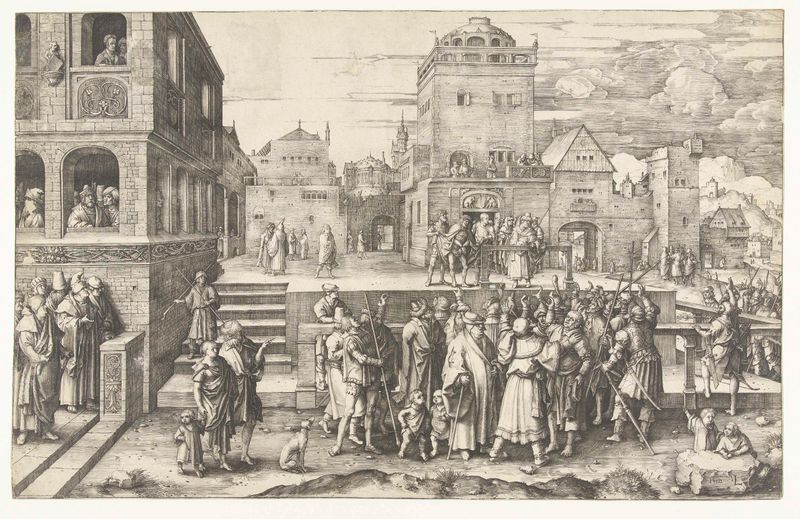
De grote Ecce Homo
Lucas van Leyden
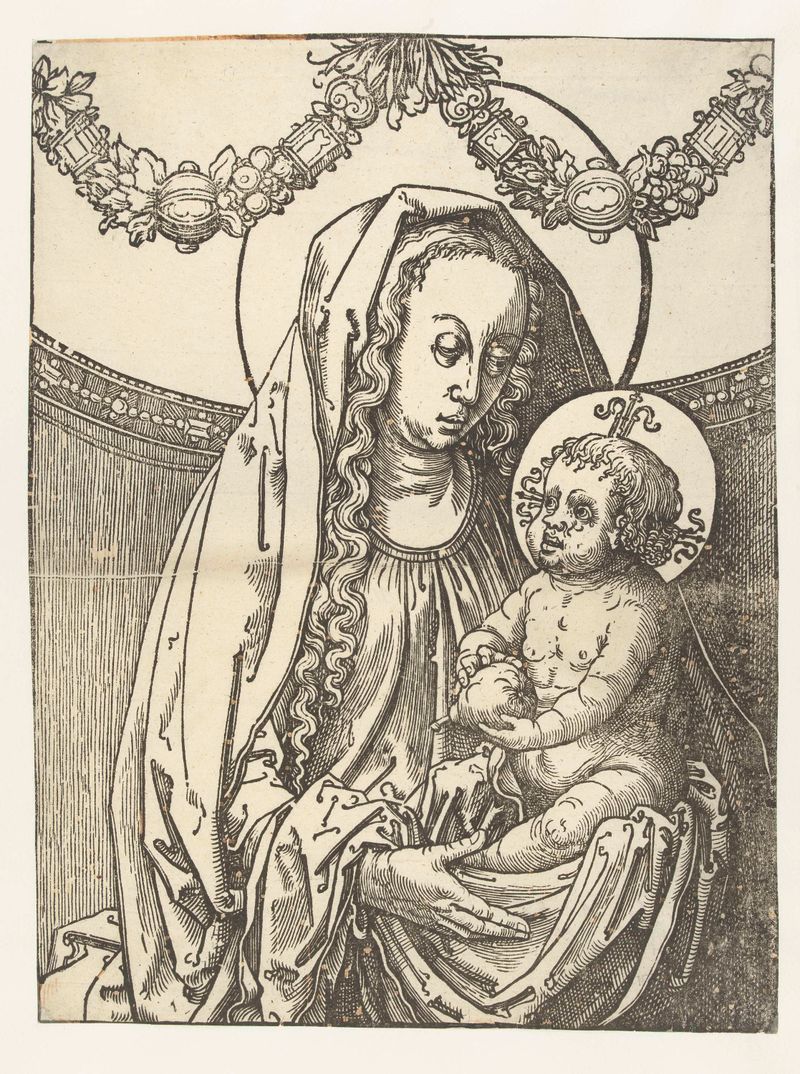
Maria met kind
Lucas van Leyden

Doornenkroning
Lucas van Leyden
More Religious Art
Browse all →
The Return of the Prodigal Son
Rembrandt van Rijn

The Garden of Earthly Delights
El Bosco

Count Orgaz’ funeral
El Greco

The Hundred Guilder Print: the central piece with Christ preaching, the plate arched
Rembrandt van Rijn

The Descent from the Cross
Rogier van der Weyden

The return of the prodigal son
Rembrandt van Rijn