
De apostel Thomas — History & Facts
Who listens when art speaks of silence? In De apostel Thomas, fear manifests not in loud proclamations, but in the quiet tension of a single moment. Focus on the figure of Thomas at the center, his face etched with uncertainty as he gazes downward. The deft strokes of Van Leyden emphasize the soft play of light upon Thomas's brow, illuminating doubt while casting deeper shadows around him. The rich colors — deep reds and muted earth tones — create a nearly palpable atmosphere, inviting viewers to feel the weight of his hesitation. As you delve deeper into the painting, notice how the other figures linger in the background, their expressions a mix of concern and anticipation.
This contrast highlights the isolation of Thomas, who is caught between belief and skepticism, embodying a universal struggle that resonates through the ages. The subtle details, such as the delicate fabric of his robe and the textured surfaces of the surrounding objects, remind us of the tangible world he inhabits, one that is fraught with both faith and fear. Created between 1508 and 1512, this work emerged during a pivotal moment in the Northern Renaissance. Lucas van Leyden was at the forefront of integrating humanist themes into his religious narratives, reflecting the broader cultural shifts of the time.
As religious upheaval began to redefine the very fabric of society, the artist captured a moment that transcends its immediate subject, inviting contemplation on the nature of belief and the human condition.
More Artworks by Lucas van Leyden
Browse all →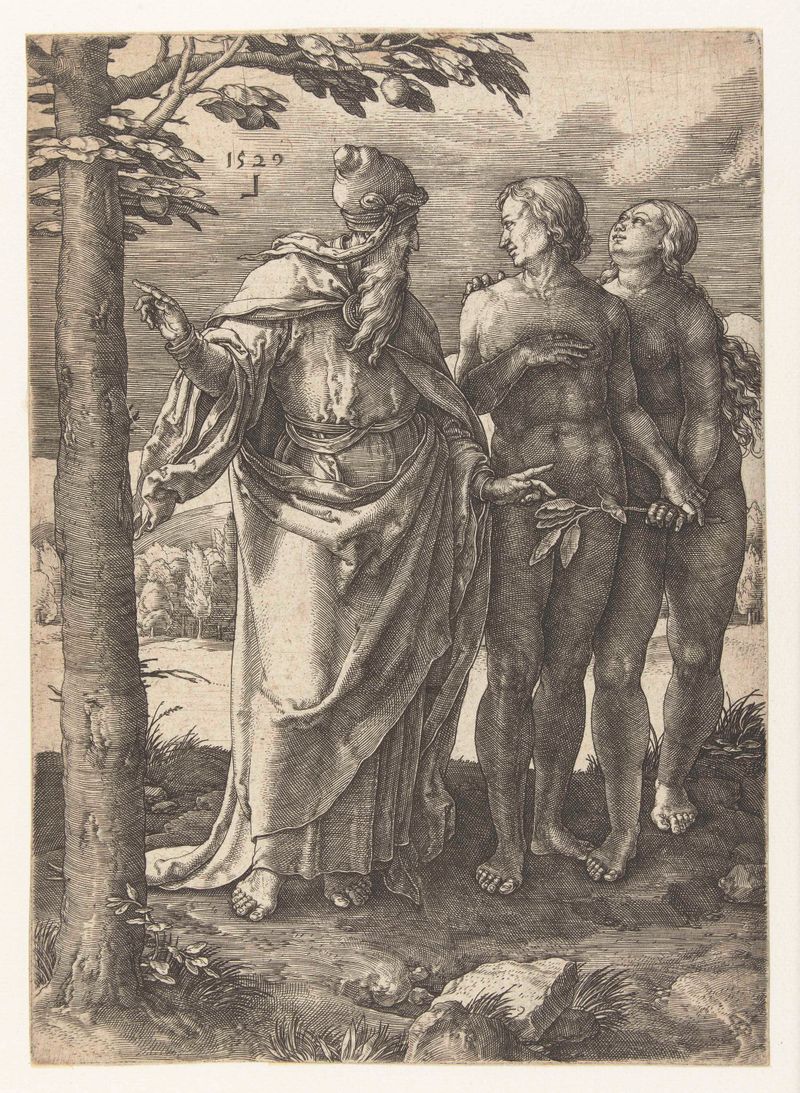
Het eerste verbod
Lucas van Leyden
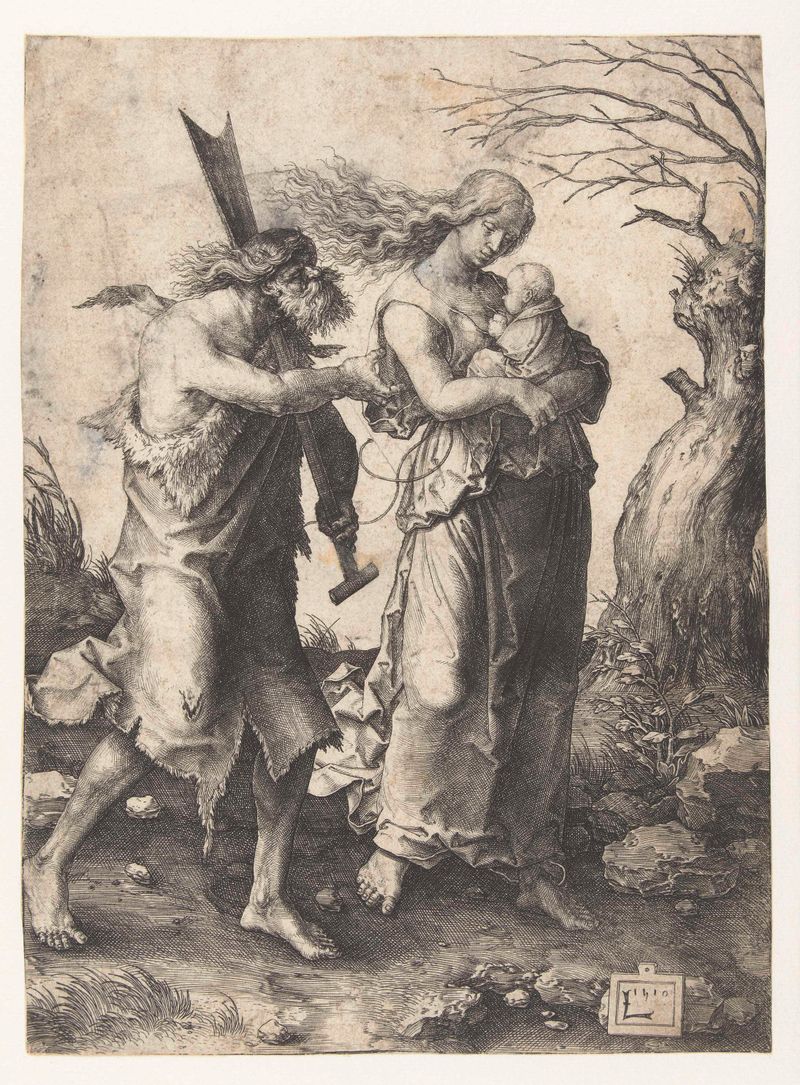
Adam en Eva na de verdrijving uit het paradijs
Lucas van Leyden
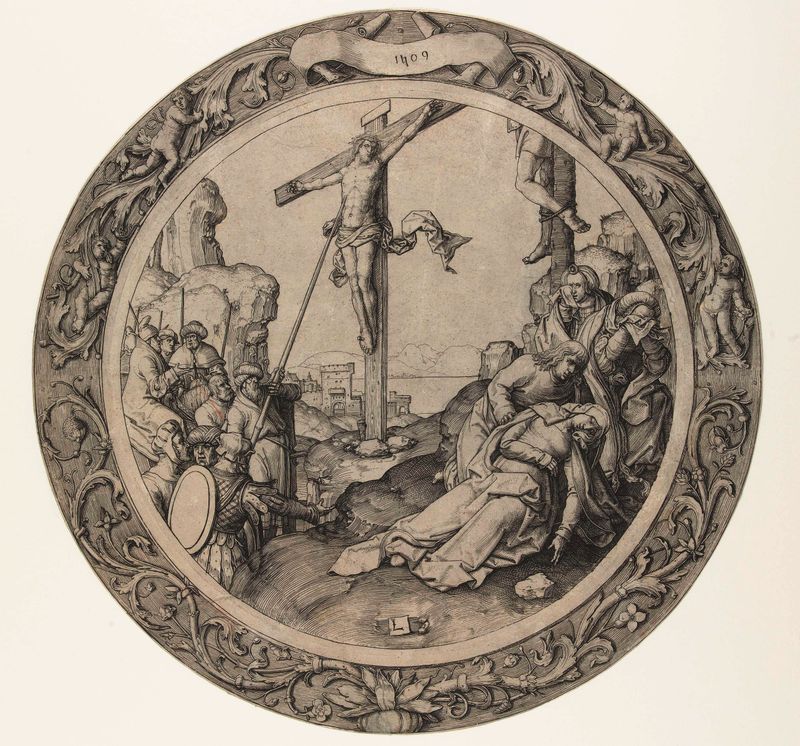
De kruisiging
Lucas van Leyden
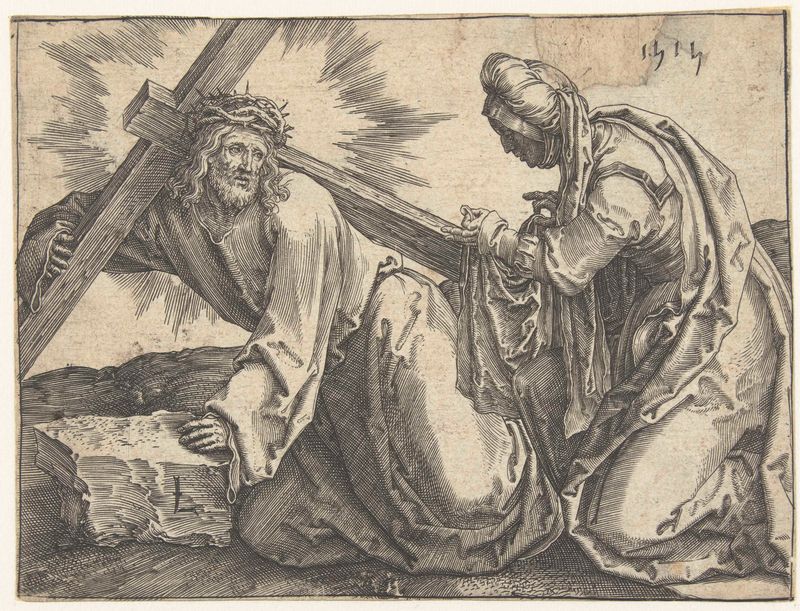
Kruisdraging
Lucas van Leyden
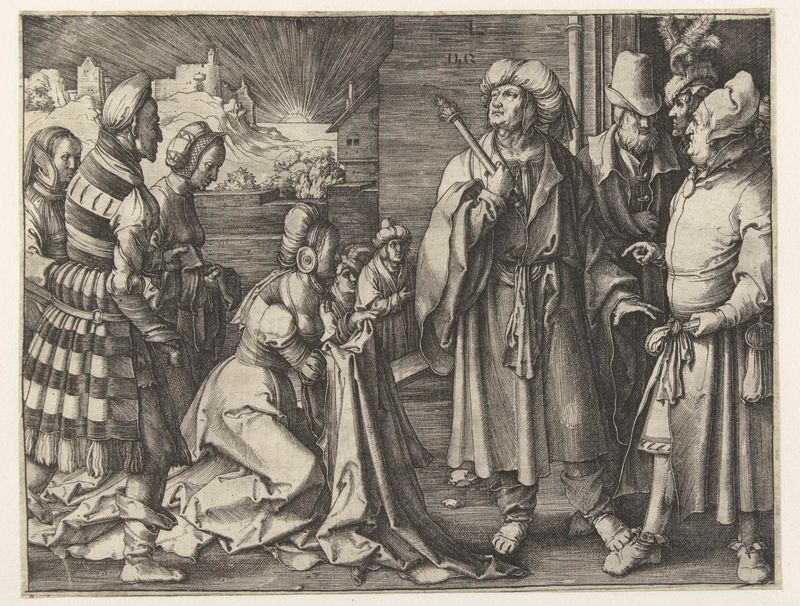
De vrouw van Potifar beschuldigt Jozef
Lucas van Leyden
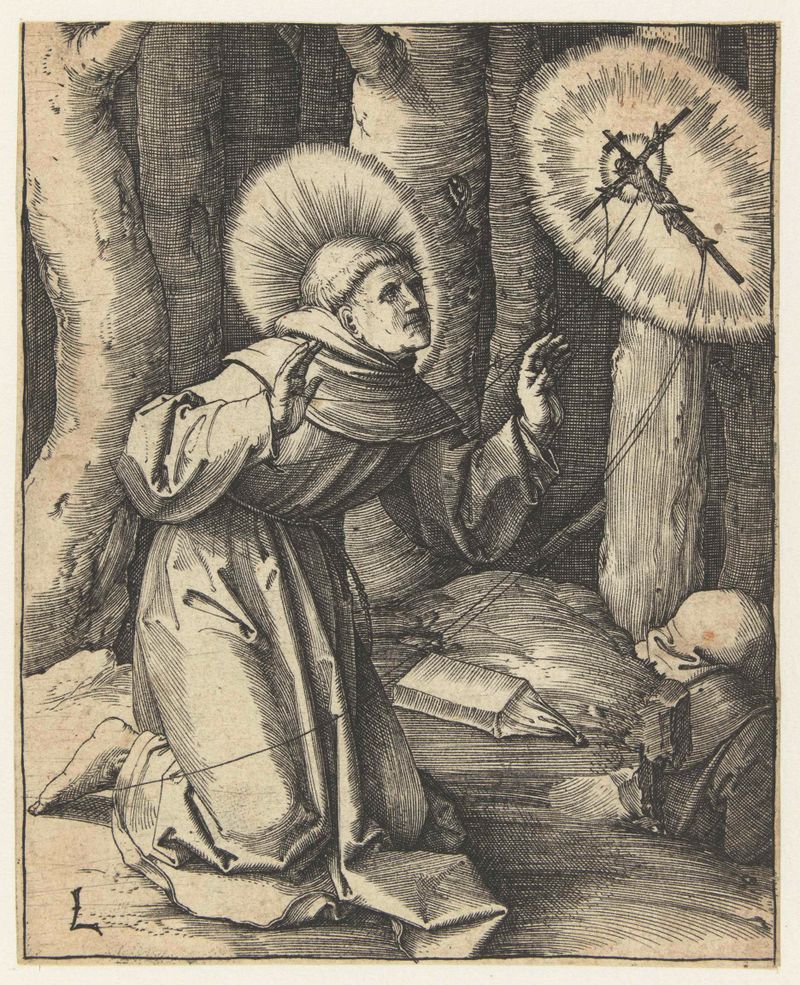
De stigmatisatie van de heilige Franciscus
Lucas van Leyden
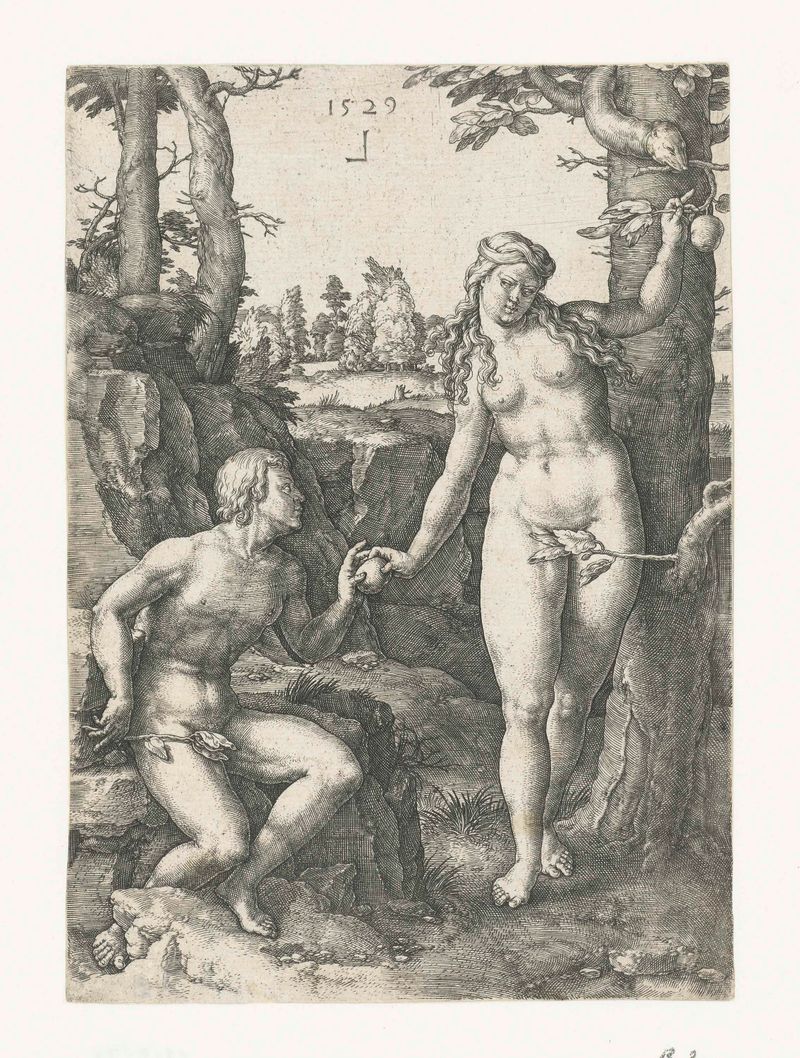
De zondeval
Lucas van Leyden
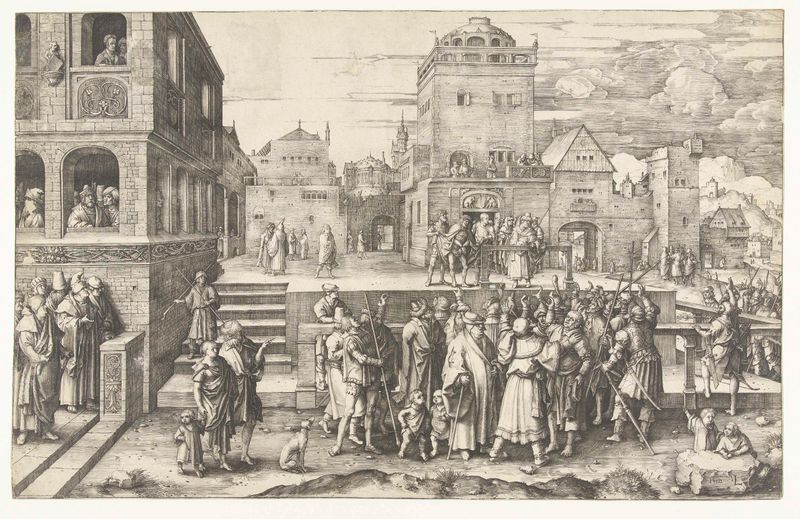
De grote Ecce Homo
Lucas van Leyden
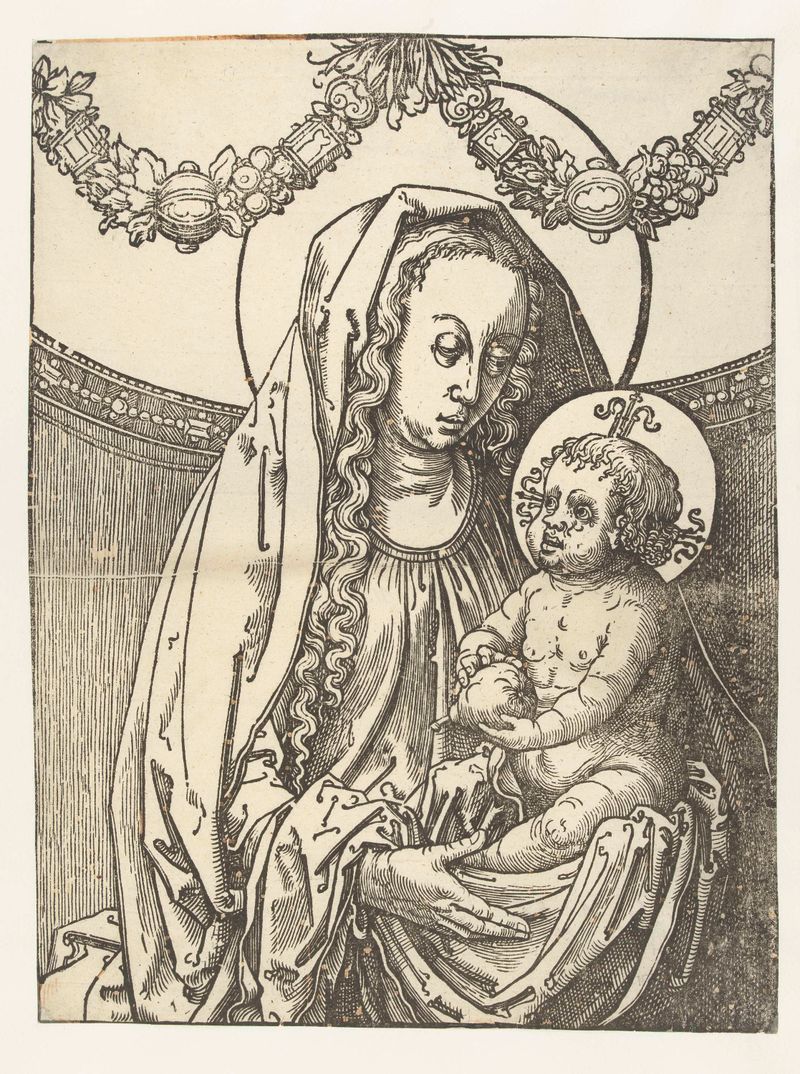
Maria met kind
Lucas van Leyden

Doornenkroning
Lucas van Leyden
More Religious Art
Browse all →
The Return of the Prodigal Son
Rembrandt van Rijn

The Garden of Earthly Delights
El Bosco

Count Orgaz’ funeral
El Greco

The Hundred Guilder Print: the central piece with Christ preaching, the plate arched
Rembrandt van Rijn

The Descent from the Cross
Rogier van der Weyden

The return of the prodigal son
Rembrandt van Rijn