
De Appelmarkt — History & Facts
Can beauty exist without sorrow? The question lingers as we gaze upon the intricate tapestry of life that unfolds in this remarkable piece. Look to the left at the bustling market stalls, where vendors, adorned in vibrant garments, engage in lively trade. Notice the warm golden hues that bathe the scene, illuminating the rich colors of fruits and fabrics alike, while shadows dance playfully, hinting at the passage of time. The painting’s meticulous attention to detail draws your eye toward the animated gestures of the people, capturing a moment suspended between joy and the relentless march of daily routine. As you delve deeper, consider the juxtaposition of vibrancy and solitude; amidst the chatter, a solitary figure stands apart, cloaked in a muted palette.
This tension between the collective joy of commerce and the quiet introspection evokes a poignant recognition of life's duality. The carefully constructed composition, with its dynamic diagonals and contrasting colors, serves as a visual reminder of the fragility of happiness amidst the chaos of existence. Created between 1657 and 1670, this work emerged while Reinier Nooms was entrenched in the bustling milieu of Amsterdam, where art flourished alongside the burgeoning mercantile economy. The period was marked by a growing interest in everyday life as subjects of art, reflecting the social dynamics of the time.
During these years, Nooms carved a niche for himself, intertwining landscapes with intimate glimpses of urban life, forever capturing the essence of human experience.
More Artworks by Reinier Nooms
Browse all →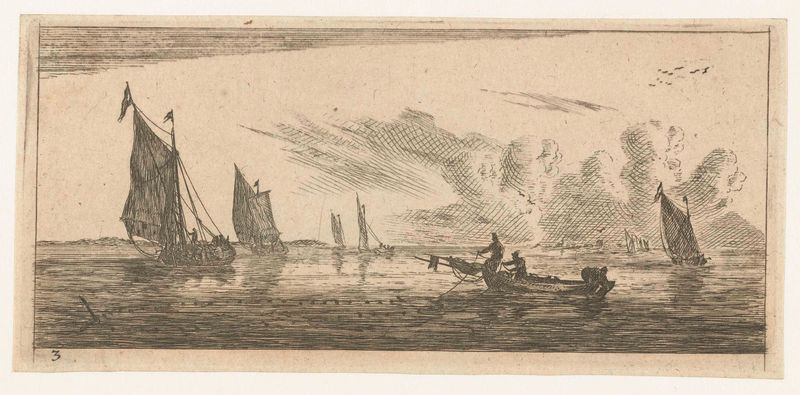
Zeegezicht met verschillende zeilschepen
Reinier Nooms
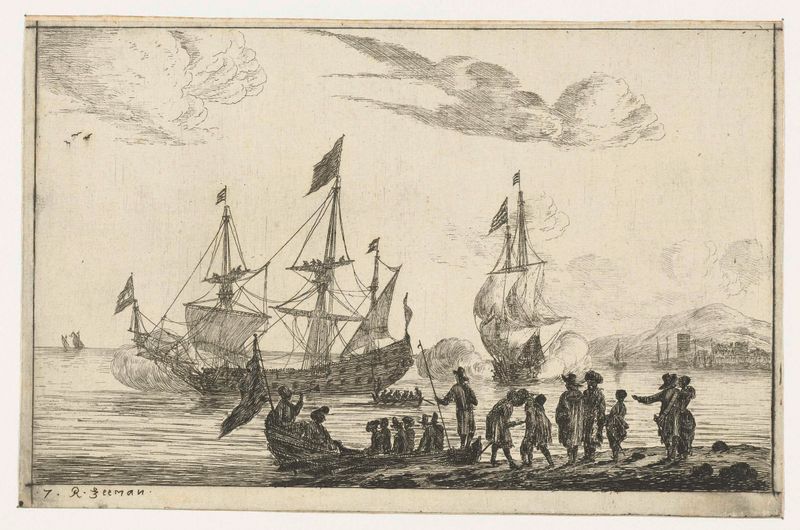
Havenscène met een spiegelsloep
Reinier Nooms
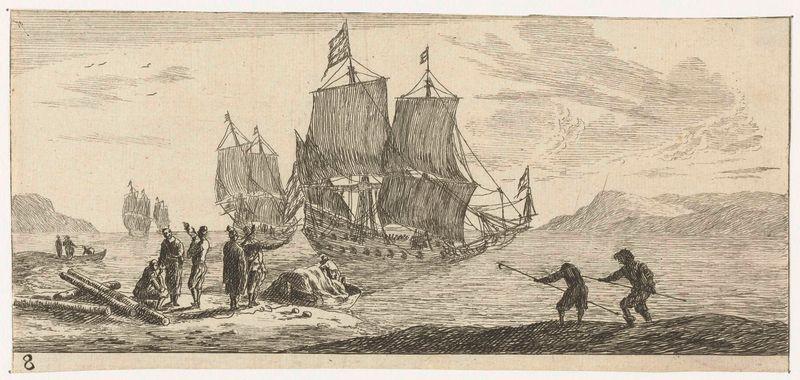
Vier grote zeilschepen in een baai
Reinier Nooms
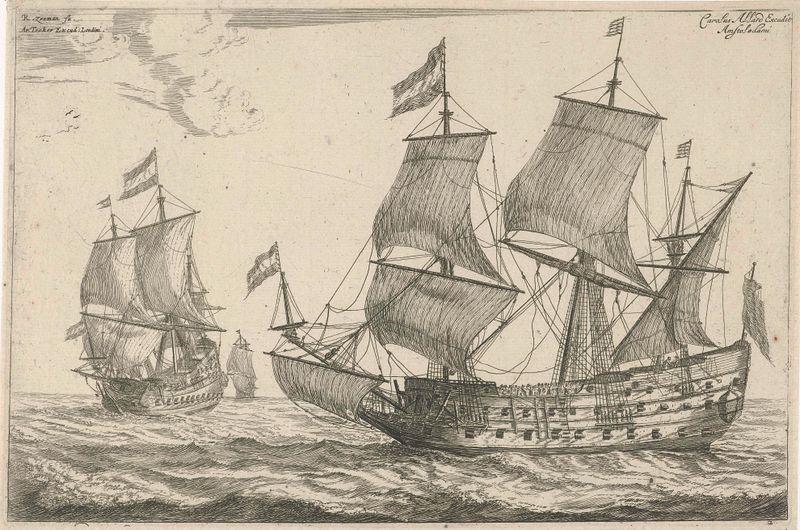
Twee grote oorlogsschepen
Reinier Nooms
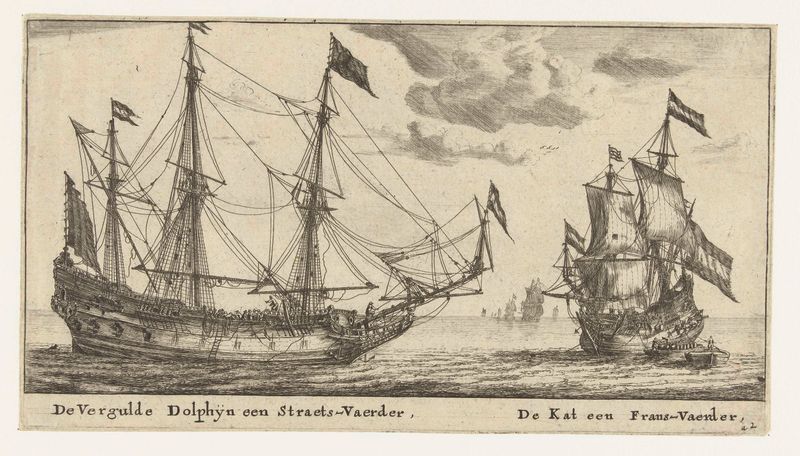
De schepen De Vergulde Dolfijn en De Kat
Reinier Nooms
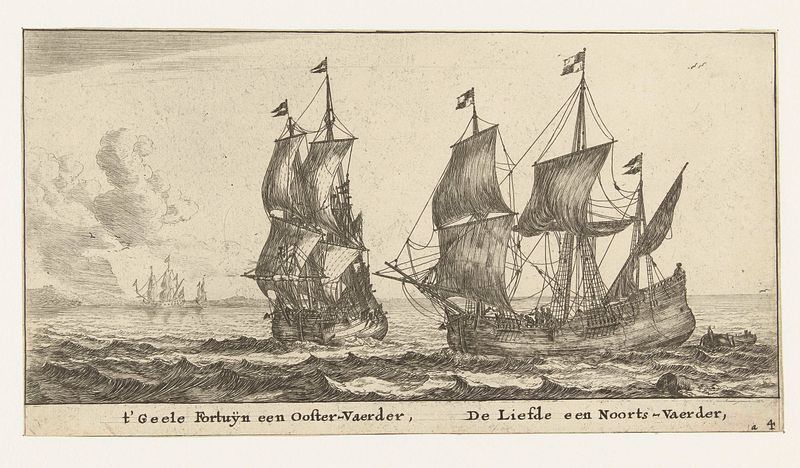
De schepen 't Gele Fortuin en De Liefde
Reinier Nooms
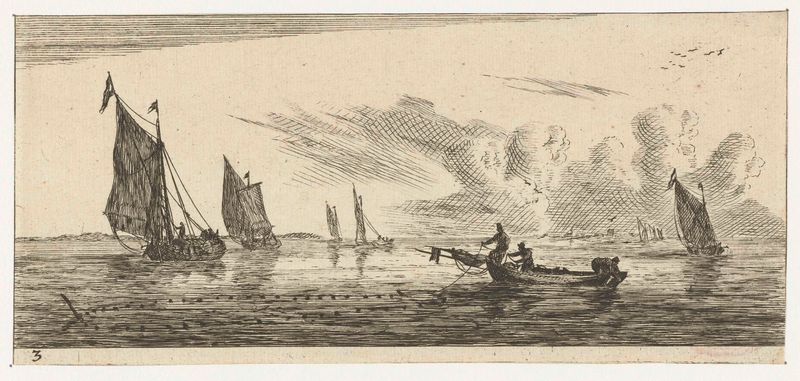
Zeegezicht met verschillende zeilschepen
Reinier Nooms
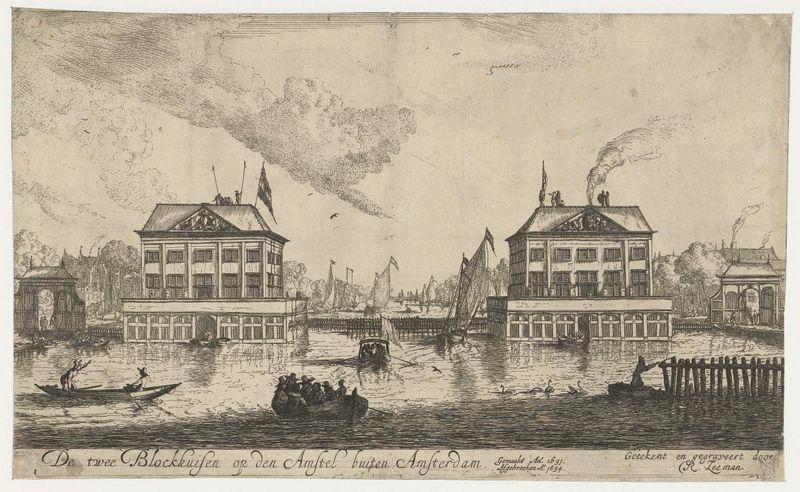
Gezicht op de twee Blokhuizen in de Amstel
Reinier Nooms
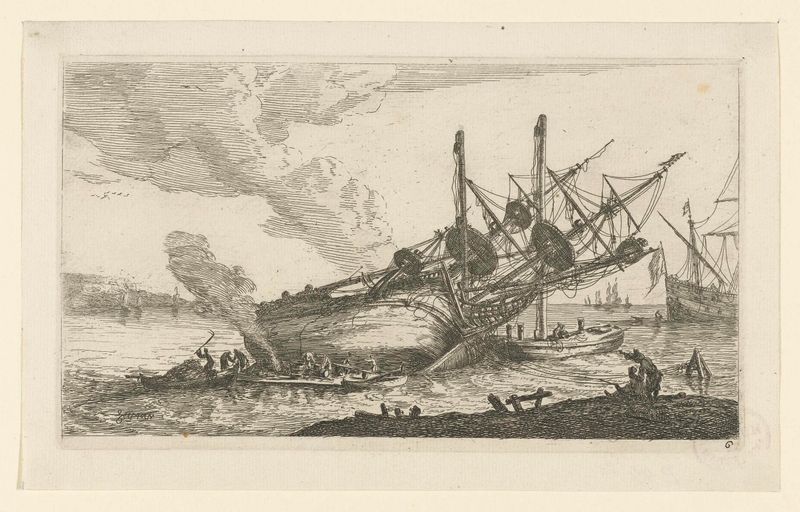
Reparaties aan de romp van een schip
Reinier Nooms
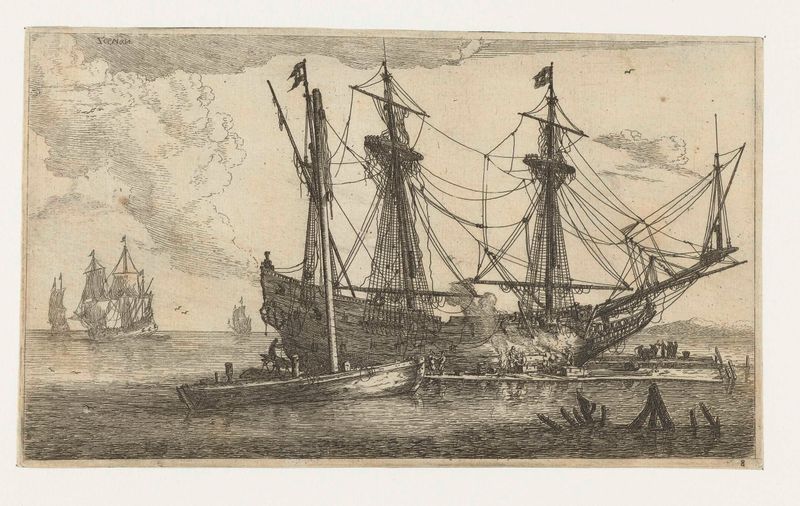
Reparaties aan de romp van een schip
Reinier Nooms





