
De bekering van Paulus — History & Facts
Where does light end, and longing begin? This question echoes powerfully in Lucas van Leyden’s De bekering van Paulus, capturing the moment of profound transformation and revelation. Focus on the dramatic interplay of light and shadow that guides your eye across the canvas. Notice how the radiant glow envelops the figure of Saul, illuminating his awe-stricken face, while the surrounding darkness hints at the uncertainty and turmoil of his previous existence. The gentle curves of the horses and the sharp angles of the onlookers create a dynamic tension, suggesting both movement and emotion, pulling you into the very heart of this pivotal moment. In the composition, contrasts abound.
The purity of the light radiating from above symbolizes divine intervention, while the muted colors of the background evoke a world weighed down by sin and ignorance. Yet, within this chiaroscuro lies a yearning; Saul’s outstretched arm, almost pleading, reflects a longing for redemption. The onlookers, a blend of curiosity and concern, reveal the complexity of faith and doubt that often accompanies transformation. Painted in 1509 during the Northern Renaissance, this work emerged at a time when van Leyden was establishing his reputation as a master of detail and narrative.
The artist, still in the early stages of his career, was influenced by the burgeoning humanist ideals that emphasized individual experience. As the Reformation began to stir Europe, this moment of divine encounter highlights a pivotal intersection between faith and personal revelation, resonating deeply with the spiritual questions of his time.
More Artworks by Lucas van Leyden
Browse all →
Het eerste verbod
Lucas van Leyden
Adam en Eva na de verdrijving uit het paradijs
Lucas van Leyden
De kruisiging
Lucas van Leyden
Kruisdraging
Lucas van Leyden
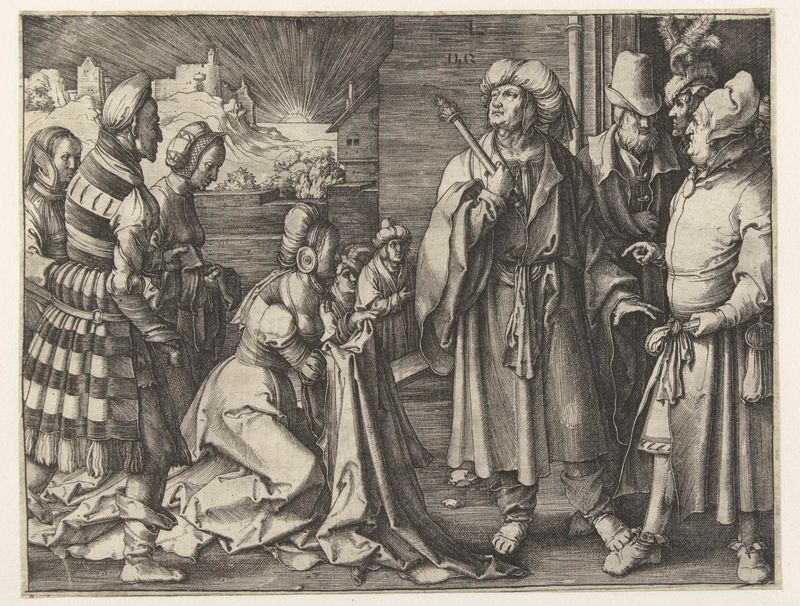
De vrouw van Potifar beschuldigt Jozef
Lucas van Leyden
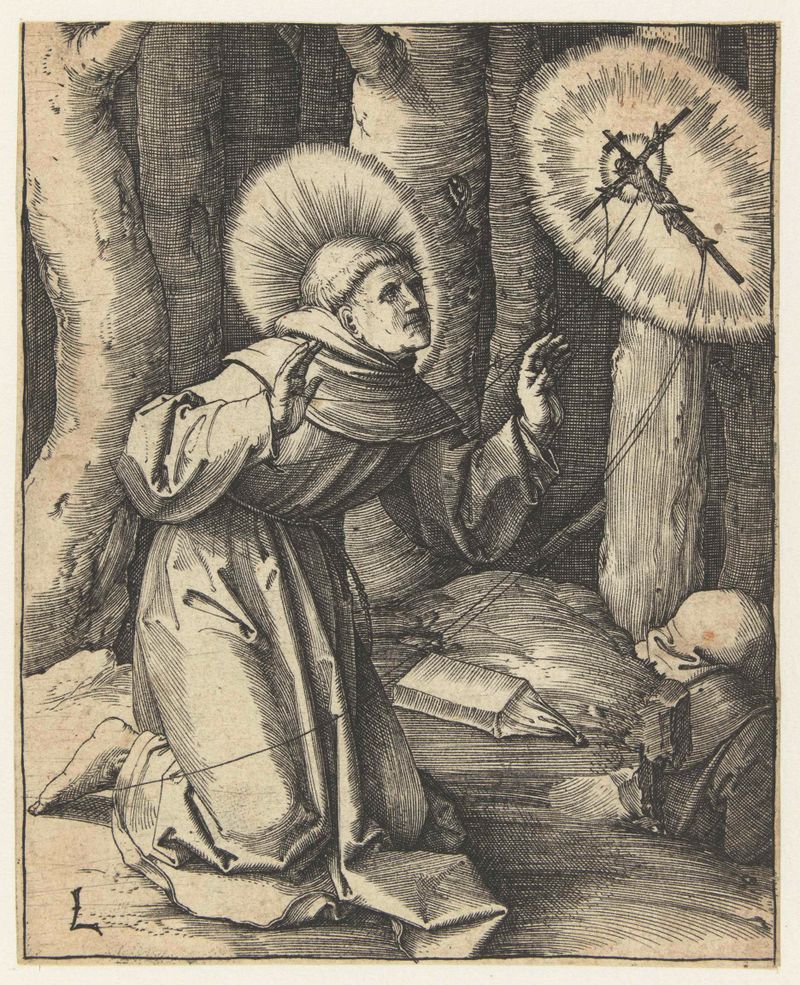
De stigmatisatie van de heilige Franciscus
Lucas van Leyden
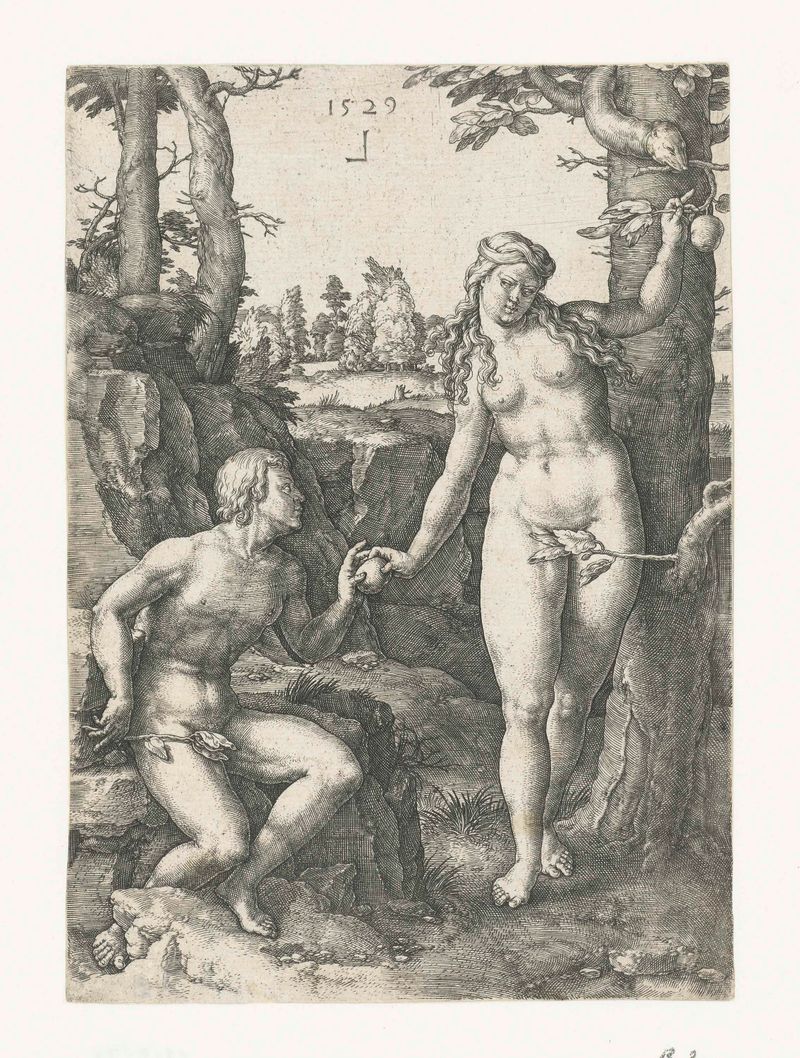
De zondeval
Lucas van Leyden
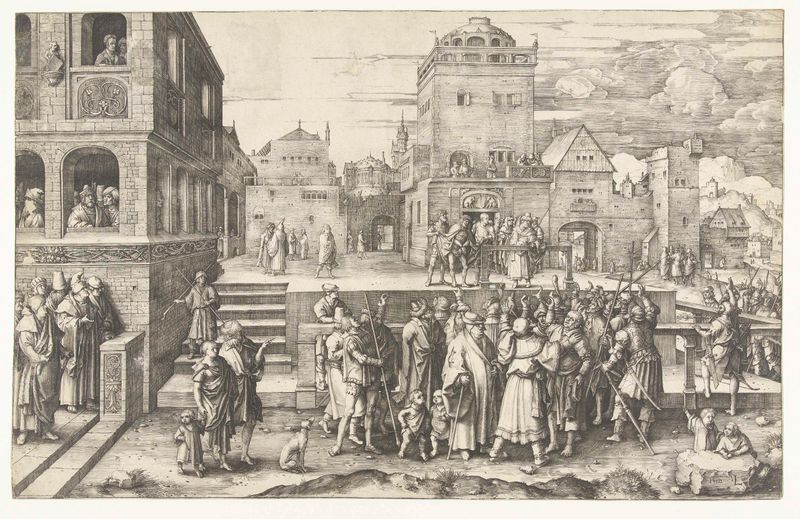
De grote Ecce Homo
Lucas van Leyden
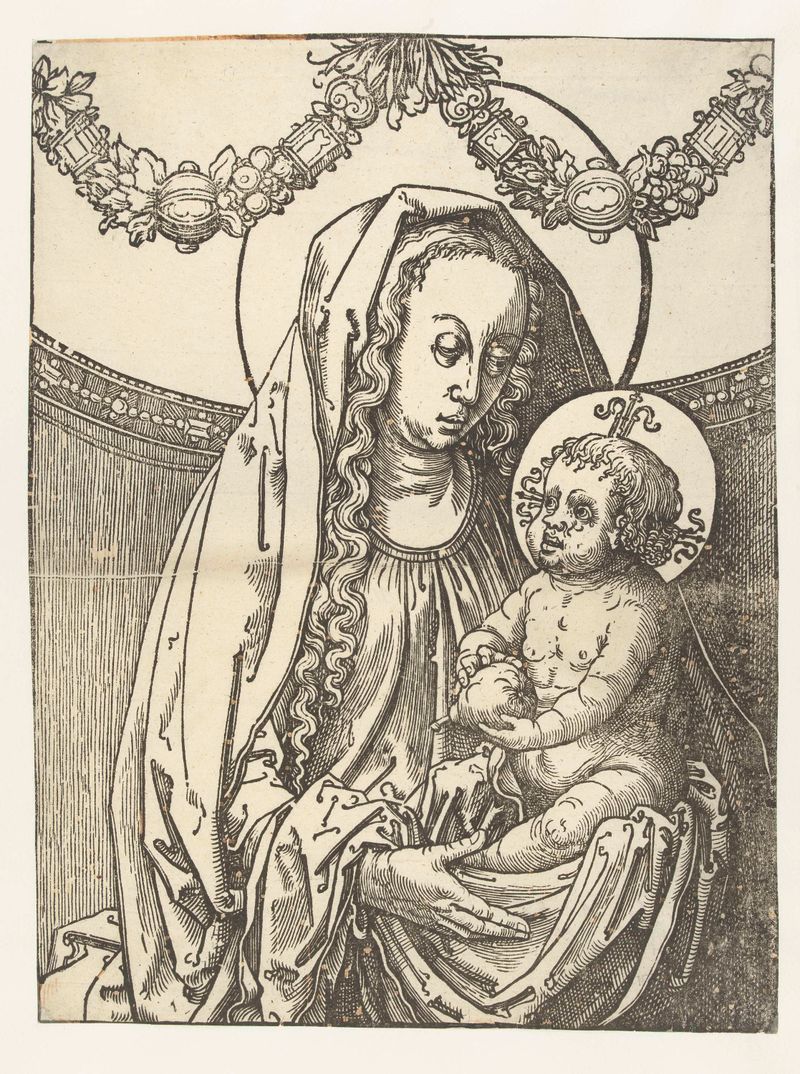
Maria met kind
Lucas van Leyden

Doornenkroning
Lucas van Leyden
More Religious Art
Browse all →
The Return of the Prodigal Son
Rembrandt van Rijn

The Garden of Earthly Delights
El Bosco

Count Orgaz’ funeral
El Greco

The Hundred Guilder Print: the central piece with Christ preaching, the plate arched
Rembrandt van Rijn

The Descent from the Cross
Rogier van der Weyden

The return of the prodigal son
Rembrandt van Rijn