
De bezetene — History & Facts
In De bezetene, the movement of figures captures the frenetic energy of obsession, a reminder of the profound connection between mind and body. Look to the left at the central figure, cloaked in tattered garments, his distorted posture conveying a sense of desperation and turmoil. Notice how the artist swirls the lines around him, creating a dynamic sense of motion that draws the eye through the chaos surrounding him. The earth tones juxtaposed with bursts of darker shades evoke the gravity of his predicament while the delicate detailing of the figures in the background amplifies the tragic narrative. Within this tumult lies a haunting exploration of madness and the human condition.
The expressions of those surrounding the central figure, a mix of sympathy and horror, reveal the complexity of emotional response to obsession. The intricate interplay between light and shadow enhances the tension, suggesting that even in darkness, there is an underlying rhythm to this struggle. Each element illustrates not just a moment in time, but the relentless cycle of passion and despair. Jacques Callot painted De bezetene in 1630, during a time when Europe was grappling with the aftermath of the Thirty Years' War.
Living in Nancy, Callot was deeply influenced by the world around him, reflecting the chaos and psychological complexities of his society through his works. This piece exemplifies his mastery of etching and the Baroque aesthetic, capturing the essence of human movement and the emotional weight of disturbance.
More Artworks by Jacques Callot
Browse all →
Titelprent voor de prentreeks 'De kleine apostelen' (Het martelaarschap van de apostelen)
Jacques Callot
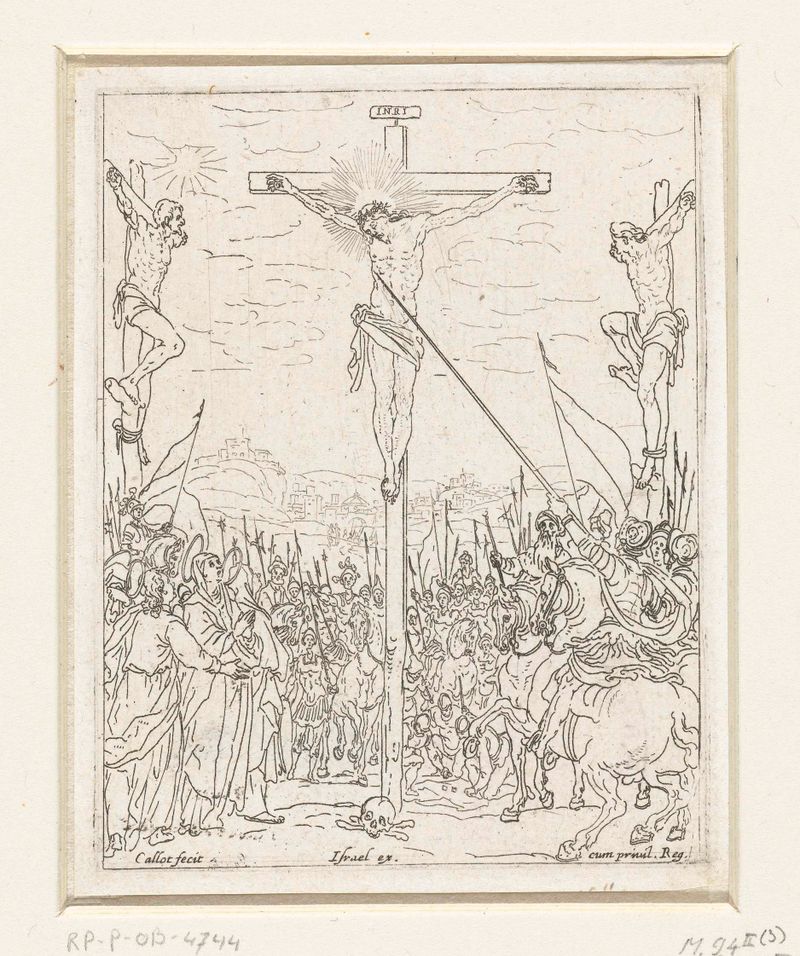
Kruisiging
Jacques Callot

De doortocht door de Rode Zee
Jacques Callot

De verloren zoon als zwijnenhoeder
Jacques Callot

Annunciatie
Jacques Callot
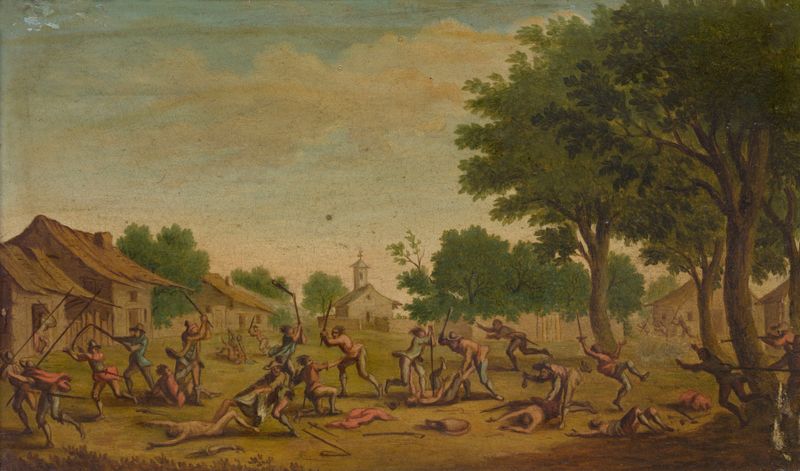
Village Fight
Jacques Callot

Titelprent voor prentreeks 'Het leven van Maria'
Jacques Callot
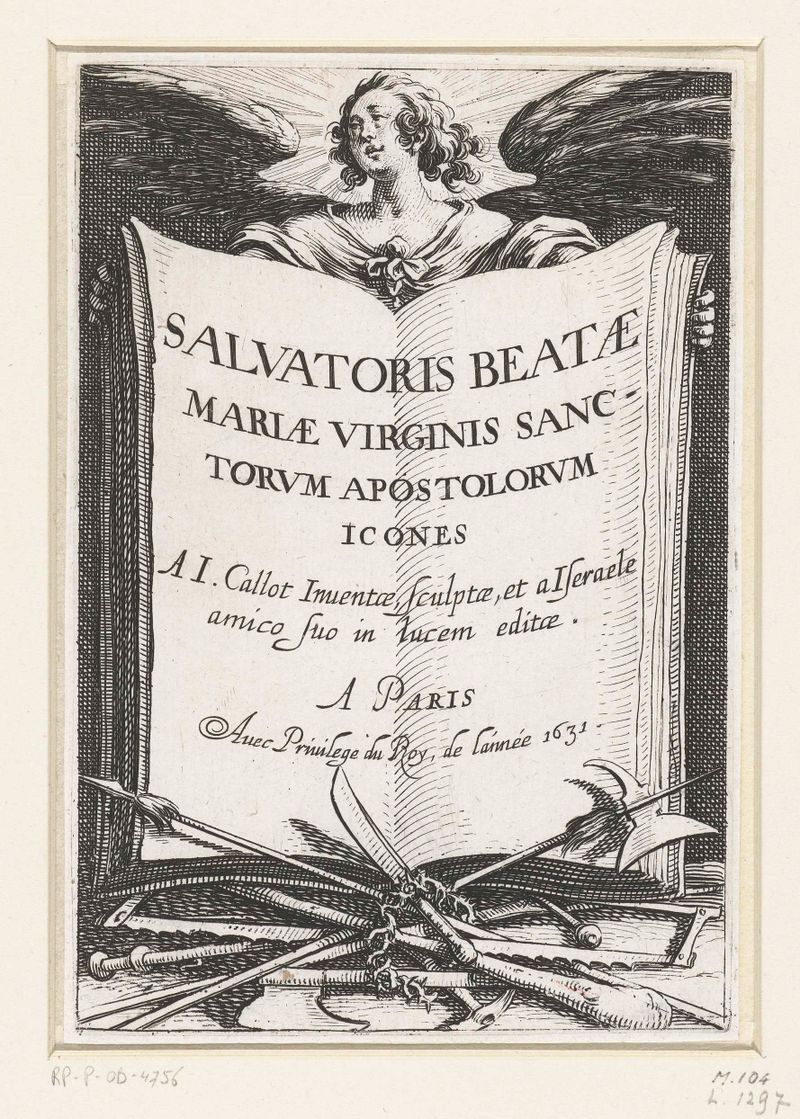
Titelprent voor de prentreeks 'De grote apostelen' (Christus, Maria en de apostelen)
Jacques Callot

Christus aan het volk getoond (Ecce homo)
Jacques Callot
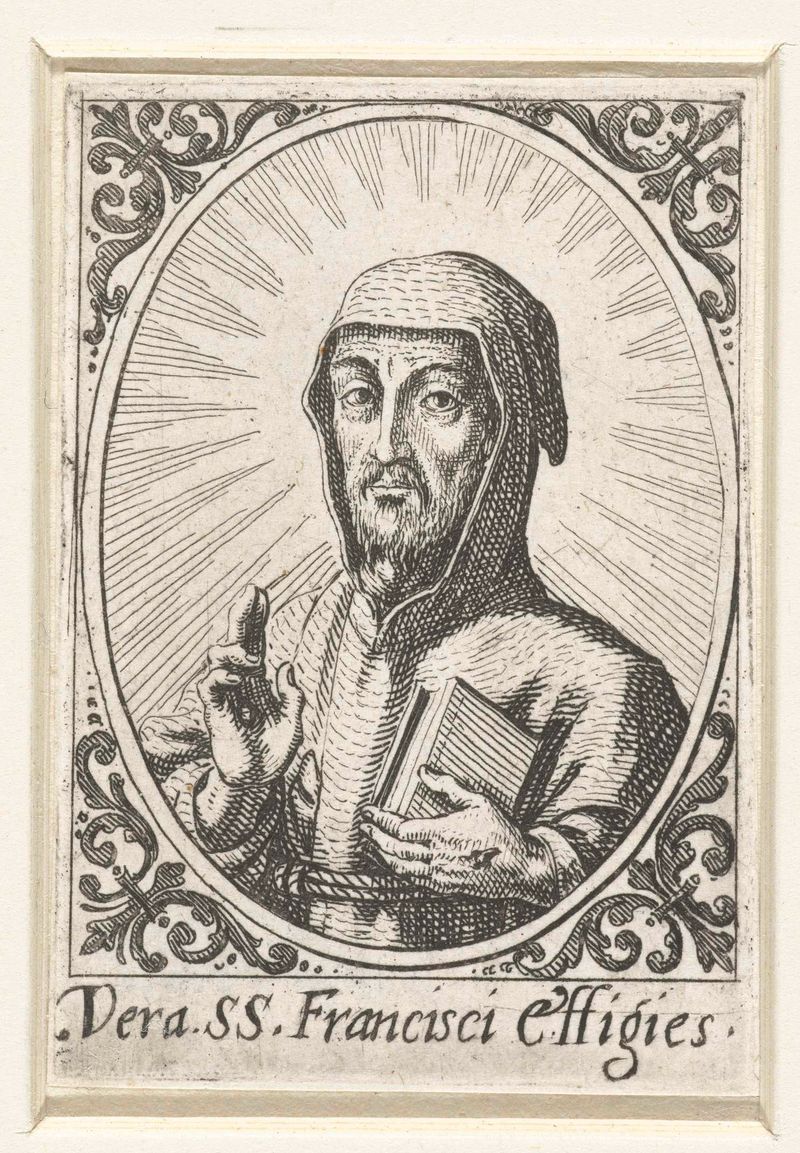
Portret van de Heilige Franciscus
Jacques Callot





