
De discipelen plukken en eten aren op de sabbat — History & Facts
In the hushed chaos of daily life, the quiet whispers of the past resonate with the weight of unspoken truths. Amidst the mundane acts of survival, a deeper melancholy lingers—reflecting on faith, humanity, and the burdens borne beneath the surface. Look closely at the left side of the canvas, where the figures gather, heads bowed in concentration. The textures of their garments—richly colored yet subdued—contrast with the light filtering through the branches above, casting a gentle glow that illuminates their earnest expressions.
Notice how the golden hues of the wheat contrast with the somber landscape, inviting contemplation of the sacredness of the simple act of gathering food, juxtaposed against the weight of religious law. As you explore further, consider the emotional undertones of this scene. The act of gathering grain on the Sabbath, a day traditionally reserved for rest, hints at a tension between duty and desire, devoutness and necessity. Each figure’s posture conveys an inner struggle, revealing the quiet rebellion against constraints imposed by society, yet unified in a shared purpose that transcends the moment.
The delicate balance of light and shadow speaks to the complexities of faith and the burden of moral choice, evoking a sense of shared melancholy. Painted in 1503, this work emerged from the hand of its anonymous creator during a time when religious fervor and societal expectations were palpable. This period in the Northern Renaissance was marked by a focus on moral dilemmas and the human condition, influenced by the Reformation's questioning of tradition. The artist, working within the vibrant artistic community of Delft, deftly navigated these themes through the lens of everyday life, capturing the profound connections forged in simplicity.
More Artworks by Master of Delft
Browse all →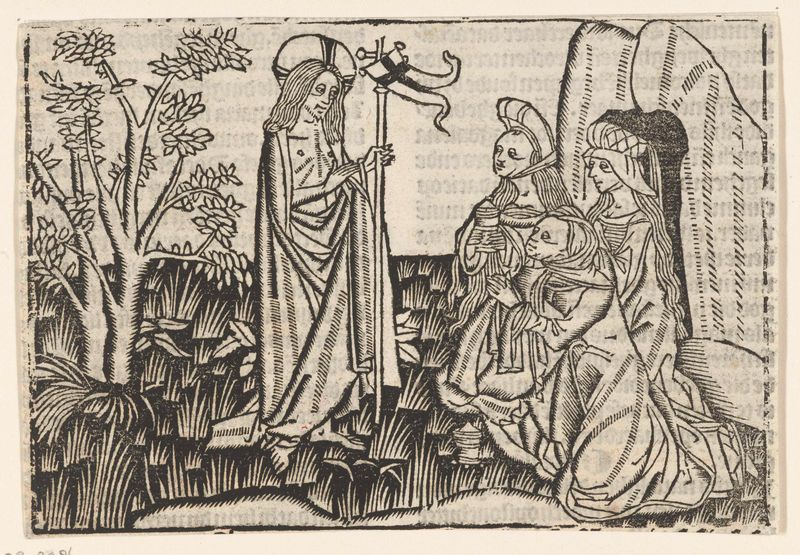
Christus verschijnt aan de drie Maria's
Master of Delft
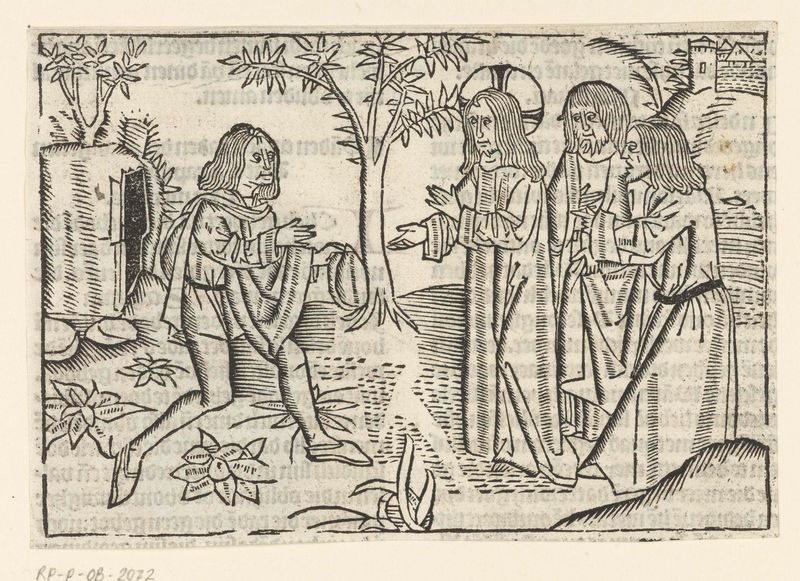
Christus en de rijke jongeling
Master of Delft
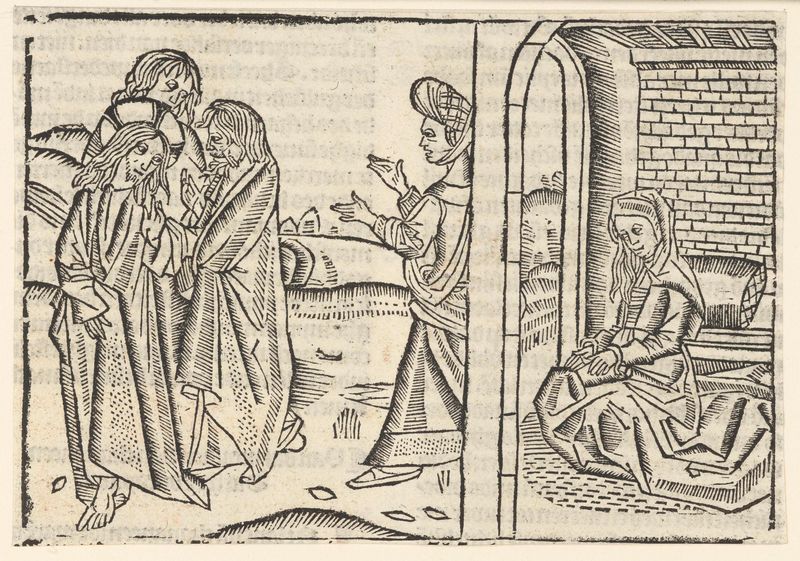
Christus en de Kanaänitische vrouw
Master of Delft
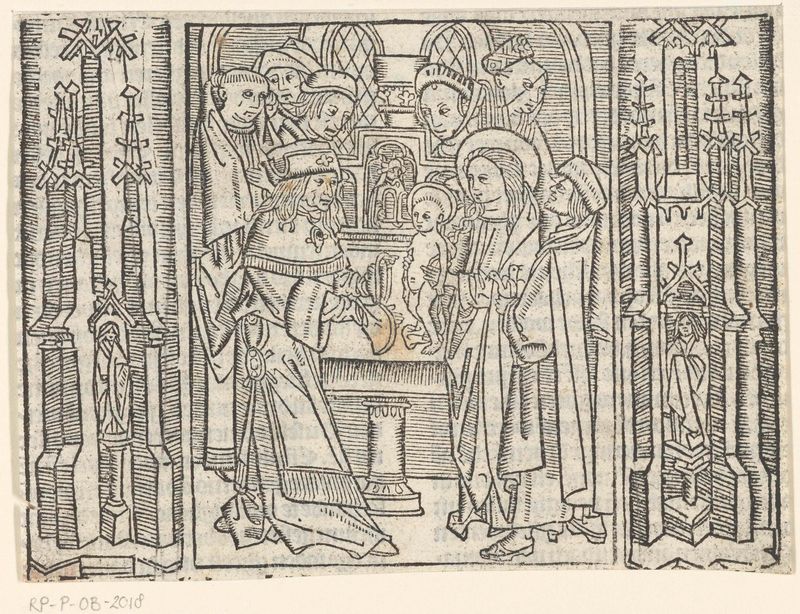
Presentatie van Christus in de tempel
Master of Delft
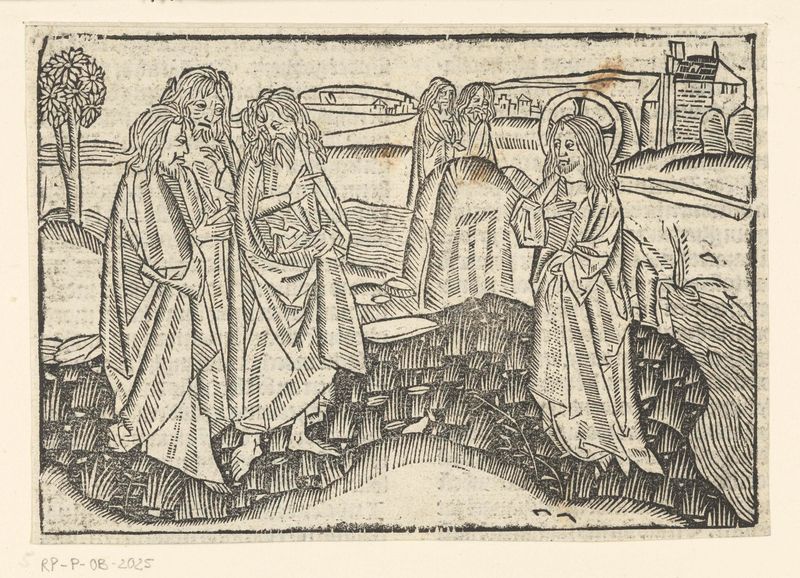
Christus kiest zijn eerste discipelen
Master of Delft
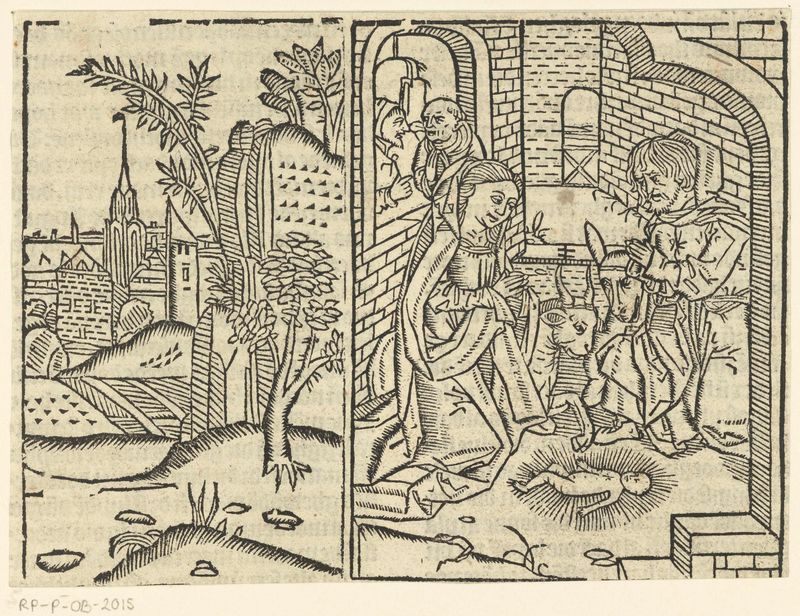
Geboorte van Christus
Master of Delft
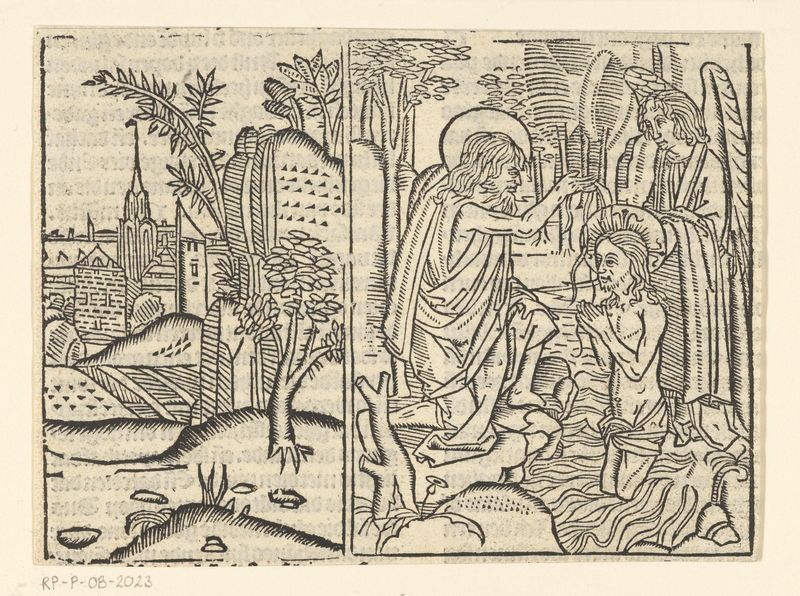
De doop van Christus in de Jordaan
Master of Delft
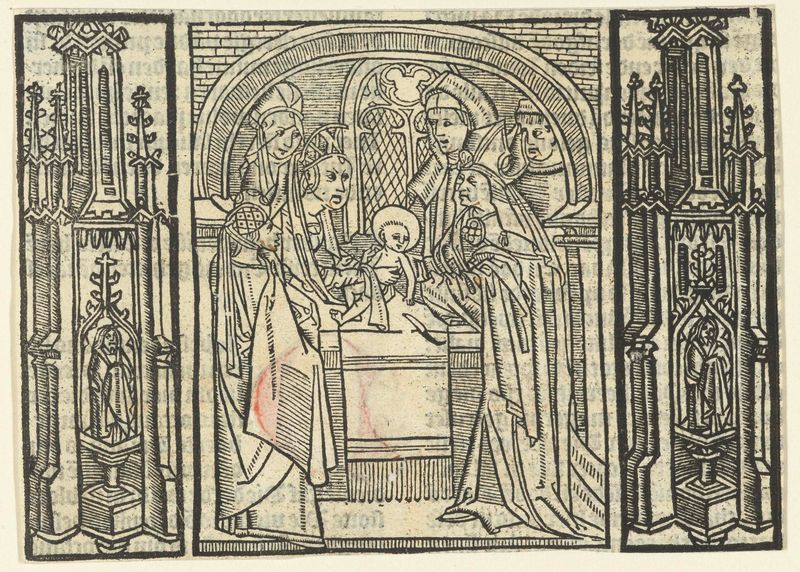
Besnijdenis van Christus
Master of Delft
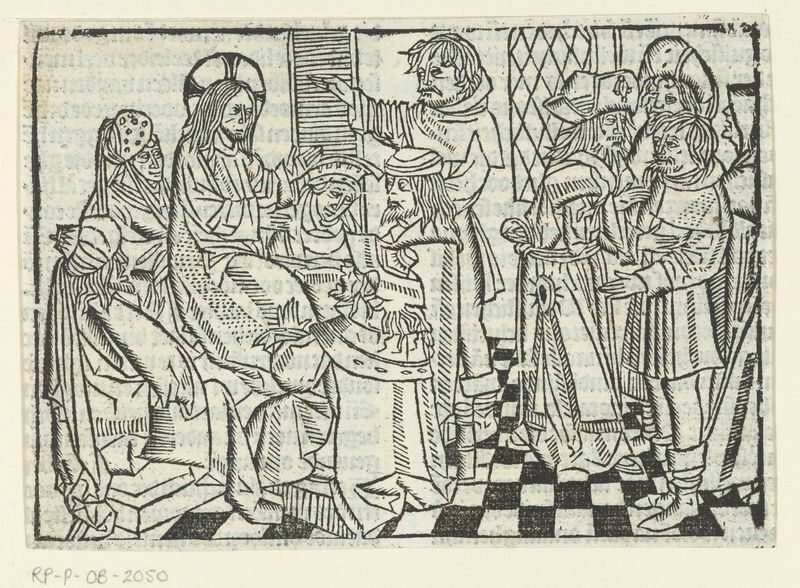
Christus geneest de man met een verdorde hand
Master of Delft
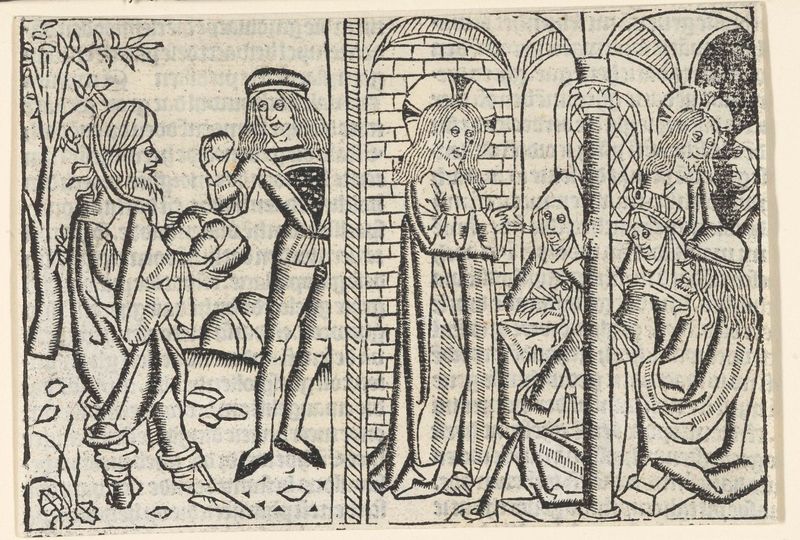
De Farizeeërs willen Christus stenigen
Master of Delft





