
De doornenkroning — History & Facts
What secret hides in the quiet of the canvas? Beneath the layers of paint lies a delicate balance between suffering and reverence, a testament to the human experience frozen in time. Look to the center, where a figure crowned with thorns stands poised in an arresting display of grace and anguish. The meticulous detail of his expression—a blend of serenity and torment—invites deeper contemplation. Notice how the artist employs rich, muted tones that echo the weight of the moment, while soft light illuminates the figure's face, highlighting the tension in his closed eyes.
The composition draws you inward, as the surrounding elements whisper the narrative of sacrifice. In the background, the contrasting elements of darkness and light speak volumes of the emotional landscape. The juxtaposition of the crown of thorns against a backdrop of gentle hues reflects the duality of pain and beauty. The delicate interplay of shadow further accentuates the solemnity of the scene, urging viewers to recognize the quiet strength found in vulnerability.
Each brushstroke conveys an intricate balance, representing not only physical suffering but also a profound spiritual resilience. Lucas van Leyden created this work in 1509, amidst a flourishing period of Northern Renaissance art. In the Netherlands, a rich dialogue surrounding emotion and realism was emerging, shaping the course of artistic expression. As he navigated his own life and the evolving landscape of art, the themes of suffering and redemption in De doornenkroning resonate with a timeless message, inviting viewers to reflect on their own journeys.
More Artworks by Lucas van Leyden
Browse all →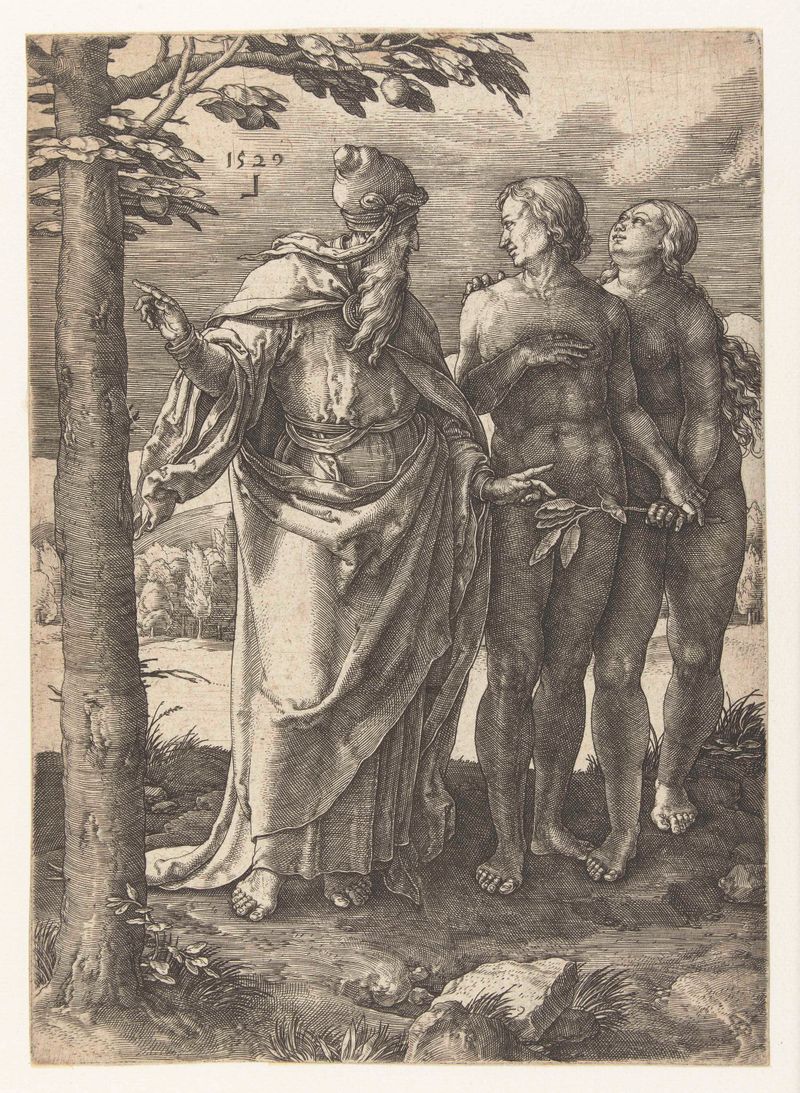
Het eerste verbod
Lucas van Leyden
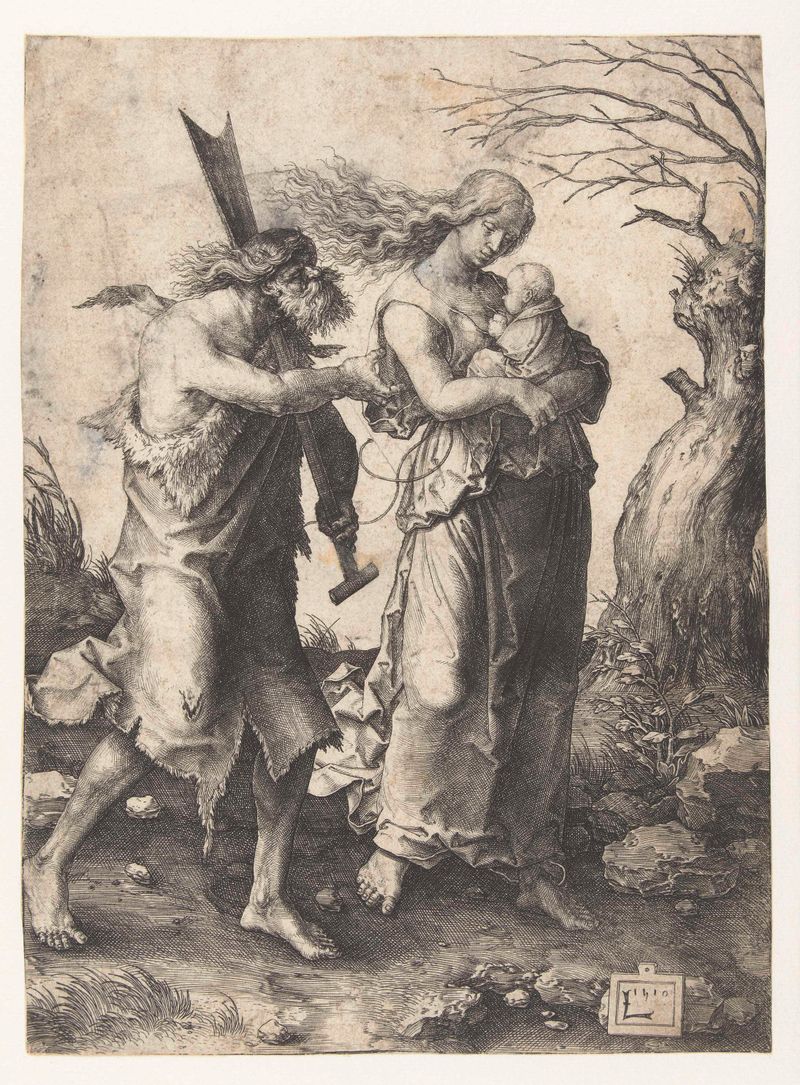
Adam en Eva na de verdrijving uit het paradijs
Lucas van Leyden
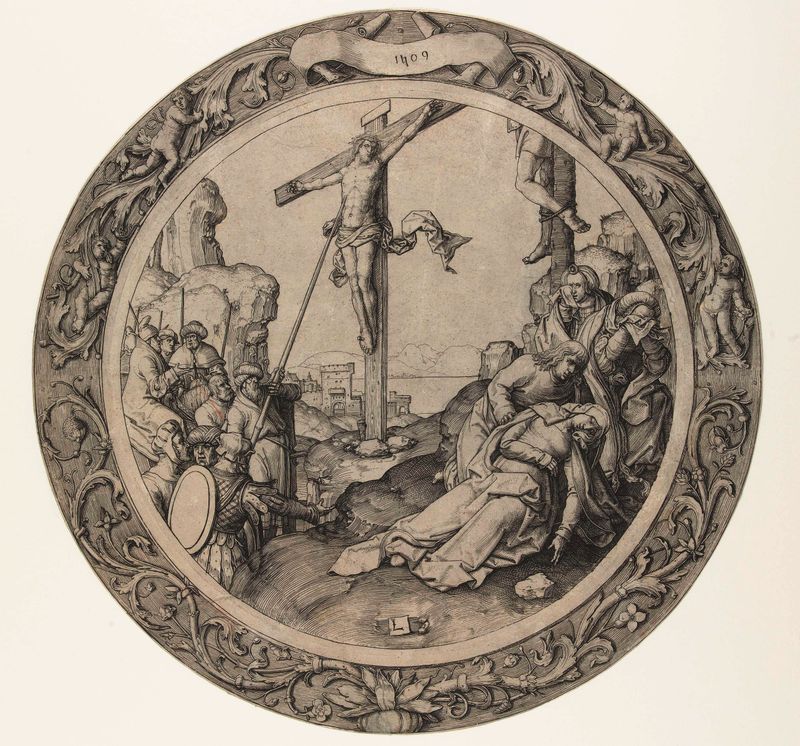
De kruisiging
Lucas van Leyden
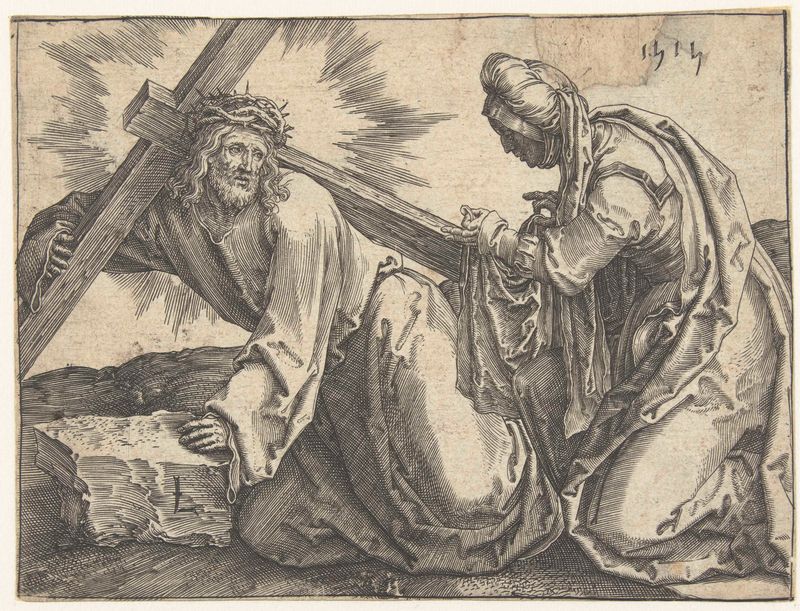
Kruisdraging
Lucas van Leyden
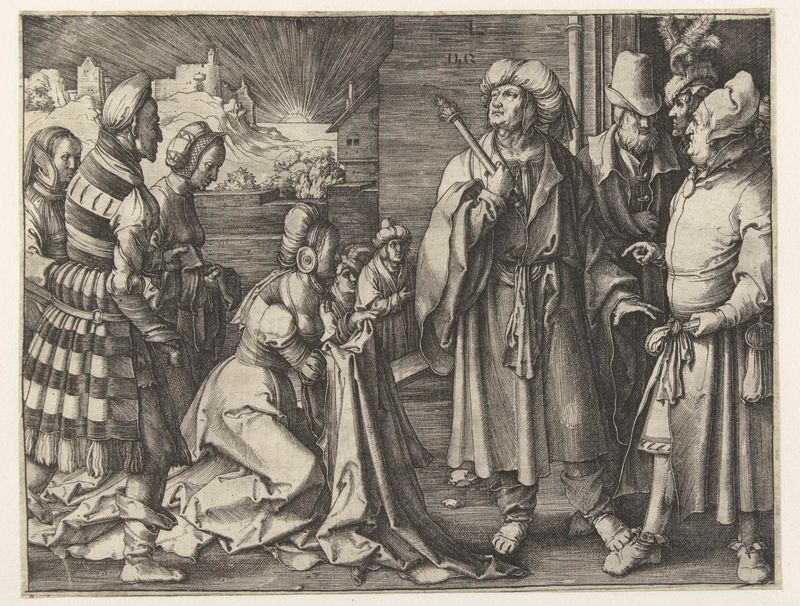
De vrouw van Potifar beschuldigt Jozef
Lucas van Leyden
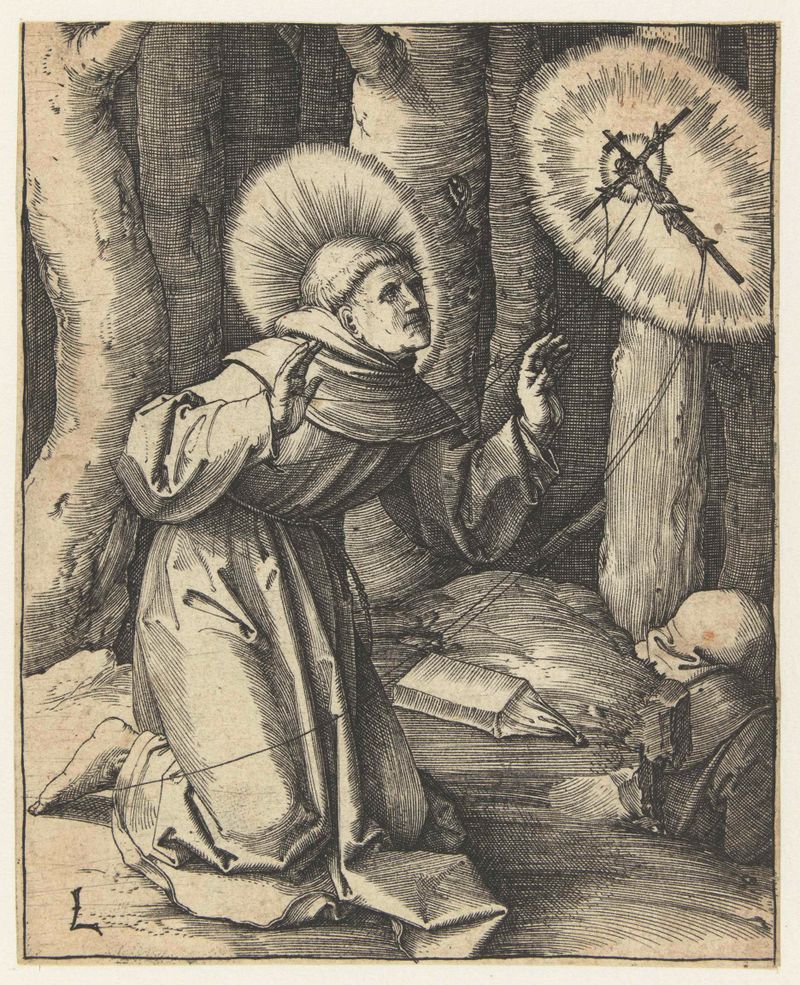
De stigmatisatie van de heilige Franciscus
Lucas van Leyden
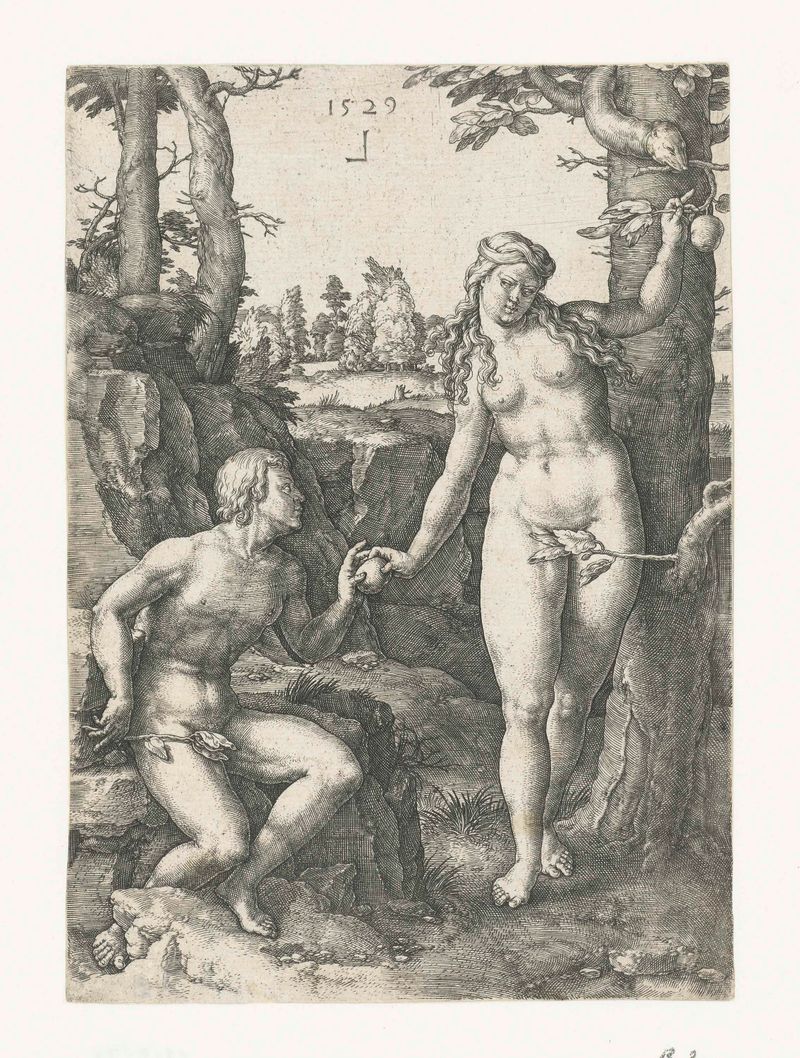
De zondeval
Lucas van Leyden
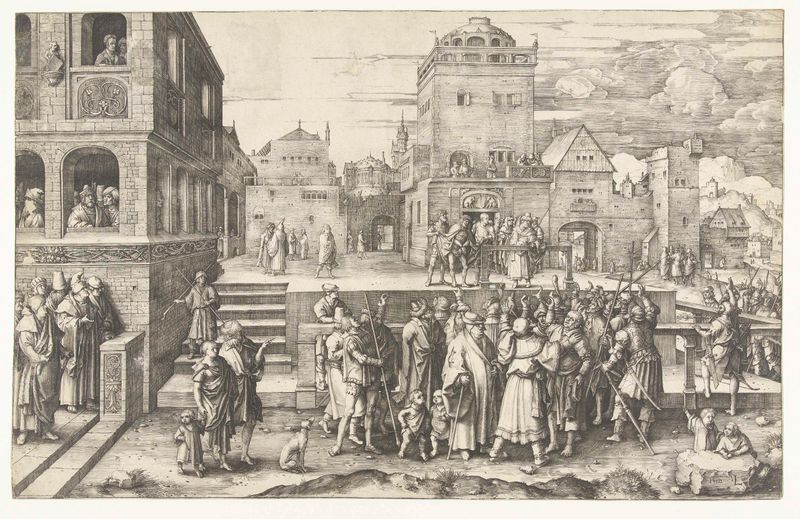
De grote Ecce Homo
Lucas van Leyden
Maria met kind
Lucas van Leyden

Doornenkroning
Lucas van Leyden
More Religious Art
Browse all →
The Return of the Prodigal Son
Rembrandt van Rijn

The Garden of Earthly Delights
El Bosco

Count Orgaz’ funeral
El Greco

The Hundred Guilder Print: the central piece with Christ preaching, the plate arched
Rembrandt van Rijn

The Descent from the Cross
Rogier van der Weyden

The return of the prodigal son
Rembrandt van Rijn