
De evangelist Lukas — History & Facts
What secret hides in the quiet of the canvas? In the stillness of De evangelist Lukas, emptiness speaks volumes, inviting contemplation and reflection. Look to the center of the painting, where the figure of Saint Luke is immersed in the act of creation, poised with a quill over an unwritten page. Notice how the soft light cascades from an unseen source, illuminating the saint's contemplative expression and casting delicate shadows that enhance the depth of the scene. The muted color palette, with its earthy tones of browns and greens, creates a serene atmosphere, drawing the eye toward the simplicity of the moment. Yet, upon closer inspection, a subtle tension emerges.
The empty space surrounding Luke signifies more than mere absence; it reflects the weight of his solitary mission and the significance of his task as the Evangelist. The blank page not only represents potential yet to be realized but also speaks to the struggles of conveying the divine through the written word. The contrast between the figure's focused intent and the vastness of his surroundings encapsulates a deep emotional resonance, hinting at the isolation often felt by those who seek to articulate profound truths. In 1518, Lucas van Leyden painted this work during a period marked by artistic exploration and the rise of humanism in Northern Europe.
At just 22, he was already gaining recognition for his skillful engravings and paintings, reflecting the intricacies of both the human experience and the spiritual journey. This was a time of significant change; the Reformation loomed, and artists like van Leyden were beginning to delve deeper into themes of individual thought and expression, making De evangelist Lukas a poignant commentary on the artist's own place in this evolving landscape.
More Artworks by Lucas van Leyden
Browse all →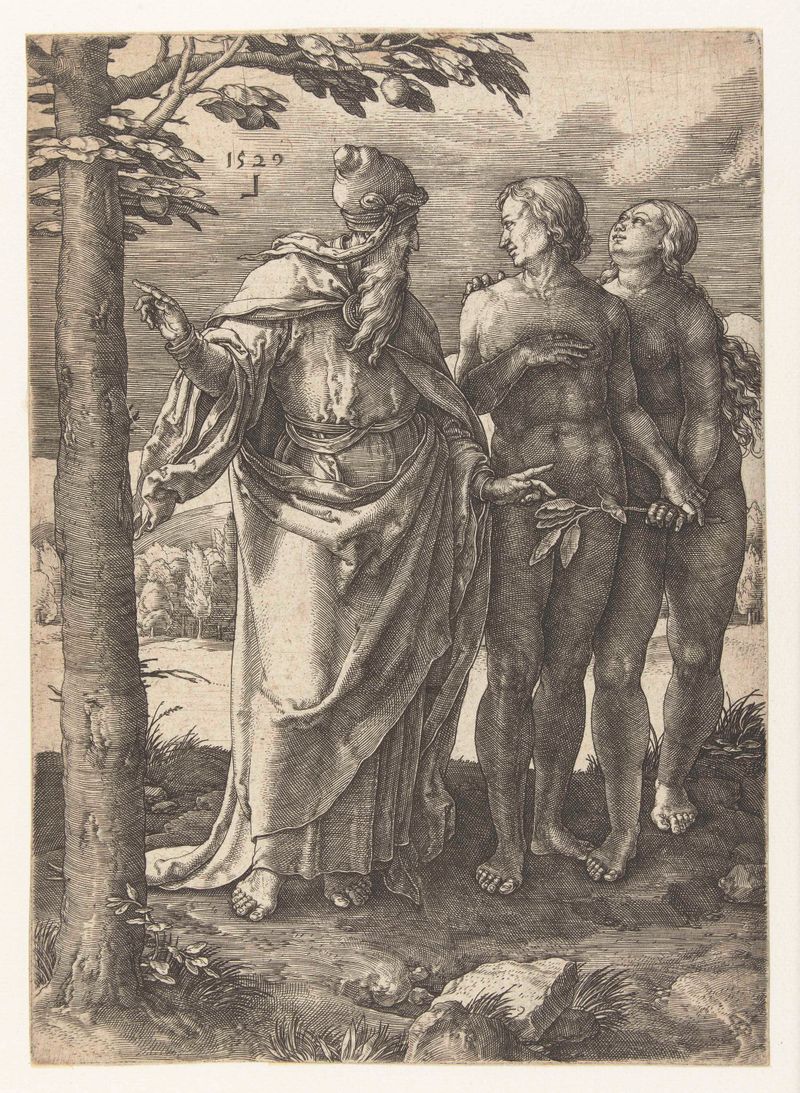
Het eerste verbod
Lucas van Leyden
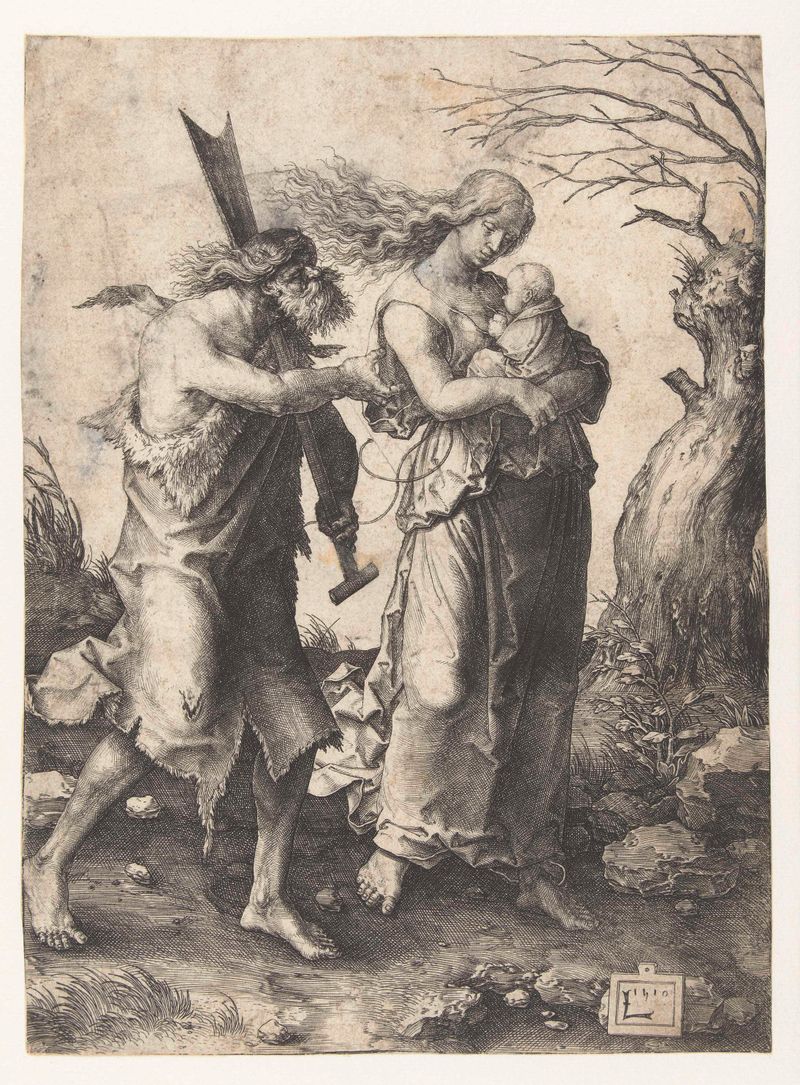
Adam en Eva na de verdrijving uit het paradijs
Lucas van Leyden
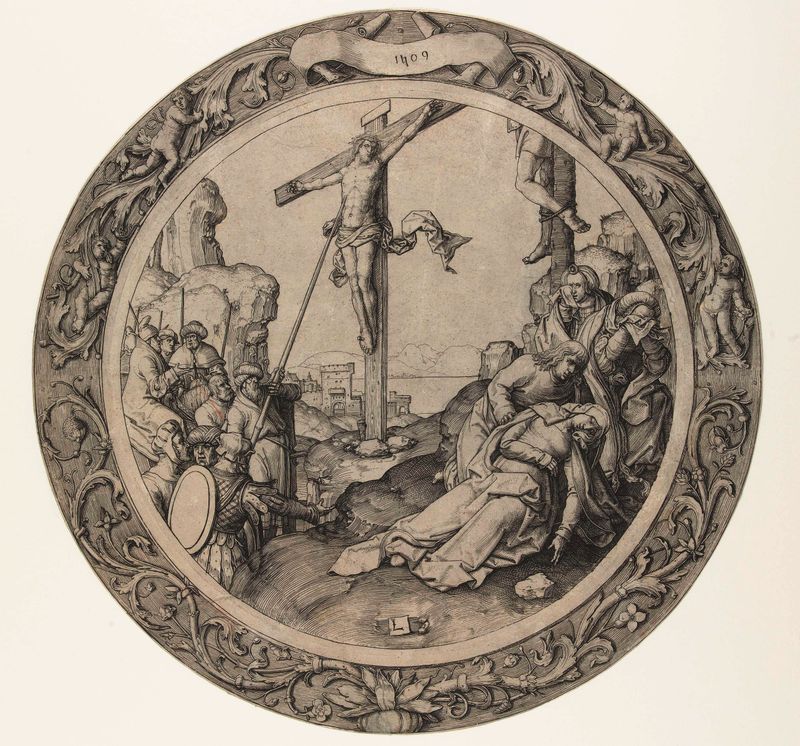
De kruisiging
Lucas van Leyden
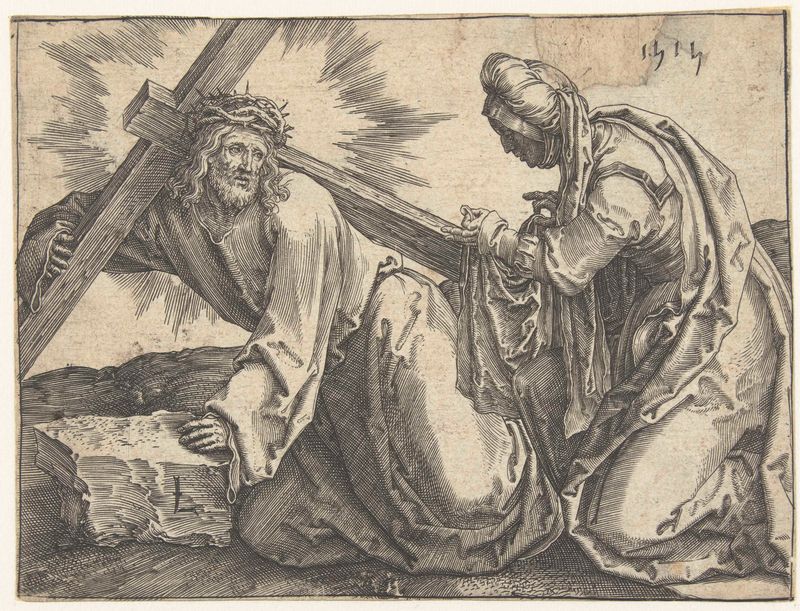
Kruisdraging
Lucas van Leyden
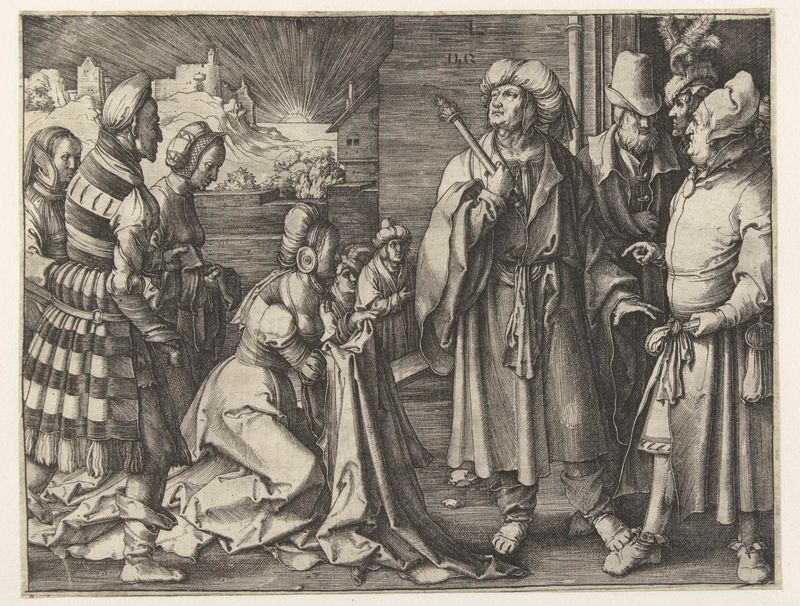
De vrouw van Potifar beschuldigt Jozef
Lucas van Leyden
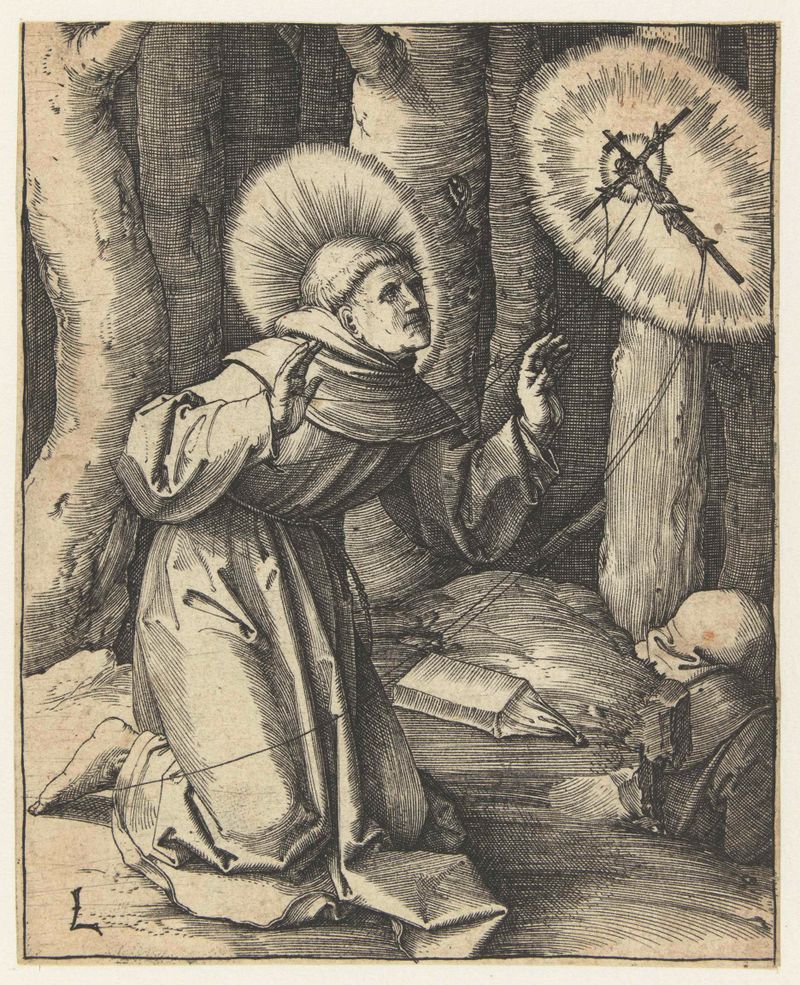
De stigmatisatie van de heilige Franciscus
Lucas van Leyden
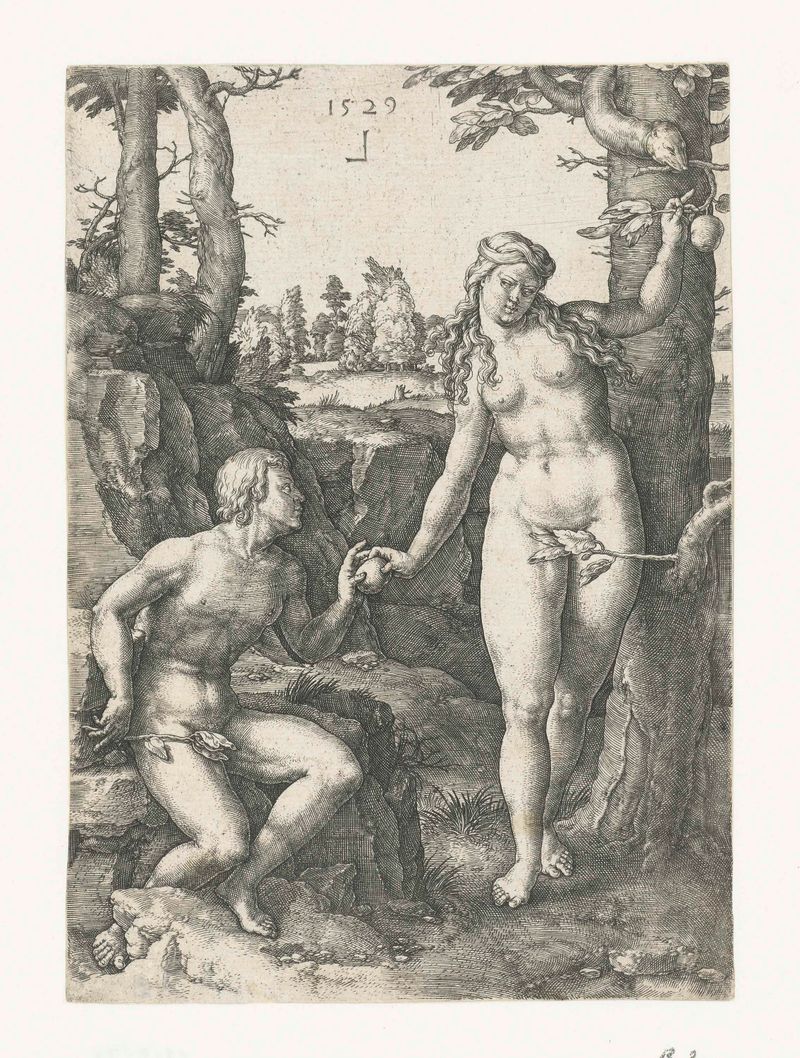
De zondeval
Lucas van Leyden
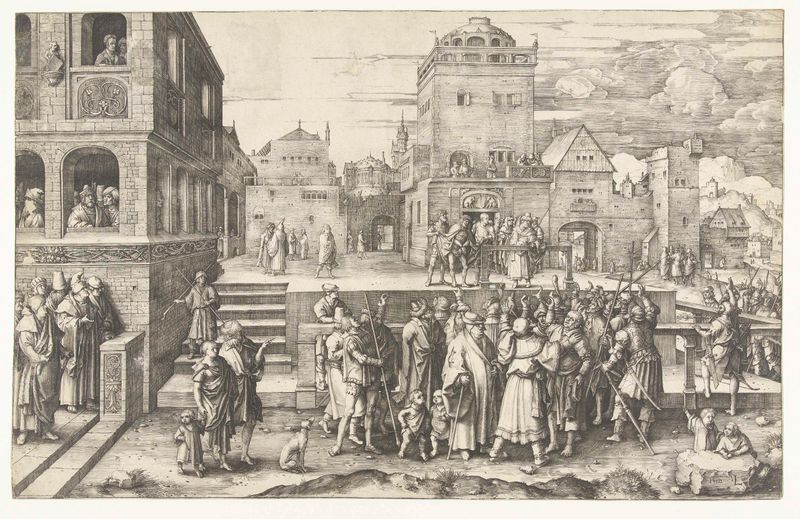
De grote Ecce Homo
Lucas van Leyden
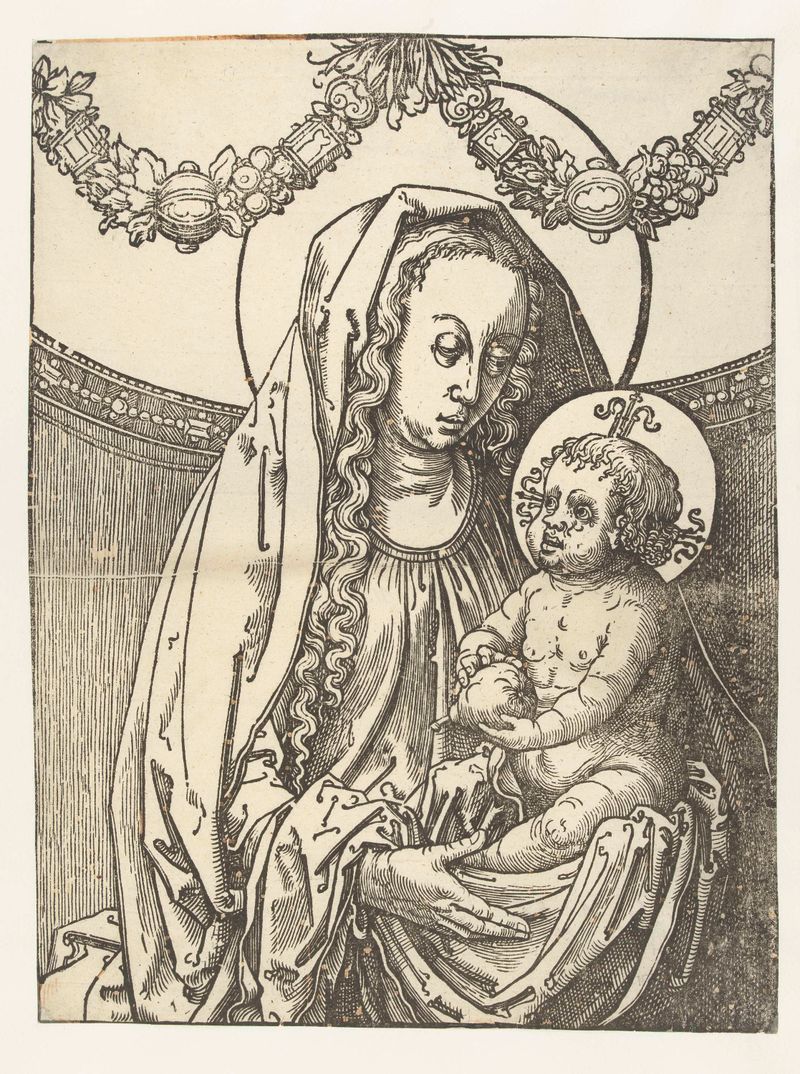
Maria met kind
Lucas van Leyden

Doornenkroning
Lucas van Leyden
More Religious Art
Browse all →
The Return of the Prodigal Son
Rembrandt van Rijn

The Garden of Earthly Delights
El Bosco

Count Orgaz’ funeral
El Greco

The Hundred Guilder Print: the central piece with Christ preaching, the plate arched
Rembrandt van Rijn

The Descent from the Cross
Rogier van der Weyden

The return of the prodigal son
Rembrandt van Rijn