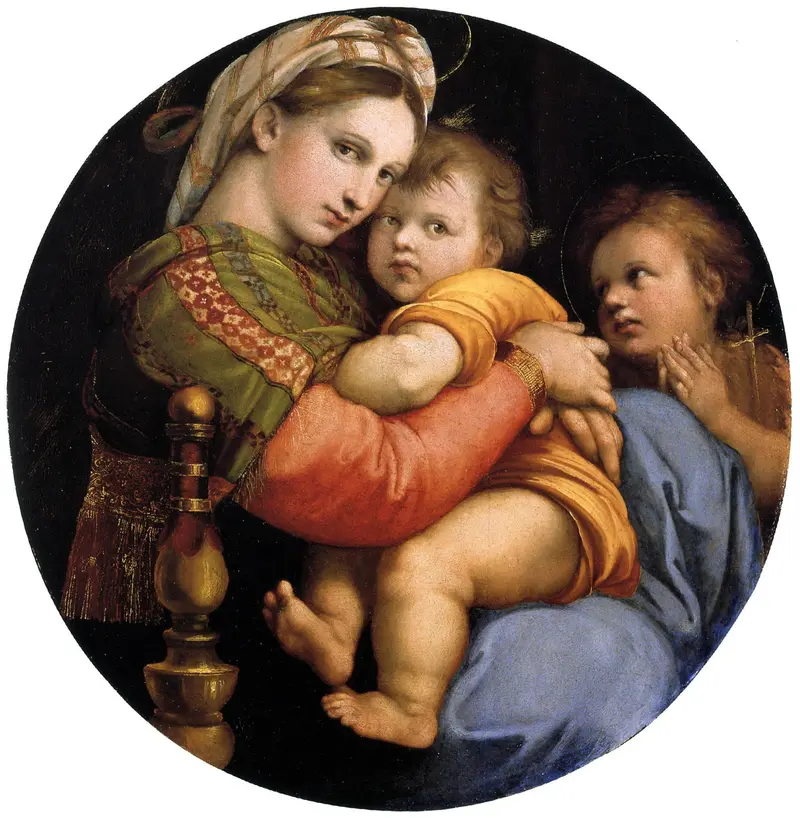
De evangelist Marcus — History & Facts
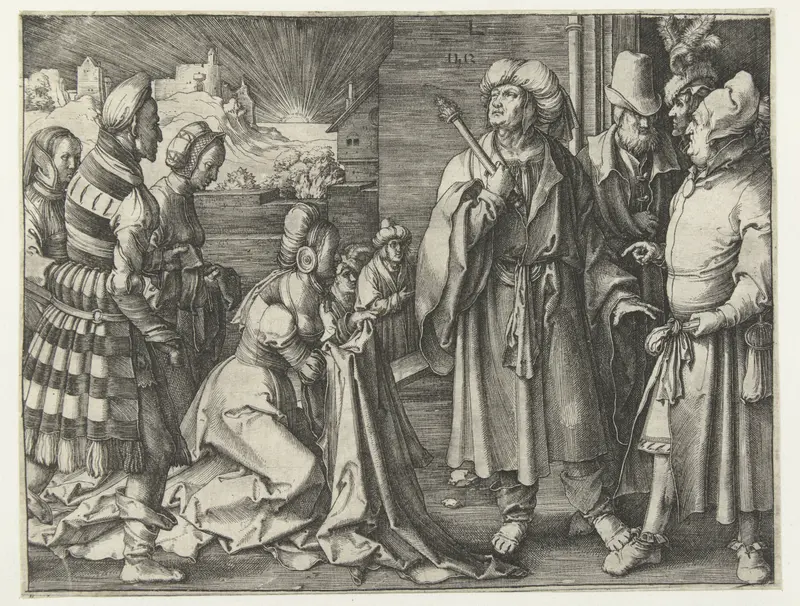
In a world brimming with violence, the brush captures history's darkest moments, forcing us to confront the shadows of our past. Look closely at the figure of Marcus, positioned with authority yet surrounded by a chaotic backdrop. The rich, deep colors of his robe contrast sharply against the starkness of the tumultuous scene unfolding behind him. Notice how the light falls across his face, illuminating a serenity that starkly opposes the turmoil surrounding him.
His gesture, an outstretched hand, invites contemplation even amid discord. Amidst the composition, small but significant details reveal deeper tensions. The expressions of the crowd, a mixture of awe and fear, capture the duality of faith and violence — a reminder that the sacred often exists alongside chaos. The juxtaposition of Marcus’s calm demeanor against the frenzied activity of the scene invites viewers to explore the complex relationship between enlightenment and the brutal realities of existence. In 1518, while living in Leiden, the artist created this remarkable work during a period of socio-political upheaval in Europe.
As a prominent figure in the Northern Renaissance, he sought to blend religious themes with the human experience, reflecting the conflicts and transformations of his time. The work stands as a testament to the enduring struggle between divine inspiration and the harrowing history that surrounds it.
More Artworks by Lucas van Leyden

Het eerste verbod
Lucas van Leyden
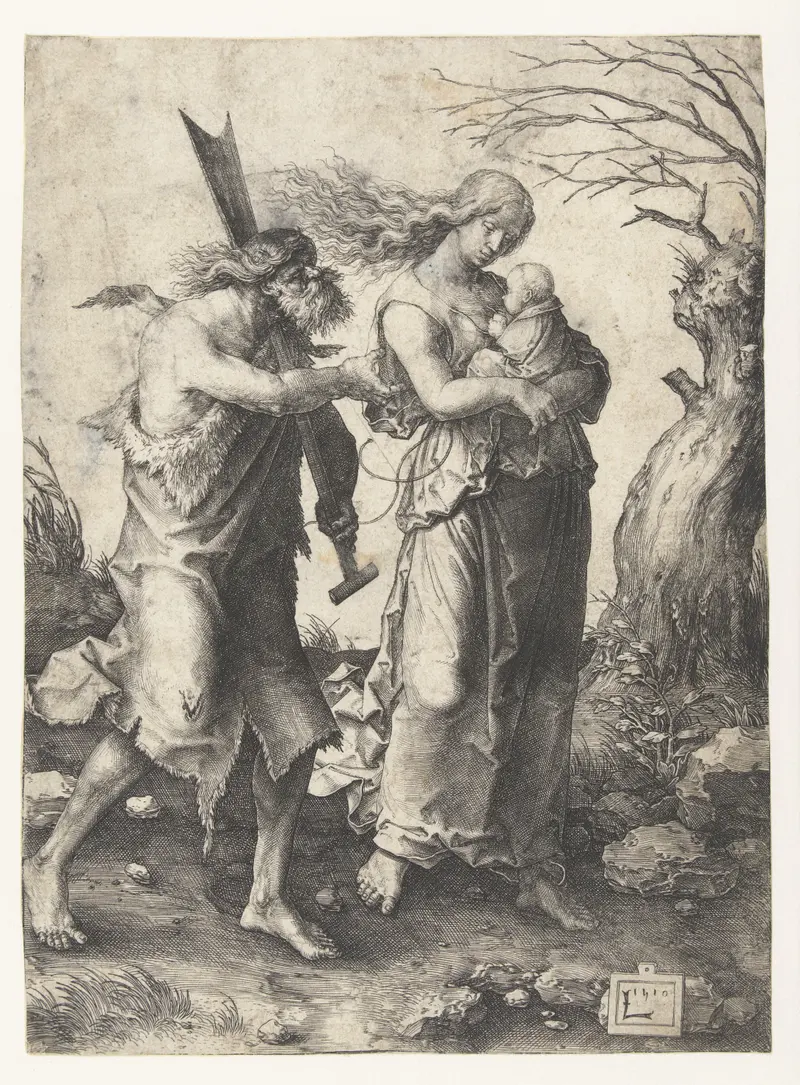
Adam en Eva na de verdrijving uit het paradijs
Lucas van Leyden
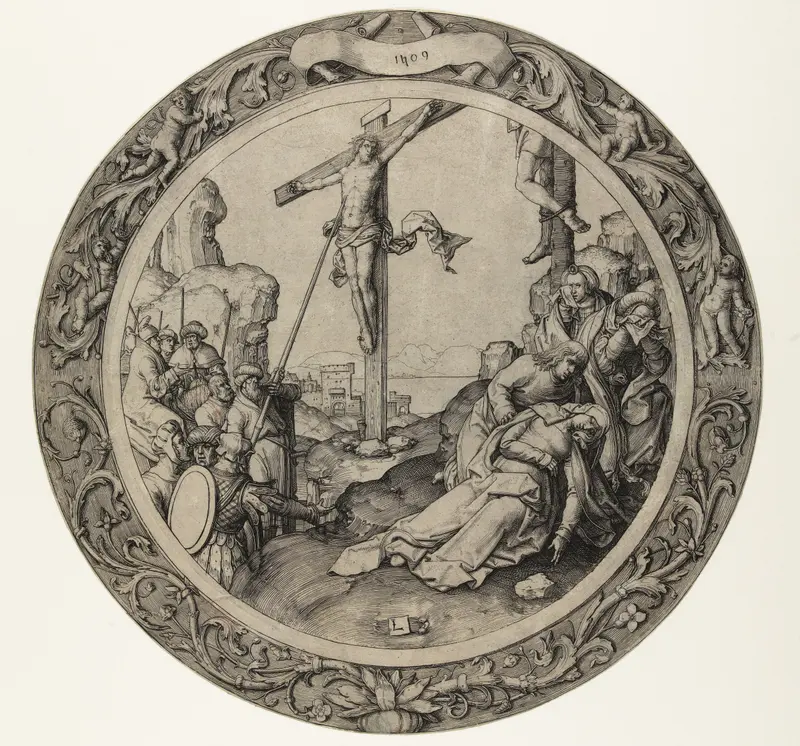
De kruisiging
Lucas van Leyden
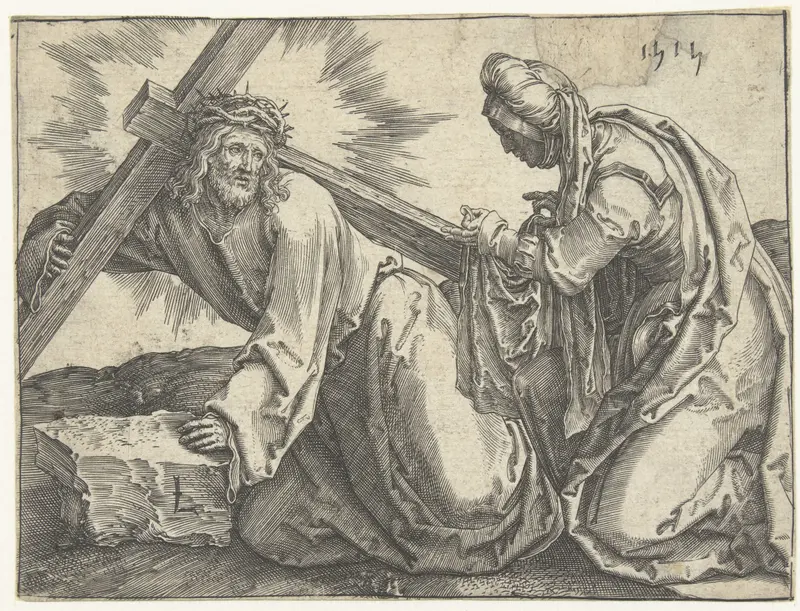
Kruisdraging
Lucas van Leyden

Maria met kind
Lucas van Leyden
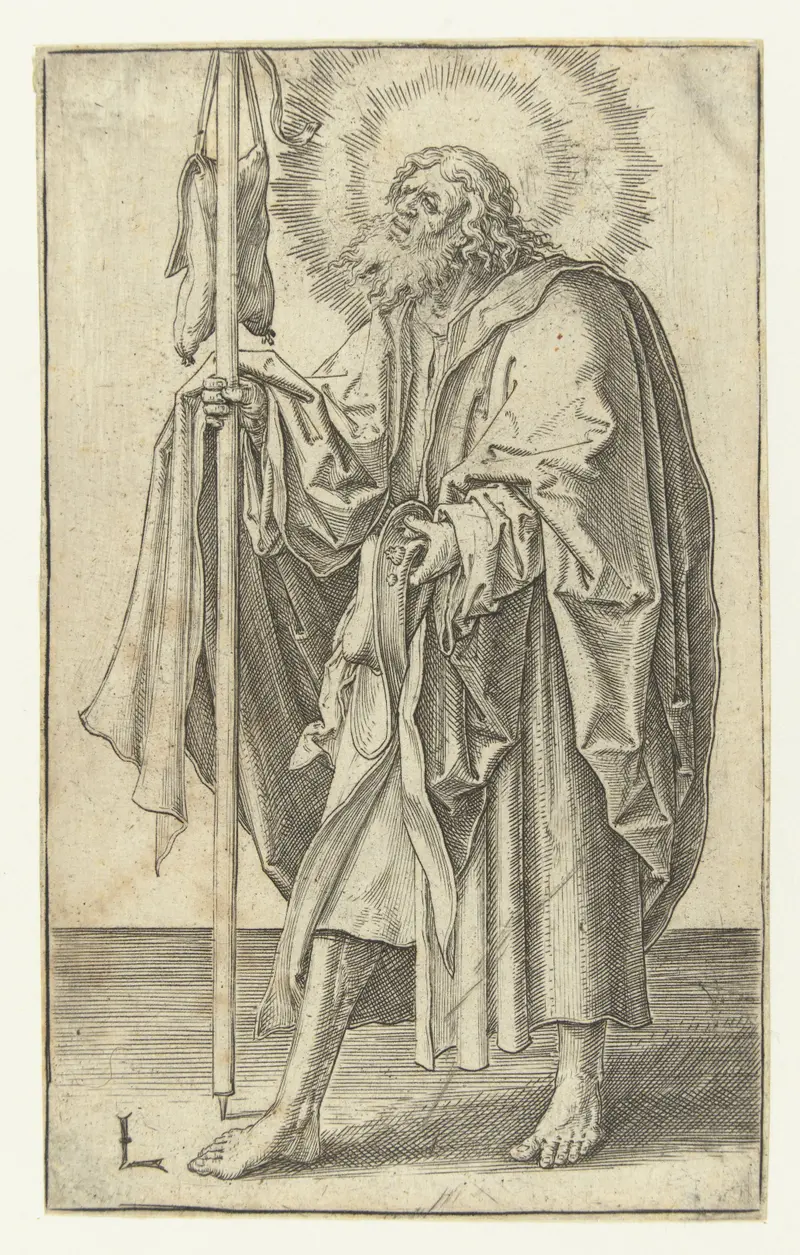
De apostel Jakobus Major
Lucas van Leyden
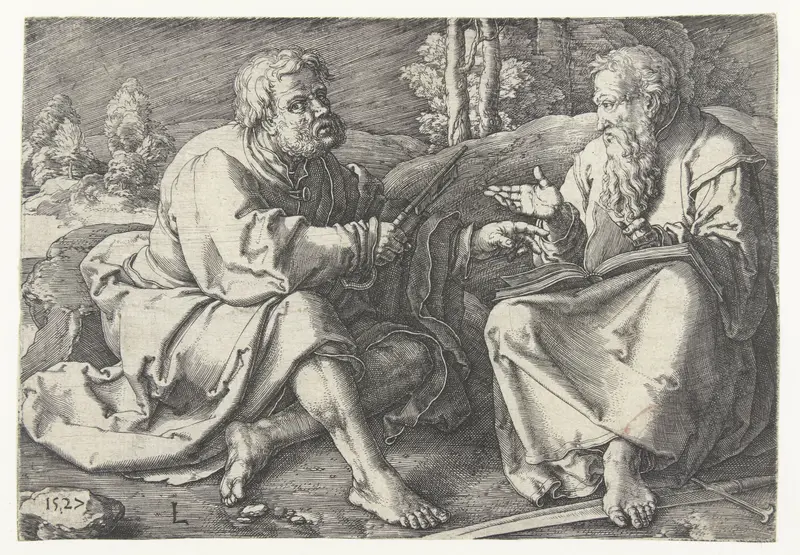
Paulus en Petrus zittend in een landschap
Lucas van Leyden
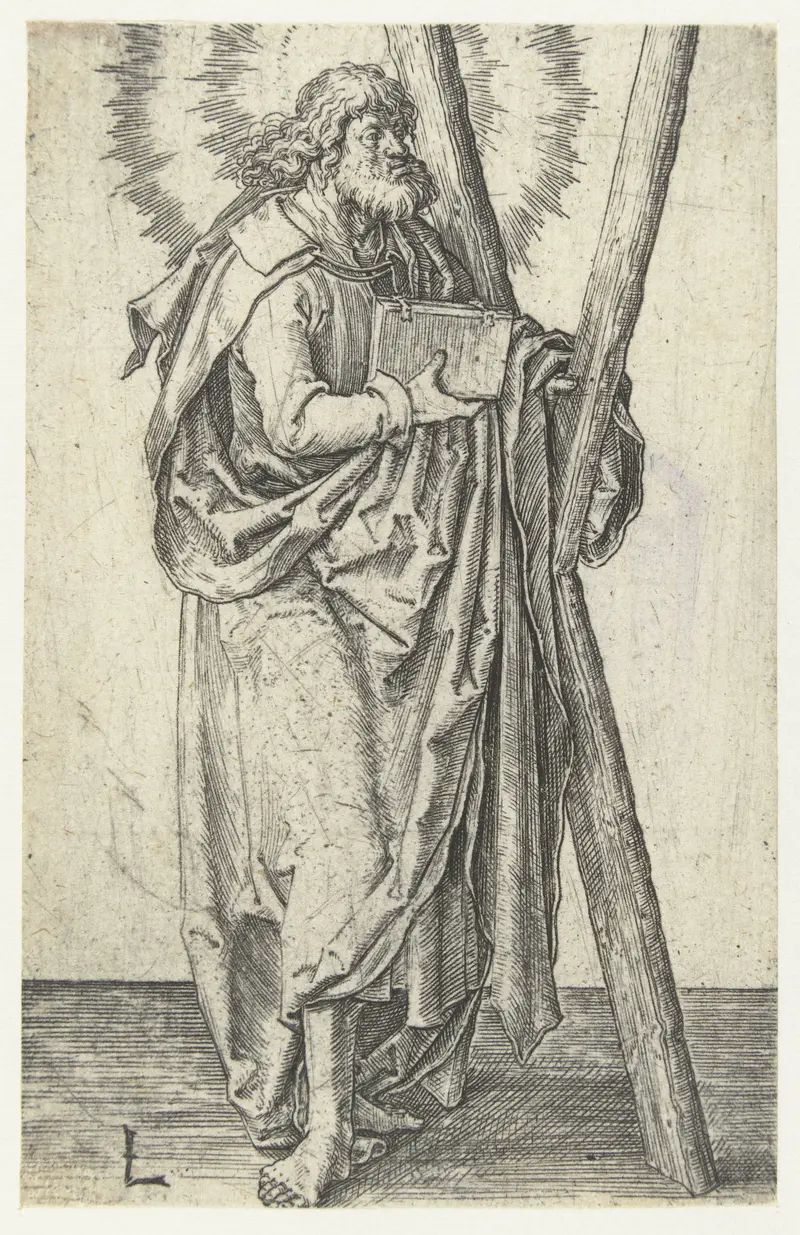
De apostel Andreas
Lucas van Leyden
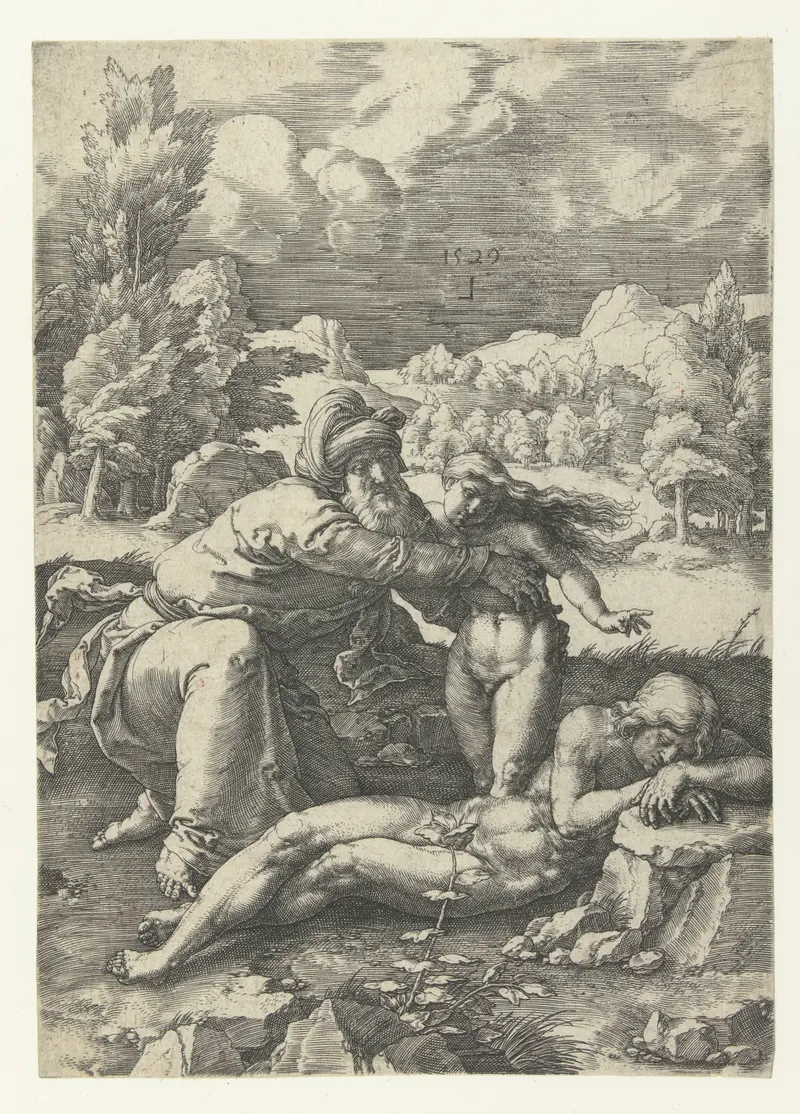
De schepping van Eva
Lucas van Leyden
De vrouw van Potifar beschuldigt Jozef
Lucas van Leyden