
De evangelist Mattheüs — History & Facts
Can paint confess what words never could? In De evangelist Mattheüs, melancholy drapes over the canvas, whispering untold stories of faith and doubt. Look to the left, where the figure of Matthew sits amidst a warmed palette of ochres and deep browns. His gaze drifts away from the viewer, lost in contemplation as the golden light casts a halo over his head, suggesting divine inspiration. Notice the delicate interplay of shadow and light across the textured folds of his garments, enhancing the gravity of this moment.
The open book before him, an invitation to divine wisdom, remains untouched, its pages fluttering as if caught in a silent breeze. Here, the tension between solitude and enlightenment pulses subtly. Matthew’s distant expression embodies the struggle between earthly existence and the divine call, mirroring the artist's own existential queries. The muted background, with its soft greens and blues, creates a melancholic aura, reflecting the sense of isolation inherent in spiritual introspection.
Each brushstroke seems to echo the unspoken burdens of faith and revelation, inviting viewers to ponder their own quiet moments of doubt. Lucas van Leyden painted this work in 1518 during a time of burgeoning humanism and religious upheaval in Europe. At only 25, he was already a prominent figure in the Northern Renaissance, grappling with the tensions of his age. The push towards individual interpretation of faith resonated in his work, revealing an artist at the threshold of a profound change in both his life and the art world.
More Artworks by Lucas van Leyden
Browse all →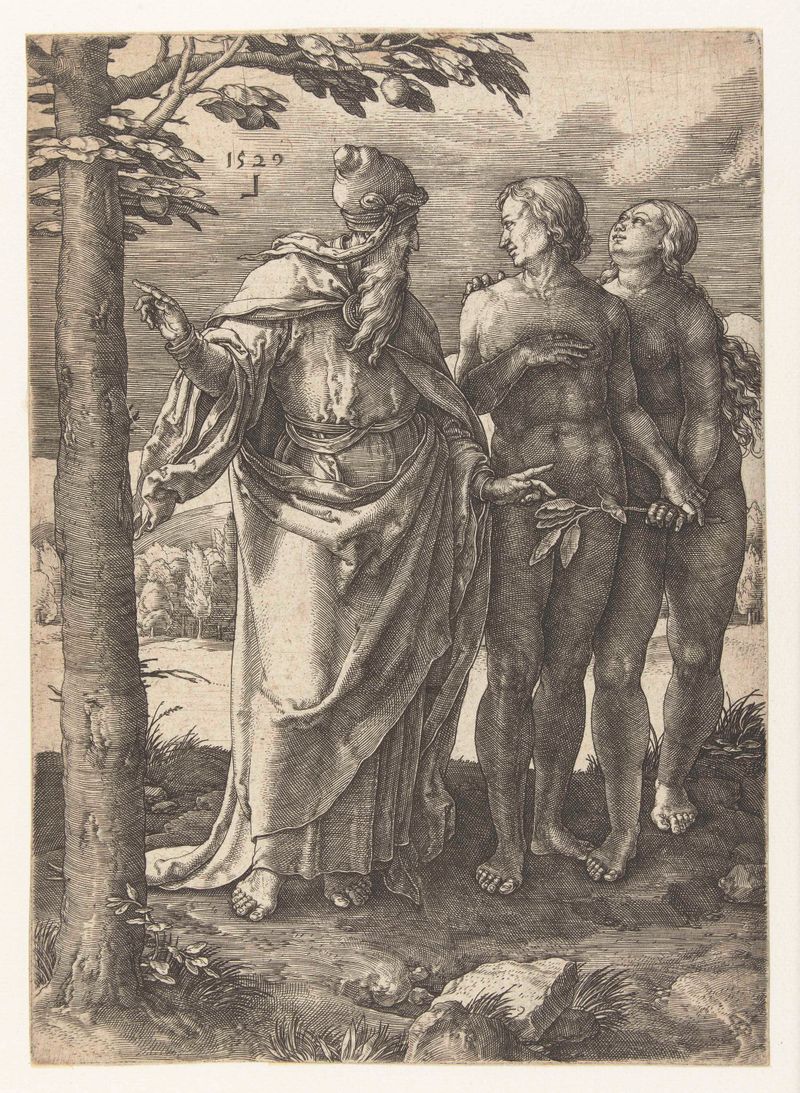
Het eerste verbod
Lucas van Leyden
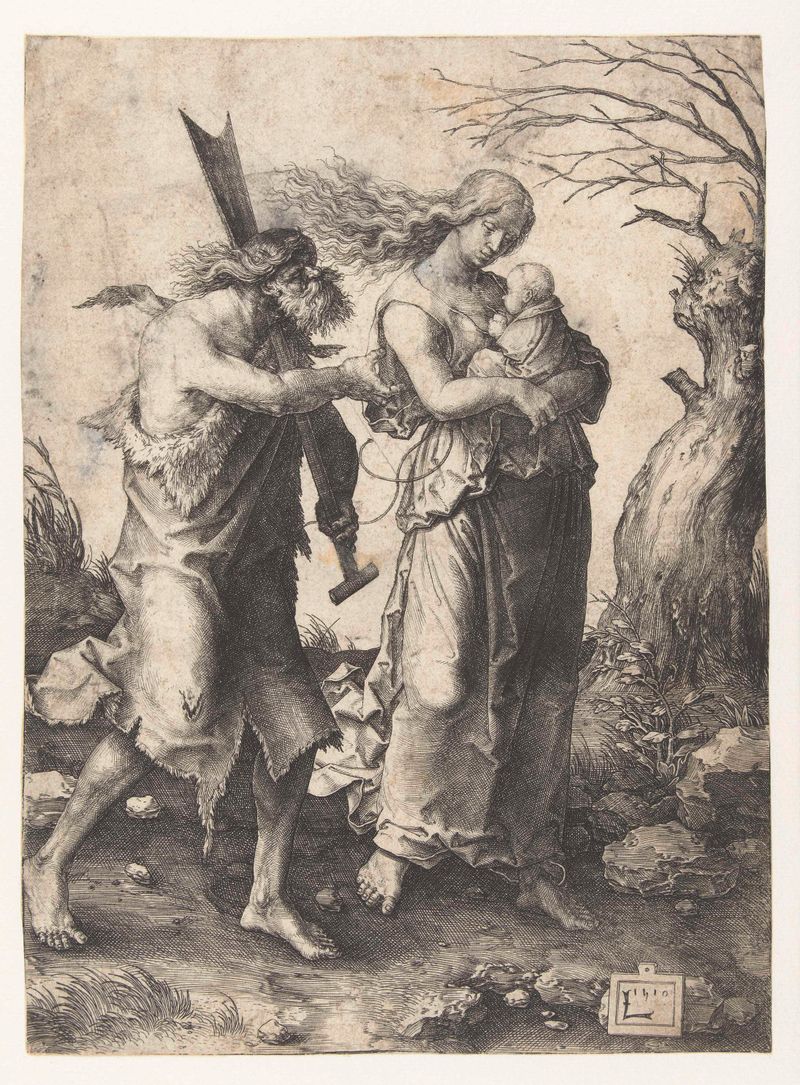
Adam en Eva na de verdrijving uit het paradijs
Lucas van Leyden
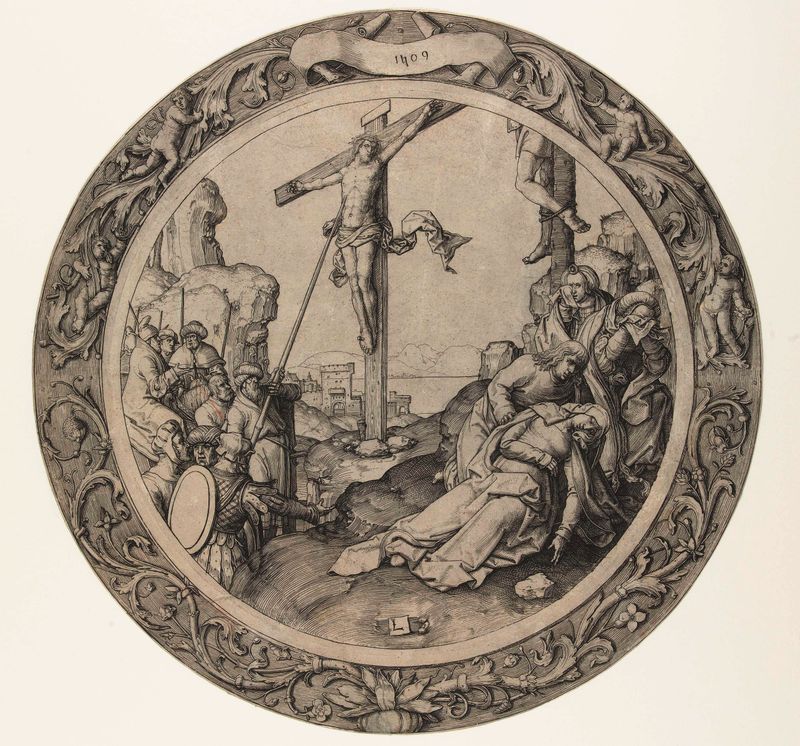
De kruisiging
Lucas van Leyden
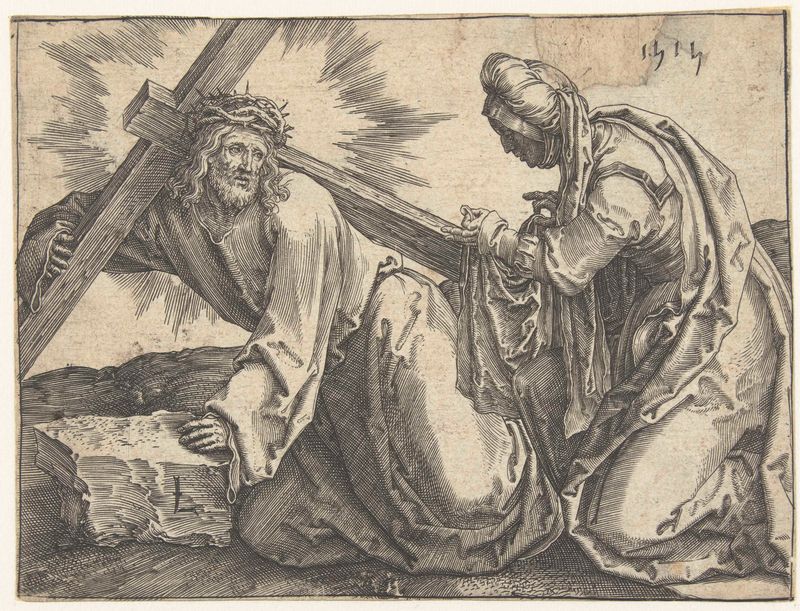
Kruisdraging
Lucas van Leyden
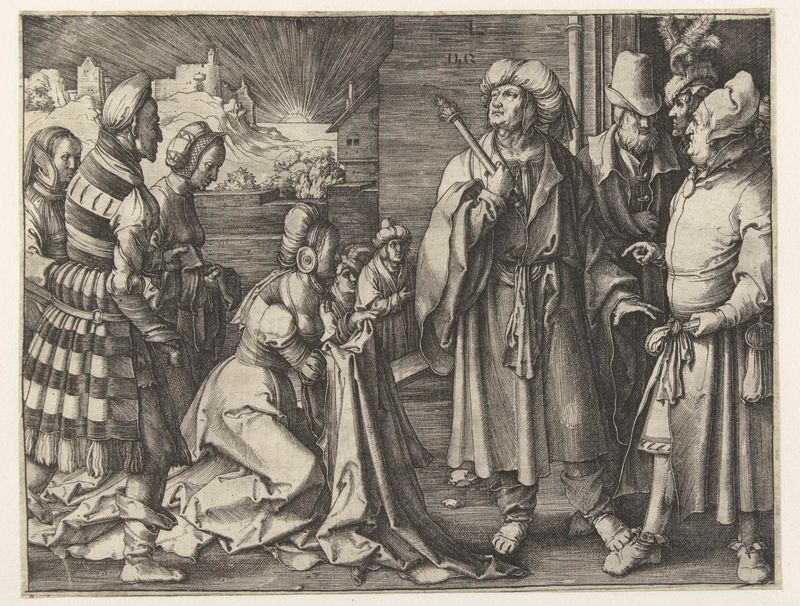
De vrouw van Potifar beschuldigt Jozef
Lucas van Leyden
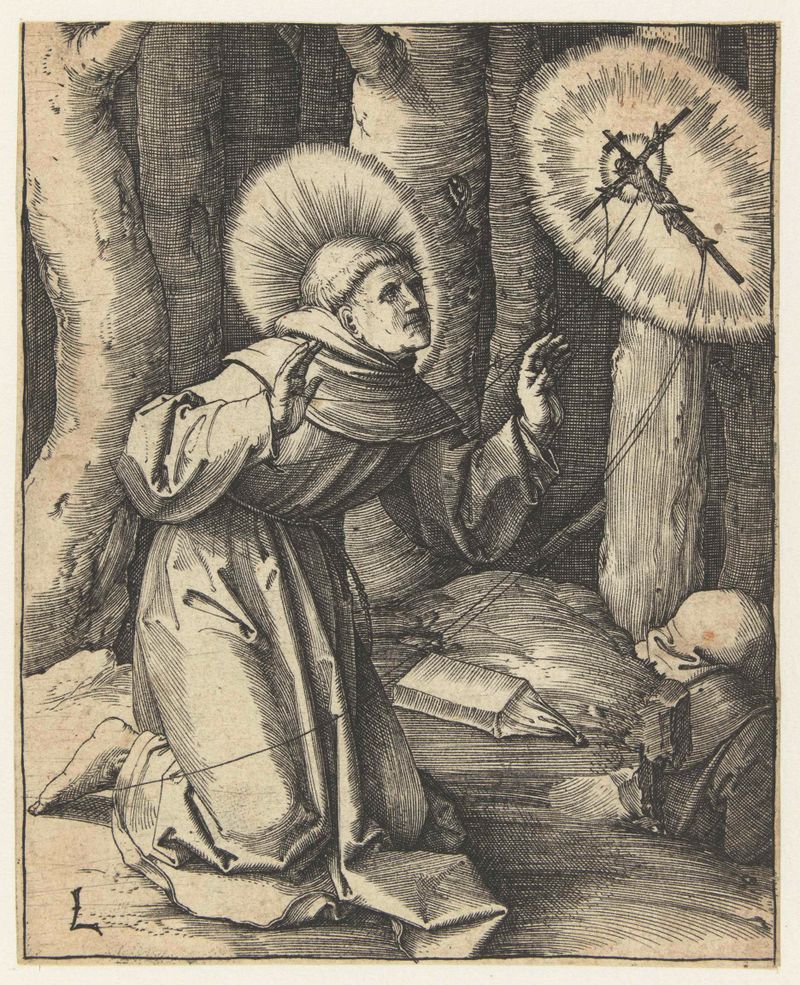
De stigmatisatie van de heilige Franciscus
Lucas van Leyden
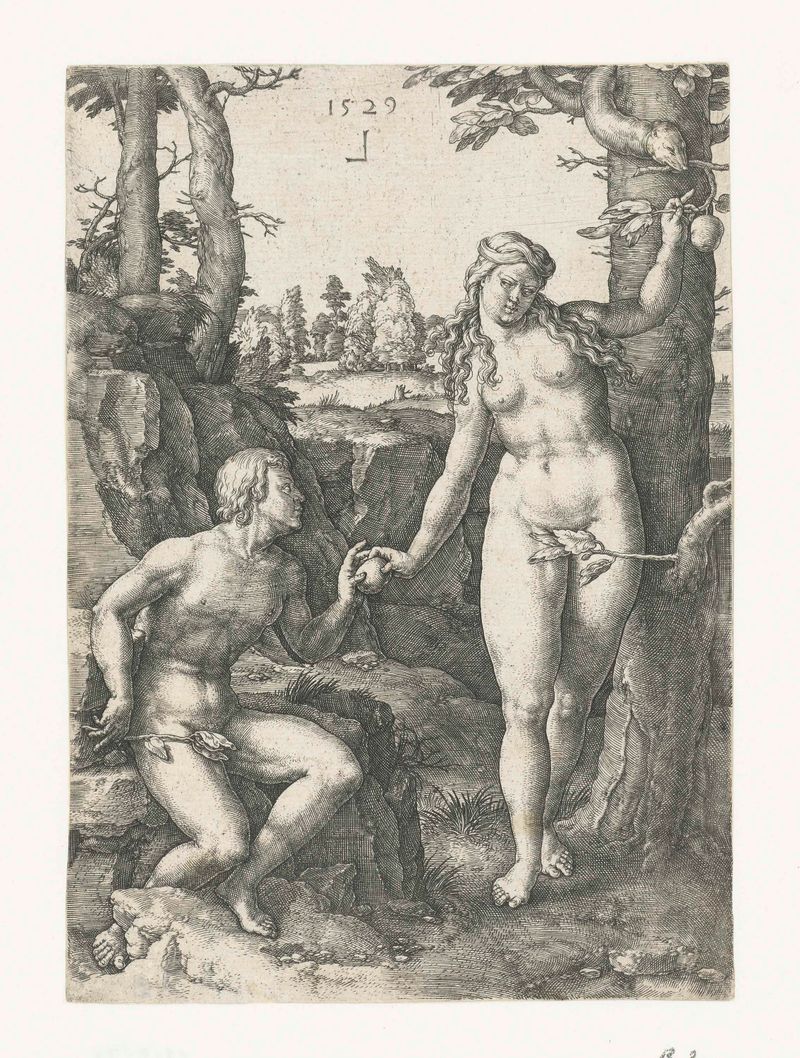
De zondeval
Lucas van Leyden
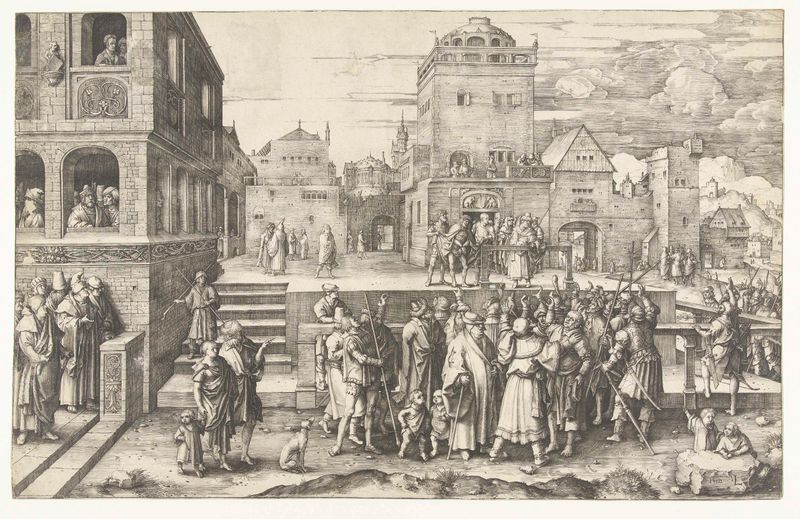
De grote Ecce Homo
Lucas van Leyden
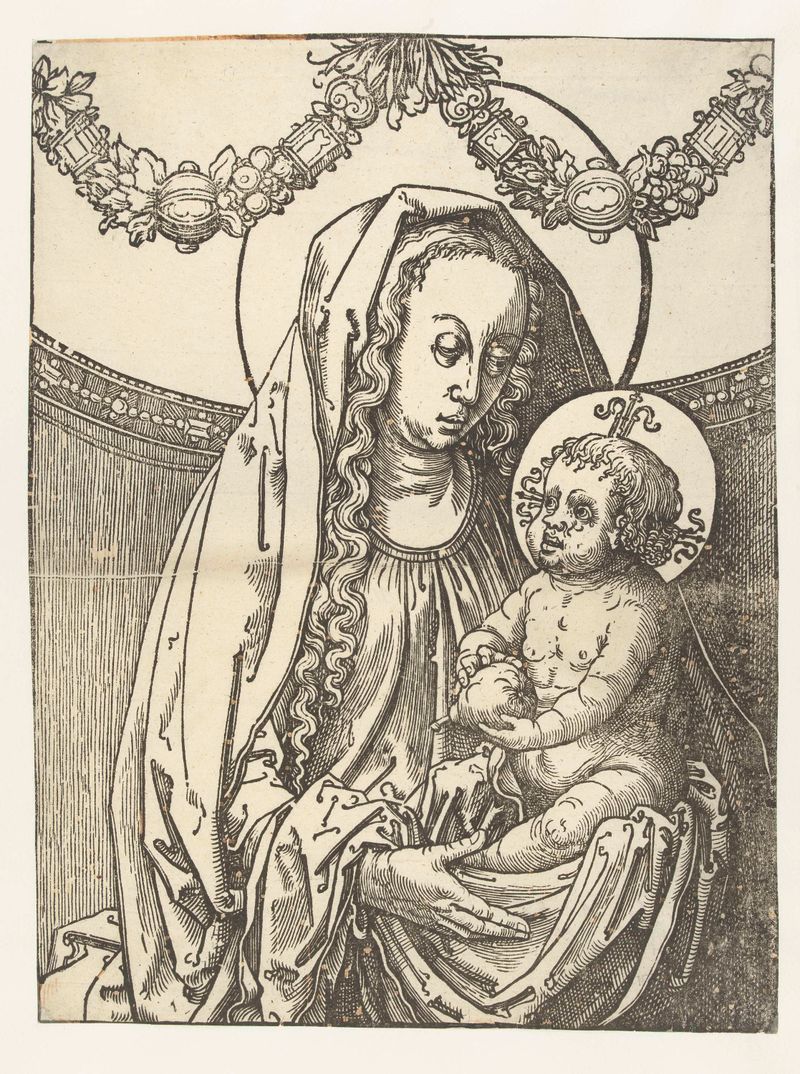
Maria met kind
Lucas van Leyden

Doornenkroning
Lucas van Leyden
More Religious Art
Browse all →
The Return of the Prodigal Son
Rembrandt van Rijn

The Garden of Earthly Delights
El Bosco

Count Orgaz’ funeral
El Greco

The Hundred Guilder Print: the central piece with Christ preaching, the plate arched
Rembrandt van Rijn

The Descent from the Cross
Rogier van der Weyden

The return of the prodigal son
Rembrandt van Rijn