
De geboorte van Christus — History & Facts
Is this a mirror — or a memory? In De geboorte van Christus, the viewer is drawn into a moment of profound reverence, where the past and present intertwine, igniting a sense of awe in the act of creation. Focus first on the radiant light that envelops the newborn, illuminating the soft features of the Christ child. Notice how this golden glow contrasts with the cooler shadows surrounding the figures, drawing your eye to the central moment of divine birth. The delicate interplay of color is striking, with rich reds and deep blues adorning the garments of Mary and Joseph, their expressions reflecting both joy and humility.
The masterful technique reveals not just the scene, but an atmosphere laden with spiritual significance. Delve deeper into the intricacies of this work, where each figure serves a symbolic purpose. The humble surroundings highlighted by simple architecture emphasize the extraordinary nature of this birth, while the expressions of onlookers—a mix of wonder, piety, and tenderness—tell a collective story of faith. The placement of animals in the background adds a layer of harmony with nature, symbolizing the unity of all creation in this miraculous event.
Such details weave a rich tapestry of emotion that resonates through time. Created between 1512 and 1516, this piece emerged during a transformative period for the artist, who was then honing his skills in the burgeoning Northern Renaissance. As Lucas van Leyden explored the interplay of light and shadow, his works began to reflect the human experience intertwined with divine themes, capturing the essence of spirituality amidst the evolving societal context of his day.
More Artworks by Lucas van Leyden
Browse all →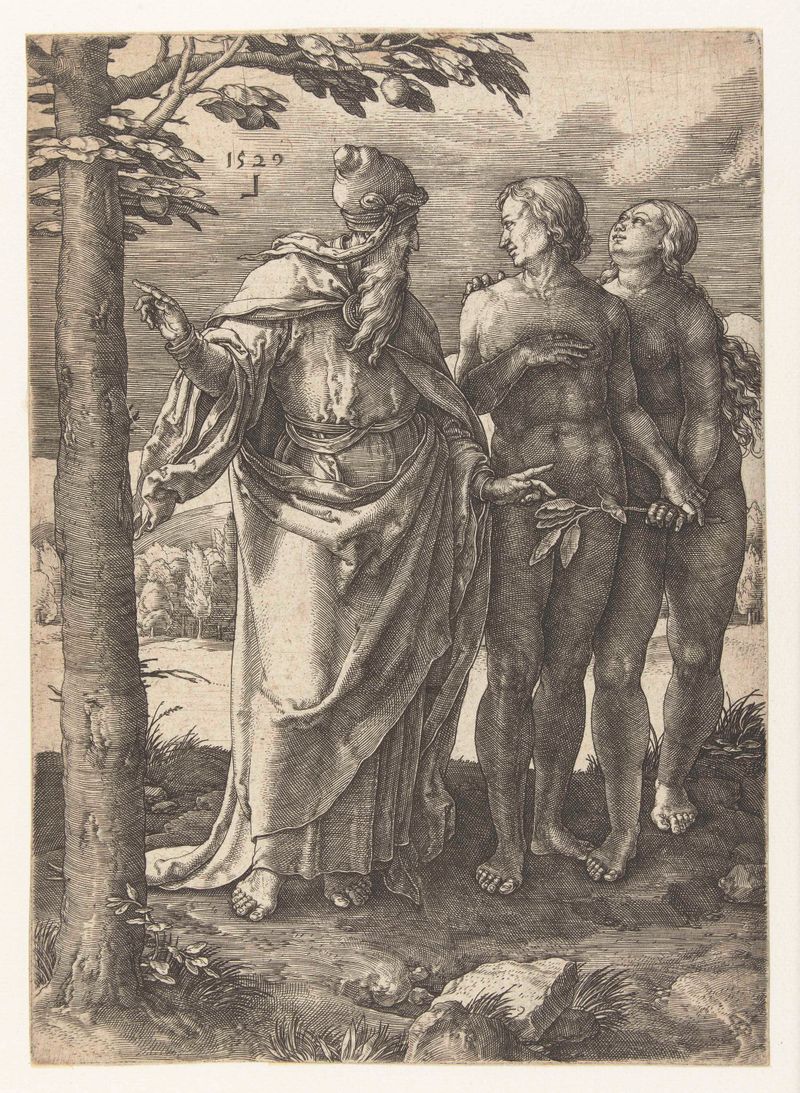
Het eerste verbod
Lucas van Leyden
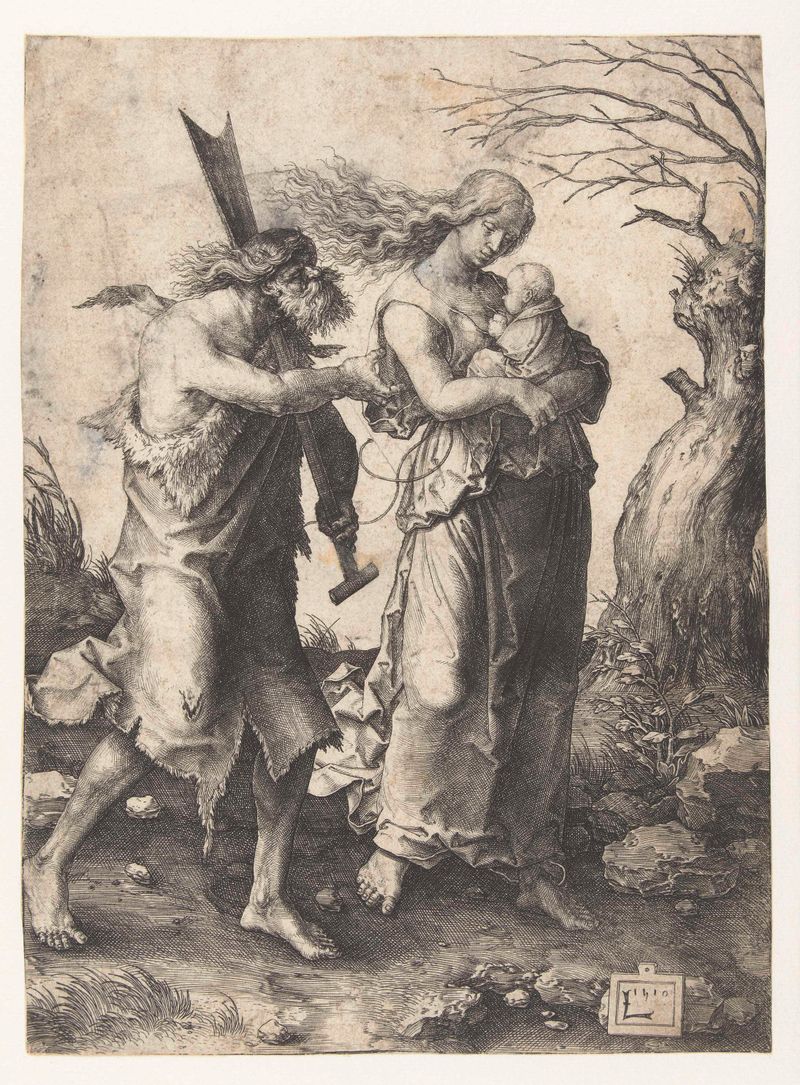
Adam en Eva na de verdrijving uit het paradijs
Lucas van Leyden
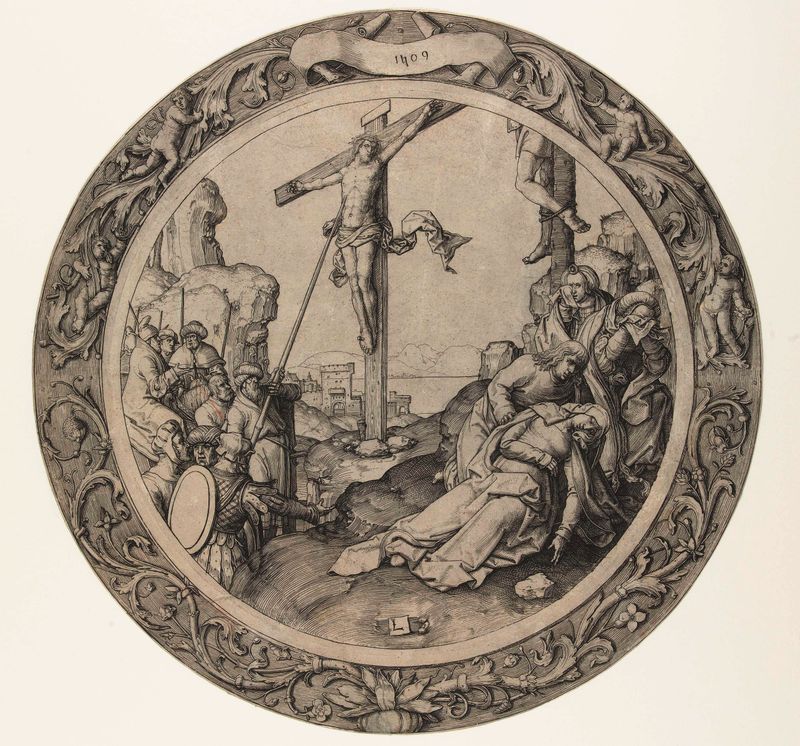
De kruisiging
Lucas van Leyden
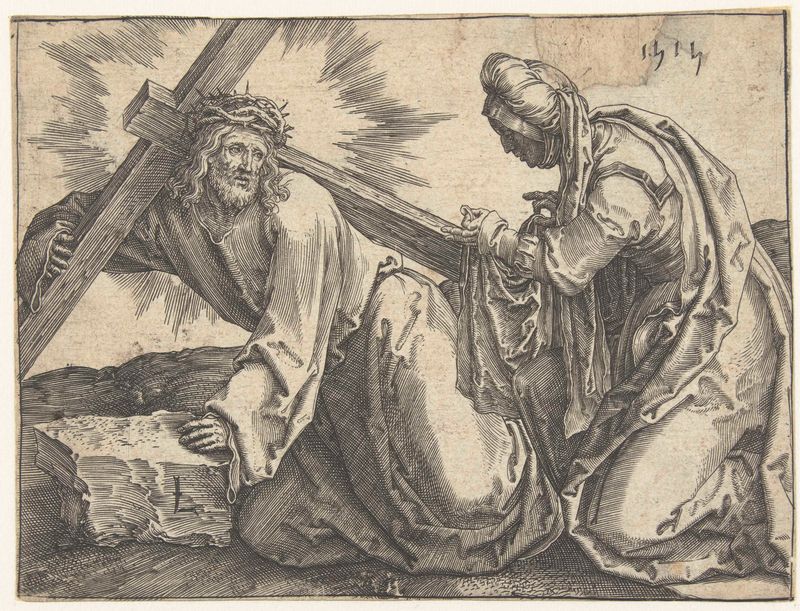
Kruisdraging
Lucas van Leyden
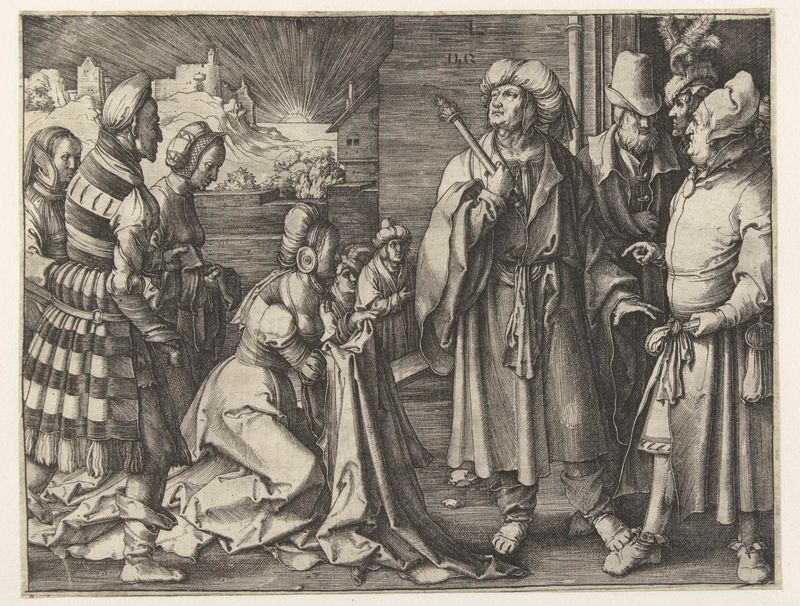
De vrouw van Potifar beschuldigt Jozef
Lucas van Leyden
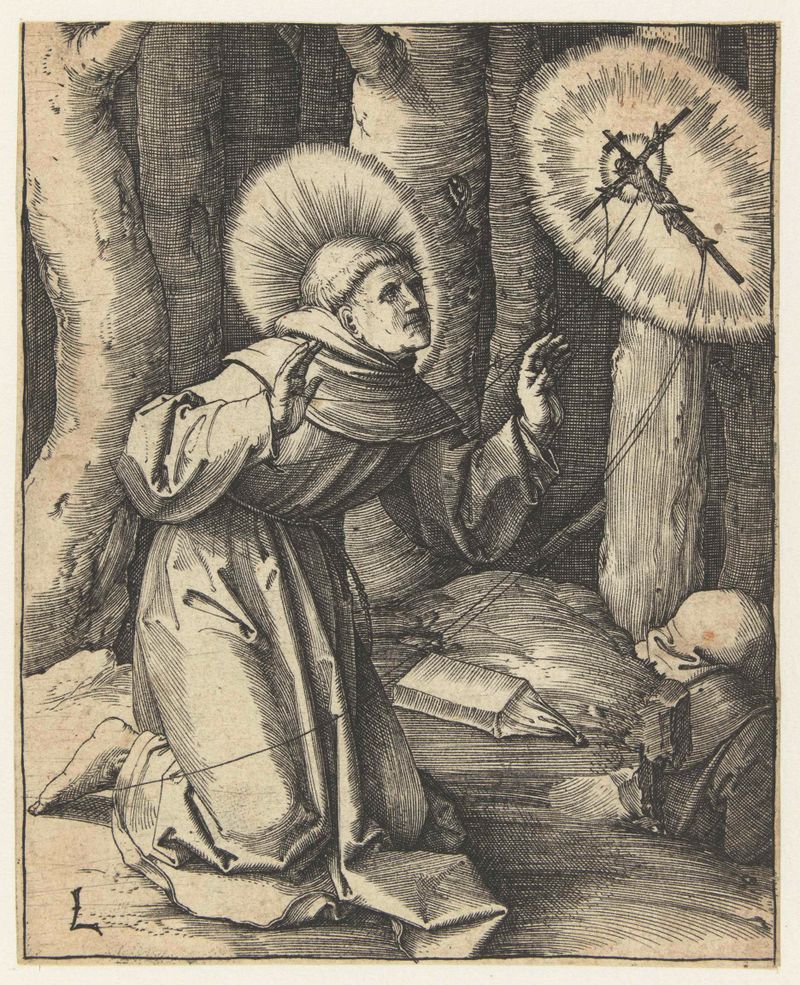
De stigmatisatie van de heilige Franciscus
Lucas van Leyden
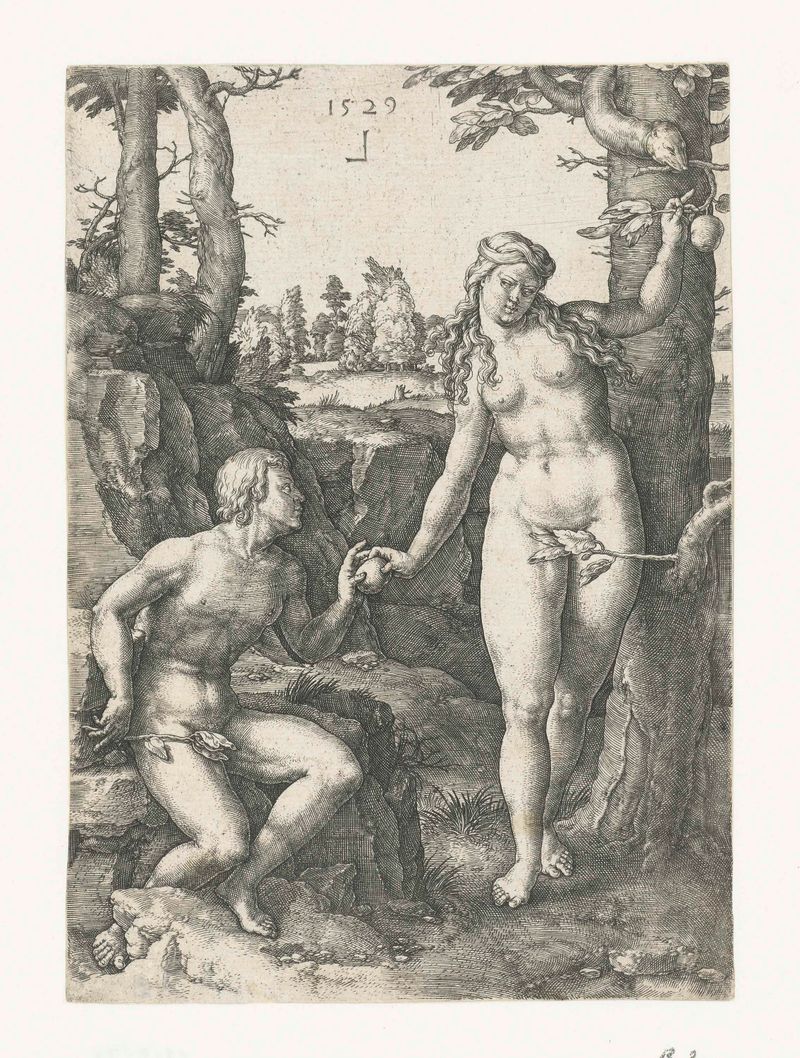
De zondeval
Lucas van Leyden
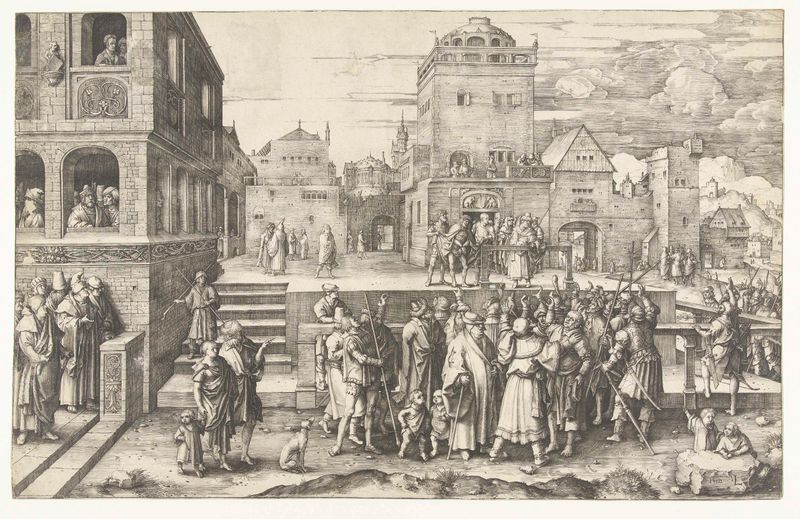
De grote Ecce Homo
Lucas van Leyden
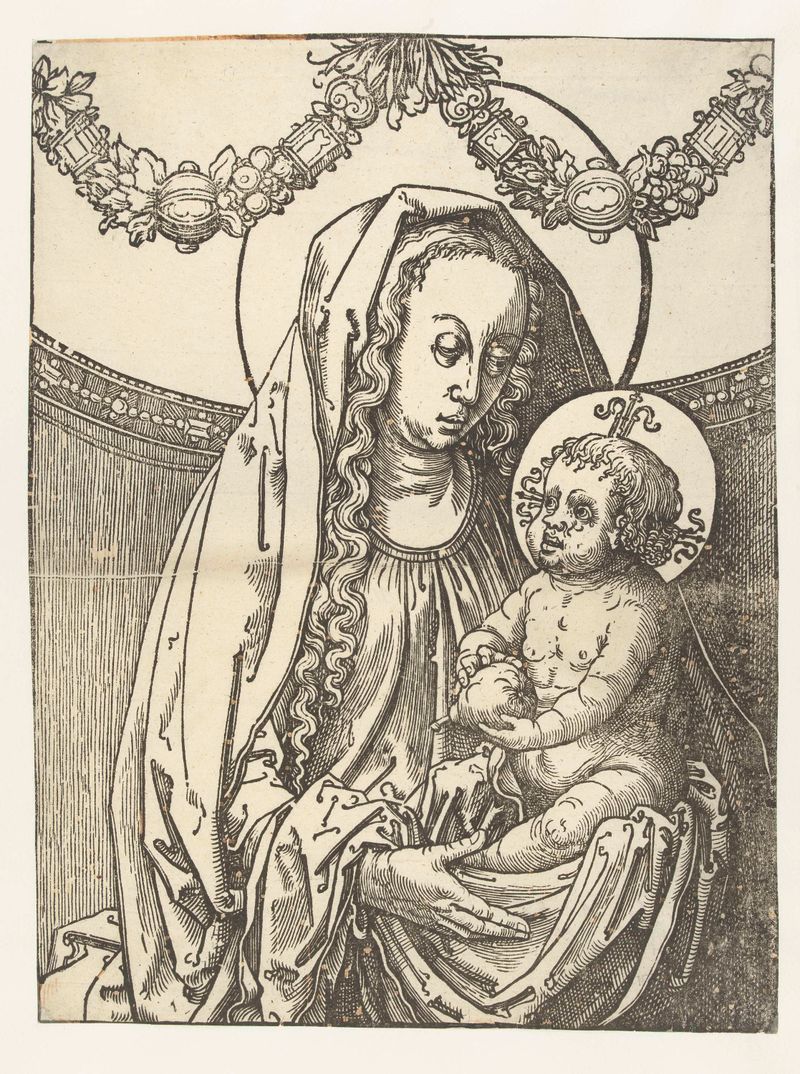
Maria met kind
Lucas van Leyden

Doornenkroning
Lucas van Leyden
More Religious Art
Browse all →
The Return of the Prodigal Son
Rembrandt van Rijn

The Garden of Earthly Delights
El Bosco

Count Orgaz’ funeral
El Greco

The Hundred Guilder Print: the central piece with Christ preaching, the plate arched
Rembrandt van Rijn

The Descent from the Cross
Rogier van der Weyden

The return of the prodigal son
Rembrandt van Rijn