
De graflegging van Christus — History & Facts
In a time marked by uncertainty and upheaval, creation becomes an act of defiance, a silent testimony to the human spirit’s resilience. This painting captures the weight of loss and reverence in a moment where the divine meets the mortal. The stillness offers contemplation, inviting viewers to explore the depths of grief and devotion. Look to the left at the mourners surrounding the lifeless body.
Each figure is rendered with exquisite detail, their expressions a poignant blend of sorrow and awe. Notice how the light cascades down, illuminating Christ’s serene face while casting shadows across the somber surroundings. The rich palette of muted earth tones contrasted with deep reds creates a somber yet reverent atmosphere, guiding your gaze toward the central figure, who lies suspended in a moment of profound stillness. Beneath the surface, the juxtaposition of light and dark unfolds a narrative of hope amidst despair.
The uplifted hand of Mary, bathed in light, signifies faith and the promise of resurrection, while the mourners’ downcast eyes embody the weight of their loss. Each small detail—an outstretched arm, a tear on a cheek—conveys a complex interplay of emotion, revealing both the fragility and strength of the human condition in the face of mortality. Created in 1521, this masterpiece emerged from the workshop of Lucas van Leyden during a period when Northern Renaissance art was flourishing. At the time, the artist was establishing his reputation, buoyed by the innovations in printmaking and a growing interest in religious themes.
The period was characterized by significant social and theological shifts, making this poignant depiction of Christ’s burial even more resonant in the turbulent landscape of early 16th-century Europe.
More Artworks by Lucas van Leyden
Browse all →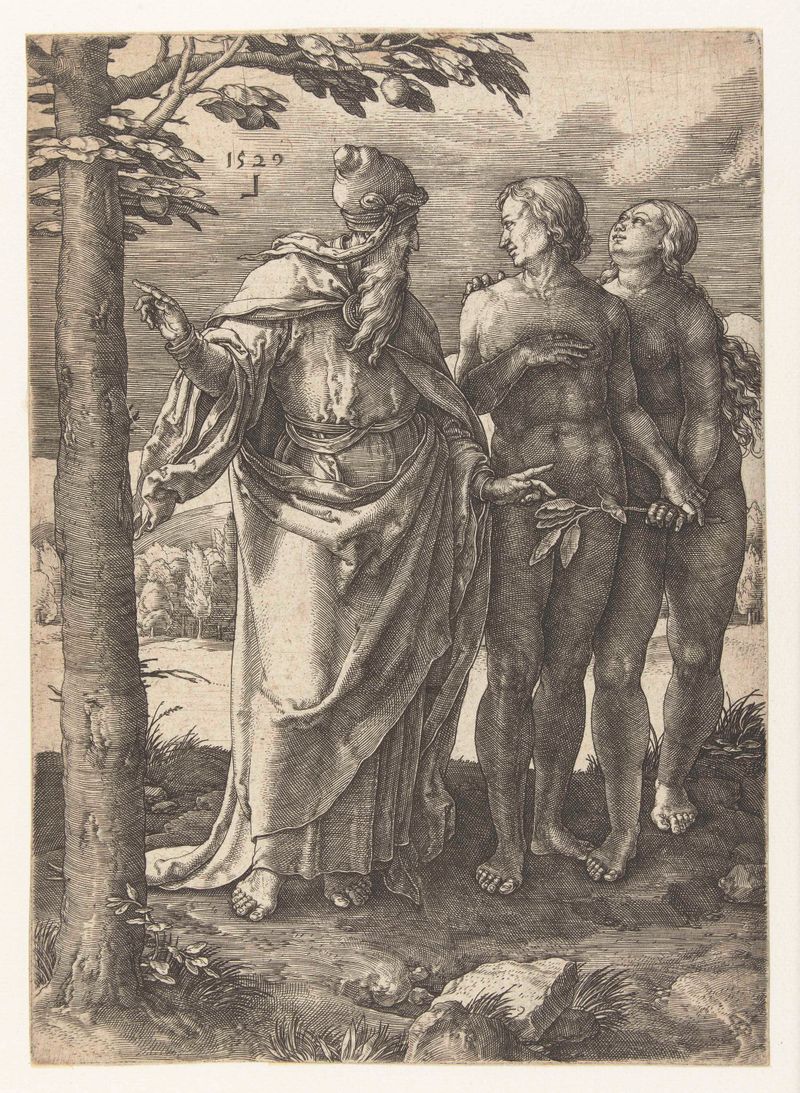
Het eerste verbod
Lucas van Leyden
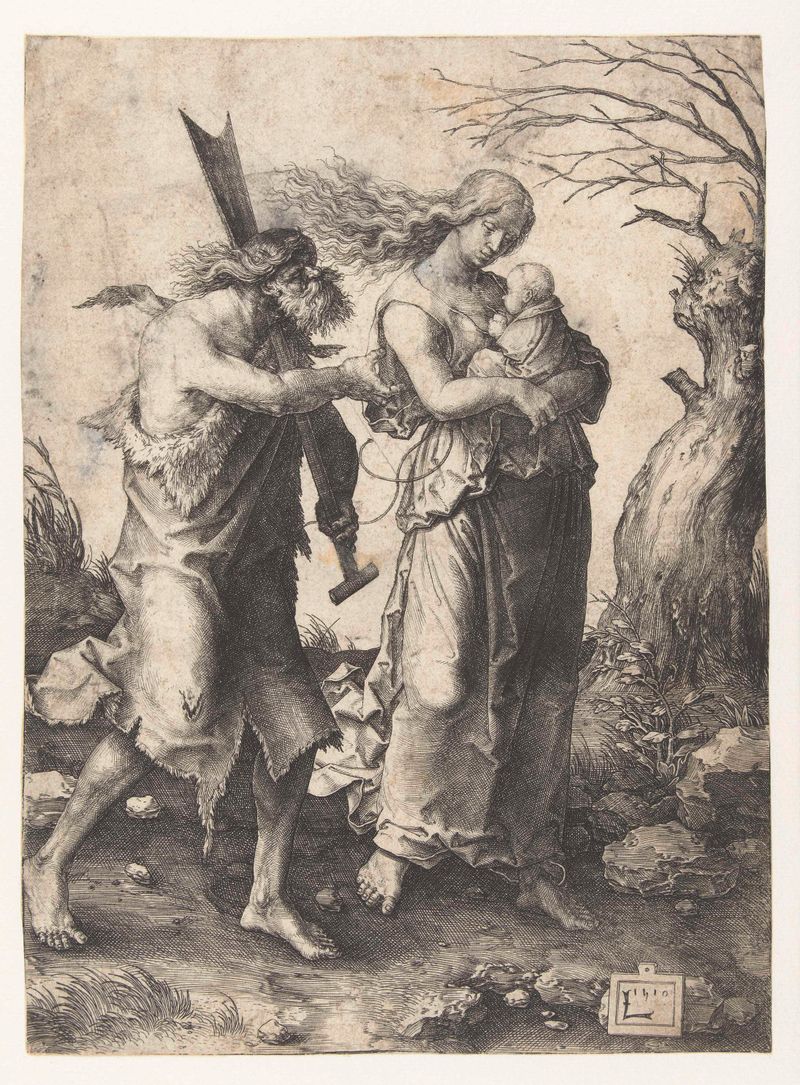
Adam en Eva na de verdrijving uit het paradijs
Lucas van Leyden
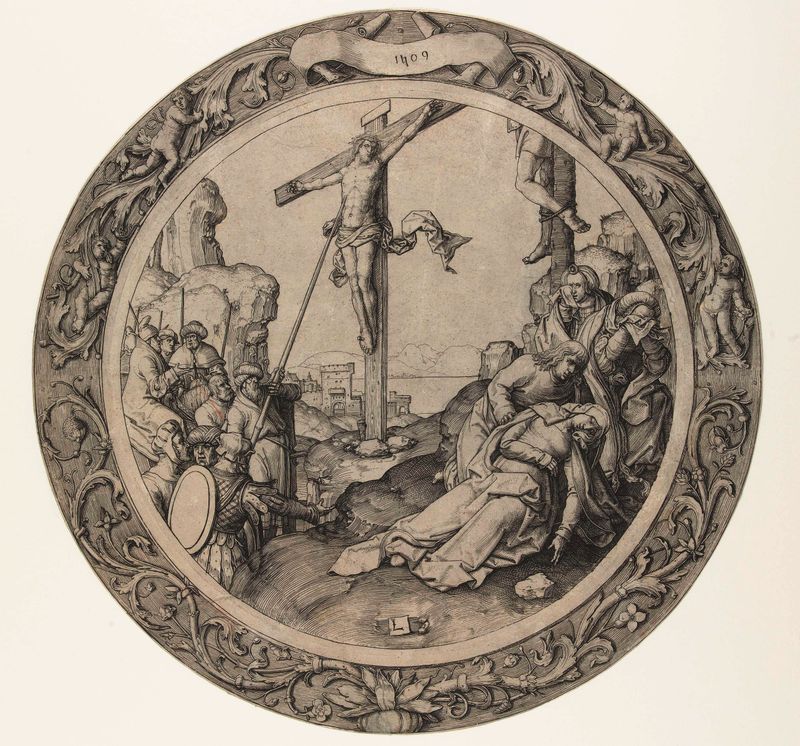
De kruisiging
Lucas van Leyden
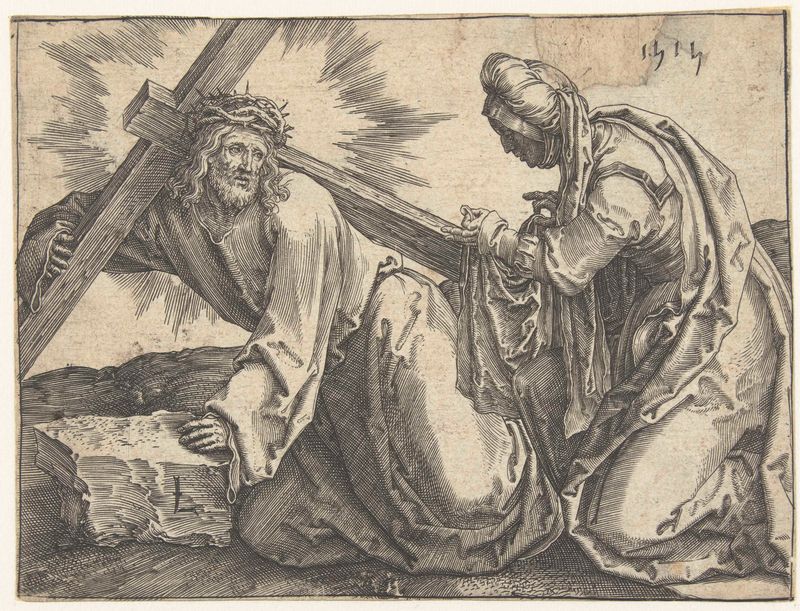
Kruisdraging
Lucas van Leyden
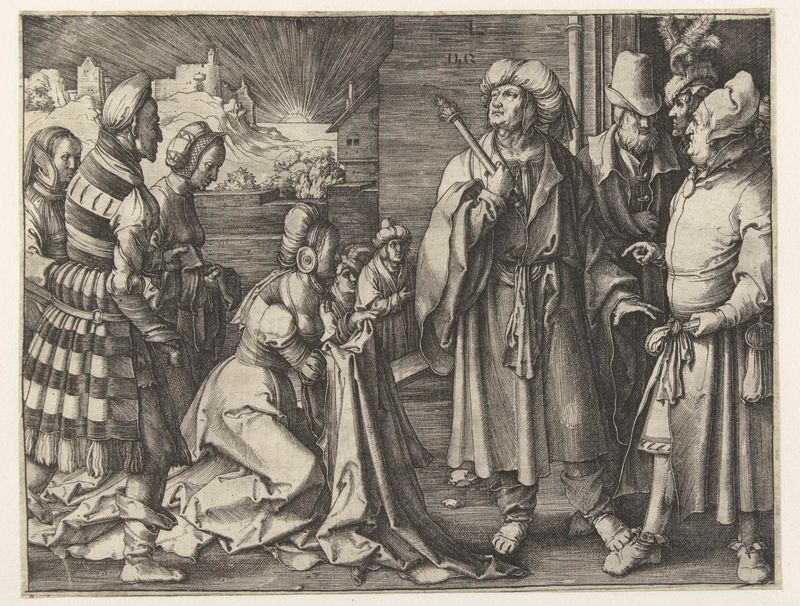
De vrouw van Potifar beschuldigt Jozef
Lucas van Leyden
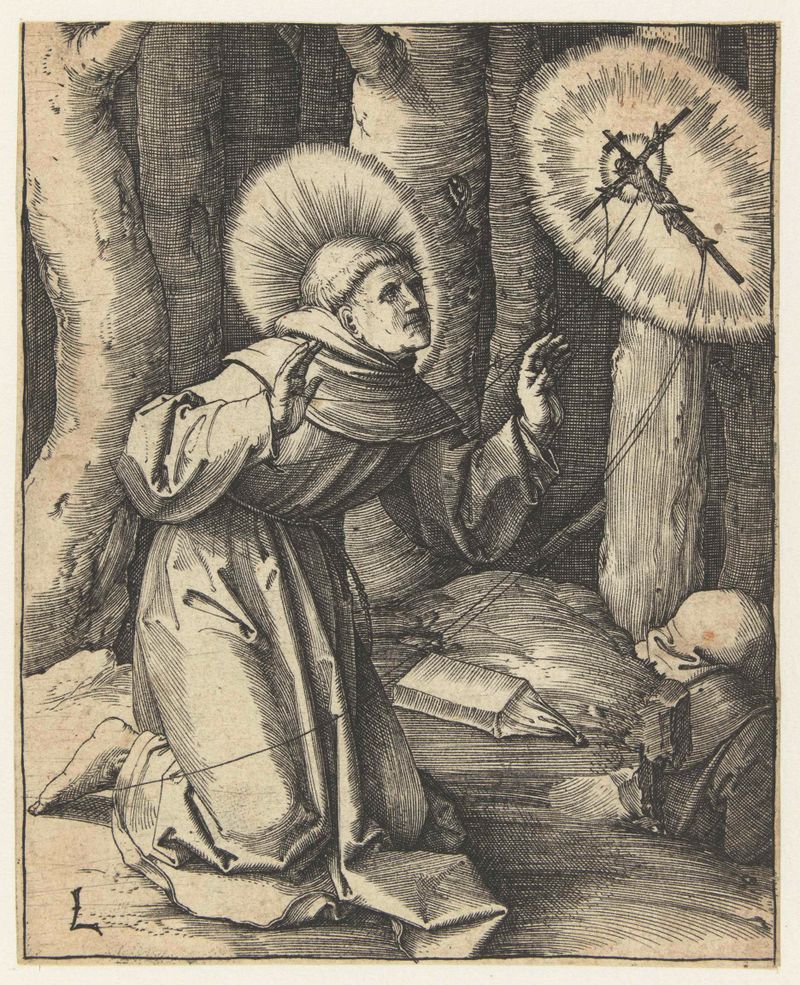
De stigmatisatie van de heilige Franciscus
Lucas van Leyden
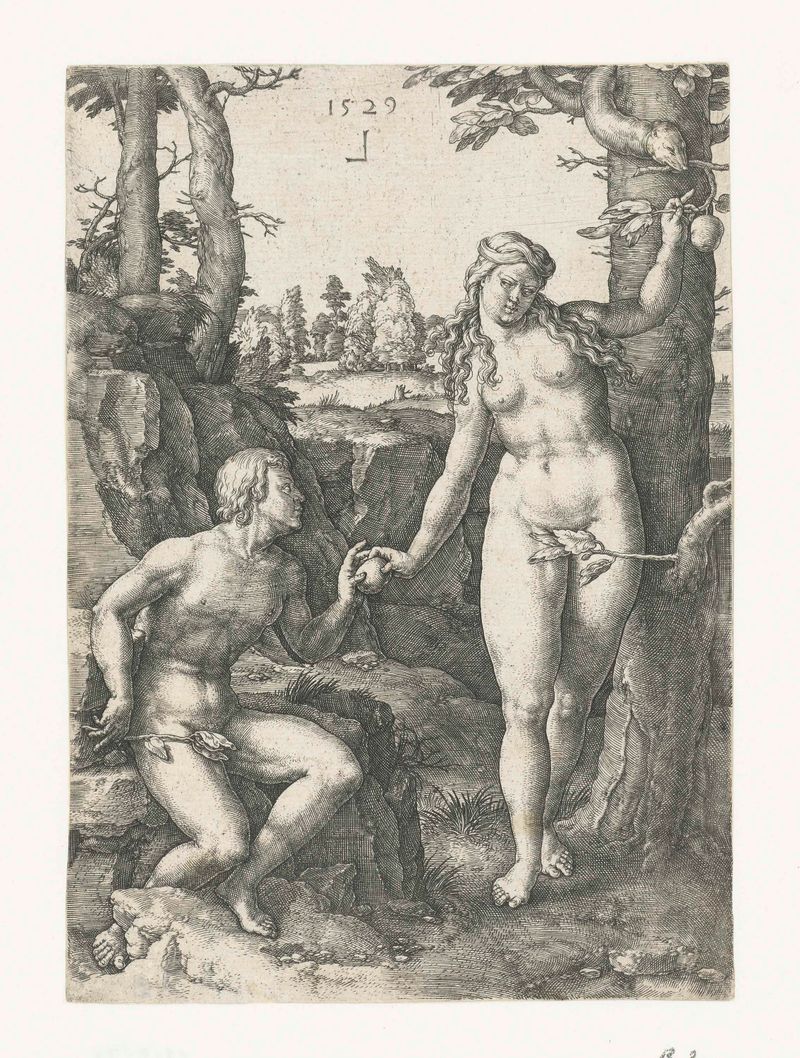
De zondeval
Lucas van Leyden
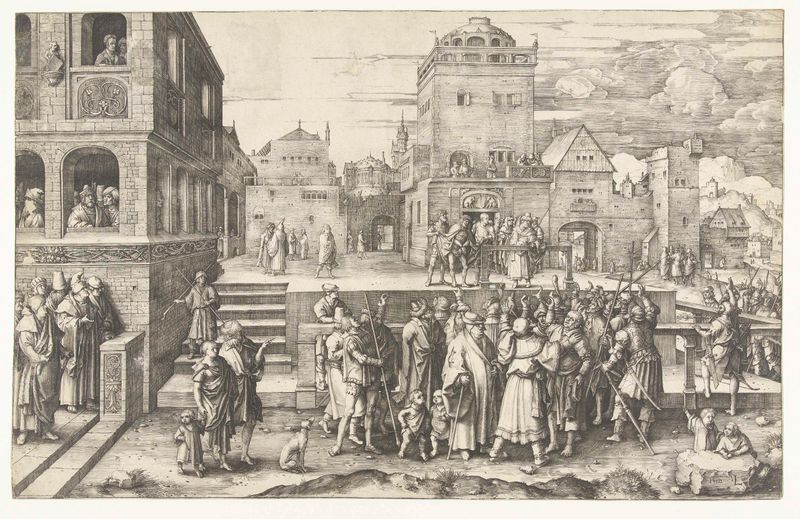
De grote Ecce Homo
Lucas van Leyden
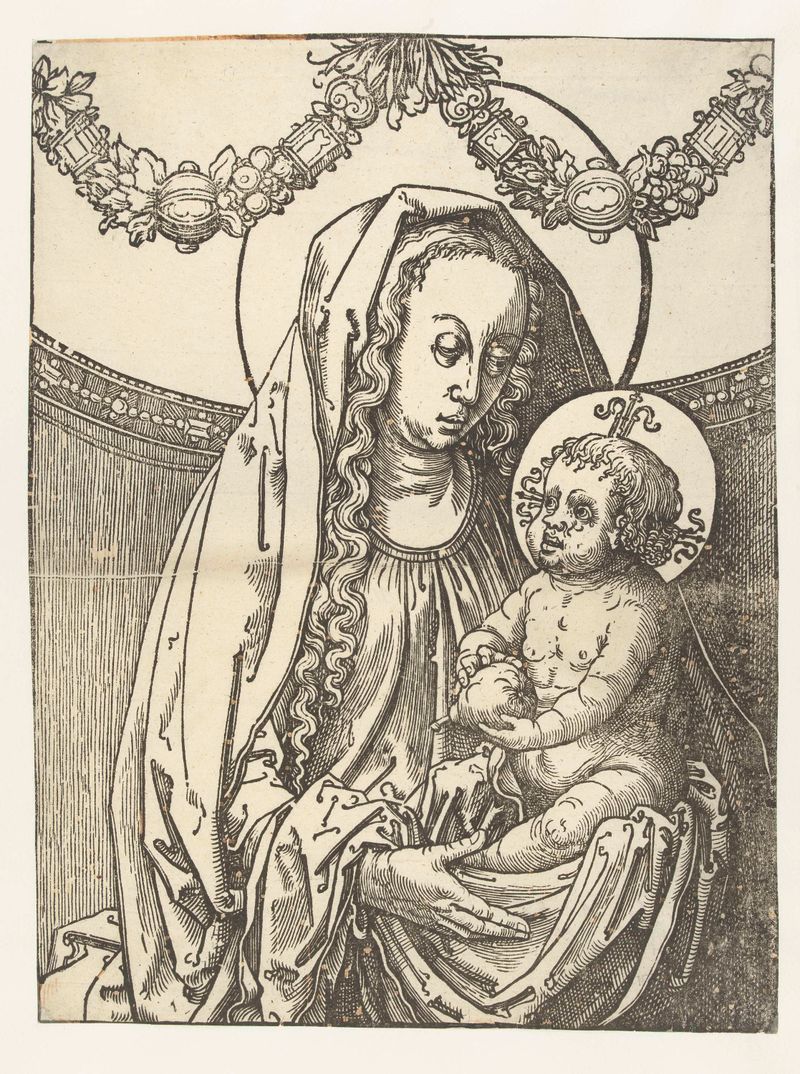
Maria met kind
Lucas van Leyden

Doornenkroning
Lucas van Leyden
More Religious Art
Browse all →
The Return of the Prodigal Son
Rembrandt van Rijn

The Garden of Earthly Delights
El Bosco

Count Orgaz’ funeral
El Greco

The Hundred Guilder Print: the central piece with Christ preaching, the plate arched
Rembrandt van Rijn

The Descent from the Cross
Rogier van der Weyden

The return of the prodigal son
Rembrandt van Rijn