
De grote Ecce Homo — History & Facts
Is this a mirror — or a memory? The act of revelation often blurs the line between self-awareness and reflection, urging us to confront the truths we hide. Focus on the central figure, the Christ-like visage, whose intense gaze seems to pierce through the canvas. Feel the tension in the rich, deep colors that envelop him, contrasting the luminous highlights on his face and fingers. Notice how the surrounding figures, draped in elaborate garments, recede into the background, their expressions ranging from admiration to disdain.
This careful composition draws the eye immediately to the protagonist, forcing the viewer to engage with the weight of the moment. Delve deeper into the layers of meaning embedded within this work. The delicate chiaroscuro evokes a sense of inner struggle, suggesting the composite nature of identity and perception. The figures flanking the central figure may symbolize societal judgment, while the prominent hand gesture reflects a call for attention, challenging the audience to perceive their own role in this narrative.
Here lies an exploration of empathy and the dichotomy between belief and skepticism. Lucas van Leyden created De grote Ecce Homo in 1510, amidst a thriving Renaissance in the Netherlands. At this time, he was an emerging master whose work began to reflect a blend of Northern realism and the humanist ideals permeating Europe. The painting captures a pivotal moment in his career, as he navigated the complexities of faith, representation, and the burgeoning world of printmaking, influencing how religious narratives were visually communicated.
More Artworks by Lucas van Leyden
Browse all →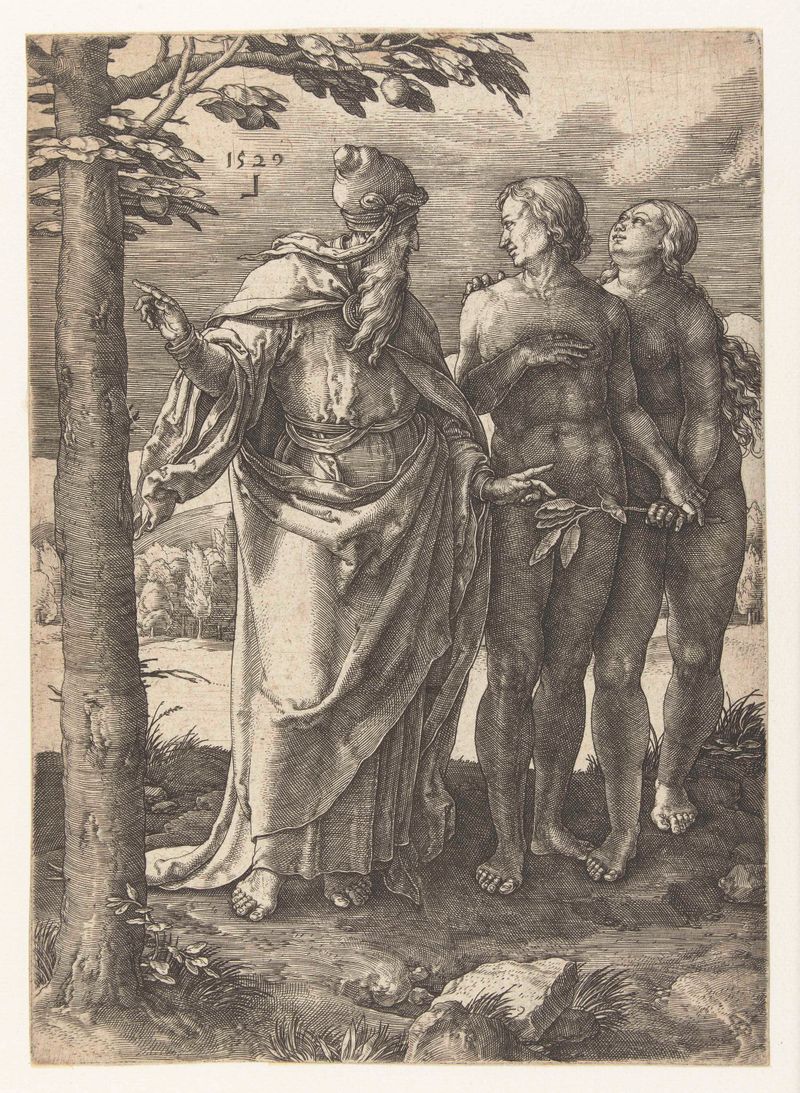
Het eerste verbod
Lucas van Leyden
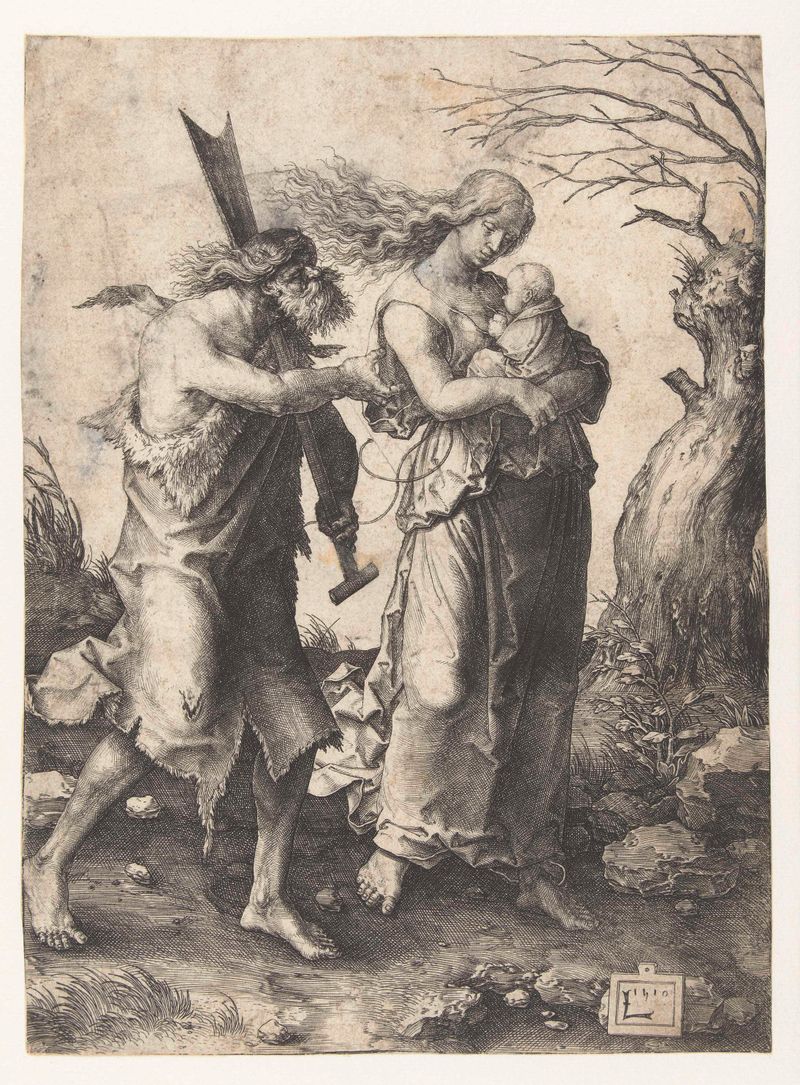
Adam en Eva na de verdrijving uit het paradijs
Lucas van Leyden
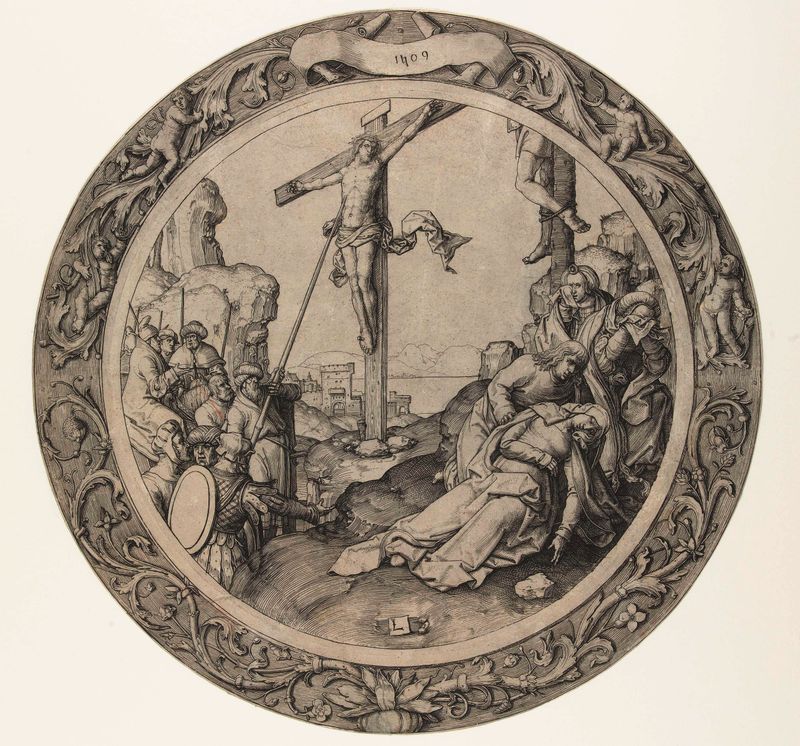
De kruisiging
Lucas van Leyden
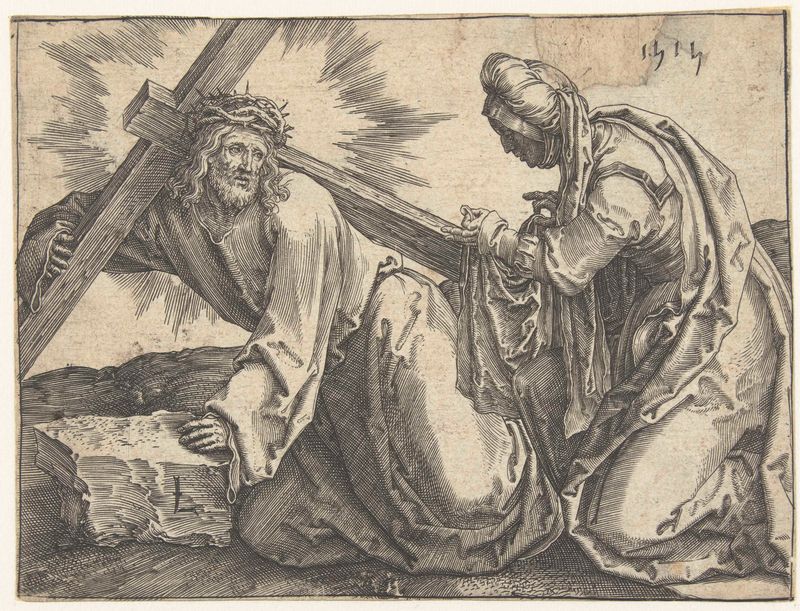
Kruisdraging
Lucas van Leyden
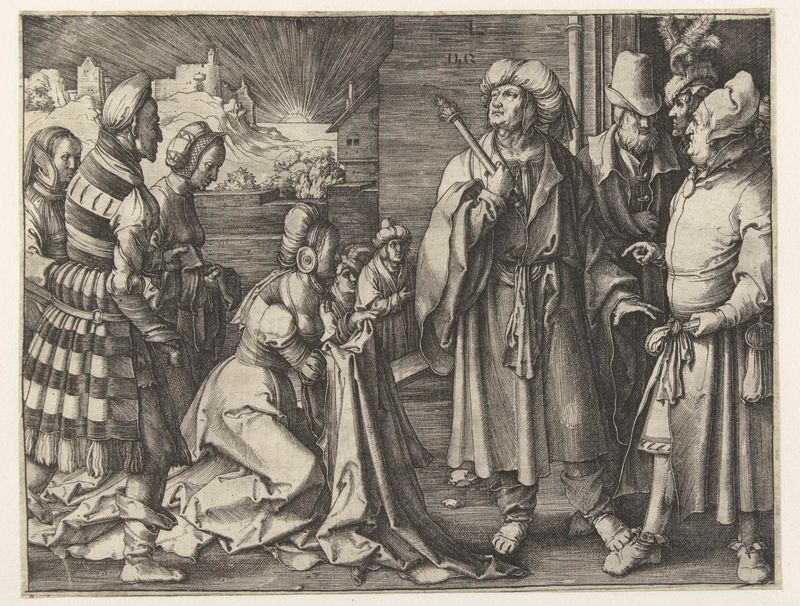
De vrouw van Potifar beschuldigt Jozef
Lucas van Leyden
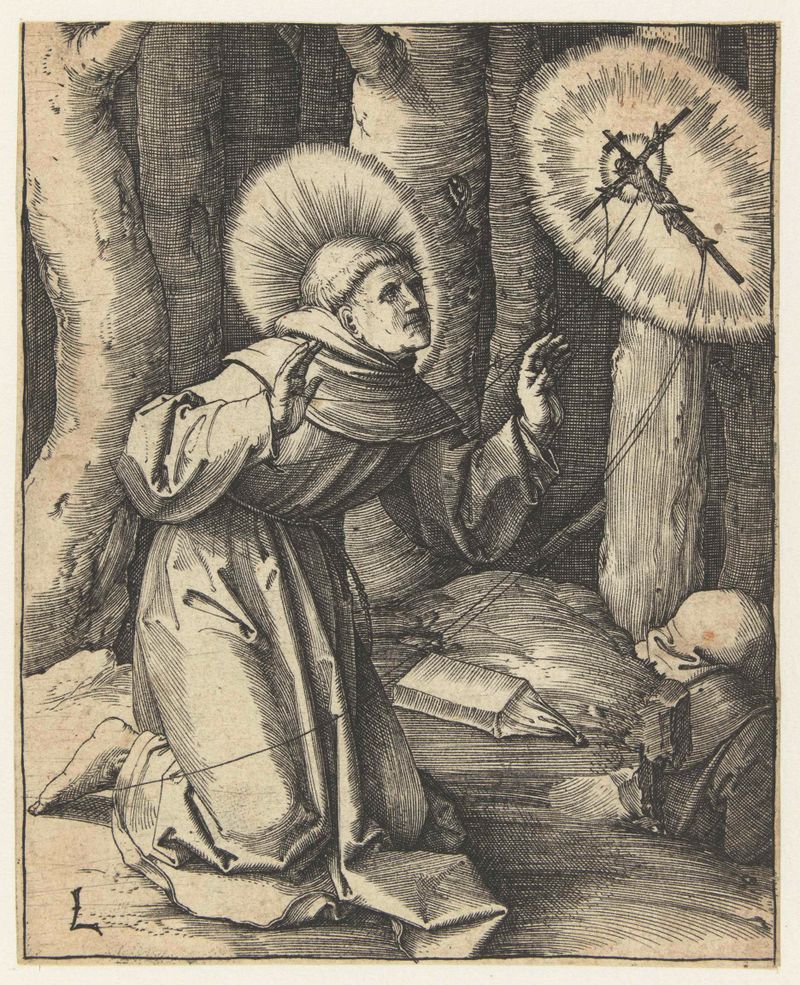
De stigmatisatie van de heilige Franciscus
Lucas van Leyden
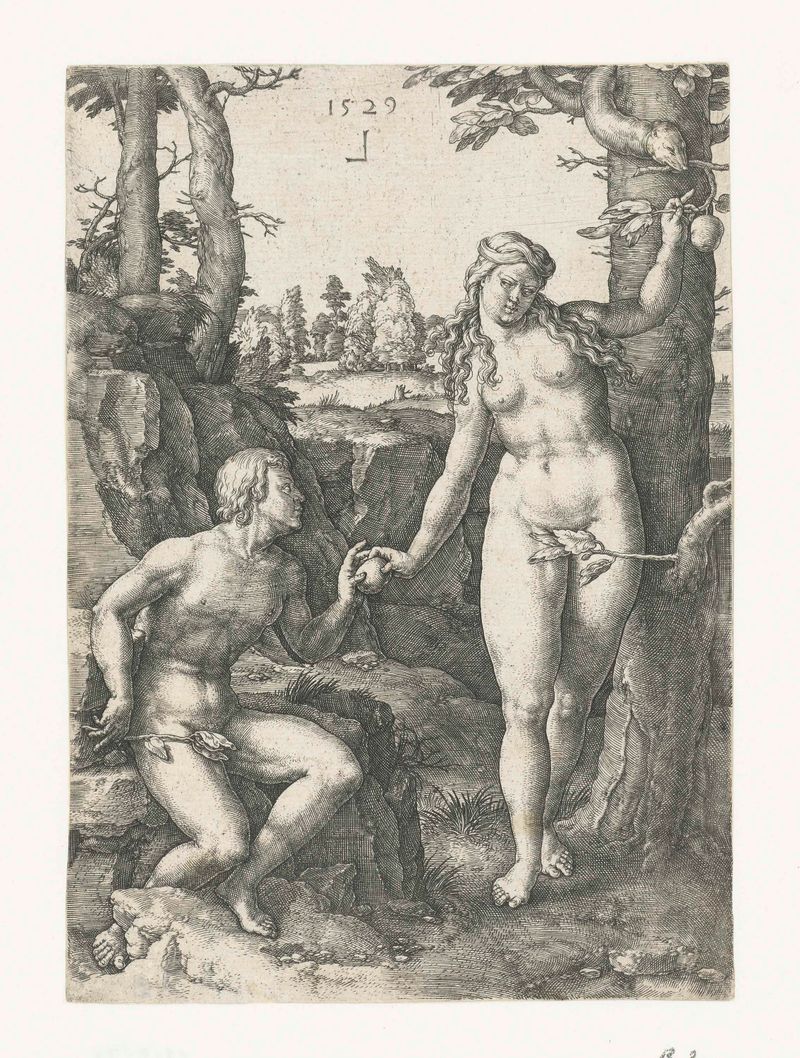
De zondeval
Lucas van Leyden
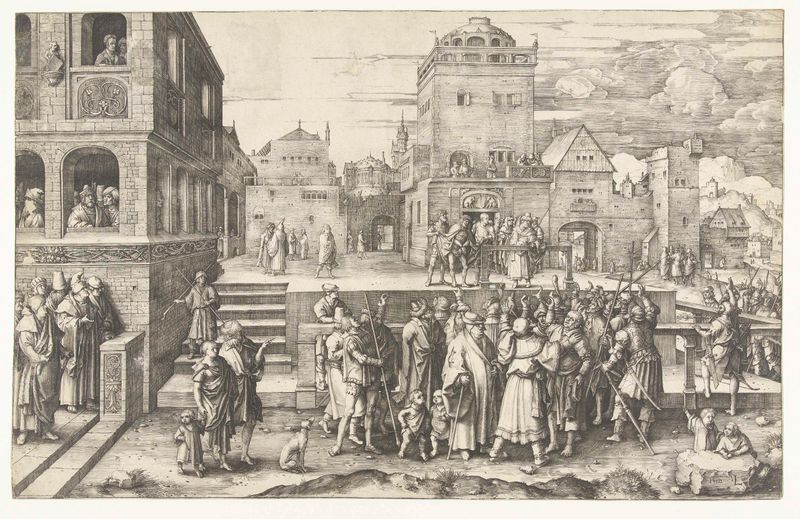
De grote Ecce Homo
Lucas van Leyden
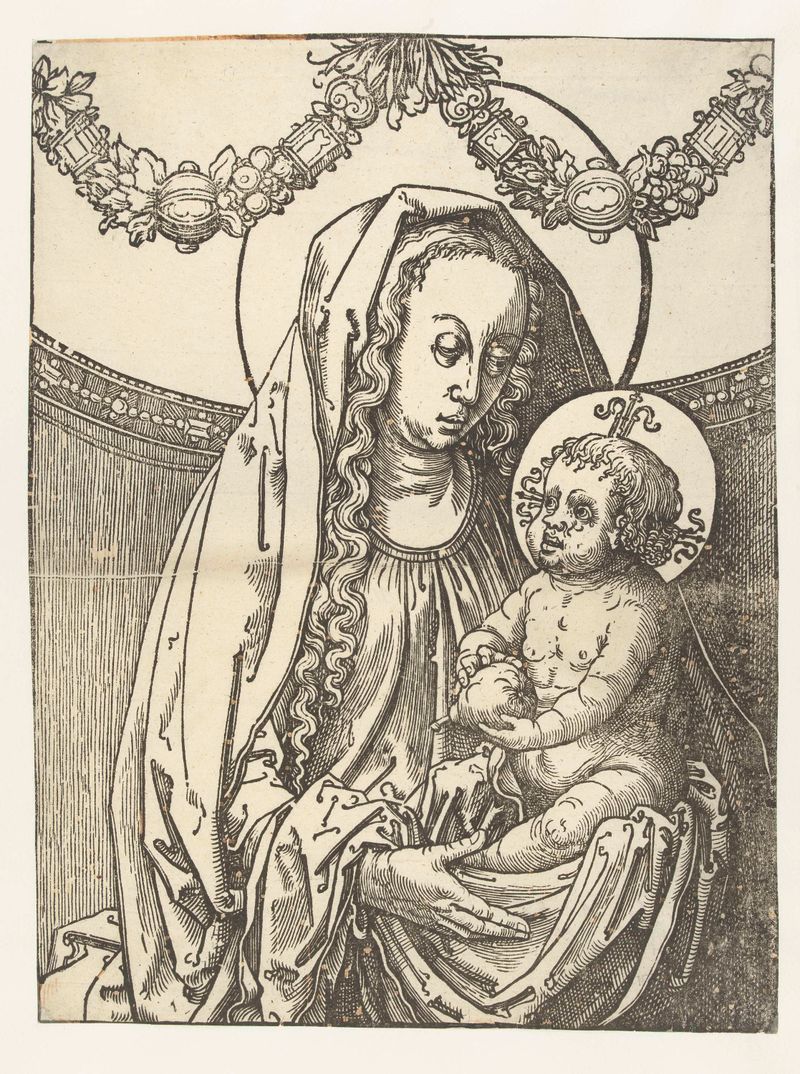
Maria met kind
Lucas van Leyden

Doornenkroning
Lucas van Leyden
More Religious Art
Browse all →
The Return of the Prodigal Son
Rembrandt van Rijn

The Garden of Earthly Delights
El Bosco

Count Orgaz’ funeral
El Greco

The Hundred Guilder Print: the central piece with Christ preaching, the plate arched
Rembrandt van Rijn

The Descent from the Cross
Rogier van der Weyden

The return of the prodigal son
Rembrandt van Rijn