
De heilige Antonius — History & Facts
In an age where decay and renewal intertwine, the canvas reflects the eternal battle between what is sacred and what is perishable. Focus on the figure of Saint Anthony at the center, enveloped in a shroud of muted earth tones and deep shadows. Notice the intricate details of his robes, each fold conveying a sense of weight and history. The subtle glimmers of light on his skin contrast sharply with the darker background, pulling the saint into relief, as if he is emerging from a dream of forgotten grandeur.
The meticulous brushwork invites you to trace the contours of his face, where wisdom and sorrow coexist, revealing layers of narrative within a single glance. As you delve deeper, consider the surrounding elements that echo the theme of decay. The objects at Antony's feet—a broken wheel and a crumbling book—serve as potent symbols, representing not just physical decline but the fragility of faith and the transience of knowledge. The tension in the juxtaposition of the saint's reverence against the encroaching deterioration evokes a sense of urgency and contemplation, prompting questions about the nature of devotion in a world marked by impermanence. During the years 1519 to 1523, the painter created this work in the Netherlands, a time when the Northern Renaissance was flourishing.
Lucas van Leyden was at the forefront of this movement, gaining recognition for his detailed engravings and innovative use of light. This period was marked by a shift towards individualized expression and exploration of human emotion—elements that resonate deeply in De heilige Antonius, reflecting both the artist’s personal journey and the evolving landscape of art during his lifetime.
More Artworks by Lucas van Leyden
Browse all →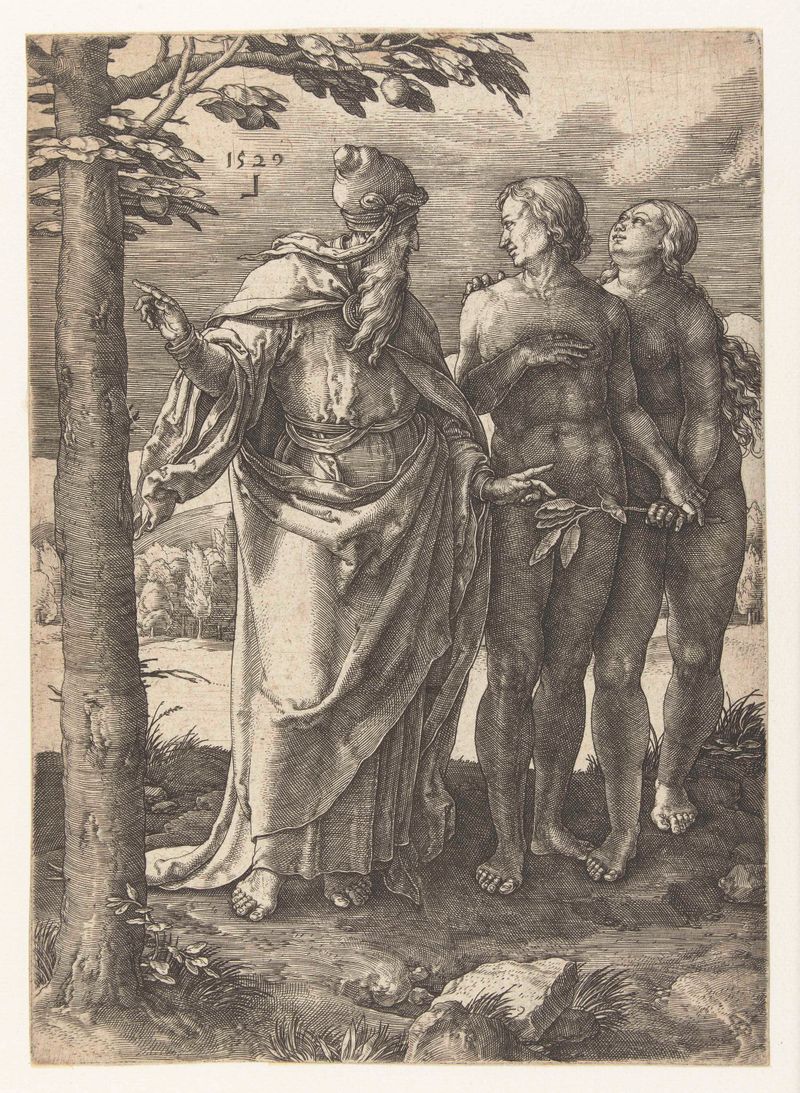
Het eerste verbod
Lucas van Leyden
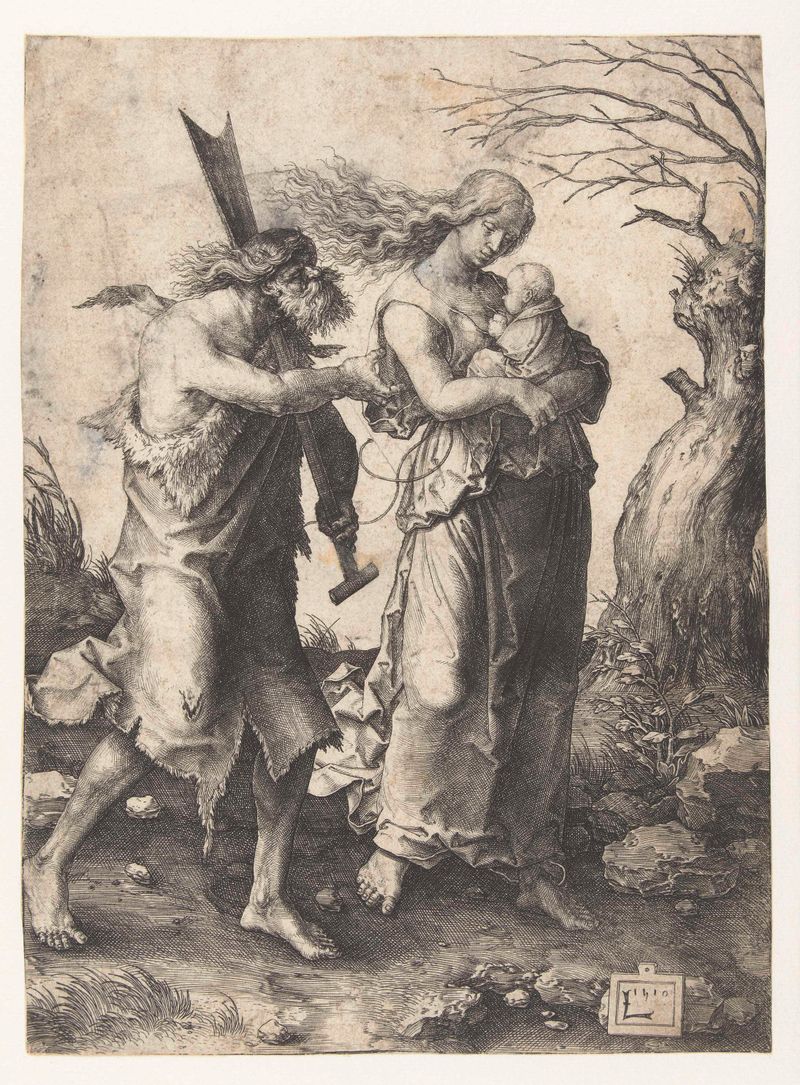
Adam en Eva na de verdrijving uit het paradijs
Lucas van Leyden
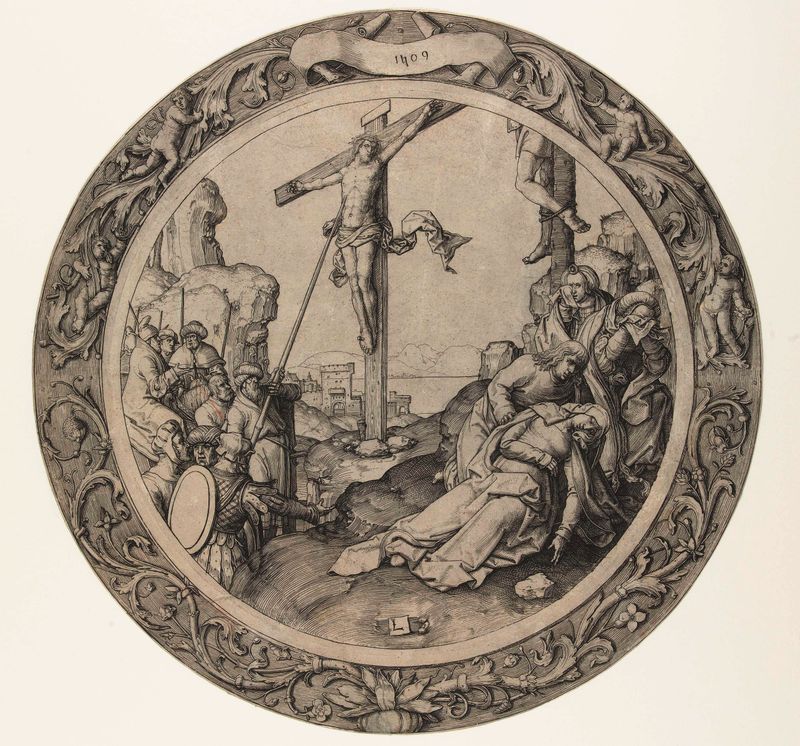
De kruisiging
Lucas van Leyden
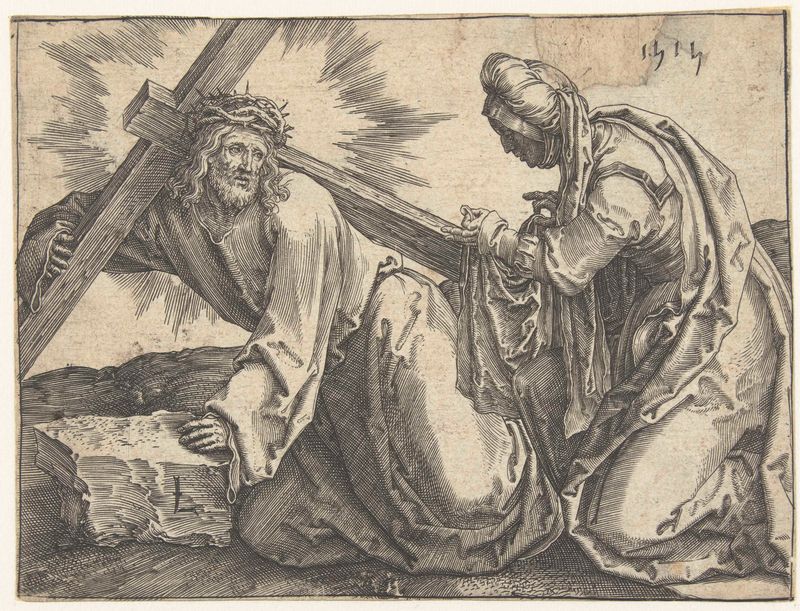
Kruisdraging
Lucas van Leyden
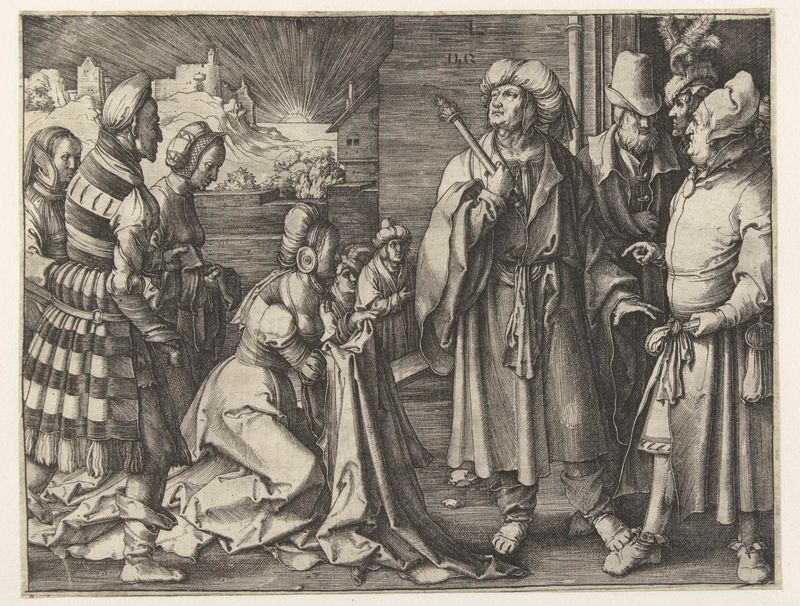
De vrouw van Potifar beschuldigt Jozef
Lucas van Leyden
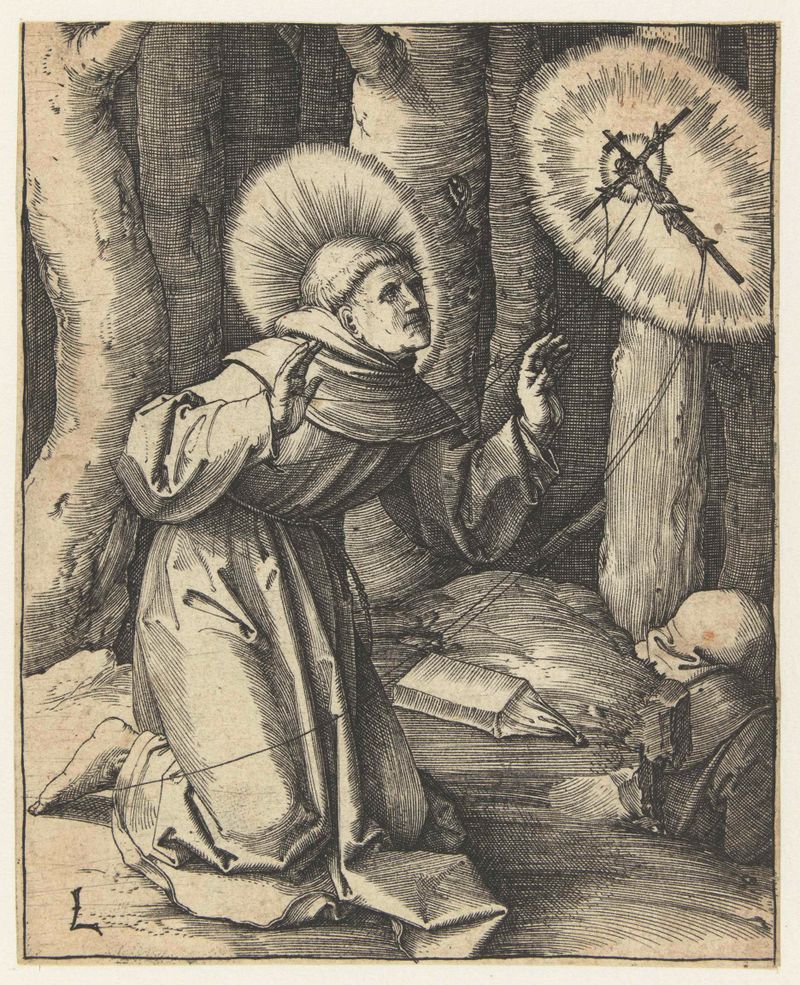
De stigmatisatie van de heilige Franciscus
Lucas van Leyden
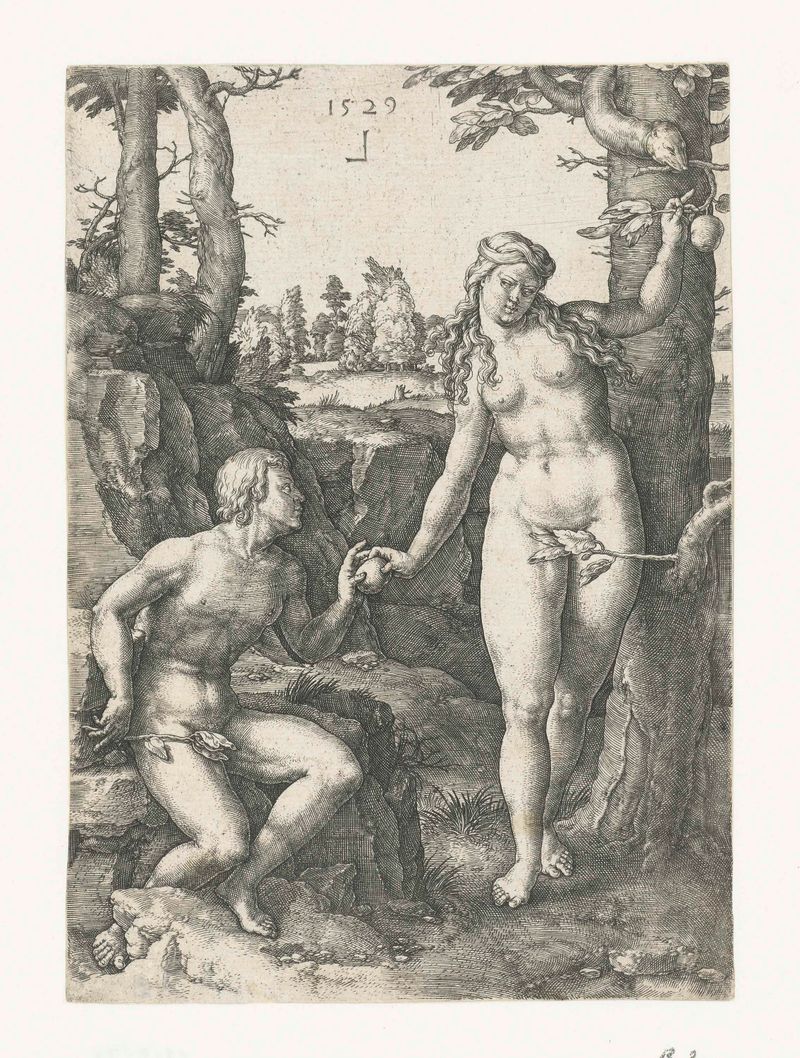
De zondeval
Lucas van Leyden
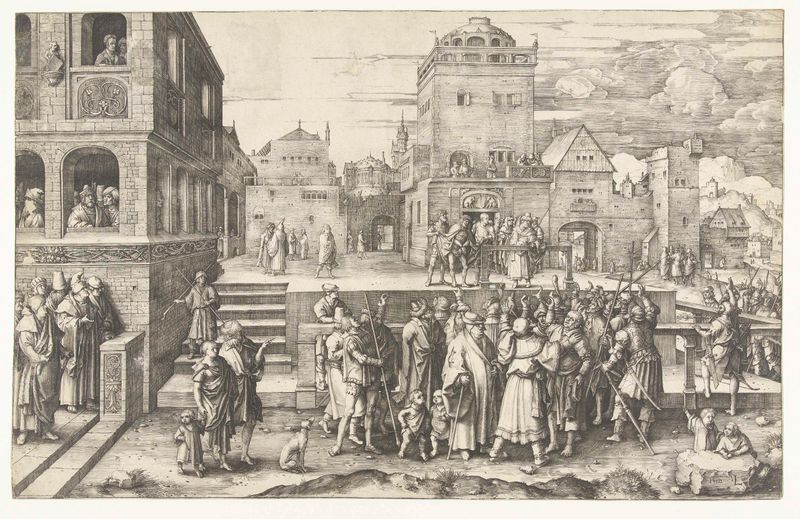
De grote Ecce Homo
Lucas van Leyden
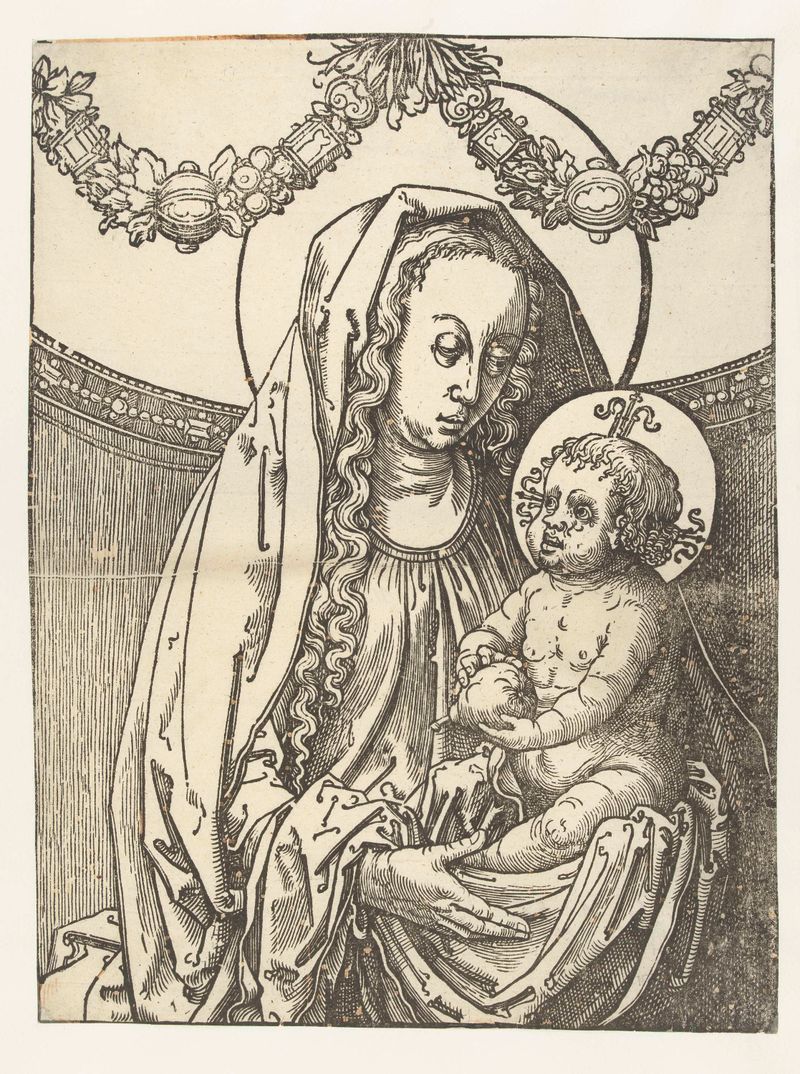
Maria met kind
Lucas van Leyden

Doornenkroning
Lucas van Leyden
More Religious Art
Browse all →
The Return of the Prodigal Son
Rembrandt van Rijn

The Garden of Earthly Delights
El Bosco

Count Orgaz’ funeral
El Greco

The Hundred Guilder Print: the central piece with Christ preaching, the plate arched
Rembrandt van Rijn

The Descent from the Cross
Rogier van der Weyden

The return of the prodigal son
Rembrandt van Rijn