
De heilige Catharina — History & Facts
What secret hides in the quiet of the canvas? Beneath the serene visage of De heilige Catharina, profound truths linger, waiting to be unveiled by the discerning eye. Notice how your gaze is immediately drawn to the saint's commanding presence at the center. The rich, warm tones of her robe contrast with the delicate coolness of the background, creating an air of reverence. Look closely at her hands, poised with grace, as they cradle a martyr’s palm and a book, symbols of her wisdom and faith.
The intricate detailing in her attire suggests not just artistry but also the deep respect for her sanctity in this sublime portrayal. While her expression is one of quiet strength, the tension of her narrative lies in the subtle interplay between light and shadow. The soft highlights on her cheekbones evoke a sense of ethereal beauty, yet the faint shadows hint at the struggles she faced in her devotion. The juxtaposition of the delicate flower beside her—representing purity—alongside the formidable tools of her martyrdom creates a striking contrast between innocence and sacrifice. Created in 1520 during the Northern Renaissance, the artist was at the pinnacle of his skill, drawing inspiration from both religious fervor and the emerging humanist ideals of his time.
As a young master in Leiden, he navigated a world eager for detailed representation and spiritual introspection, both of which are palpable in this artwork. In a period marked by reformation and artistic awakening, his work reflects a profound connection between faith and the evolving human experience.
More Artworks by Lucas van Leyden
Browse all →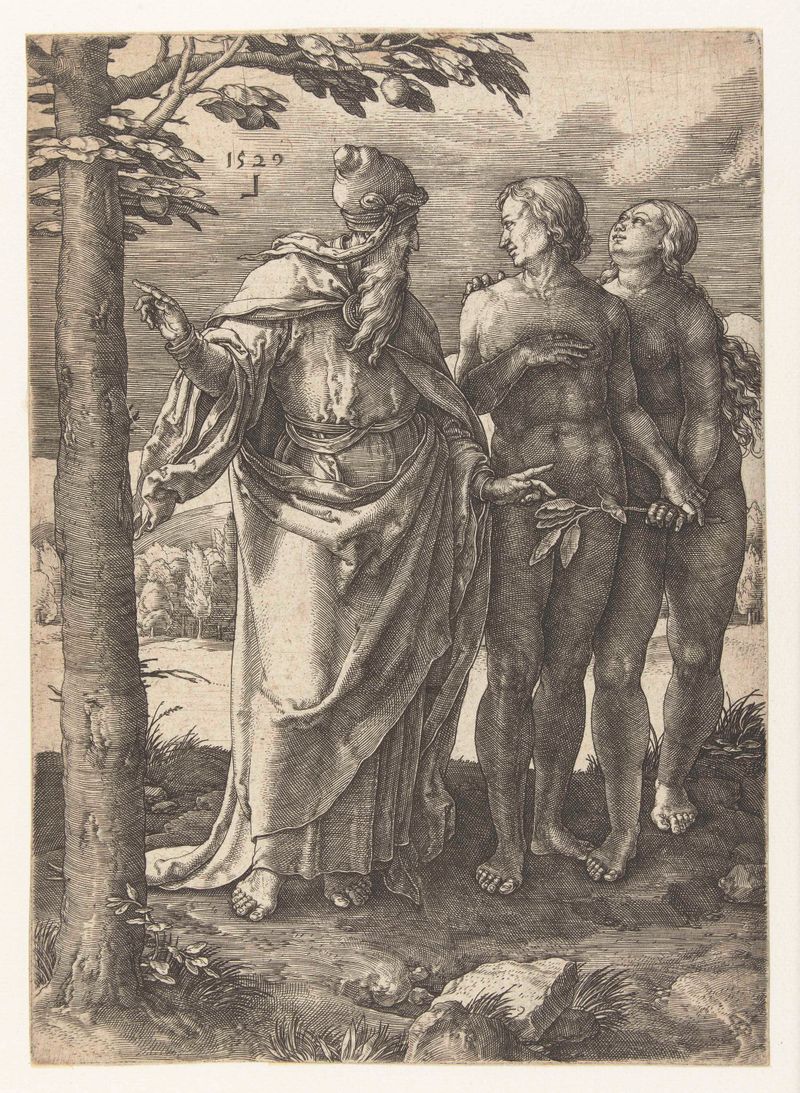
Het eerste verbod
Lucas van Leyden
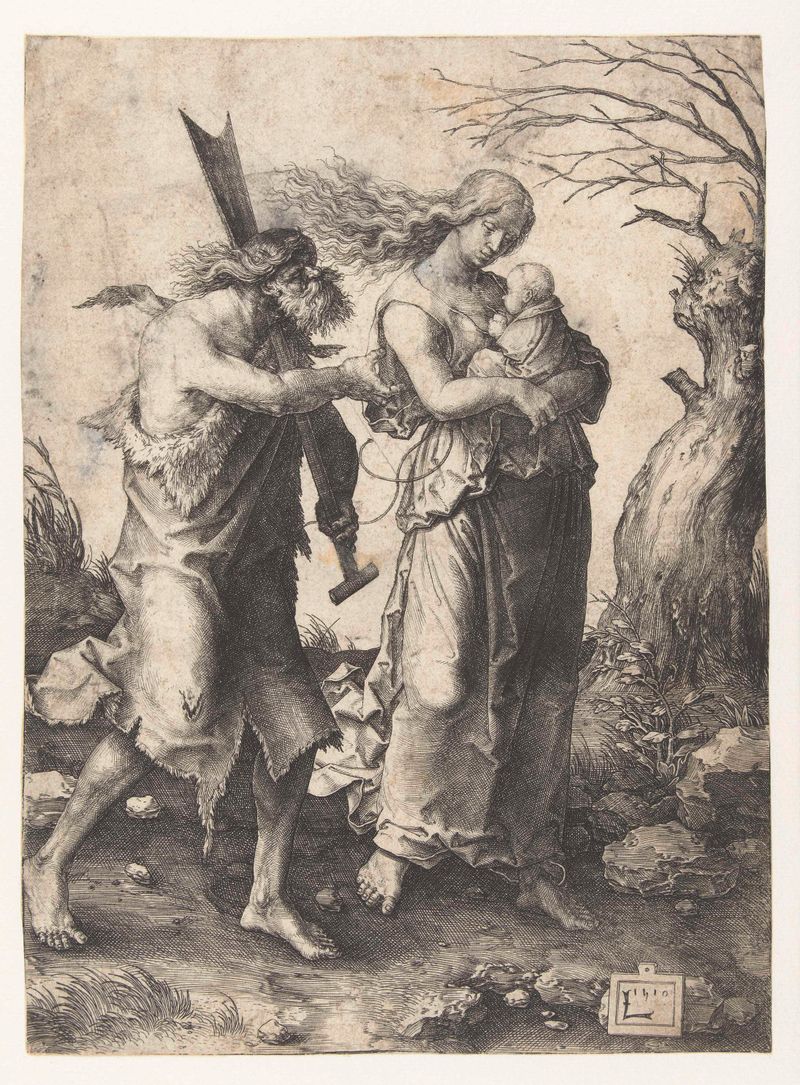
Adam en Eva na de verdrijving uit het paradijs
Lucas van Leyden
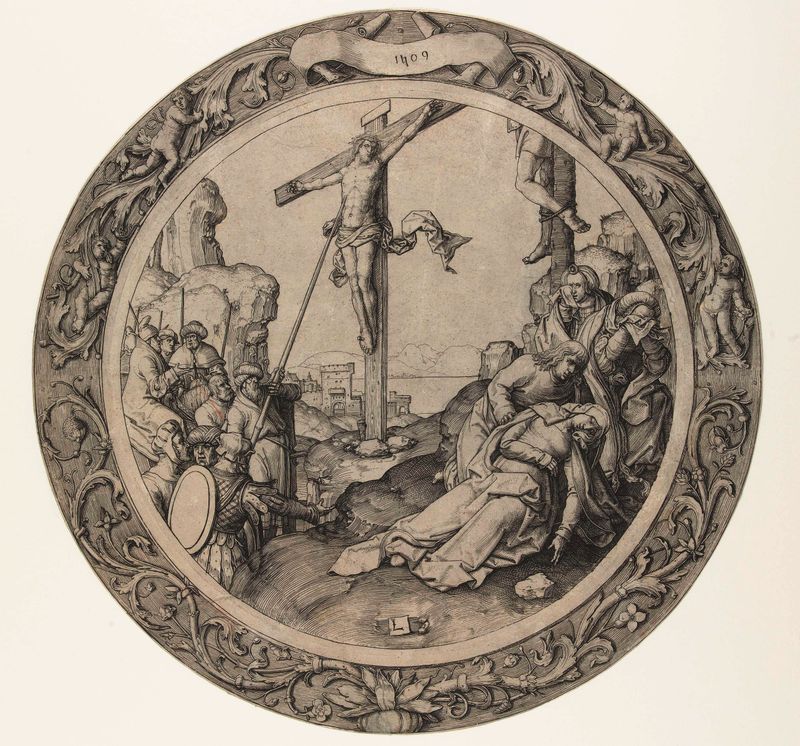
De kruisiging
Lucas van Leyden
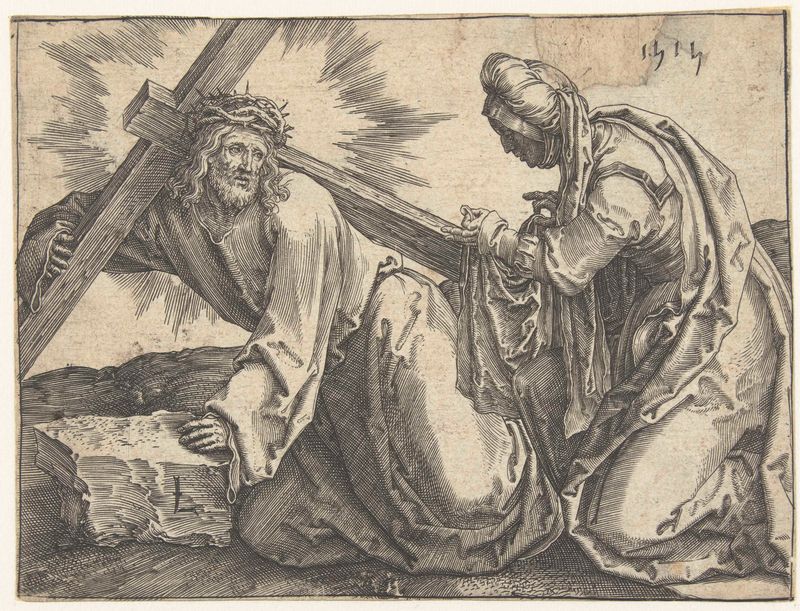
Kruisdraging
Lucas van Leyden
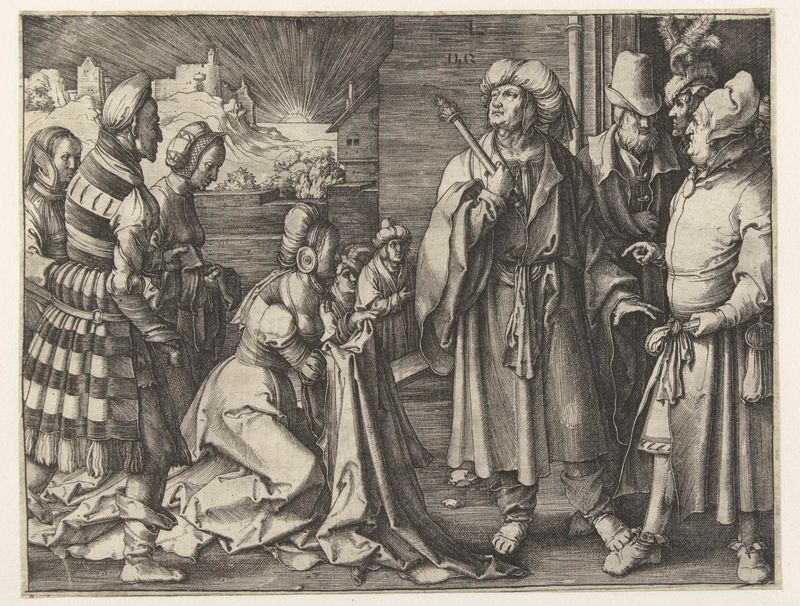
De vrouw van Potifar beschuldigt Jozef
Lucas van Leyden
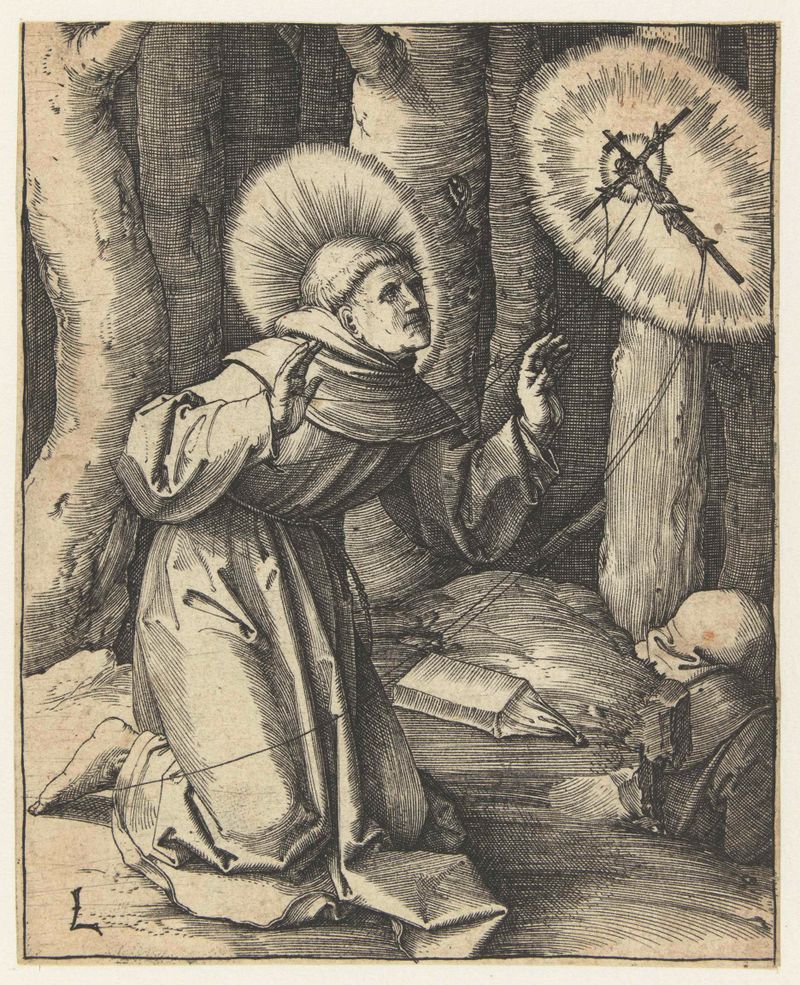
De stigmatisatie van de heilige Franciscus
Lucas van Leyden
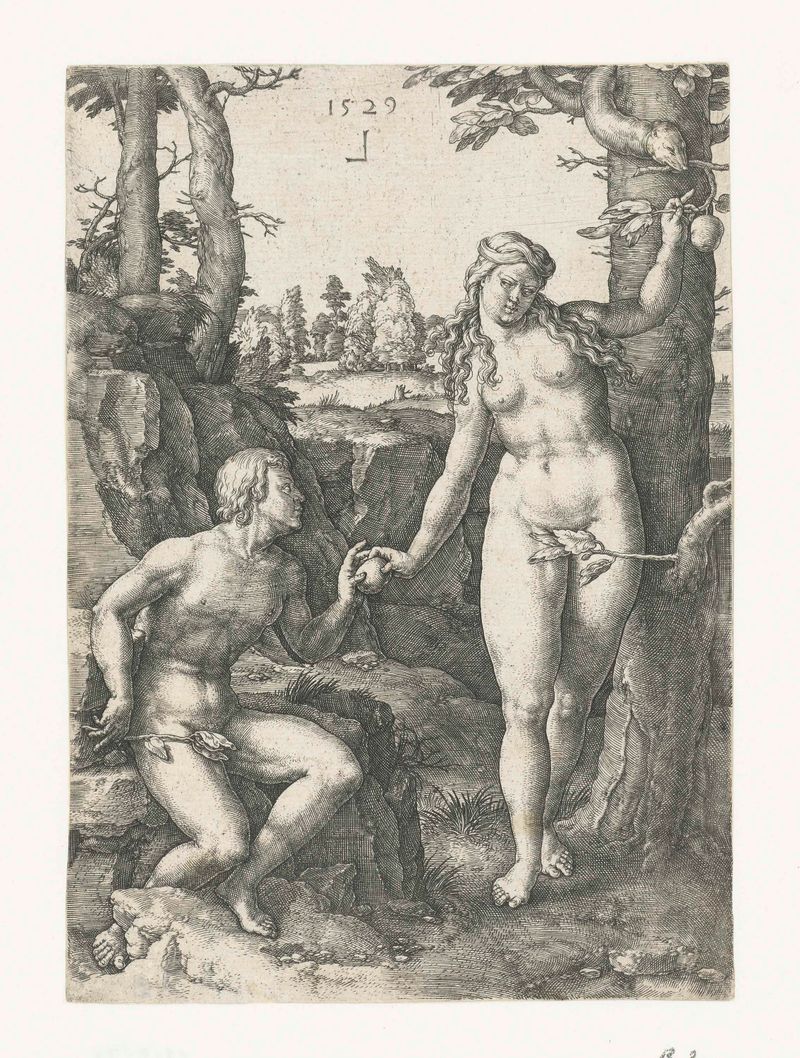
De zondeval
Lucas van Leyden
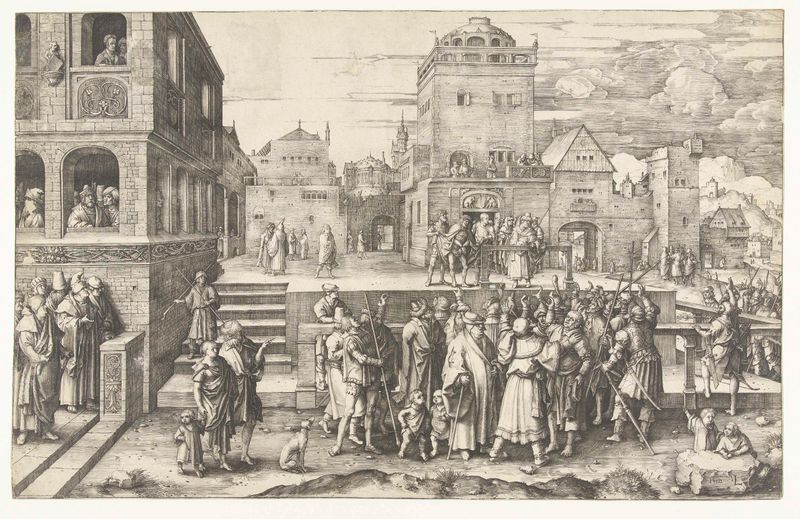
De grote Ecce Homo
Lucas van Leyden
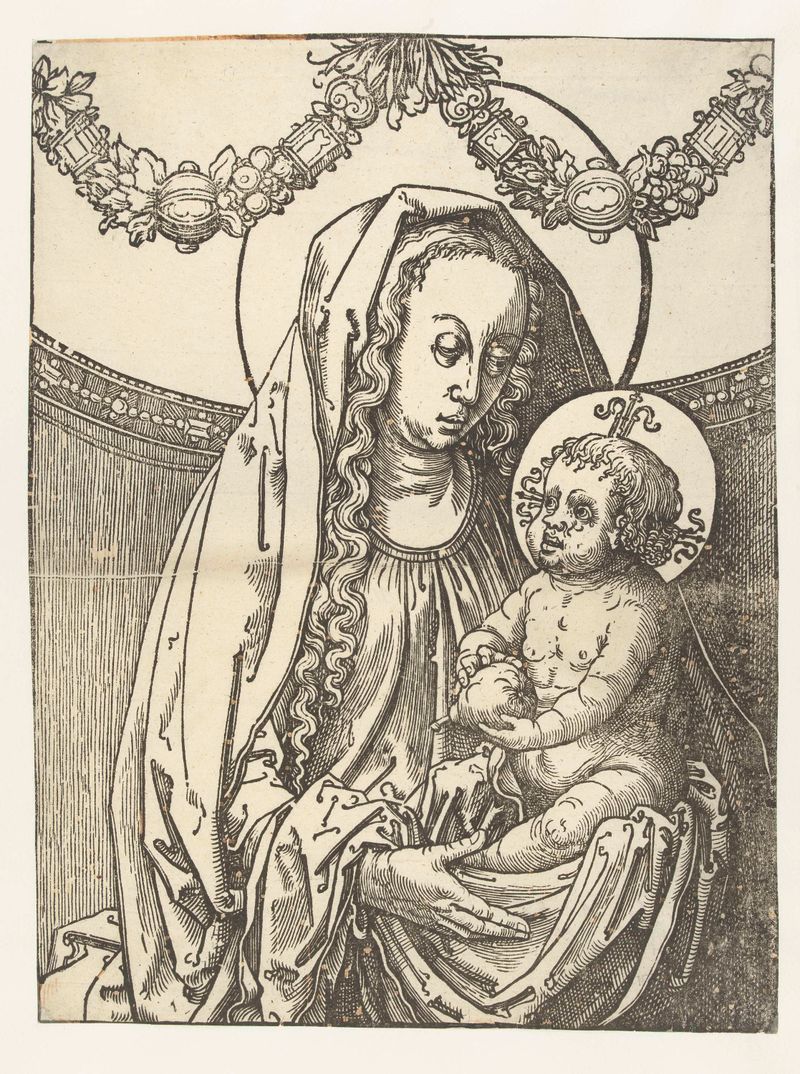
Maria met kind
Lucas van Leyden

Doornenkroning
Lucas van Leyden
More Religious Art
Browse all →
The Return of the Prodigal Son
Rembrandt van Rijn

The Garden of Earthly Delights
El Bosco

Count Orgaz’ funeral
El Greco

The Hundred Guilder Print: the central piece with Christ preaching, the plate arched
Rembrandt van Rijn

The Descent from the Cross
Rogier van der Weyden

The return of the prodigal son
Rembrandt van Rijn