
De heilige Christoffel — History & Facts
What if silence could speak through light? In De heilige Christoffel, a delicate balance is struck between the sacred and the mundane, inviting viewers into a contemplative realm. Look to the center where Christoffel stands, his figure resplendent against a backdrop of muted hues. The careful layering of colors creates a soft luminosity that highlights his serene expression and the gentle folds of his robes. The light, diffused yet intentional, draws the eye to the intricate details of his hands, poised as if to embrace both the divine and the earthly.
The composition harmonizes space, utilizing the empty areas around him to accentuate his solitude, amplifying the sense of quiet reverence. In this painting, contrasts abound—between the vibrant colors of Christoffel’s garb and the earthy tones of the landscape, between his stillness and the subtle movement suggested in the background figures. These elements evoke a sense of spiritual tension, reminding us that even within tranquility, a world of complexity lies just beyond the frame. The artist invites us to ponder the weight of faith and the burdens it may carry, encapsulated in the saint's calm demeanor yet hinting at the trials faced by those who walk a sacred path. Created in the early 16th century, De heilige Christoffel emerged during a period of significant artistic evolution in Northern Europe.
Lucas van Leyden, working in the context of both Renaissance humanism and an increasingly complex religious atmosphere, sought to merge meticulous craftsmanship with profound themes of spirituality. This piece reflects not only his artistic maturity but also the broader cultural shifts of a time grappling with faith, identity, and the human experience.
More Artworks by Lucas van Leyden
Browse all →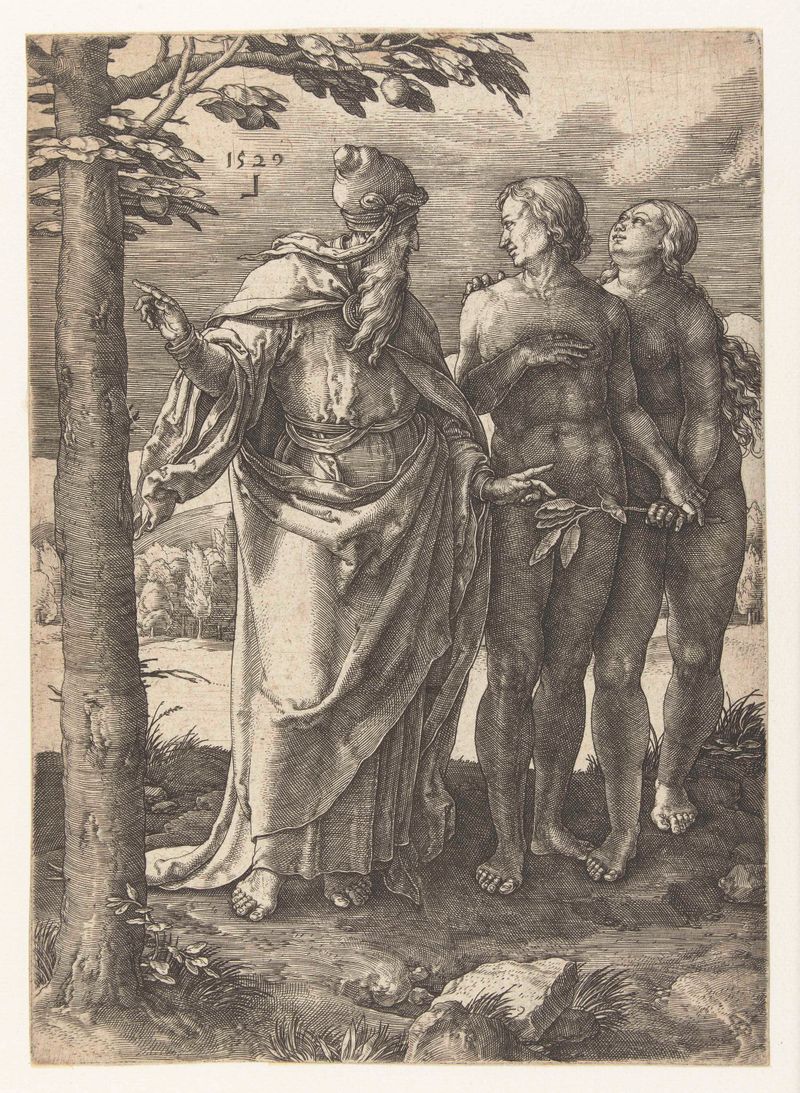
Het eerste verbod
Lucas van Leyden
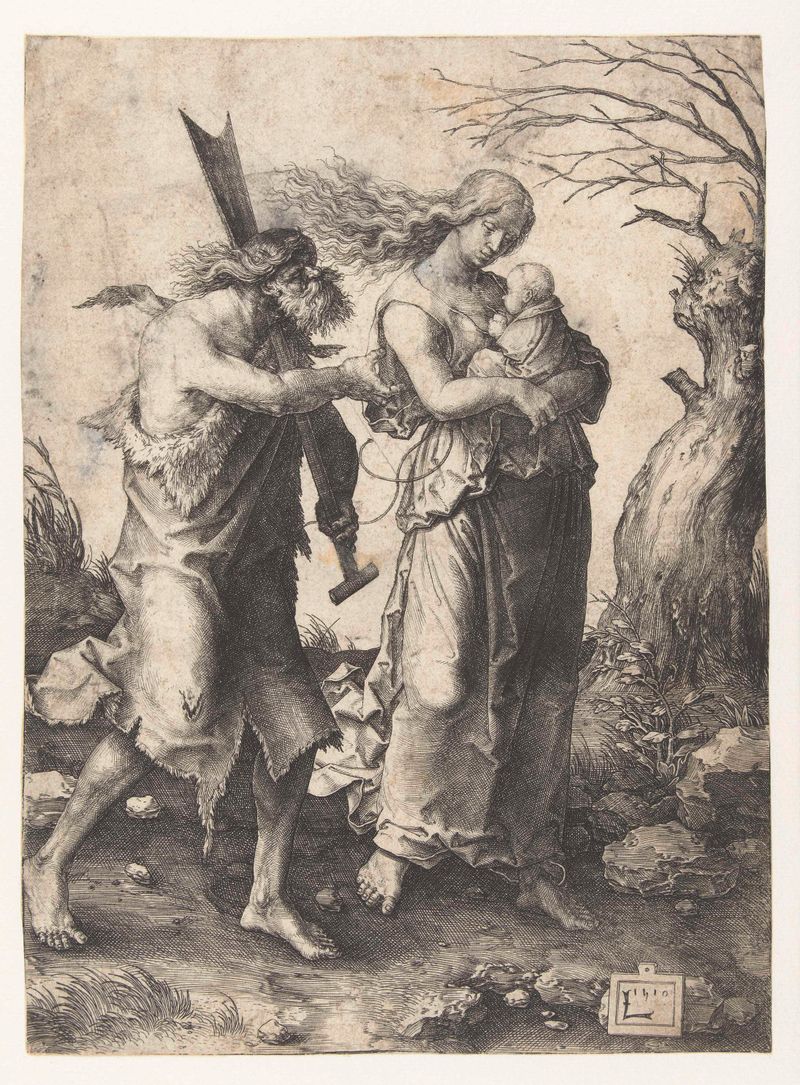
Adam en Eva na de verdrijving uit het paradijs
Lucas van Leyden
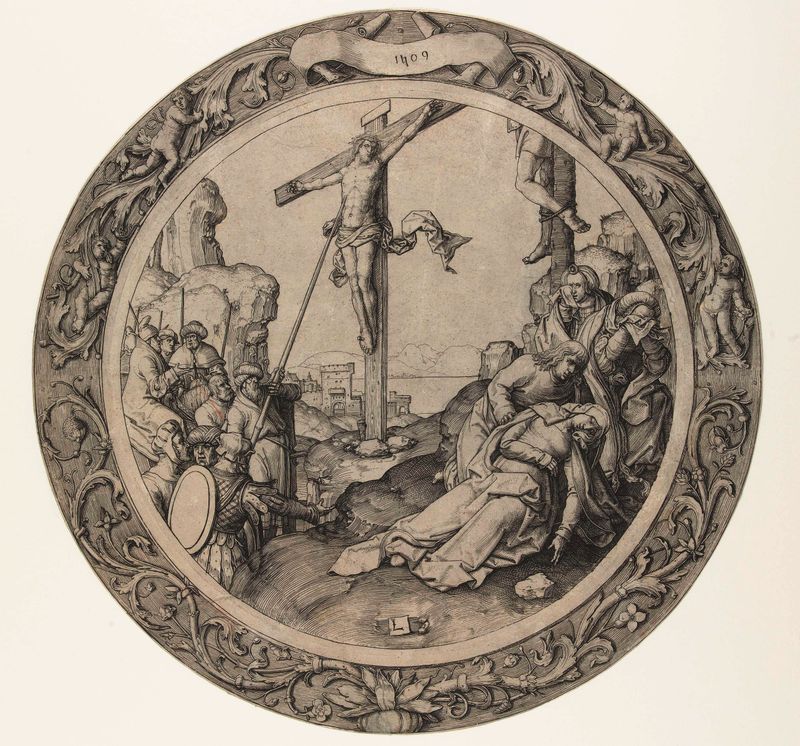
De kruisiging
Lucas van Leyden
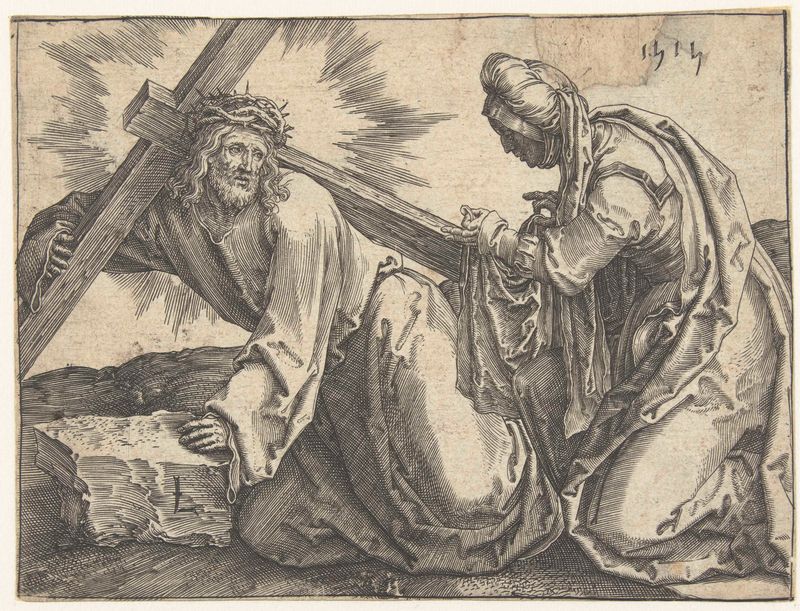
Kruisdraging
Lucas van Leyden
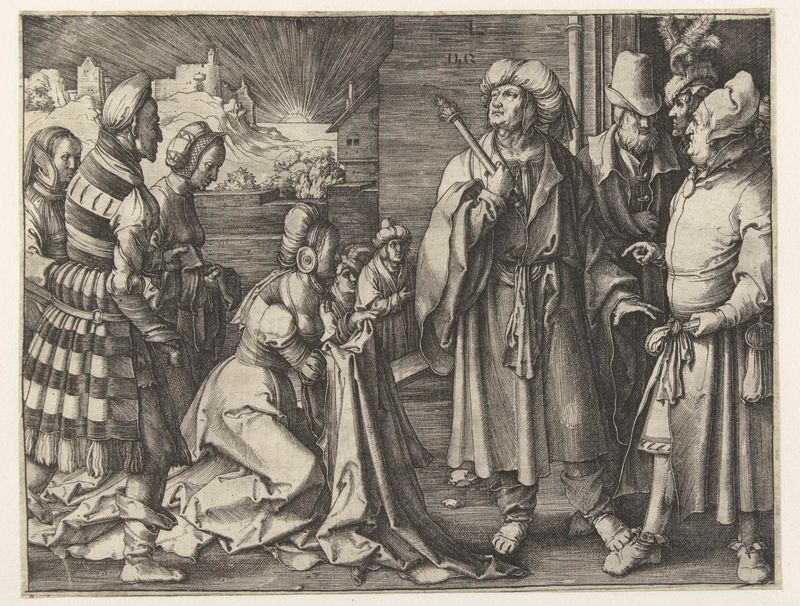
De vrouw van Potifar beschuldigt Jozef
Lucas van Leyden
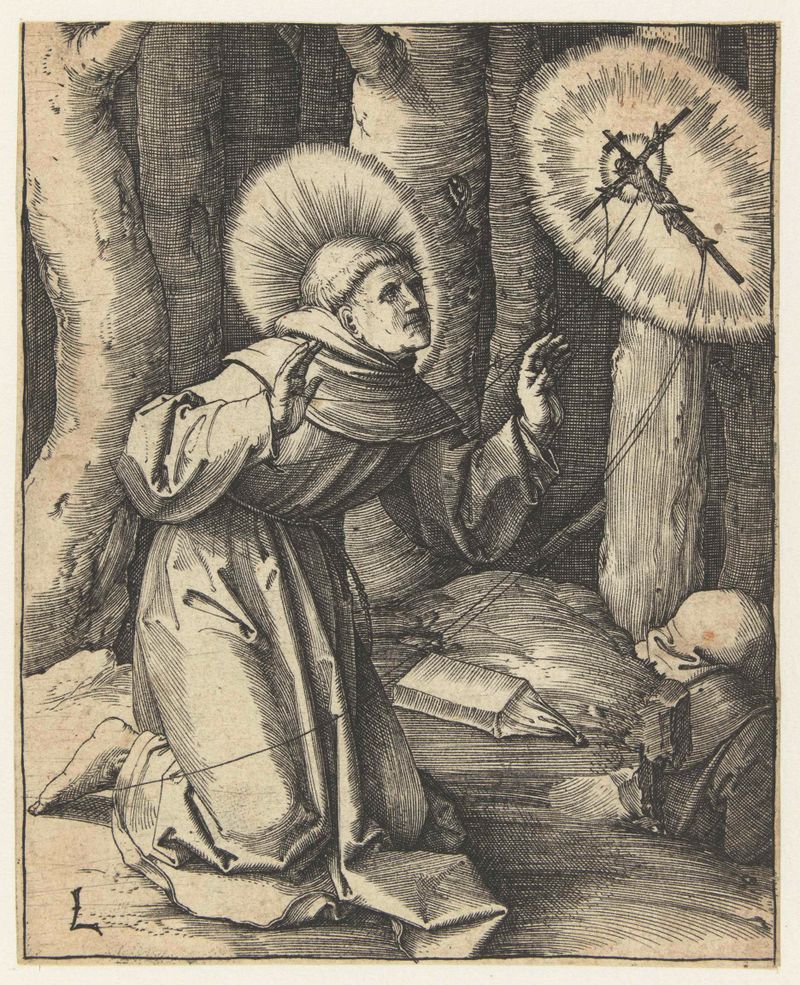
De stigmatisatie van de heilige Franciscus
Lucas van Leyden
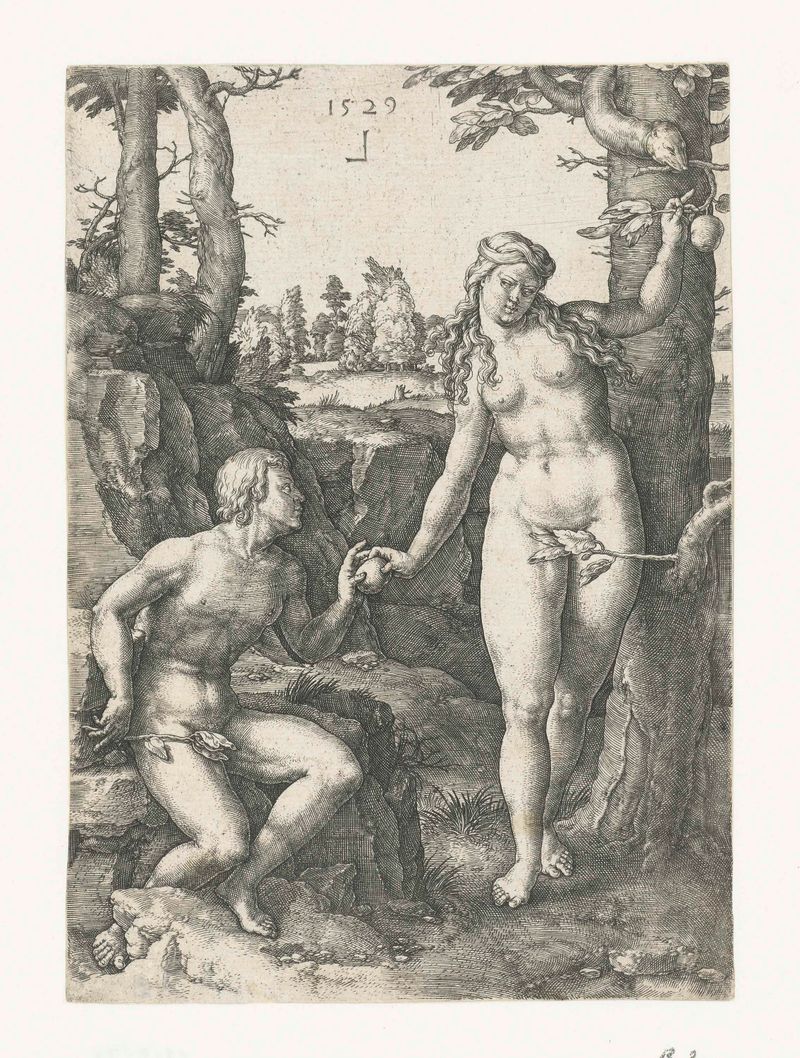
De zondeval
Lucas van Leyden
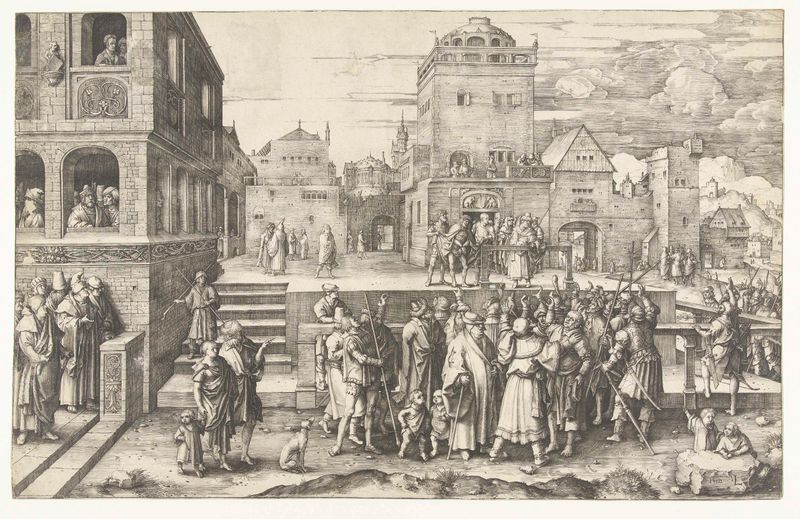
De grote Ecce Homo
Lucas van Leyden
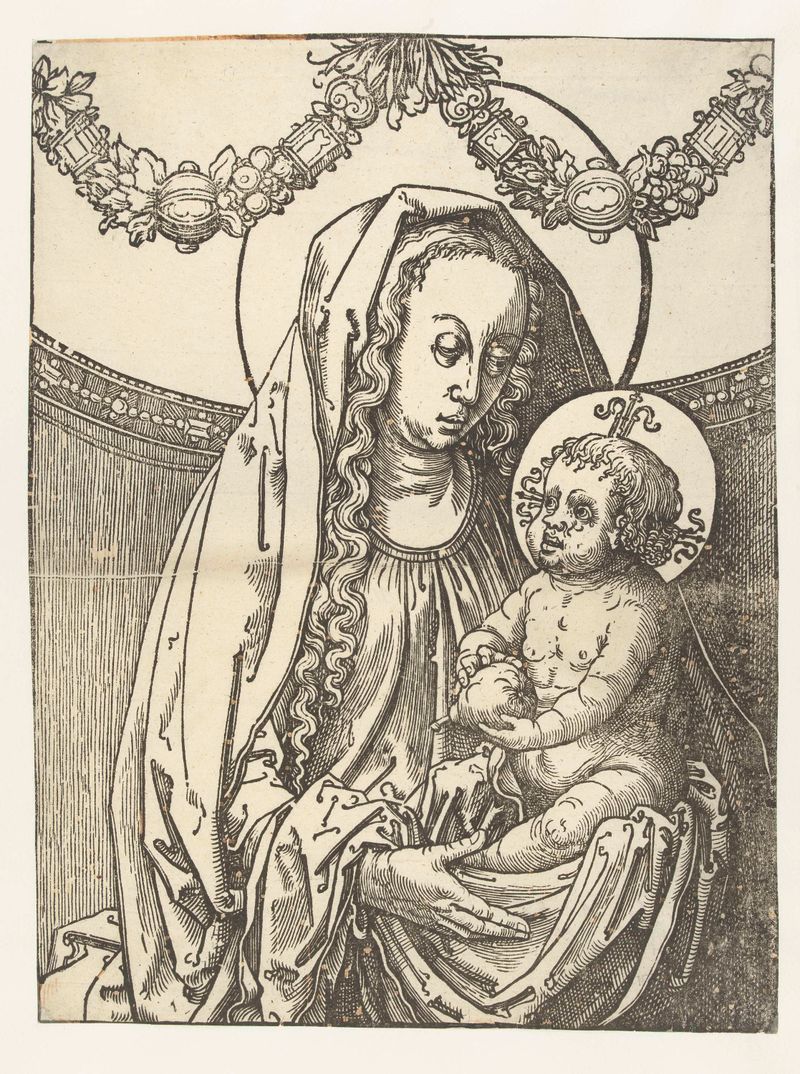
Maria met kind
Lucas van Leyden

Doornenkroning
Lucas van Leyden
More Religious Art
Browse all →
The Return of the Prodigal Son
Rembrandt van Rijn

The Garden of Earthly Delights
El Bosco

Count Orgaz’ funeral
El Greco

The Hundred Guilder Print: the central piece with Christ preaching, the plate arched
Rembrandt van Rijn

The Descent from the Cross
Rogier van der Weyden

The return of the prodigal son
Rembrandt van Rijn