
De heilige Dominicus — History & Facts
In that stillness, the weight of innocence hangs heavy, inviting contemplation and reflection. Look closely at the serene figure of Saint Dominic, his expression a blend of compassion and resolve, framed by a rich tapestry of muted colors. Notice how the light gently caresses his face, illuminating the folds of his robes and casting soft shadows that evoke a sense of depth and humanity. The careful attention to detail in the textures of the fabric and the delicate brushwork breathe life into his surroundings. As you explore further, subtle contrasts emerge.
The dominance of the saint's tranquil visage against the backdrop of darker tones speaks to the struggle between virtue and temptation. The saints' hands clasped in prayer suggest a fervent connection to the divine, while the alluring hints of gold in the decorative elements imply the dual nature of spirituality—both ascetic and material. This tension reflects the broader narrative of faith during the Renaissance, where innocence is both a shield and a challenge. Between 1512 and 1516, the artist, then a young master in the Netherlands, delved into themes of religious significance amidst the evolving dynamics of the art world.
During this period, Lucas van Leyden faced the burgeoning influence of Northern Renaissance ideals, merging intricate detail with profound symbolism, defining his unique voice in a time ripe with innovation. The creation of this work marked a significant moment in his exploration of human experience through the lens of faith.
More Artworks by Lucas van Leyden
Browse all →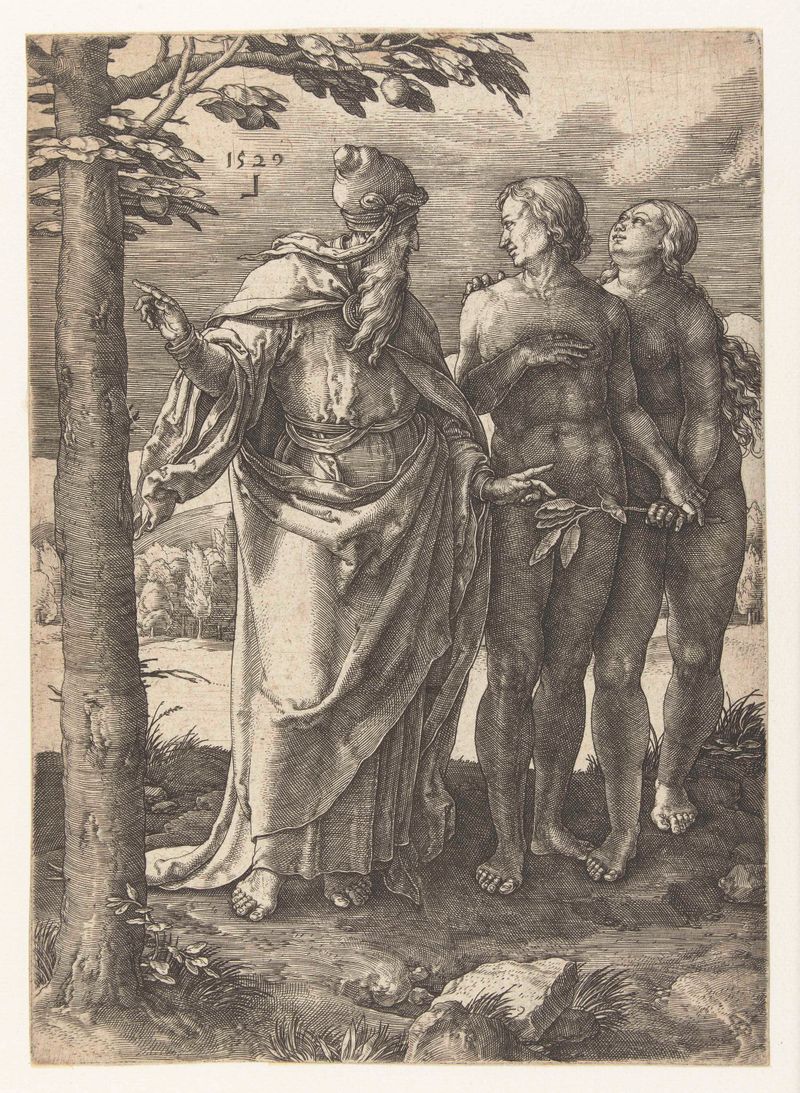
Het eerste verbod
Lucas van Leyden
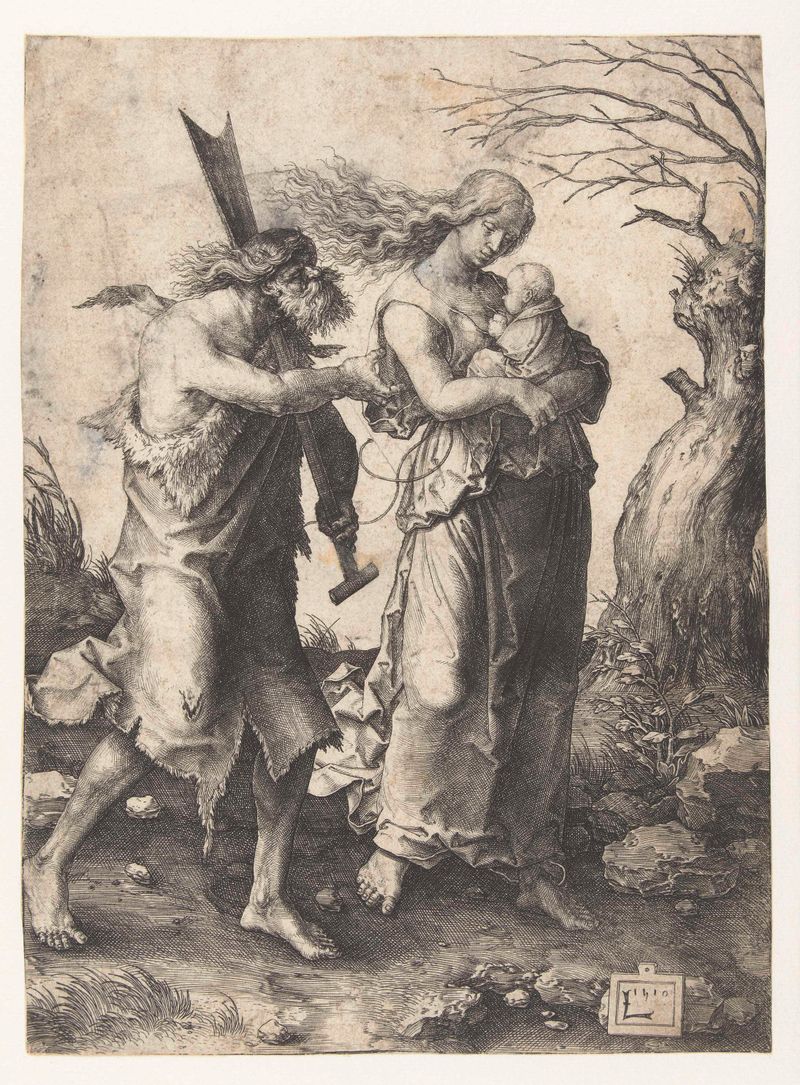
Adam en Eva na de verdrijving uit het paradijs
Lucas van Leyden
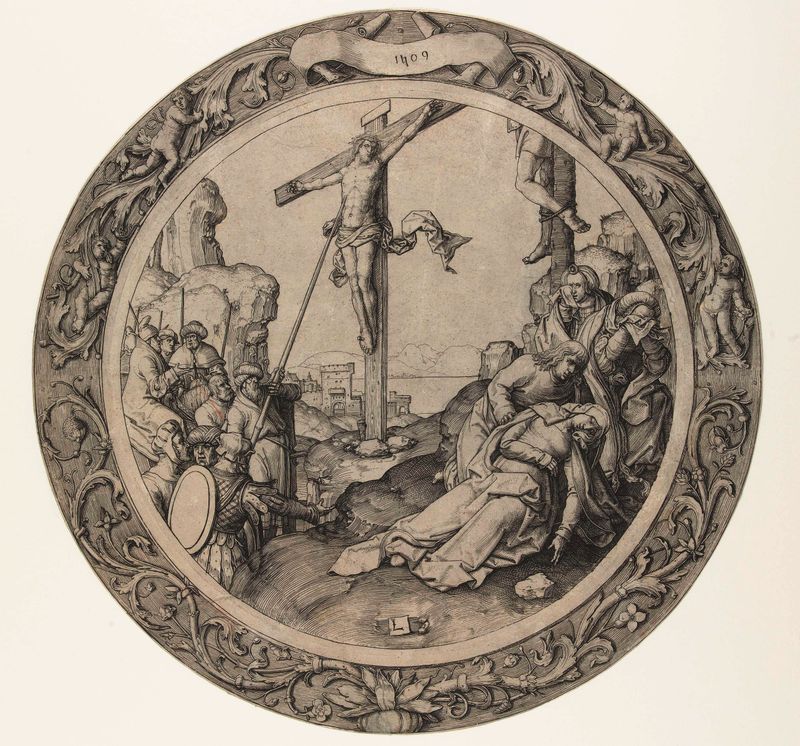
De kruisiging
Lucas van Leyden
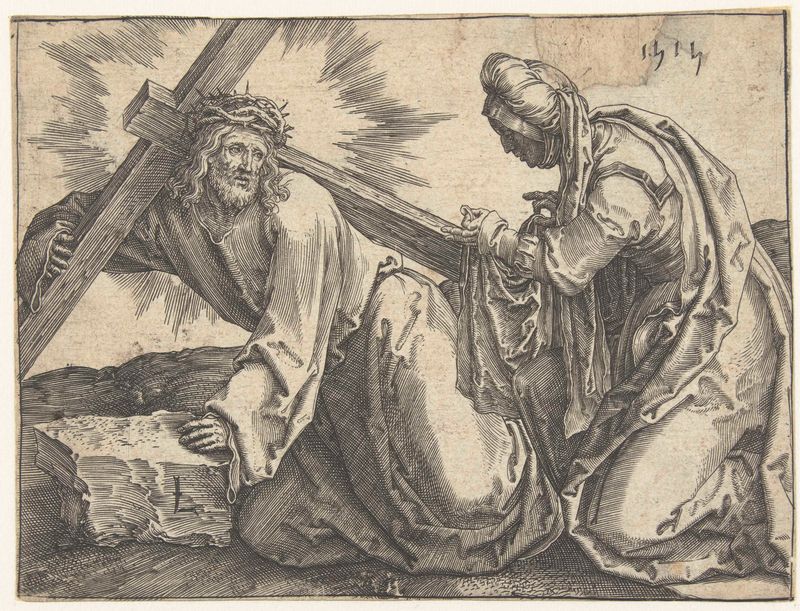
Kruisdraging
Lucas van Leyden
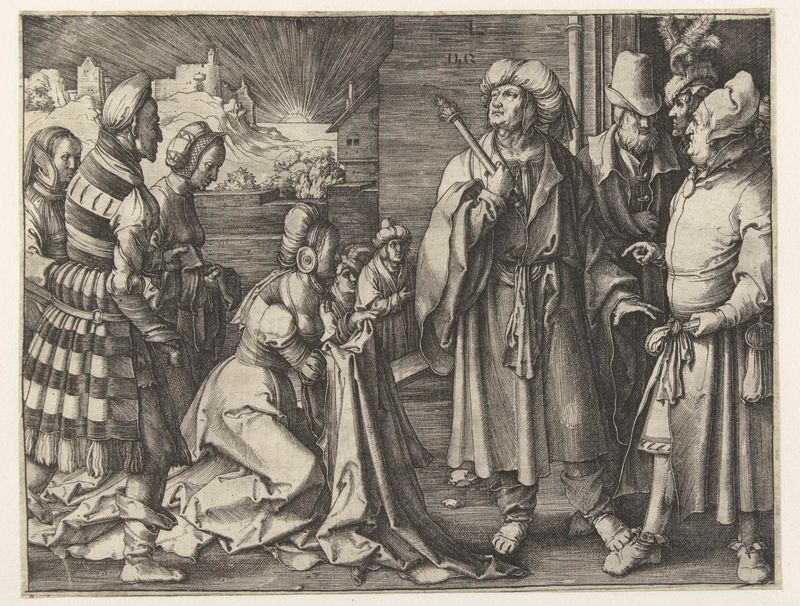
De vrouw van Potifar beschuldigt Jozef
Lucas van Leyden
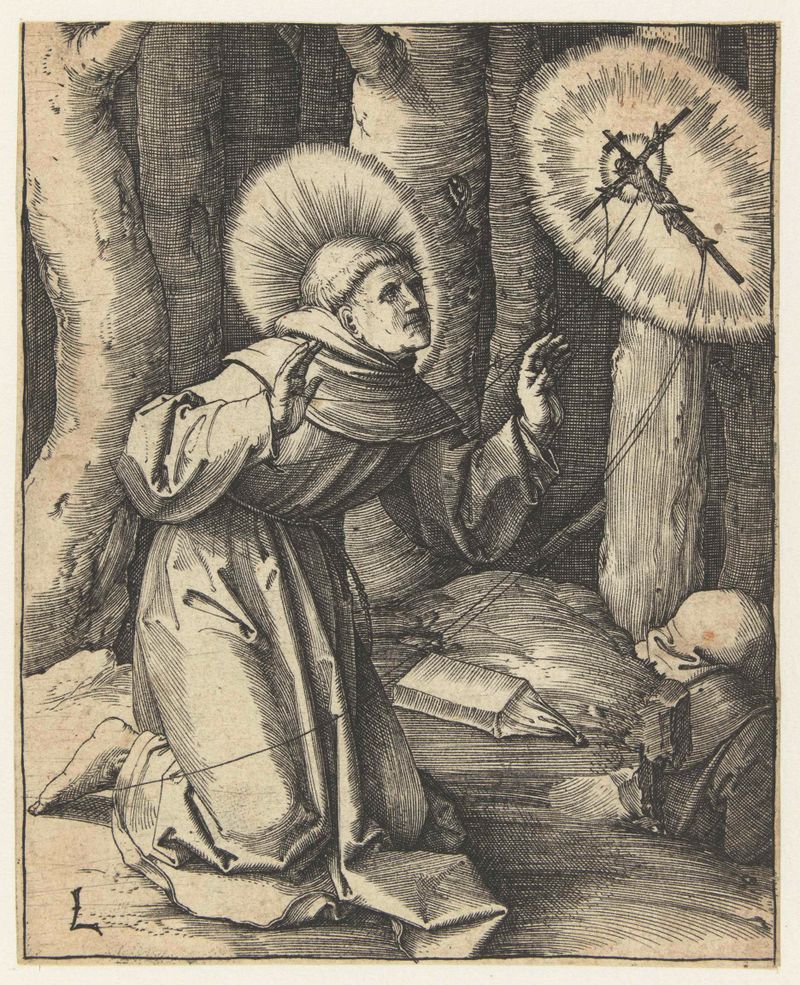
De stigmatisatie van de heilige Franciscus
Lucas van Leyden
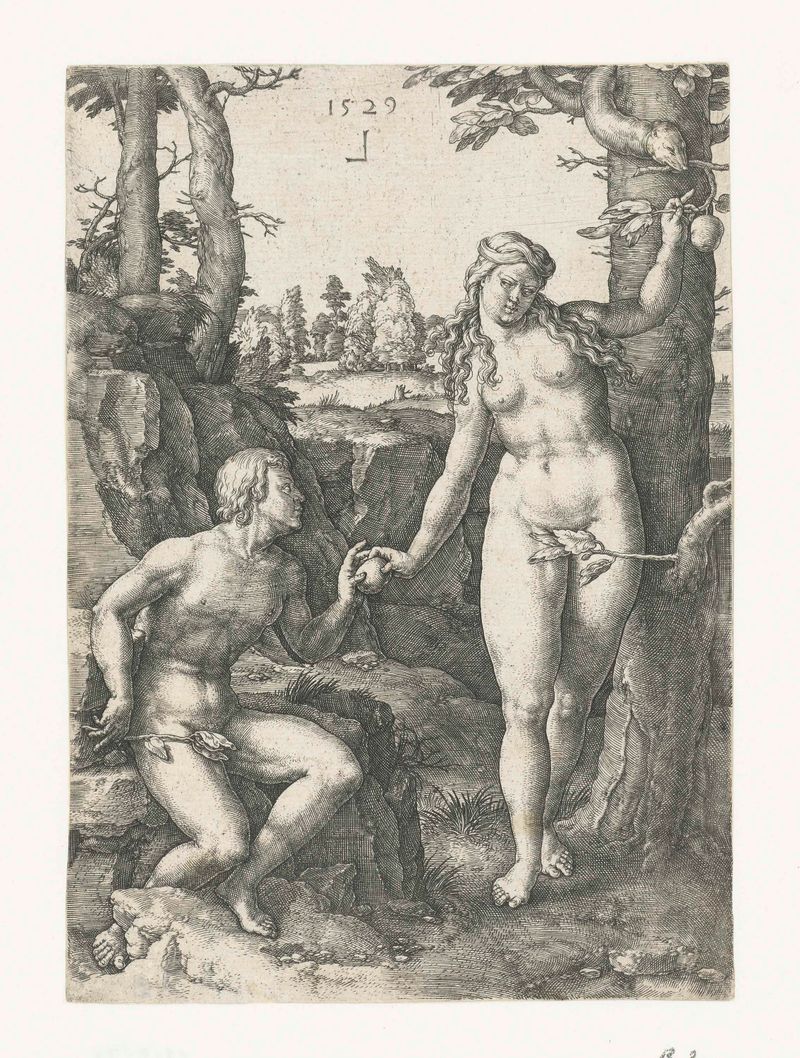
De zondeval
Lucas van Leyden
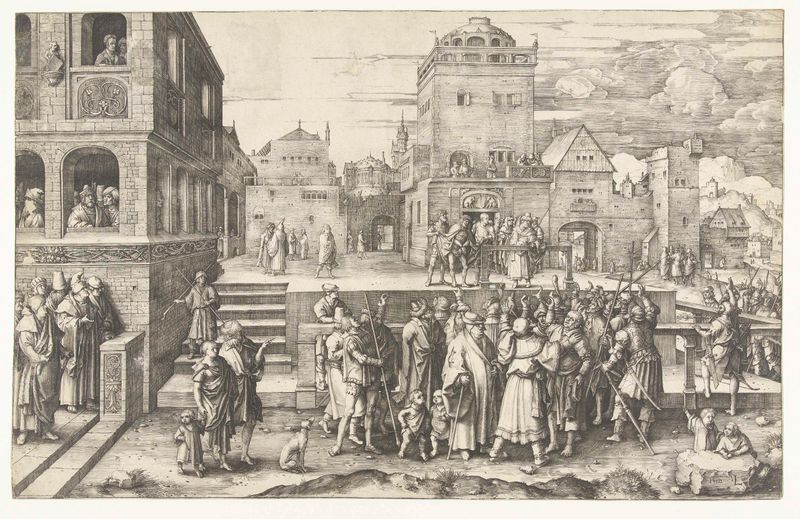
De grote Ecce Homo
Lucas van Leyden
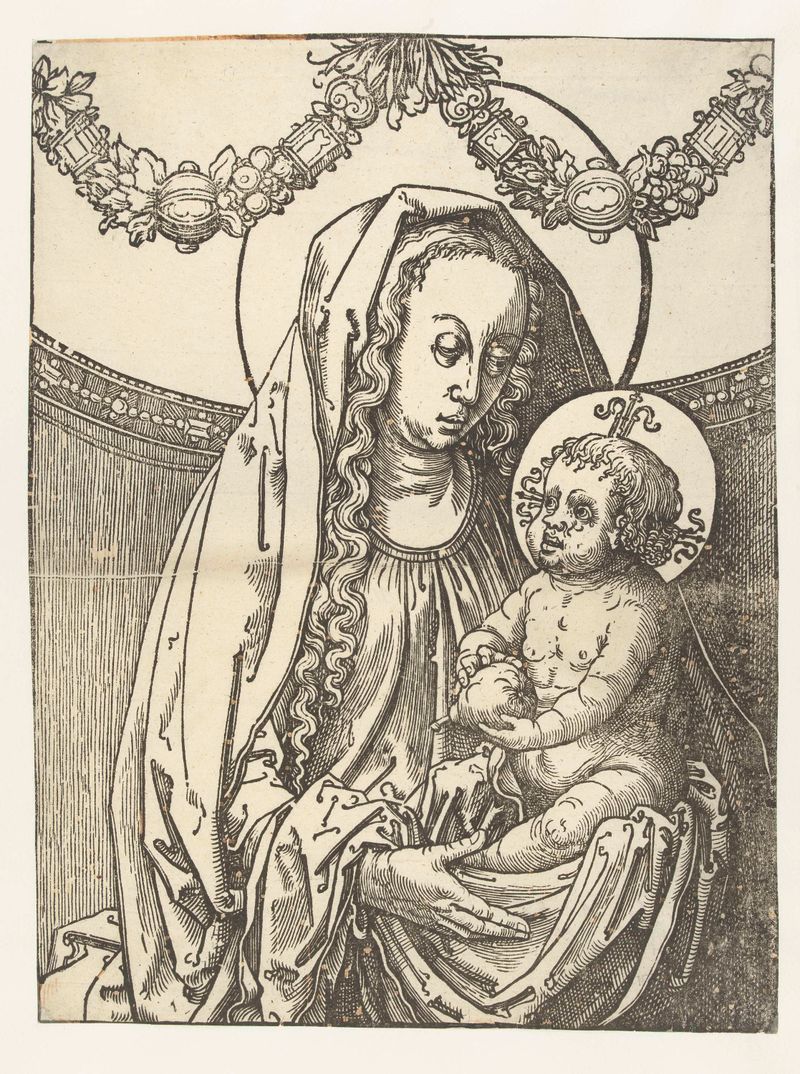
Maria met kind
Lucas van Leyden

Doornenkroning
Lucas van Leyden
More Religious Art
Browse all →
The Return of the Prodigal Son
Rembrandt van Rijn

The Garden of Earthly Delights
El Bosco

Count Orgaz’ funeral
El Greco

The Hundred Guilder Print: the central piece with Christ preaching, the plate arched
Rembrandt van Rijn

The Descent from the Cross
Rogier van der Weyden

The return of the prodigal son
Rembrandt van Rijn