
De heilige Gerardus — History & Facts
Who listens when art speaks of silence? In the delicate stillness of De heilige Gerardus, a world unfolds where dreams and devotion intertwine, inviting quiet contemplation. Look to the left at the figure of St. Gerard, his countenance serene yet resolute, bathed in soft, ethereal light that illuminates his elegant robes. Notice how the rich blues and golds of his attire contrast against the stark, muted background, drawing the eye towards his gentle gaze.
The intricate details of his clothing, painstakingly rendered, reveal the artist's mastery in creating texture and depth, while subtle variations in light suggest a divine presence that envelops him. Hidden within this sacred tableau lies a poignant tension between power and humility. The saint's raised hand, poised in a gesture of blessing, subtly communicates authority, while the softness of his features conveys an understated compassion. The delicate play between light and shadow evokes a sense of transcendence, suggesting that in silence, true strength is found.
This harmony of elements resonates deeply with the viewer, urging a connection to the sacred and the transformative power of faith. Created between 1512 and 1516, this piece reflects Lucas van Leyden's position in the Northern Renaissance, a time when art began to embrace humanist ideals and intricate detail. Living in Leiden, the artist was influenced by both religious themes and the burgeoning interest in individuality and realism. In this context, his portrayal of St.
Gerard not only embodies spiritual reverence but also serves as a testament to the evolving landscape of art, where emotion and vision harmoniously converge.
More Artworks by Lucas van Leyden
Browse all →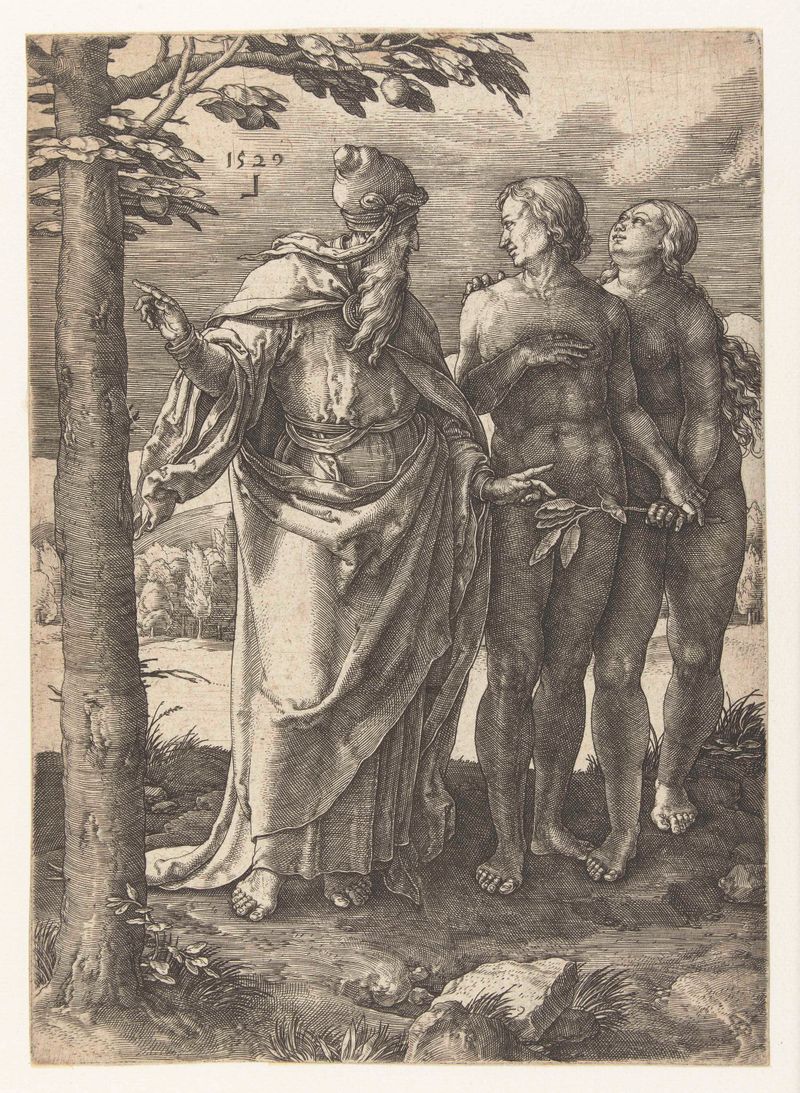
Het eerste verbod
Lucas van Leyden
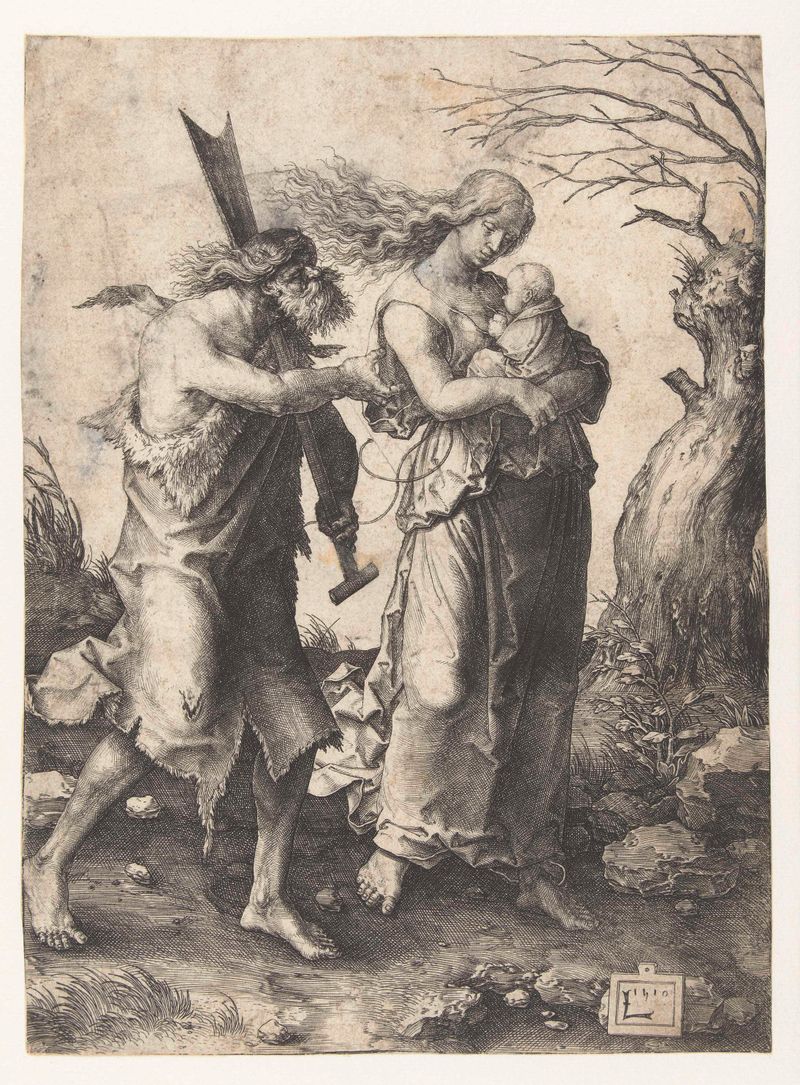
Adam en Eva na de verdrijving uit het paradijs
Lucas van Leyden
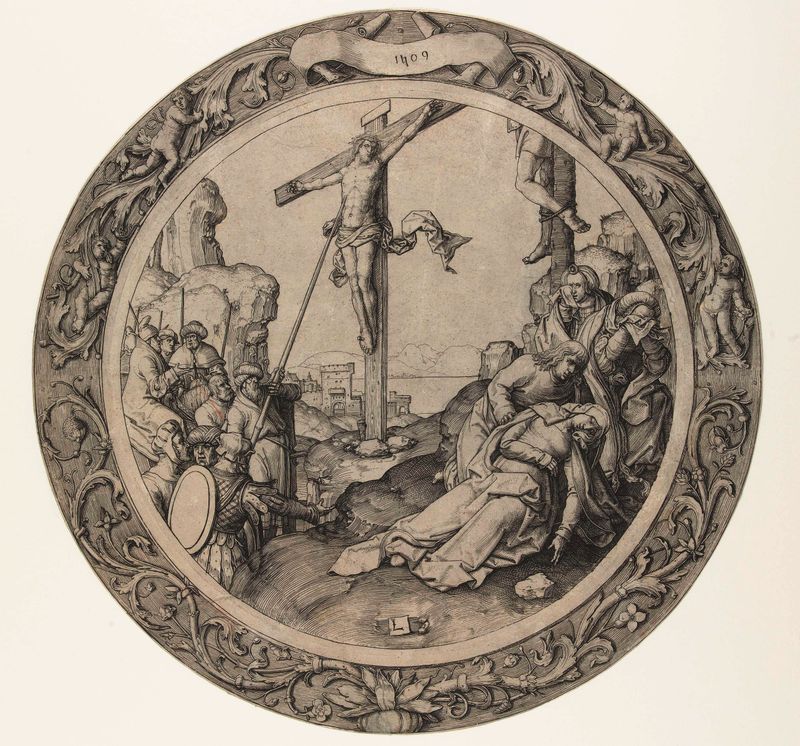
De kruisiging
Lucas van Leyden
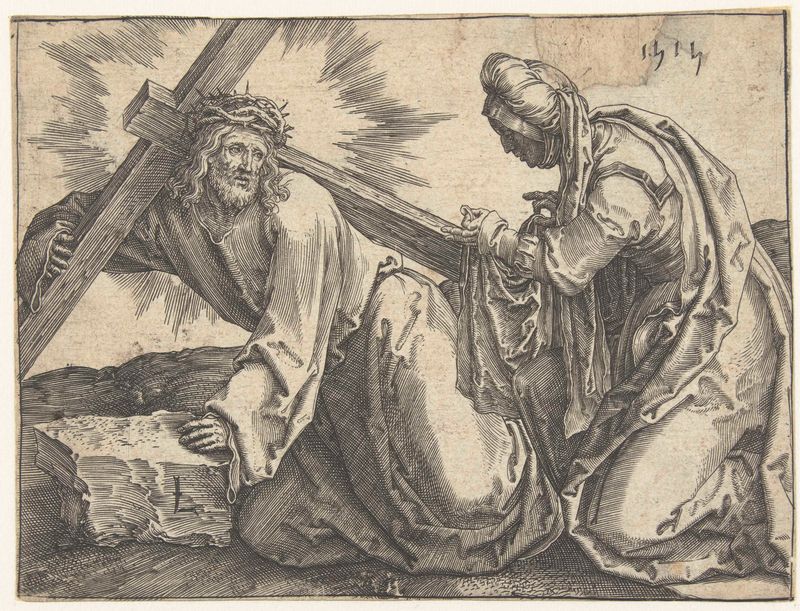
Kruisdraging
Lucas van Leyden
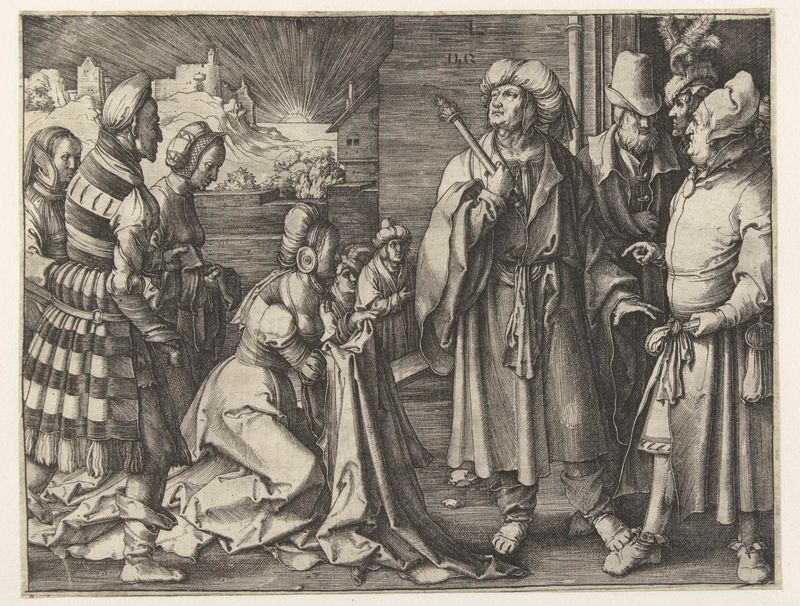
De vrouw van Potifar beschuldigt Jozef
Lucas van Leyden
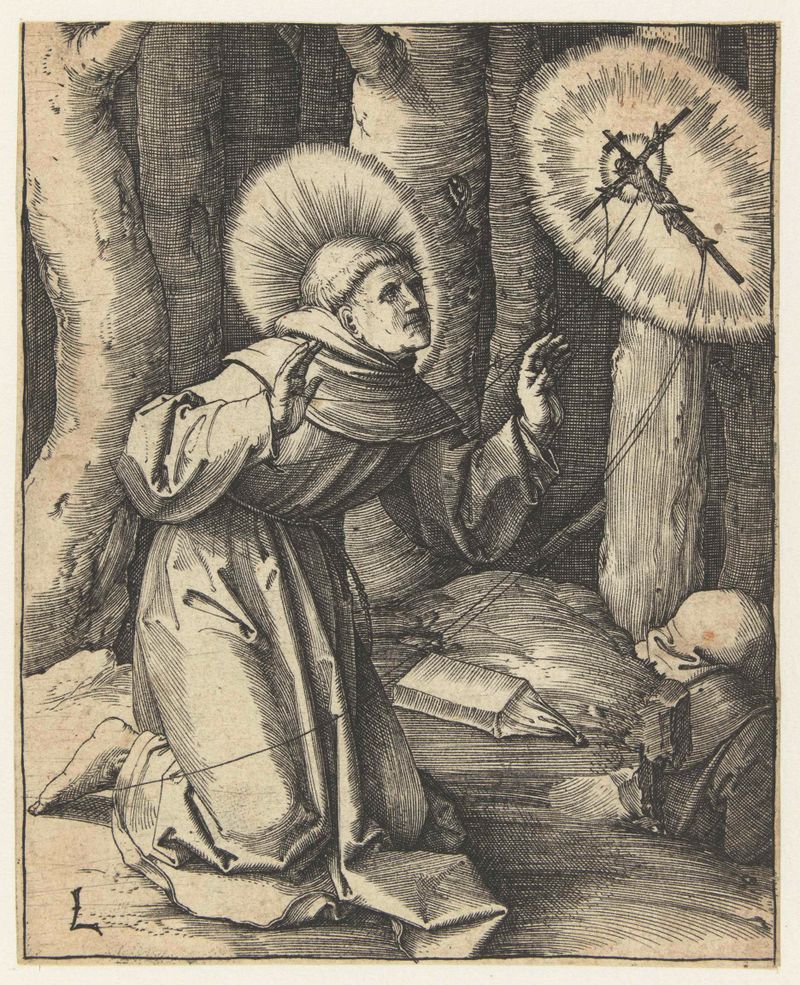
De stigmatisatie van de heilige Franciscus
Lucas van Leyden
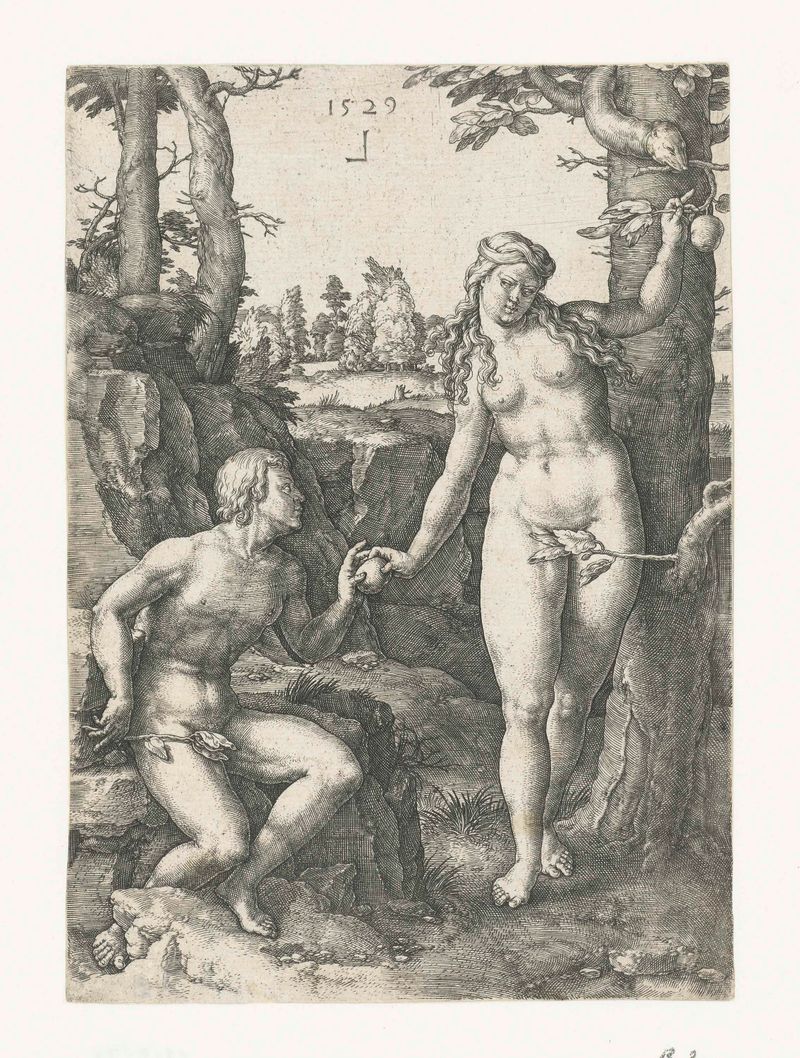
De zondeval
Lucas van Leyden
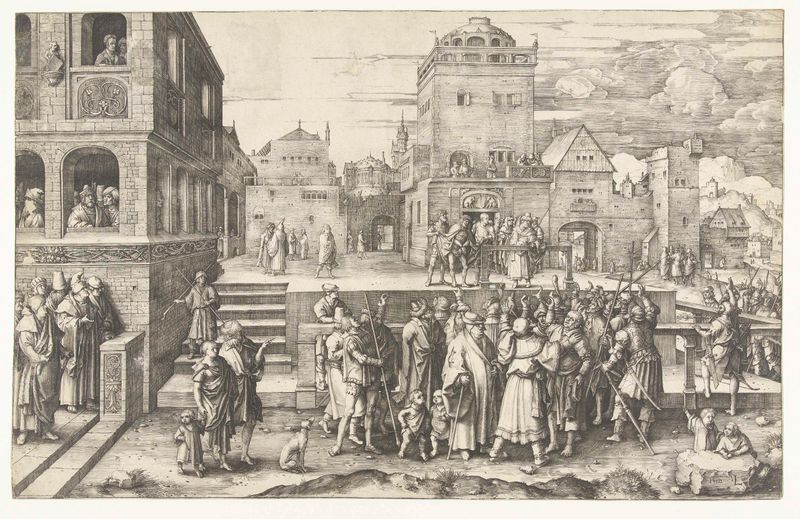
De grote Ecce Homo
Lucas van Leyden
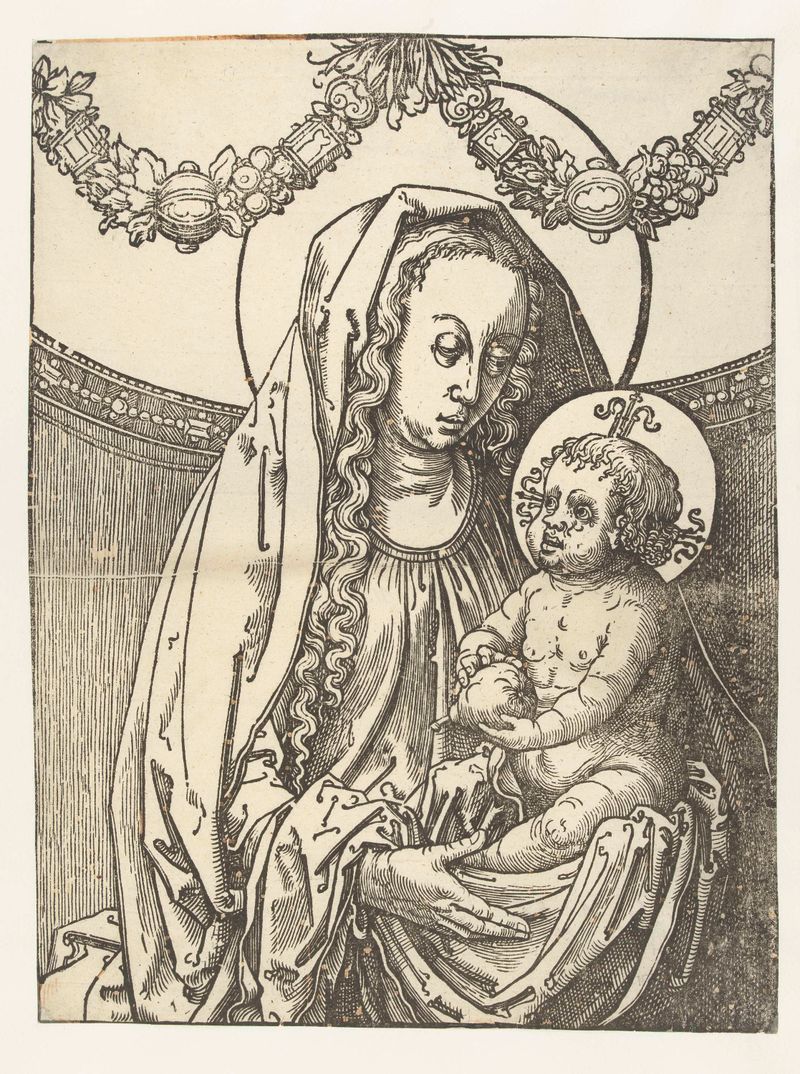
Maria met kind
Lucas van Leyden

Doornenkroning
Lucas van Leyden
More Religious Art
Browse all →
The Return of the Prodigal Son
Rembrandt van Rijn

The Garden of Earthly Delights
El Bosco

Count Orgaz’ funeral
El Greco

The Hundred Guilder Print: the central piece with Christ preaching, the plate arched
Rembrandt van Rijn

The Descent from the Cross
Rogier van der Weyden

The return of the prodigal son
Rembrandt van Rijn