
De heilige Hieronymus — History & Facts
Is this a mirror — or a memory? In De heilige Hieronymus, the viewer is drawn into a moment steeped in reflection and obsession, where the pursuit of knowledge and the burden of introspection collide. Focus on the figure of Saint Jerome, who occupies the canvas with both gravity and grace. Look to the left at the slight, furrowed brow and the delicate hand that rests upon a book, a testament to his ceaseless quest for understanding. The interplay of light and shadow enhances the contours of his face, illuminating the depths of his soul while casting an enigmatic darkness across his surroundings.
Notice how the rich, muted colors evoke a sense of contemplation, inviting the viewer to ponder the duality of enlightenment and despair. The painting is charged with deeper meanings that resonate through its intricate details. Observe the skull at the edge of the desk, symbolizing mortality and the transient nature of life, standing in stark contrast to the open book that signifies wisdom and eternal knowledge. This duality reflects the tension inherent in Jerome’s character — the relentless pursuit of truth intertwined with the haunting awareness of impermanence.
The positioning of the objects creates an almost claustrophobic atmosphere, echoing the artist's preoccupation with the mind's struggles and obsessions. Lucas van Leyden painted De heilige Hieronymus in 1513 during a period of great innovation and change in the art world. Working in the Netherlands, he was at the forefront of Northern Renaissance art, a time marked by a heightened interest in humanism and the individual experience. As he grappled with his own artistic evolution, the piece reflects both personal and wider cultural tensions of the time, merging meticulous detail with profound psychological insight.
More Artworks by Lucas van Leyden
Browse all →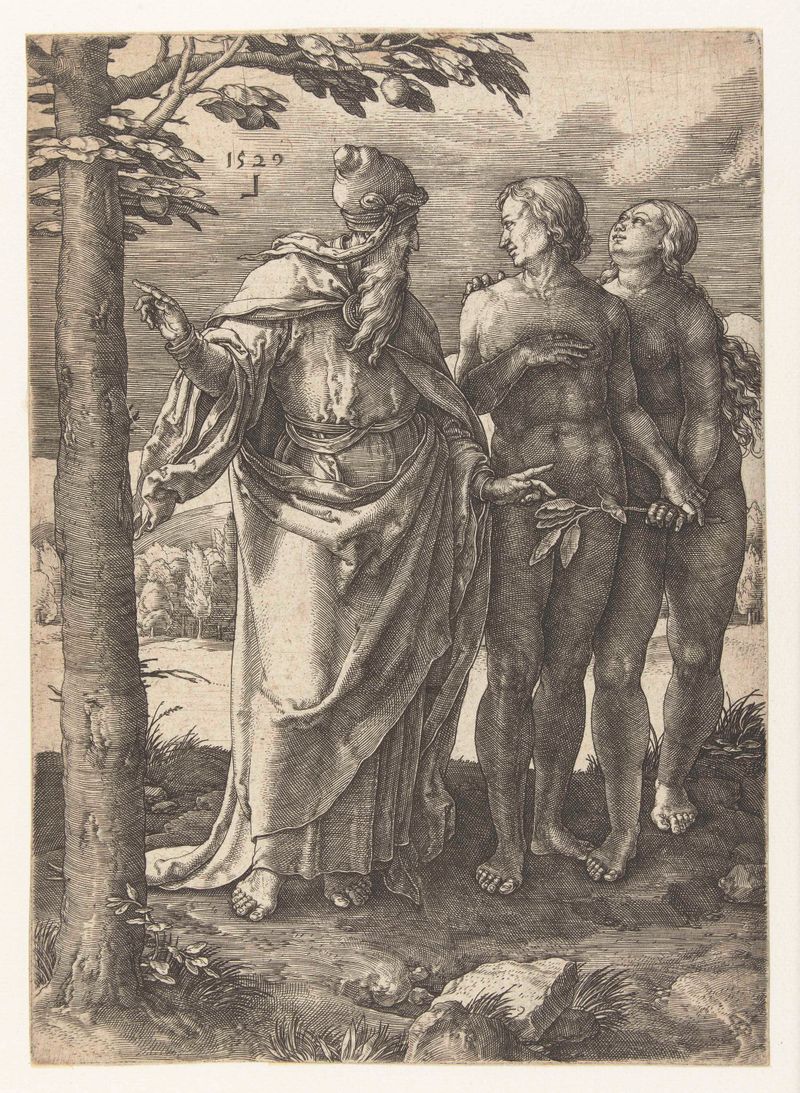
Het eerste verbod
Lucas van Leyden
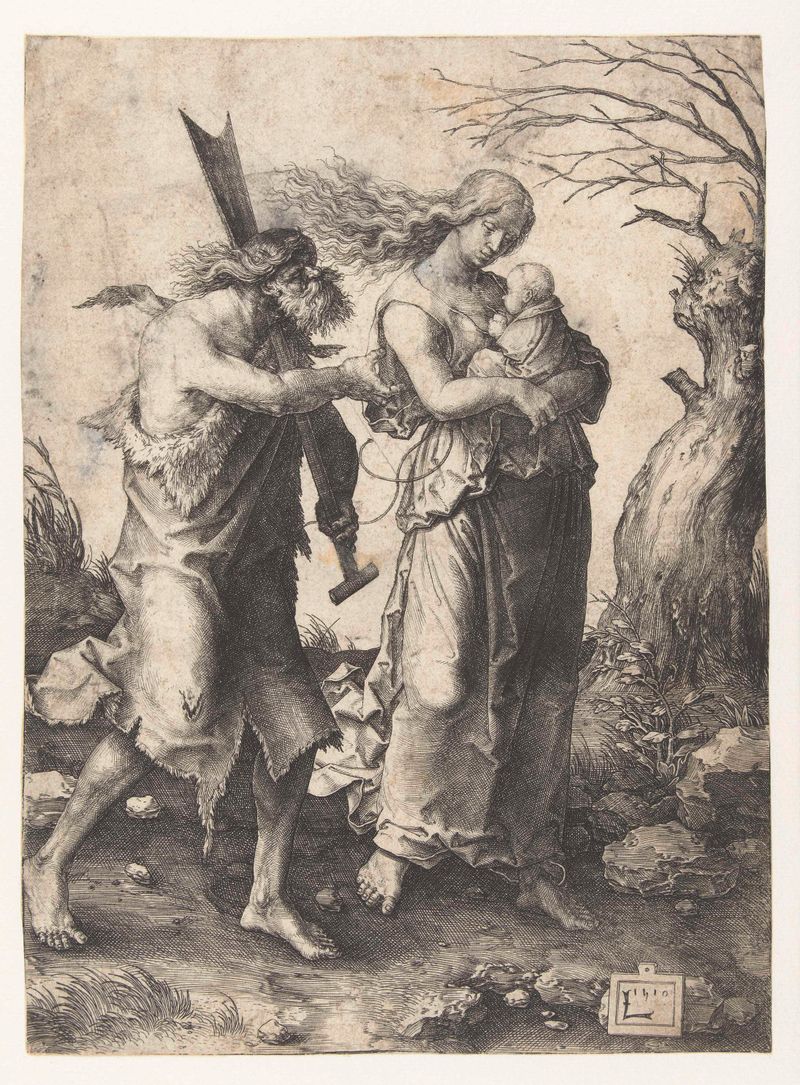
Adam en Eva na de verdrijving uit het paradijs
Lucas van Leyden
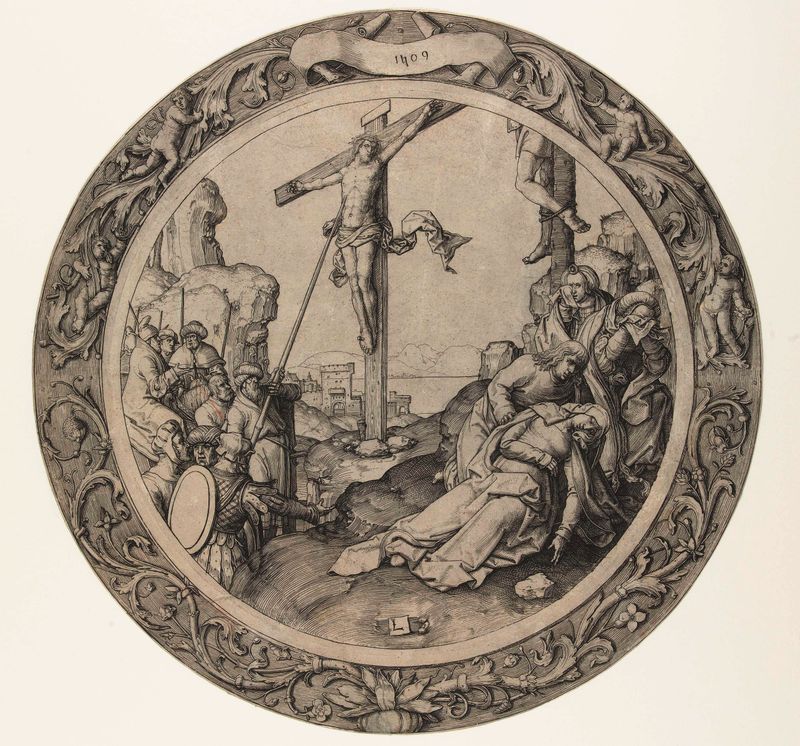
De kruisiging
Lucas van Leyden
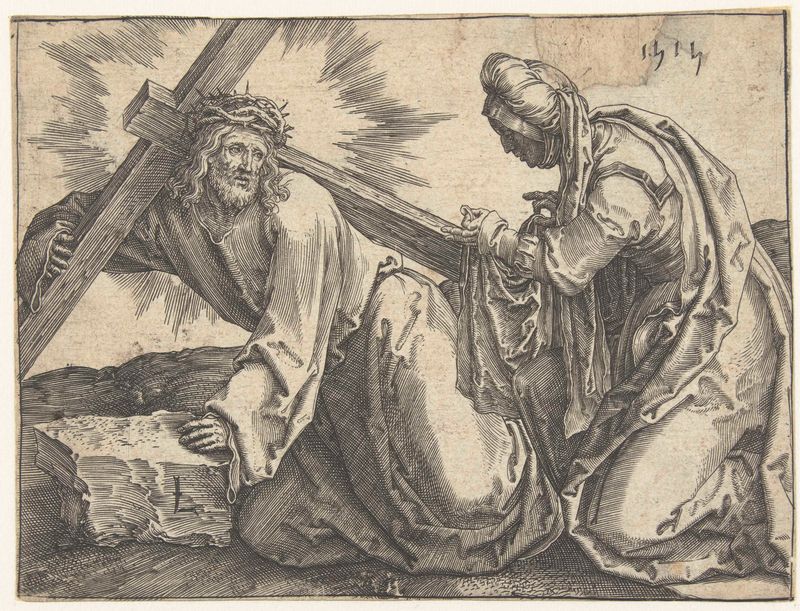
Kruisdraging
Lucas van Leyden
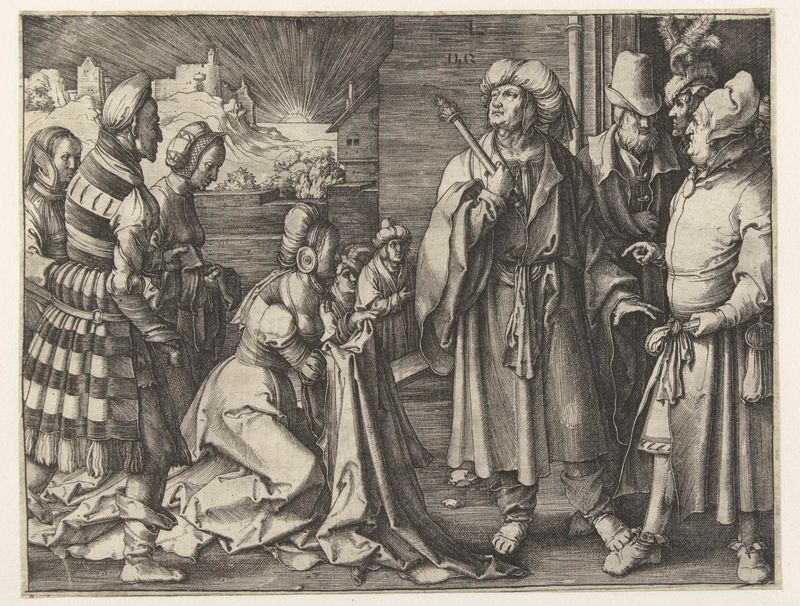
De vrouw van Potifar beschuldigt Jozef
Lucas van Leyden
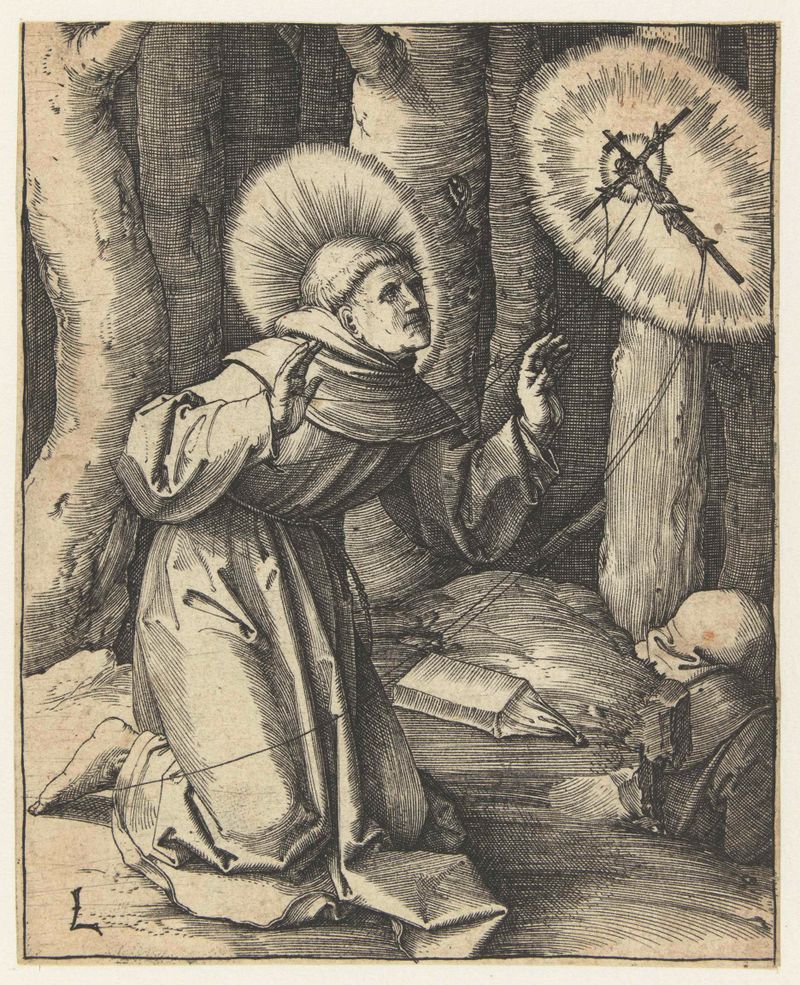
De stigmatisatie van de heilige Franciscus
Lucas van Leyden
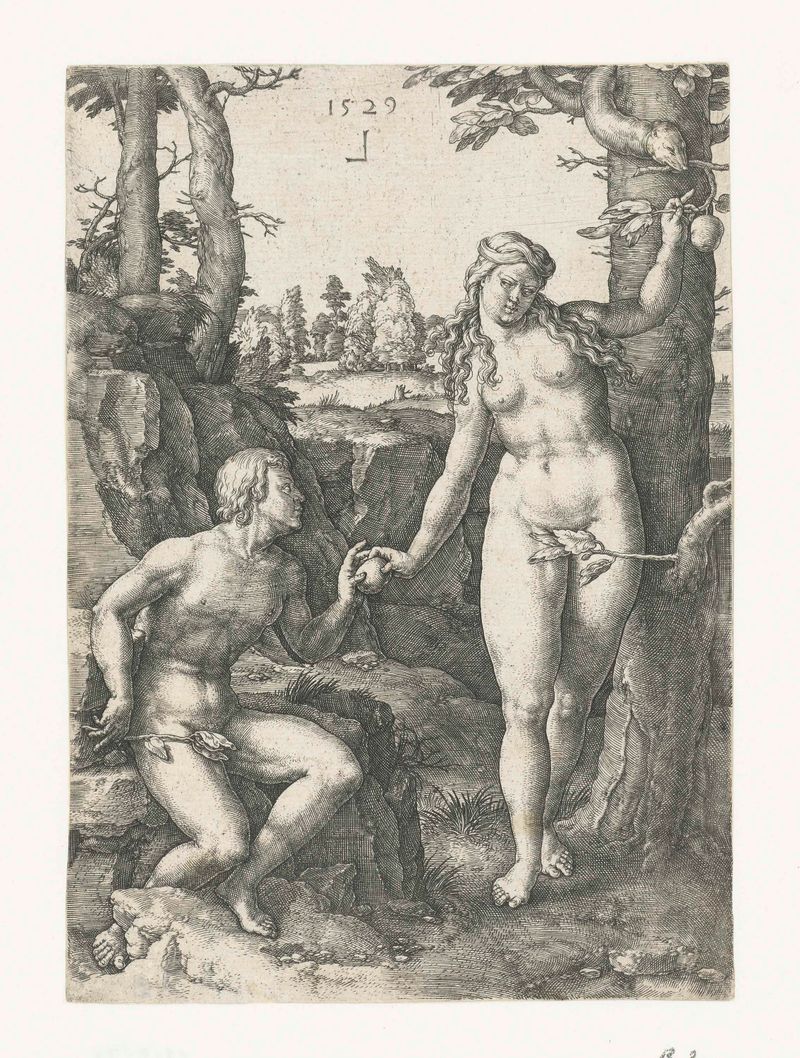
De zondeval
Lucas van Leyden
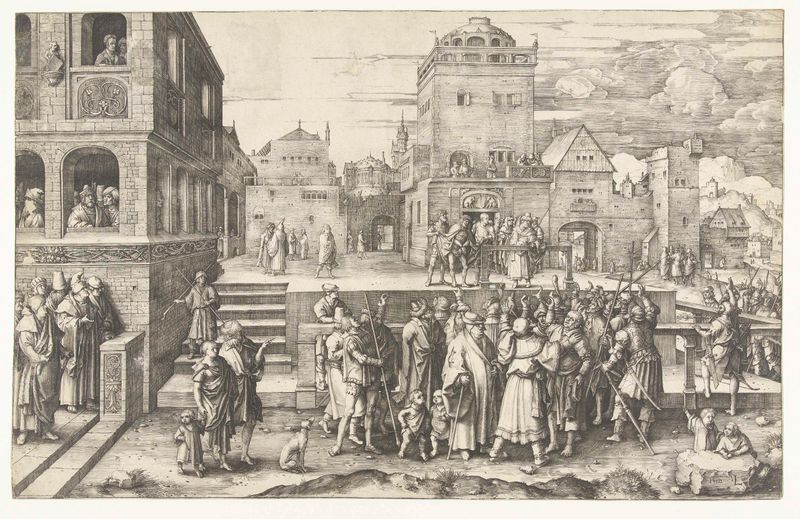
De grote Ecce Homo
Lucas van Leyden
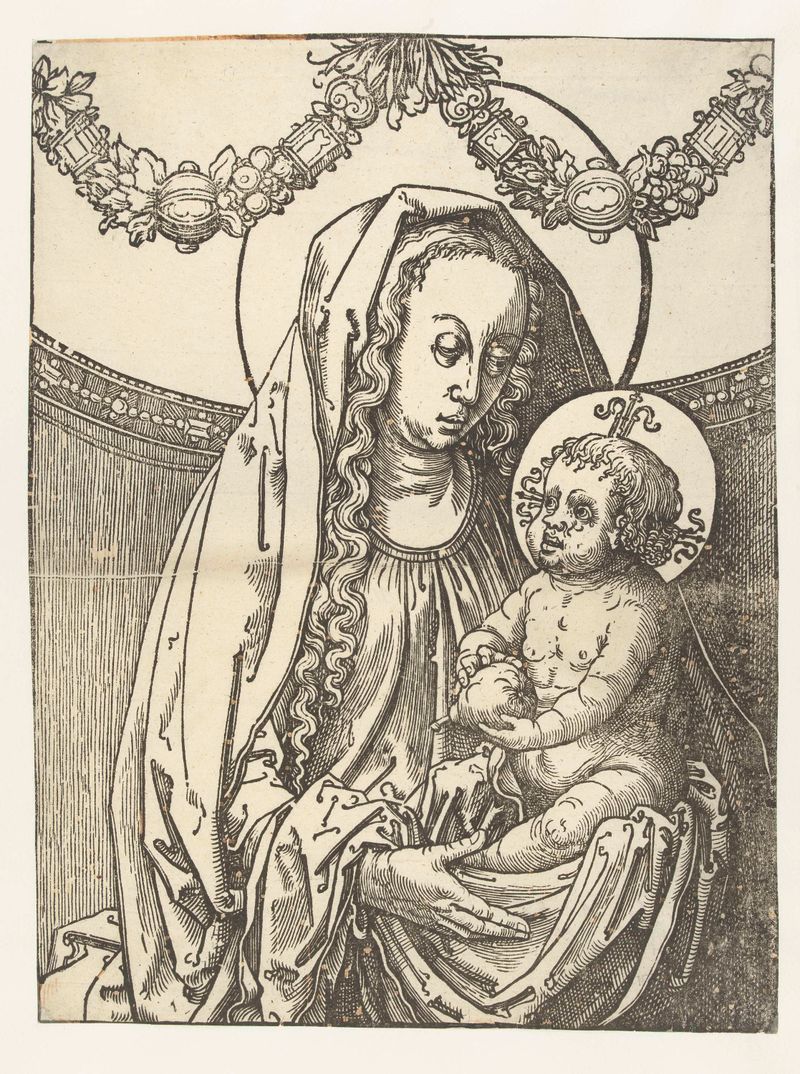
Maria met kind
Lucas van Leyden

Doornenkroning
Lucas van Leyden
More Religious Art
Browse all →
The Return of the Prodigal Son
Rembrandt van Rijn

The Garden of Earthly Delights
El Bosco

Count Orgaz’ funeral
El Greco

The Hundred Guilder Print: the central piece with Christ preaching, the plate arched
Rembrandt van Rijn

The Descent from the Cross
Rogier van der Weyden

The return of the prodigal son
Rembrandt van Rijn