
De heilige Hieronymus — History & Facts
Did the painter know this moment would outlive them? In De heilige Hieronymus, the figure of Saint Jerome emanates a quiet intensity, his gaze deep in contemplation, suggesting a profound rebirth of thought and spirit. Look to the left at the intricate details of the saint's robes, a rich tapestry of gold and crimson, meticulously rendered to capture the texture of fabric. Notice how the light falls upon his scholarly tools: the open book, the ink pot, and the quill, each symbolizing wisdom and the pursuit of knowledge. The warm tones contrasted with shadows create an intimate space, inviting the viewer into Jerome's world of reflection and study. Within this serene setting lies a tension between the earthly and the divine.
The saint's expression holds a blend of serenity and sorrow, whispering of the burdens of knowledge and faith. The presence of the lion at his feet hints at both companionship and the wildness of the human condition, weaving a narrative of transformation and connection. These subtle elements speak to the duality of existence—the struggle for wisdom amid the chaos of life, symbolizing a cycle of rebirth. Lucas van Leyden painted De heilige Hieronymus in 1516 during a time of great change in the art world, with the Northern Renaissance flourishing and its focus shifting toward humanism.
At this point in his life, Leyden was already celebrated for his detailed engravings and paintings. The world was witnessing a rediscovery of classical ideals, and the reinterpretation of religious themes was becoming prevalent, setting the stage for Leyden's continued exploration of these deep and timeless concepts.
More Artworks by Lucas van Leyden
Browse all →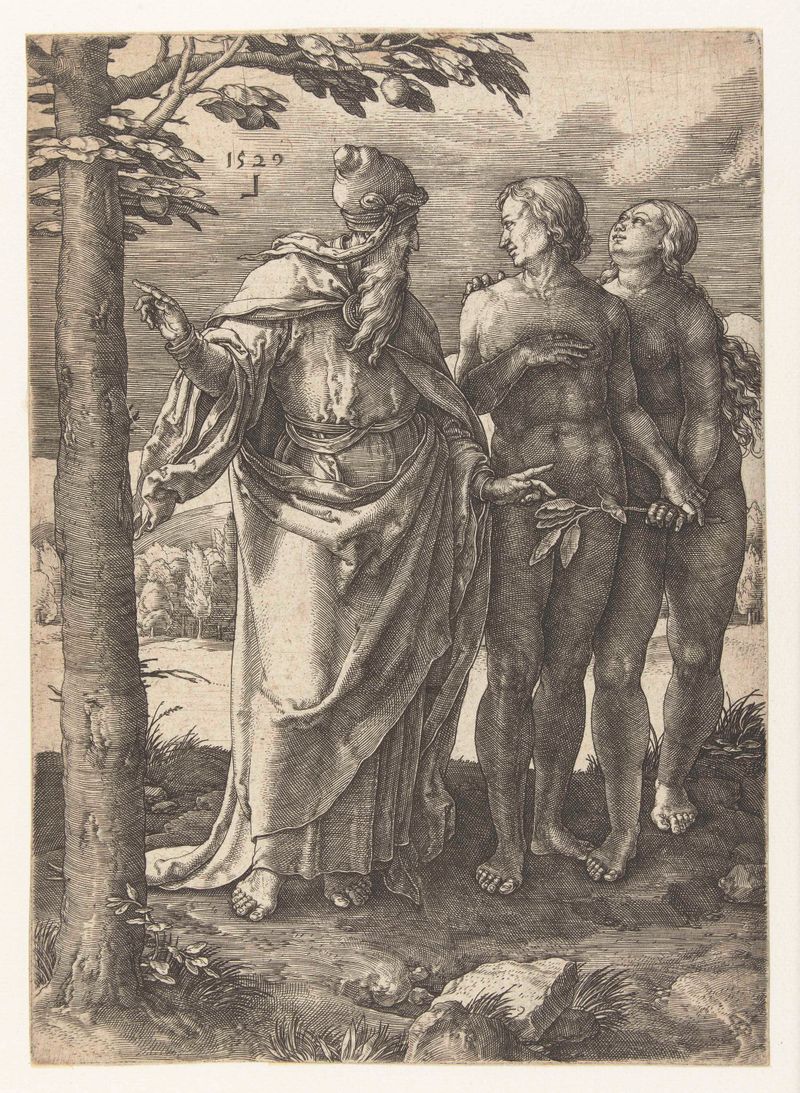
Het eerste verbod
Lucas van Leyden
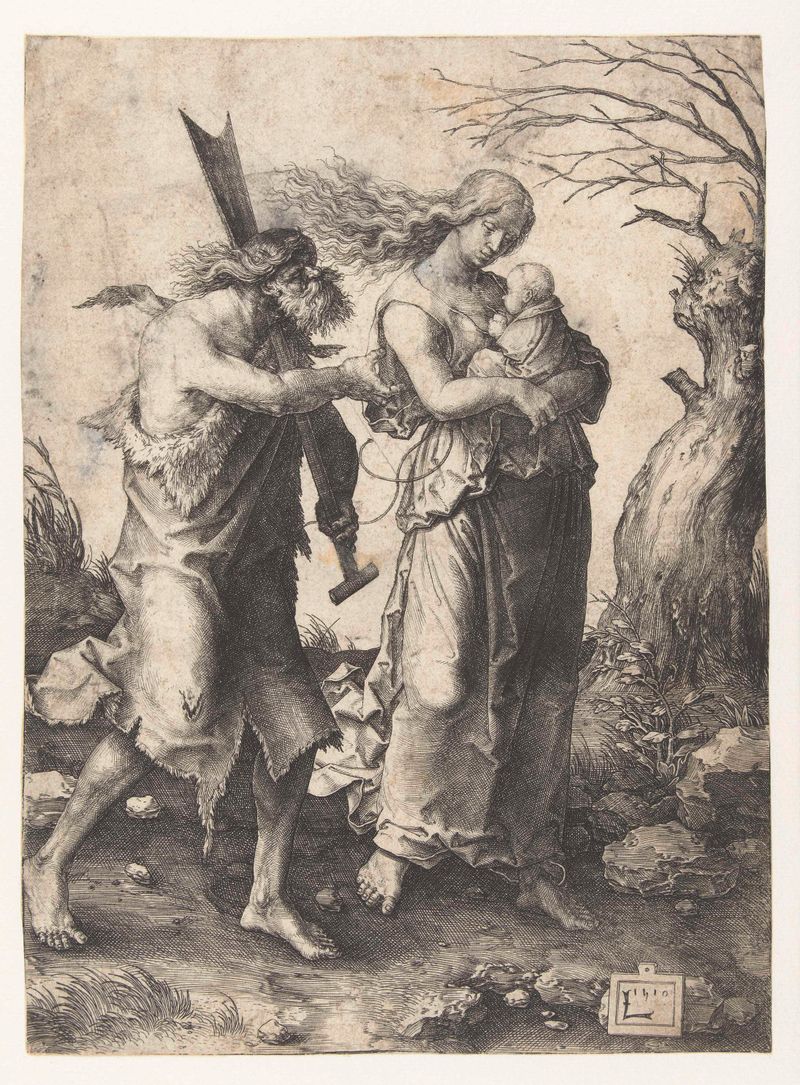
Adam en Eva na de verdrijving uit het paradijs
Lucas van Leyden
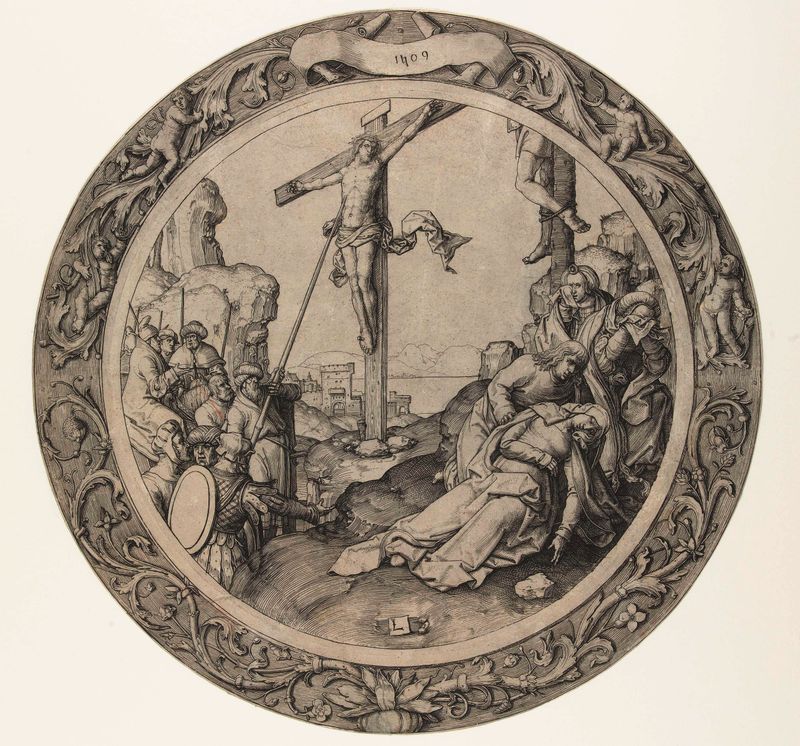
De kruisiging
Lucas van Leyden
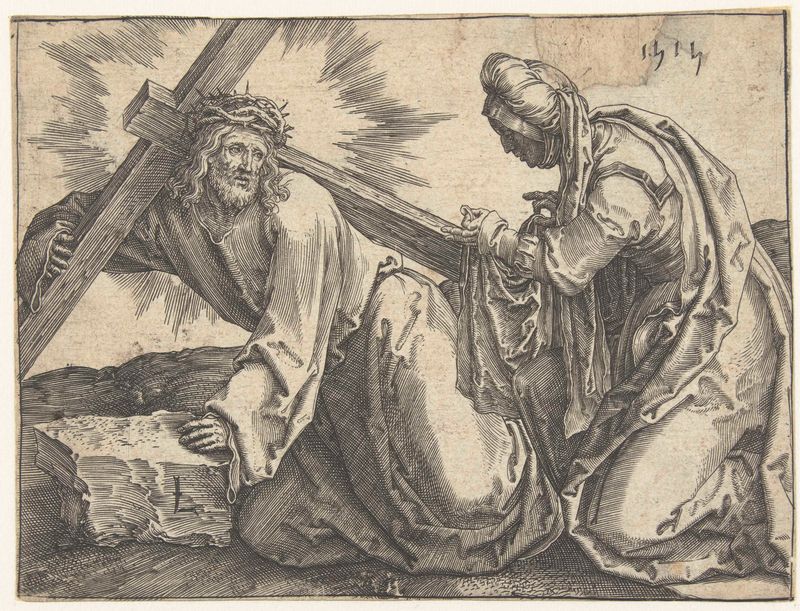
Kruisdraging
Lucas van Leyden
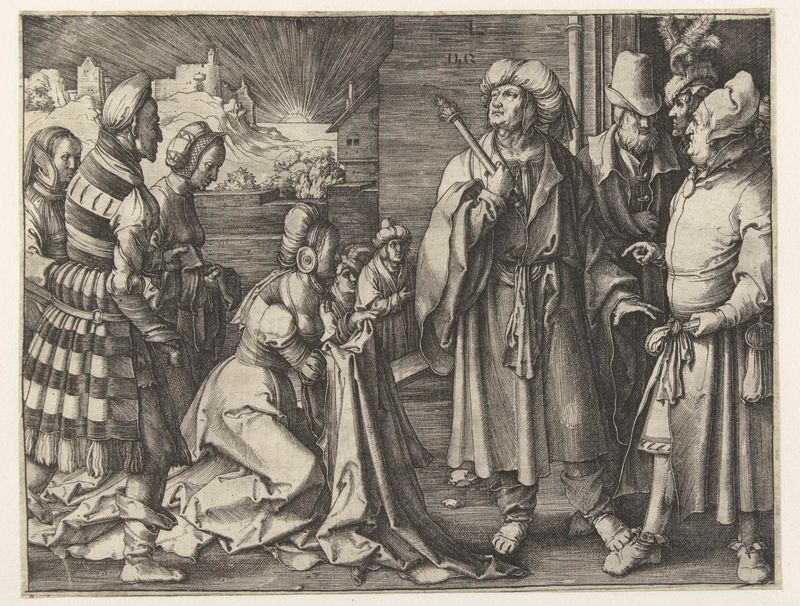
De vrouw van Potifar beschuldigt Jozef
Lucas van Leyden
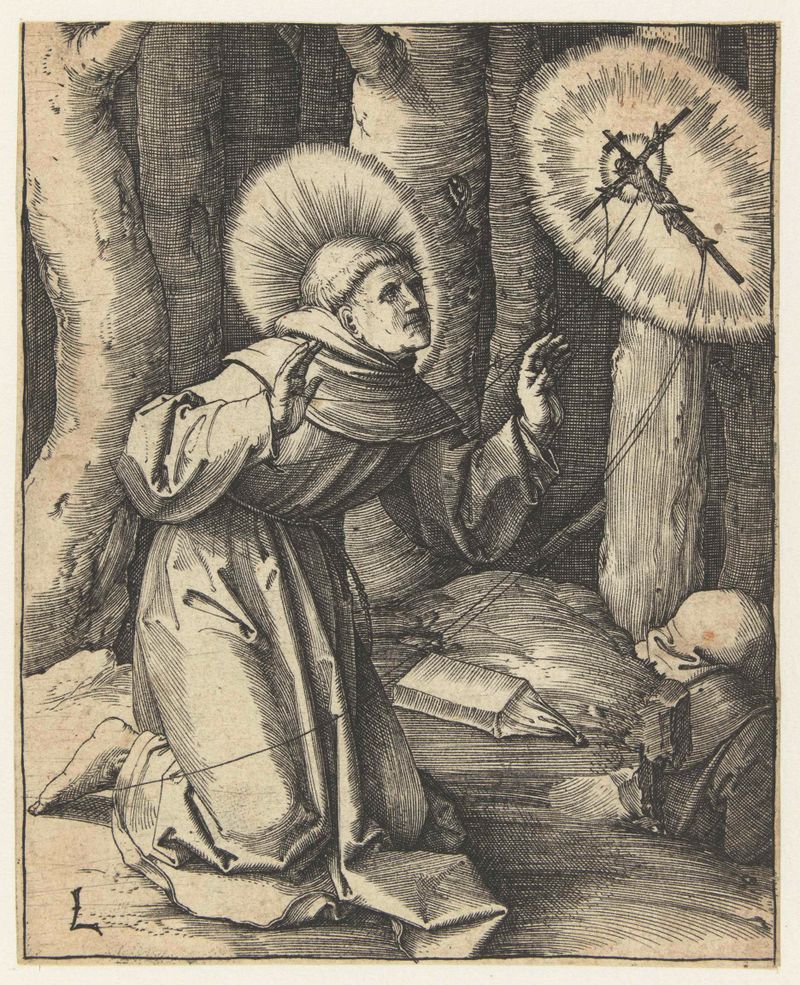
De stigmatisatie van de heilige Franciscus
Lucas van Leyden
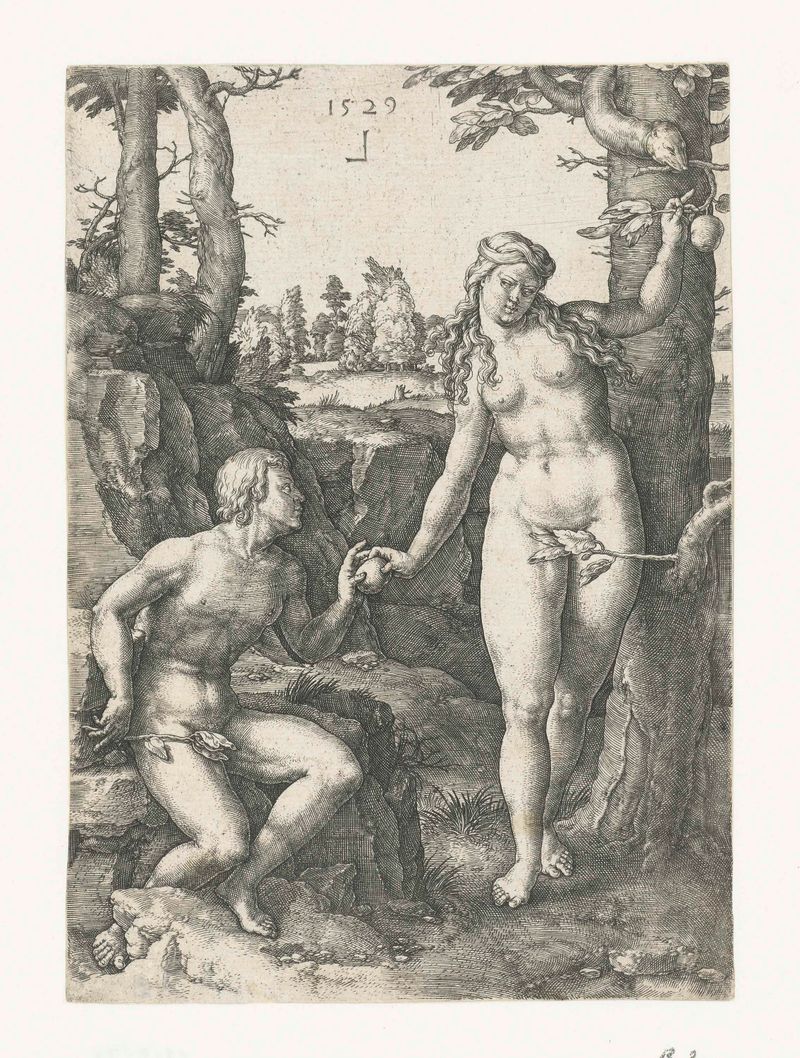
De zondeval
Lucas van Leyden
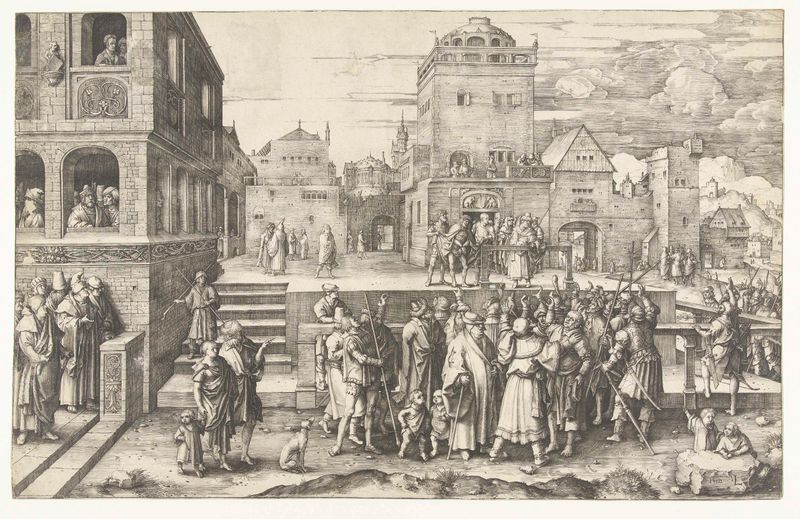
De grote Ecce Homo
Lucas van Leyden
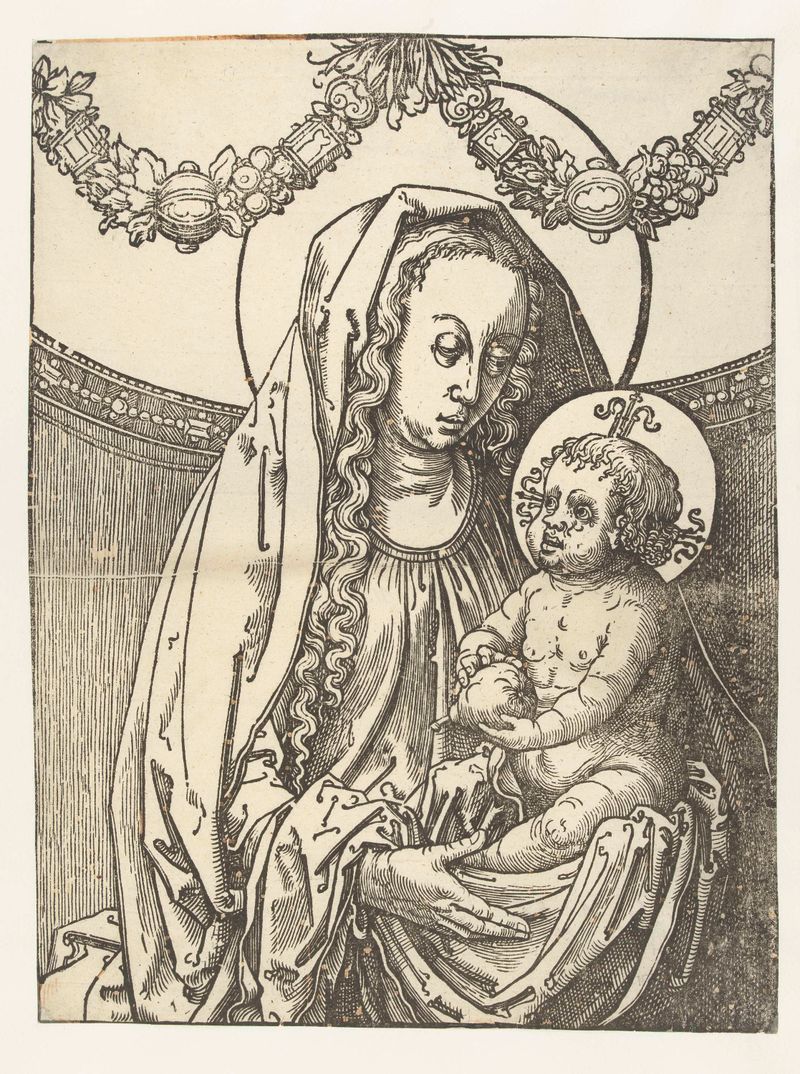
Maria met kind
Lucas van Leyden

Doornenkroning
Lucas van Leyden
More Religious Art
Browse all →
The Return of the Prodigal Son
Rembrandt van Rijn

The Garden of Earthly Delights
El Bosco

Count Orgaz’ funeral
El Greco

The Hundred Guilder Print: the central piece with Christ preaching, the plate arched
Rembrandt van Rijn

The Descent from the Cross
Rogier van der Weyden

The return of the prodigal son
Rembrandt van Rijn