
De heilige Hieronymus in zijn studeerkamer — History & Facts
Can beauty exist without sorrow? In De heilige Hieronymus in zijn studeerkamer, vivid hues wrap the viewer in a world where contemplation dances with melancholy. The rich reds and deep greens evoke a palette of emotional depth, inviting reflection on the delicate balance of joy and pain in the human experience. Look to the left at the figure of Saint Jerome, cloaked in deep russet, whose gaze is focused on a tome that cradles knowledge. The light pours gently through a window, illuminating not only his face but also the intricate details of his study.
Notice how the shadows accentuate the textures of the worn manuscripts and the smooth contours of religious artifacts, each item holding whispers of their purpose and the weight of devotion. Delve deeper into the painting and you’ll uncover the contrasts that pulse at its heart. The tranquility of Jerome's study is punctuated by the skull at his feet, a stark reminder of mortality amidst scholarly pursuit. This juxtaposition of life’s beauty against its inevitable end reflects an artist’s understanding of human frailty, urging the viewer to confront the duality of existence.
The interplay of light and shadow emphasizes this tension, enhancing the emotional gravity of the scene. In 1521, Lucas van Leyden was at a pivotal moment in his career, having already established himself as a master engraver and painter in the Netherlands. During this time, the Northern Renaissance was flourishing, marked by a growing interest in realism and humanist themes. This work encapsulates both his technical prowess and a profound exploration of the human condition, grounding it in the spiritual concerns that characterized the era.
More Artworks by Lucas van Leyden
Browse all →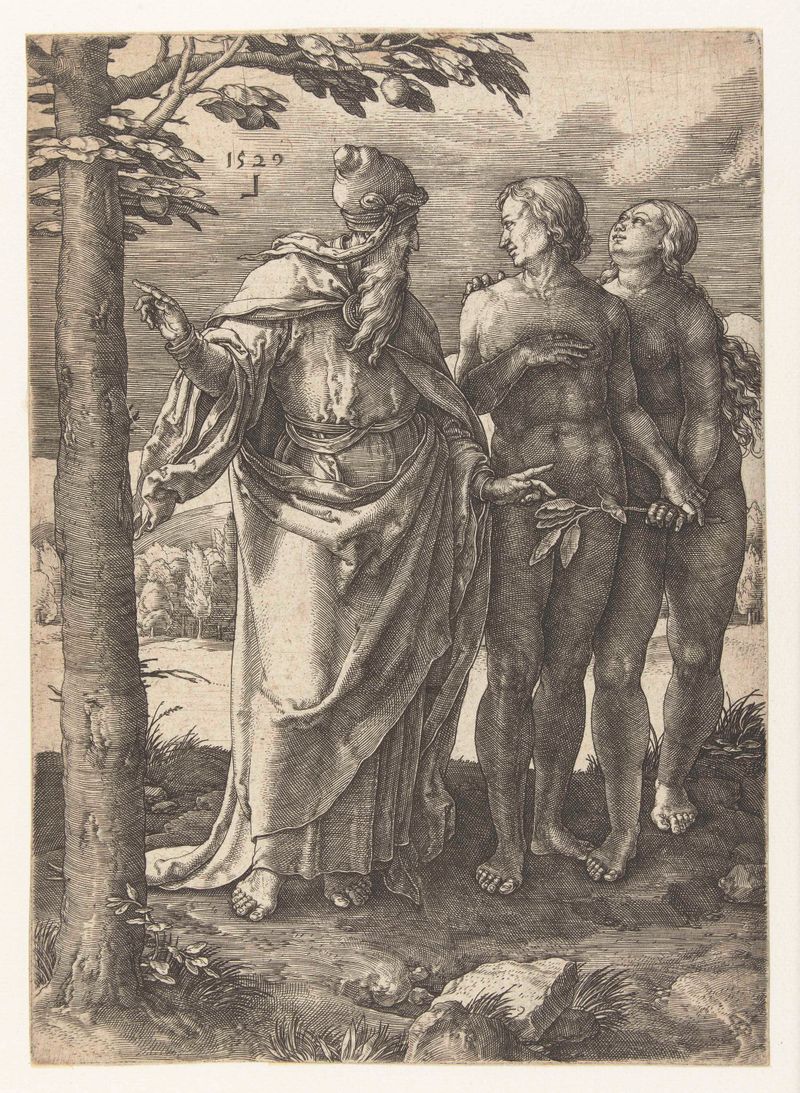
Het eerste verbod
Lucas van Leyden
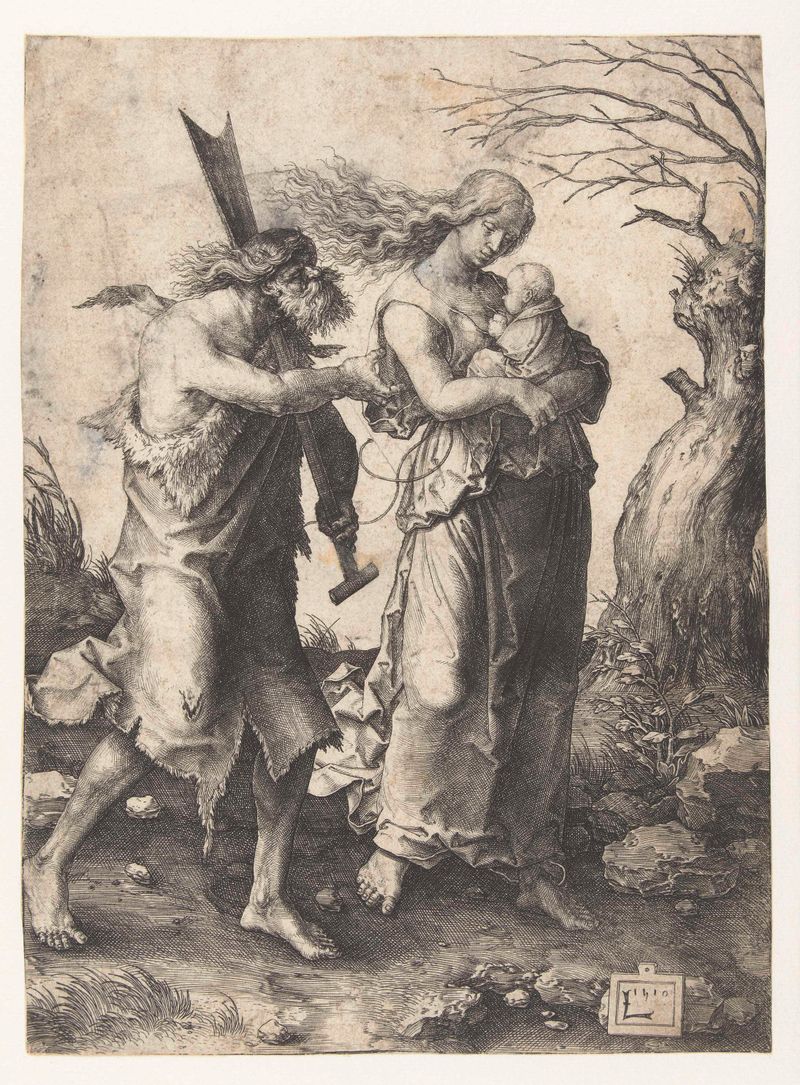
Adam en Eva na de verdrijving uit het paradijs
Lucas van Leyden
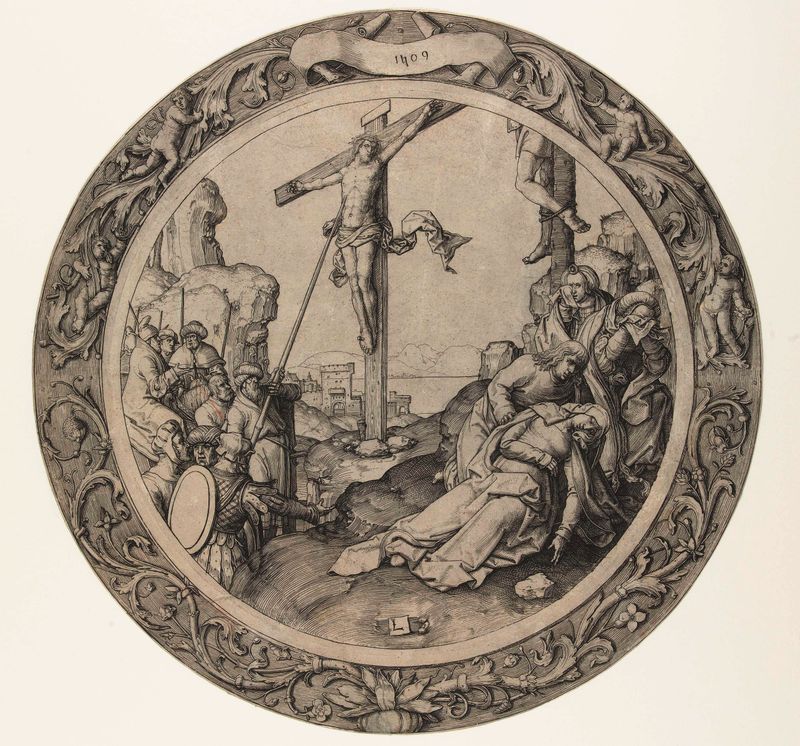
De kruisiging
Lucas van Leyden
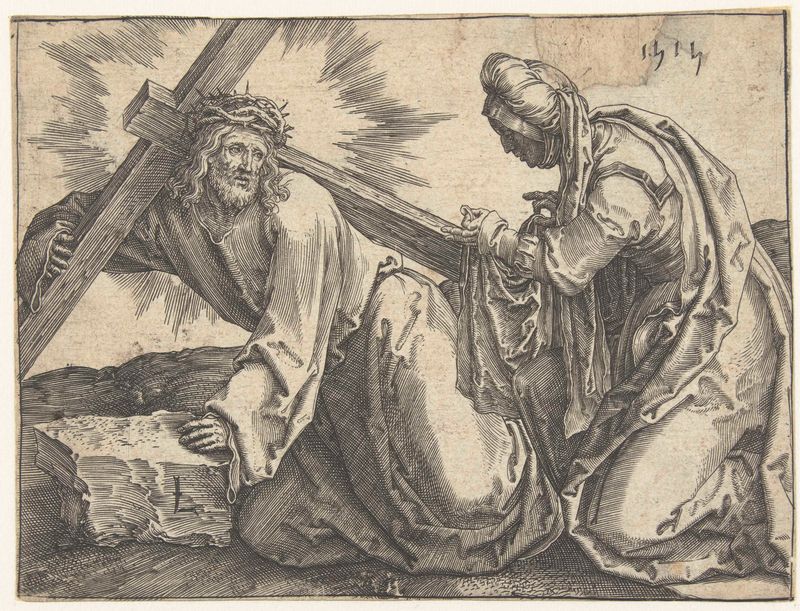
Kruisdraging
Lucas van Leyden
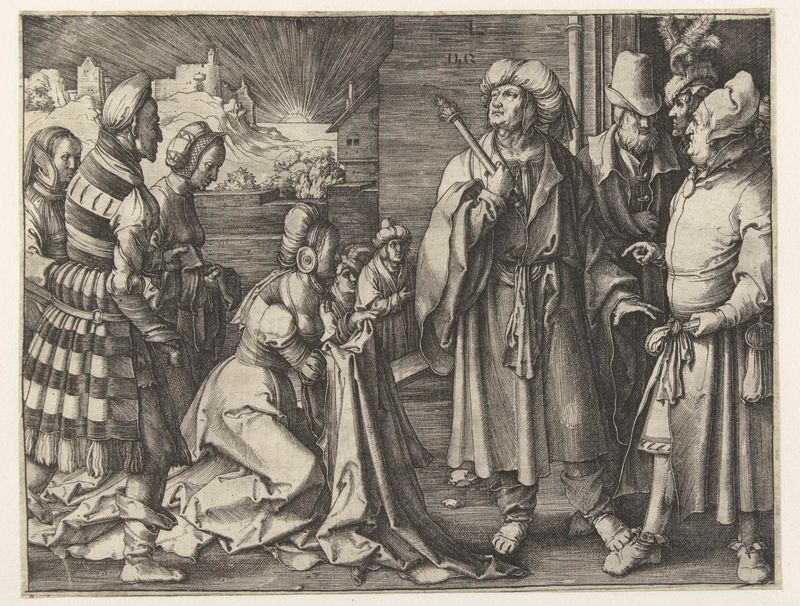
De vrouw van Potifar beschuldigt Jozef
Lucas van Leyden
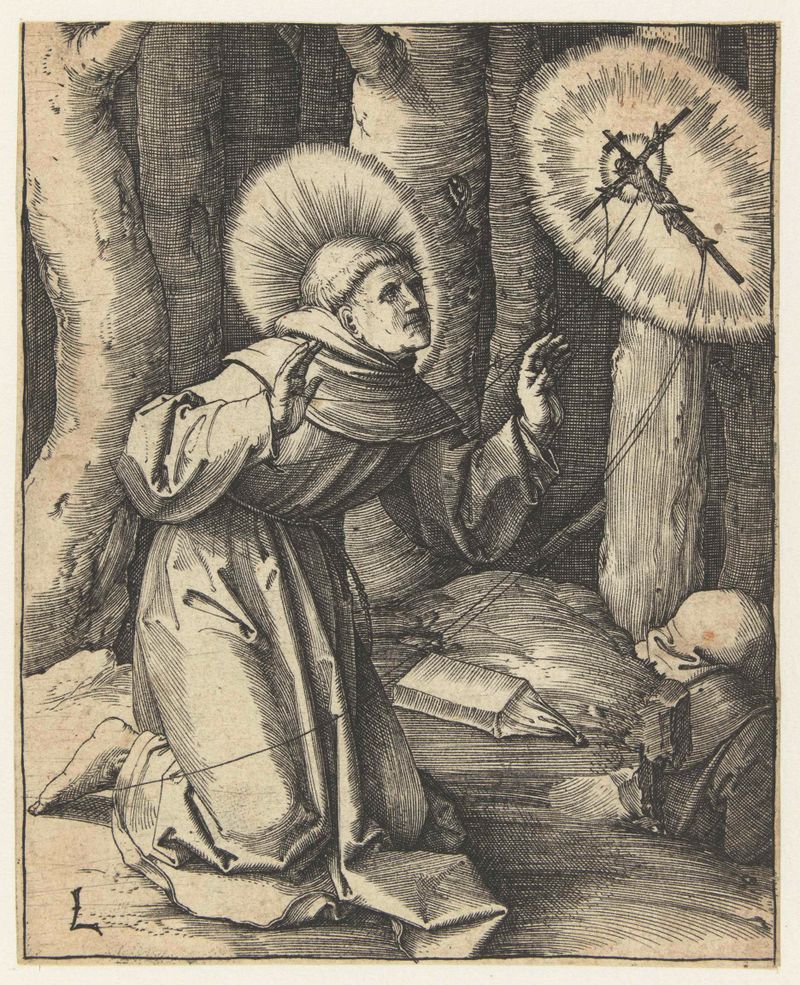
De stigmatisatie van de heilige Franciscus
Lucas van Leyden
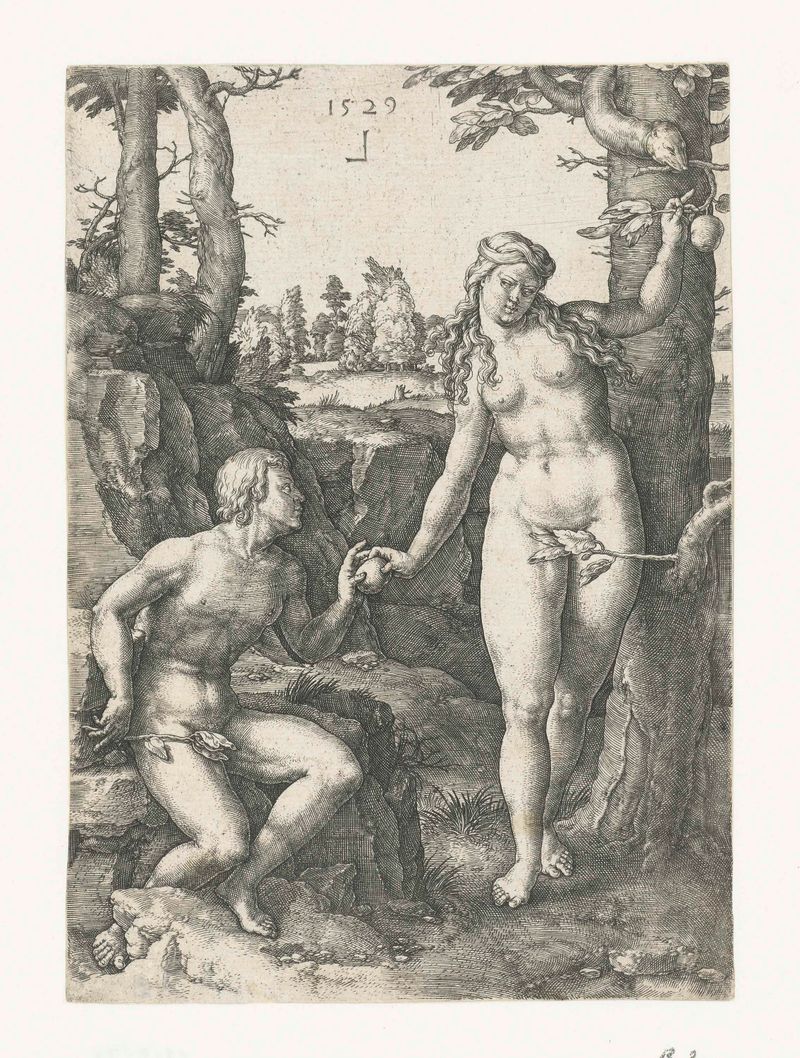
De zondeval
Lucas van Leyden
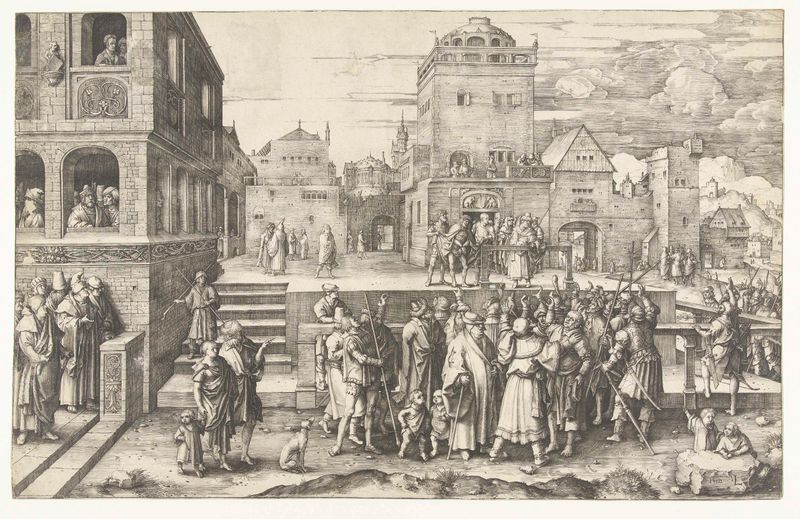
De grote Ecce Homo
Lucas van Leyden
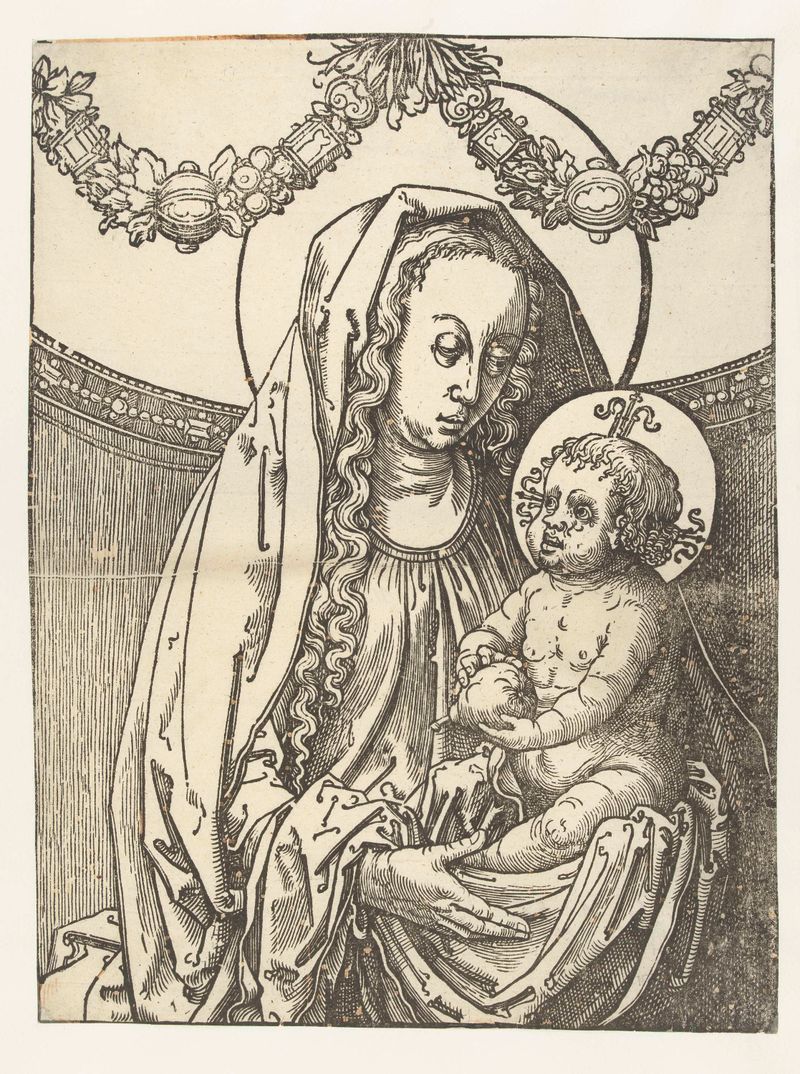
Maria met kind
Lucas van Leyden

Doornenkroning
Lucas van Leyden
More Religious Art
Browse all →
The Return of the Prodigal Son
Rembrandt van Rijn

The Garden of Earthly Delights
El Bosco

Count Orgaz’ funeral
El Greco

The Hundred Guilder Print: the central piece with Christ preaching, the plate arched
Rembrandt van Rijn

The Descent from the Cross
Rogier van der Weyden

The return of the prodigal son
Rembrandt van Rijn