
De heilige Sebastiaan — History & Facts
Can beauty exist without sorrow? In De heilige Sebastiaan, the paradox unfolds through the delicate interplay of grace and suffering, inviting viewers to ponder the depths of human experience. Look to the right at the figure of Saint Sebastian, poised with an ethereal calm amidst a harrowing tableau. His body, illuminated by a soft, divine light, draws the eye, the gentle curves of his form contrasting sharply with the brutal darts that pierce his flesh. The artist's meticulous attention to detail is evident in the intricate draping of his garments, rendered in lush colors that enhance the tension between beauty and pain, while the dark background heightens the saint's luminescence. Beneath the surface, the painting reveals layers of meaning.
The arrows, symbols of martyrdom, serve as a reminder of spiritual resilience, hinting at the transformative power of suffering. The serene expression on Sebastian's face juxtaposes the violence of his fate, suggesting acceptance and transcendence. This duality evokes a profound emotional response, prompting the viewer to reflect on their own struggles and the quest for beauty amid adversity. Between 1508 and 1512, Lucas van Leyden created this poignant work during a time when Northern Renaissance art was flourishing.
He was deeply influenced by the humanist movement, which emphasized individual experience and emotion. As a young artist in Leiden, he navigated the complexities of artistic freedom and religious expression, emerging as a prominent figure in the evolution of visual storytelling.
More Artworks by Lucas van Leyden
Browse all →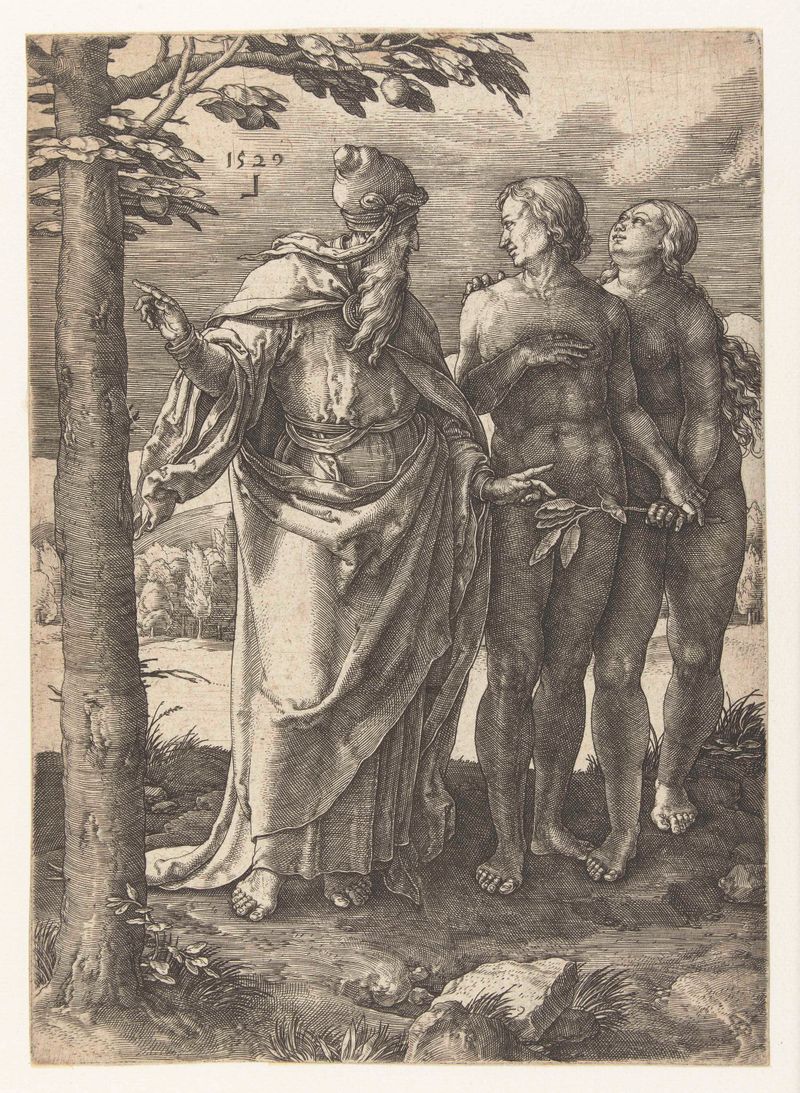
Het eerste verbod
Lucas van Leyden
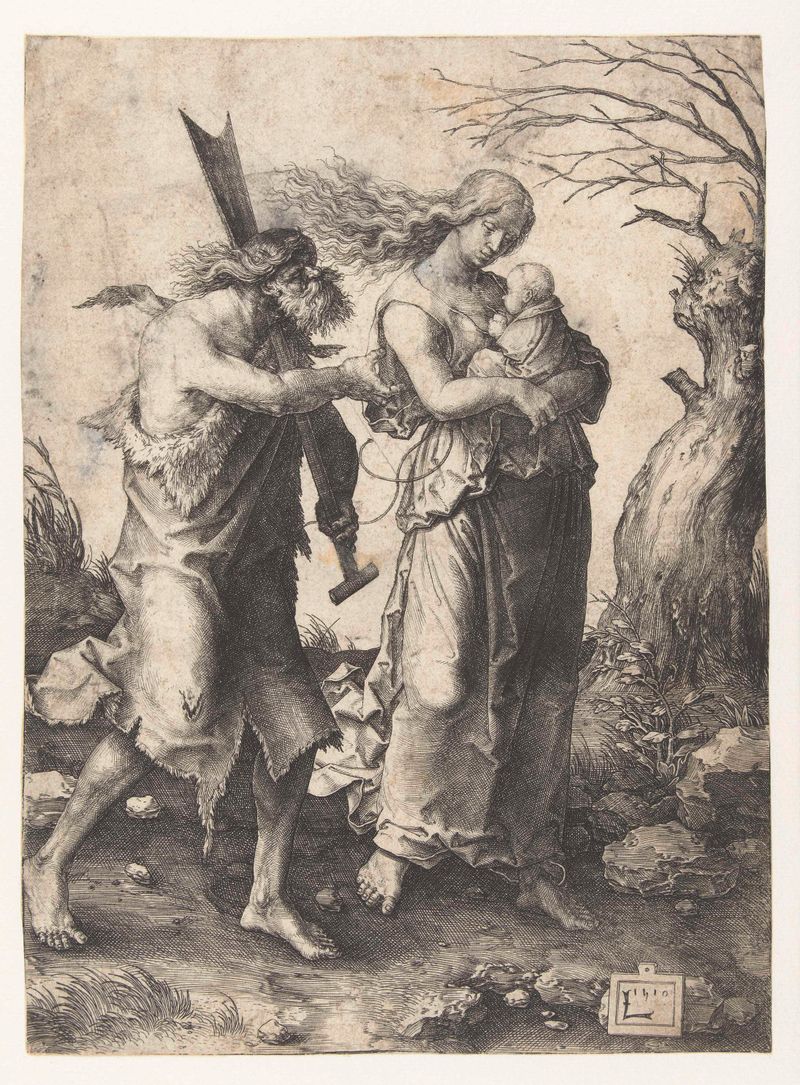
Adam en Eva na de verdrijving uit het paradijs
Lucas van Leyden
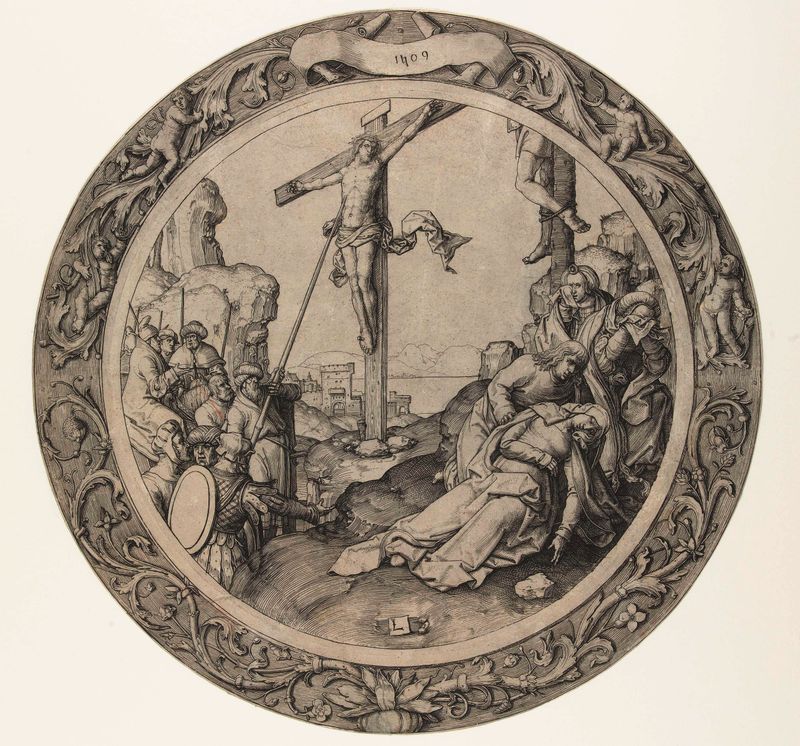
De kruisiging
Lucas van Leyden
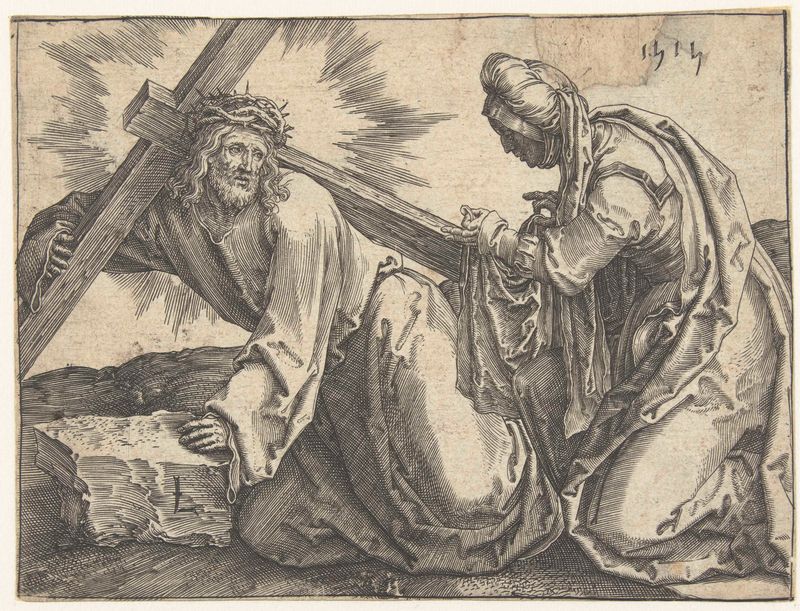
Kruisdraging
Lucas van Leyden
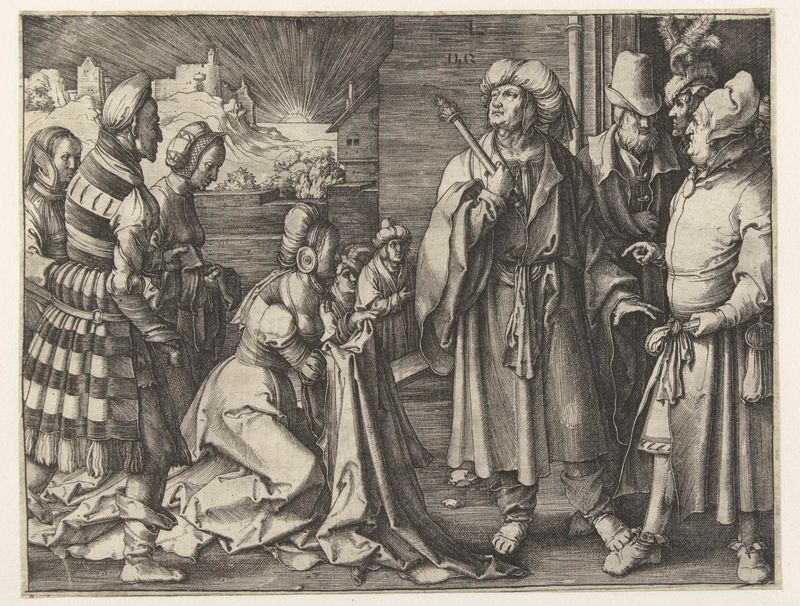
De vrouw van Potifar beschuldigt Jozef
Lucas van Leyden
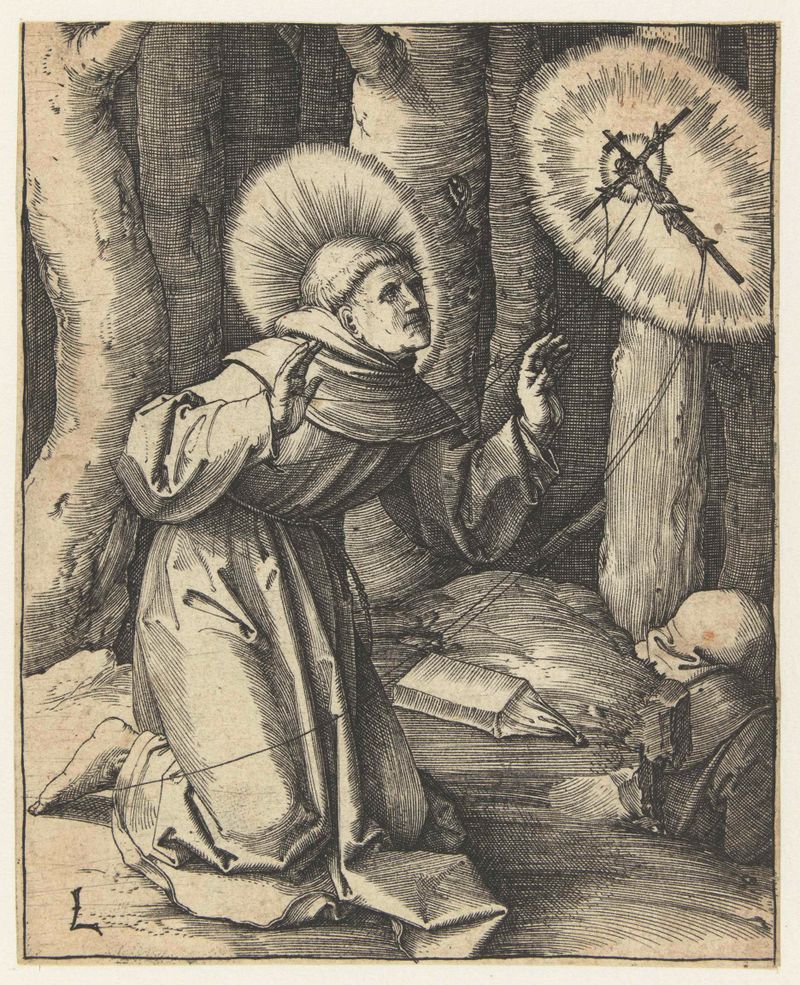
De stigmatisatie van de heilige Franciscus
Lucas van Leyden
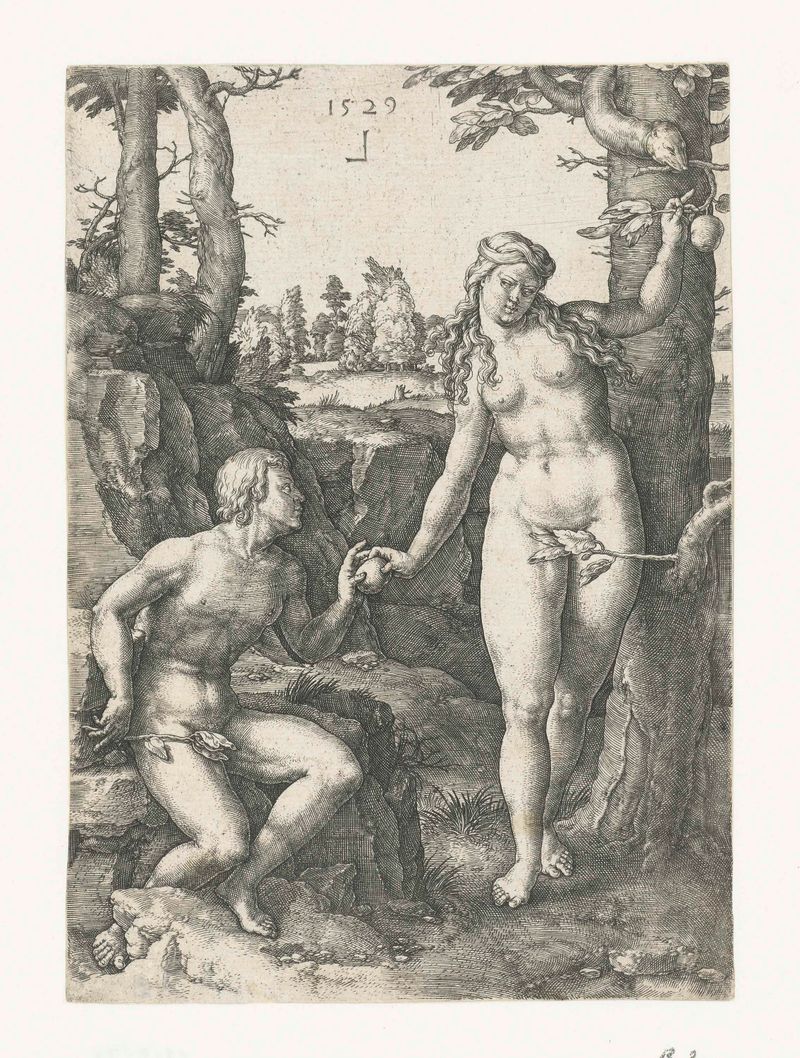
De zondeval
Lucas van Leyden
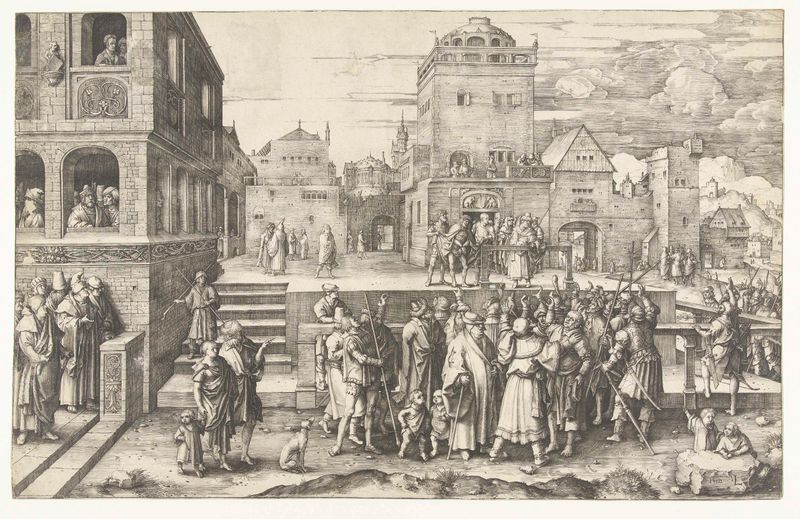
De grote Ecce Homo
Lucas van Leyden
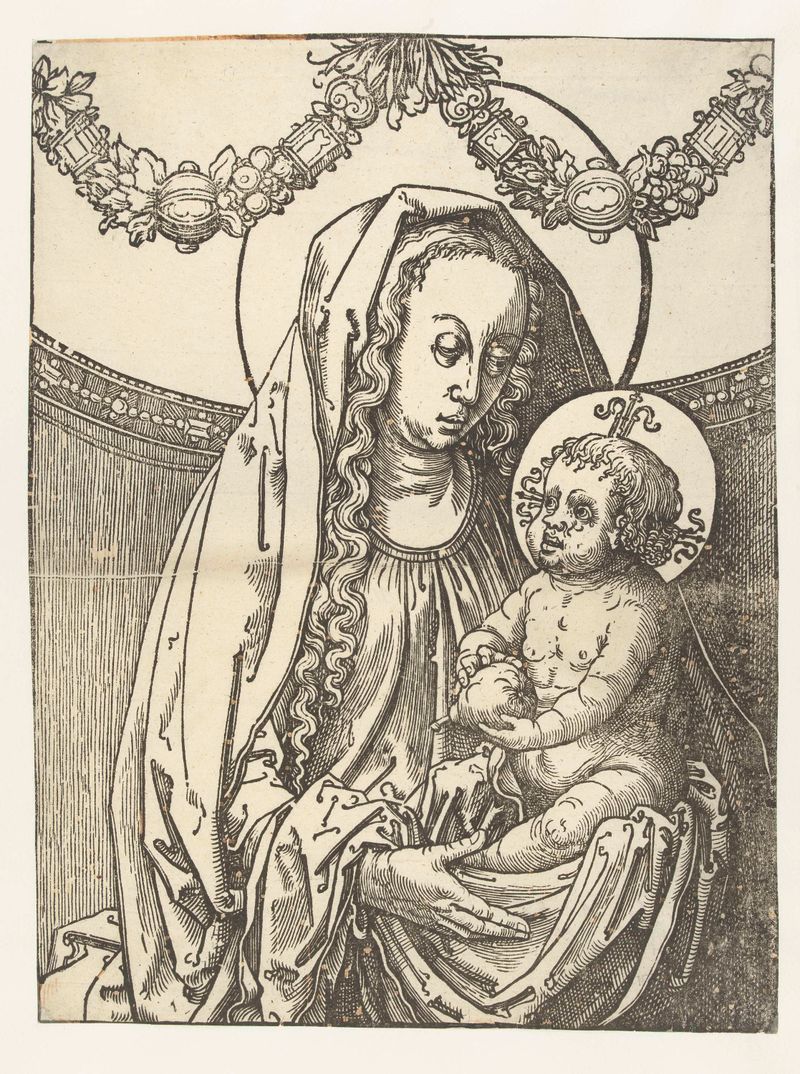
Maria met kind
Lucas van Leyden

Doornenkroning
Lucas van Leyden
More Religious Art
Browse all →
The Return of the Prodigal Son
Rembrandt van Rijn

The Garden of Earthly Delights
El Bosco

Count Orgaz’ funeral
El Greco

The Hundred Guilder Print: the central piece with Christ preaching, the plate arched
Rembrandt van Rijn

The Descent from the Cross
Rogier van der Weyden

The return of the prodigal son
Rembrandt van Rijn