
De helden Jozua, David en Judas de Makkabeeër — History & Facts
What if silence could speak through light? In De helden Jozua, David en Judas de Makkabeeër, grief resonates not in the visible, but in the invisible—the unspoken bonds and shared traumas of its subjects. Look to the left at the somber tones that cloak the figures of Joshua, David, and Judas Maccabee, each one steeped in stoic contemplation. The subdued palette, with its rich browns and deep greens, draws the eye to the interplay of light and shadow, as if the light itself is a reluctant witness to their heavy thoughts. Notice how Van Leyden skillfully employs chiaroscuro, enhancing the emotional weight on their faces while illuminating the glimmers of their armor, symbolizing both their strength and vulnerability.
The meticulous detail in each figure's expression invites the viewer to ponder their own struggles, making the scene resonate with a contemporary audience. The emotional tension in this composition lies in the juxtaposition of heroism and sorrow. Each hero stands not merely as a warrior but as a symbol of sacrifice and the burden of leadership. The faint position of their hands—clenched, yet poised—reveals an urgency veiled by a calm exterior.
Furthermore, the faint background hints at a battlefield, suggesting the tragedies that accompany triumph, a reminder that glory often emerges from the ashes of grief. Lucas van Leyden created this poignant artwork between 1518 and 1522, a time when Europe was undergoing significant religious and social upheaval. As the Reformation stirred new ideologies, Van Leyden found himself at the crossroads of tradition and innovation in the art world. His choice to explore themes of strength entwined with emotional depth reflects not only his own artistic journey but also the larger existential questions facing society during this tumultuous period.
More Artworks by Lucas van Leyden
Browse all →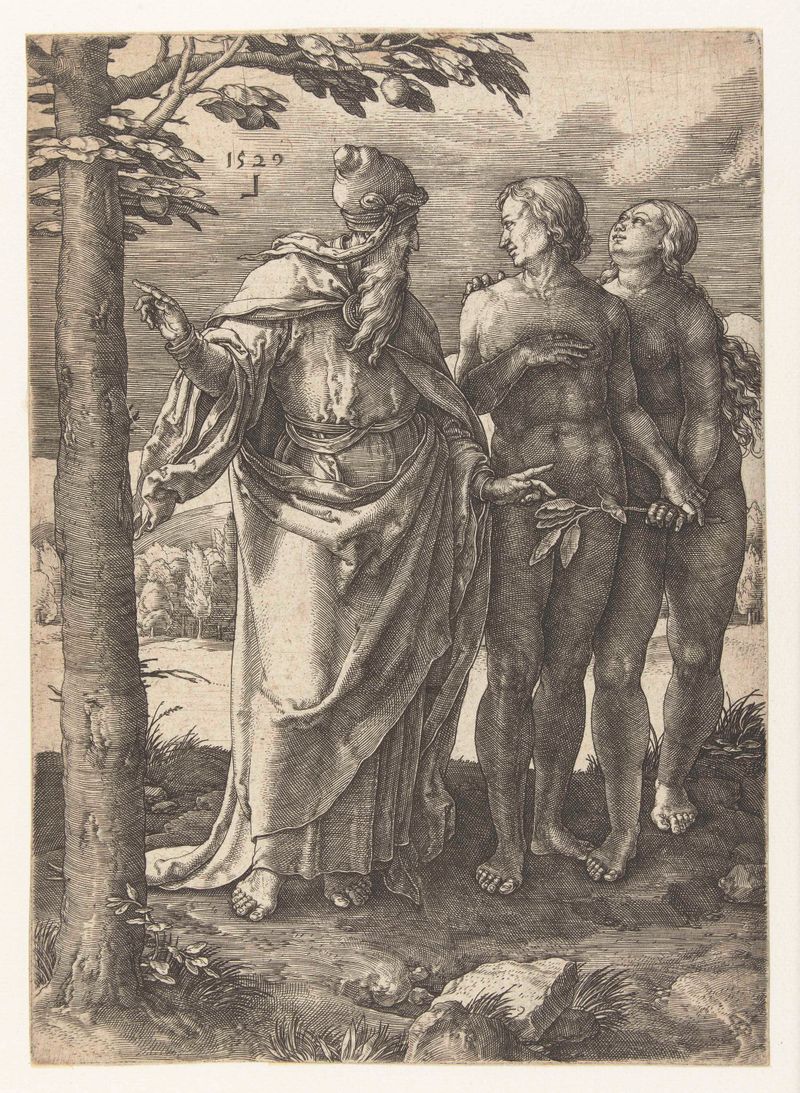
Het eerste verbod
Lucas van Leyden
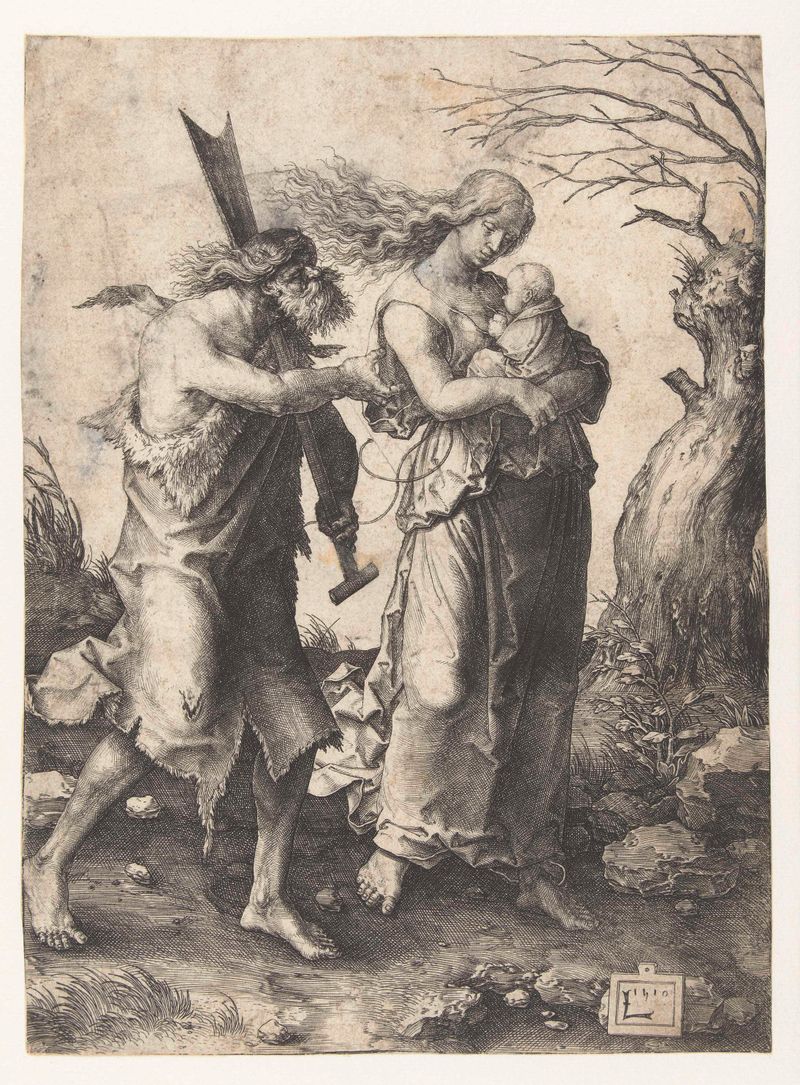
Adam en Eva na de verdrijving uit het paradijs
Lucas van Leyden
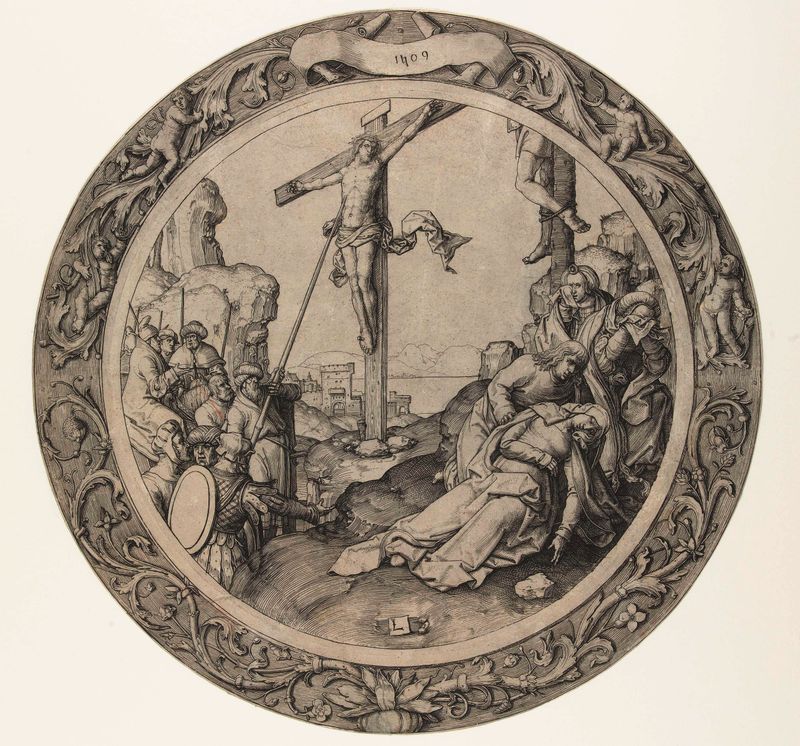
De kruisiging
Lucas van Leyden
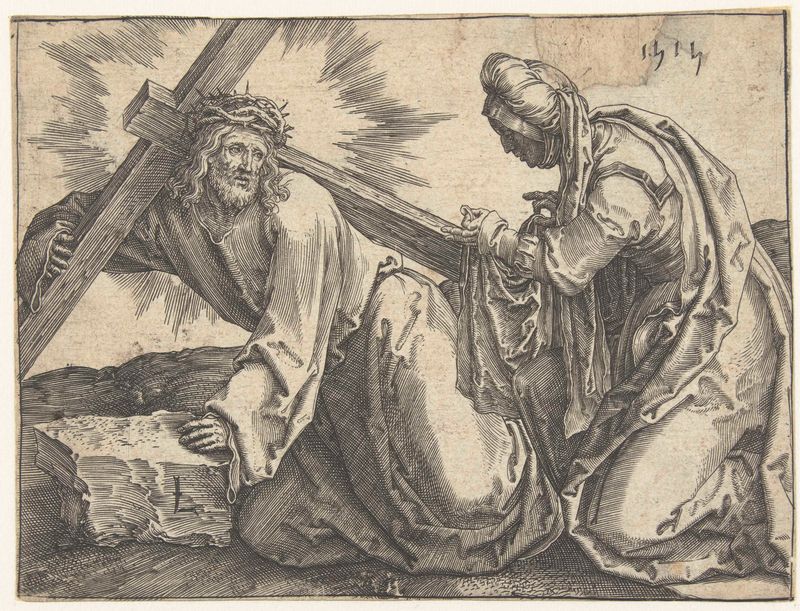
Kruisdraging
Lucas van Leyden
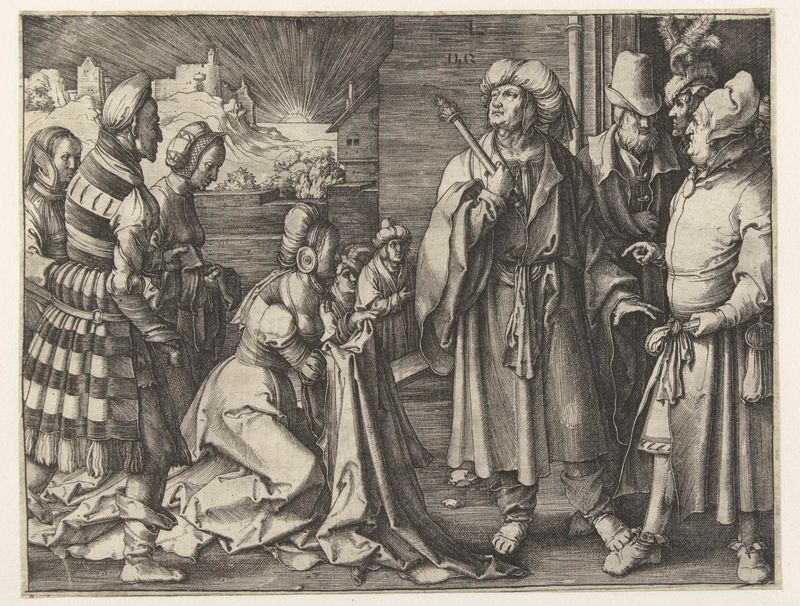
De vrouw van Potifar beschuldigt Jozef
Lucas van Leyden
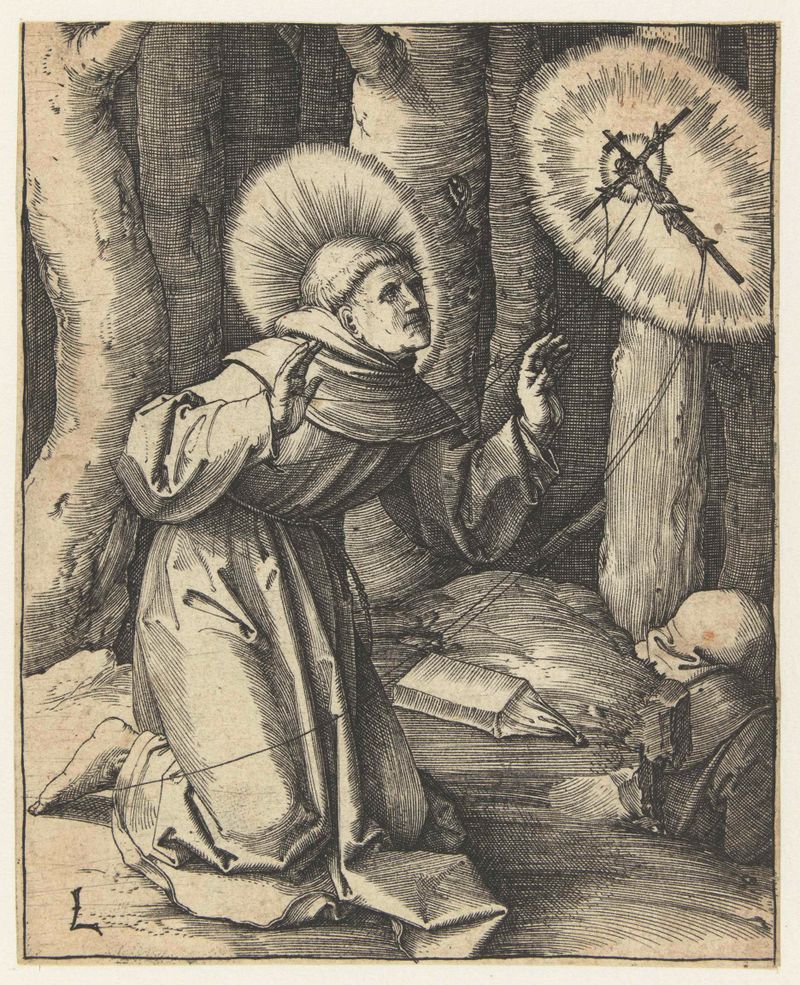
De stigmatisatie van de heilige Franciscus
Lucas van Leyden
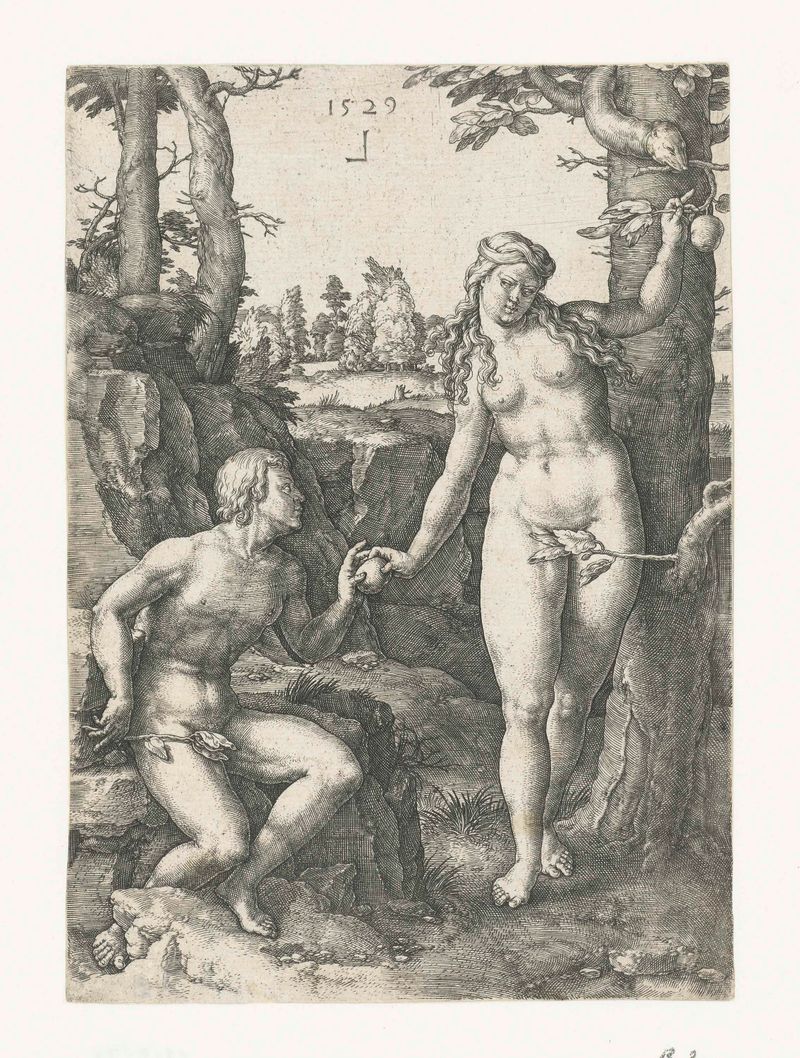
De zondeval
Lucas van Leyden
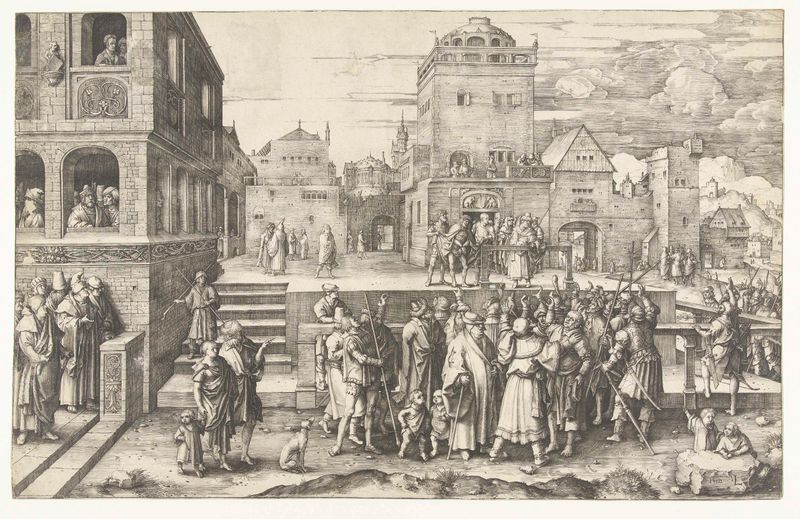
De grote Ecce Homo
Lucas van Leyden
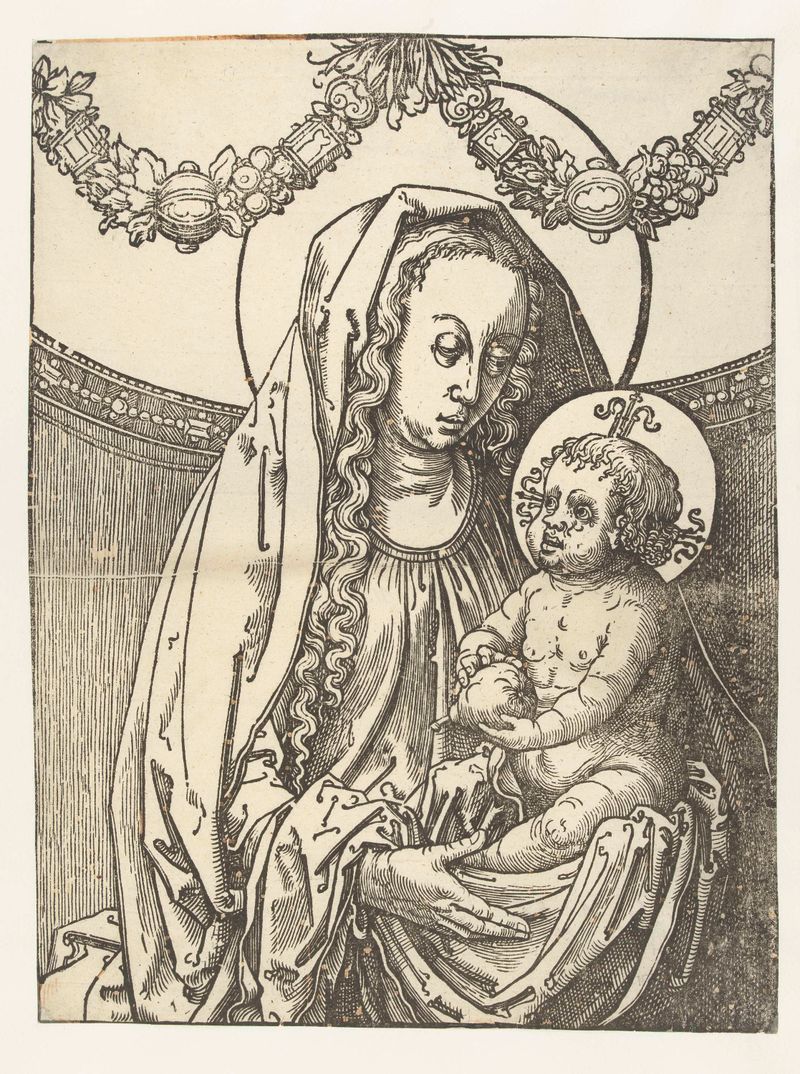
Maria met kind
Lucas van Leyden

Doornenkroning
Lucas van Leyden
More Religious Art
Browse all →
The Return of the Prodigal Son
Rembrandt van Rijn

The Garden of Earthly Delights
El Bosco

Count Orgaz’ funeral
El Greco

The Hundred Guilder Print: the central piece with Christ preaching, the plate arched
Rembrandt van Rijn

The Descent from the Cross
Rogier van der Weyden

The return of the prodigal son
Rembrandt van Rijn