
De helden Jozua, David en Judas de Makkabeeër — History & Facts
What if beauty was never meant to be finished? In the intricate tapestry of De helden Jozua, David en Judas de Makkabeeër, shadows dance with light, revealing not only the forms of heroes but also the weight of their legacies. Look closely at the center of the composition, where the figures of Joshua, David, and Judas Maccabeus stand resolute. Notice how the light caresses their armor, accentuating each meticulously rendered detail. While the background fades into softer hues, the intensity of their postures commands attention.
The delicate interplay of shadow and light creates a palpable tension, inviting the viewer to ponder the burdens these heroes carry. Beneath their heroic exteriors lies a profound contrast: the glory of their achievements juxtaposed with the inevitable shadows of sacrifice. Each character holds a story marked by struggle; Joshua wields his sword with a sense of duty, David's gaze captures a moment of introspection, and Judas represents a fierce determination against tyranny. These subtle expressions and the careful arrangement of figures suggest that heroism is not merely an act of valor but also an acceptance of the shadows that follow. Lucas van Leyden painted this notable work between 1518 and 1522, during a time when the Northern Renaissance was flourishing.
He was influenced by both humanism and the emerging styles of the Italian Renaissance. In this period, he sought to encapsulate not just the outward beauty of his subjects but the deeper narratives of moral complexity and duty in the face of adversity—an exploration as relevant today as it was then.
More Artworks by Lucas van Leyden
Browse all →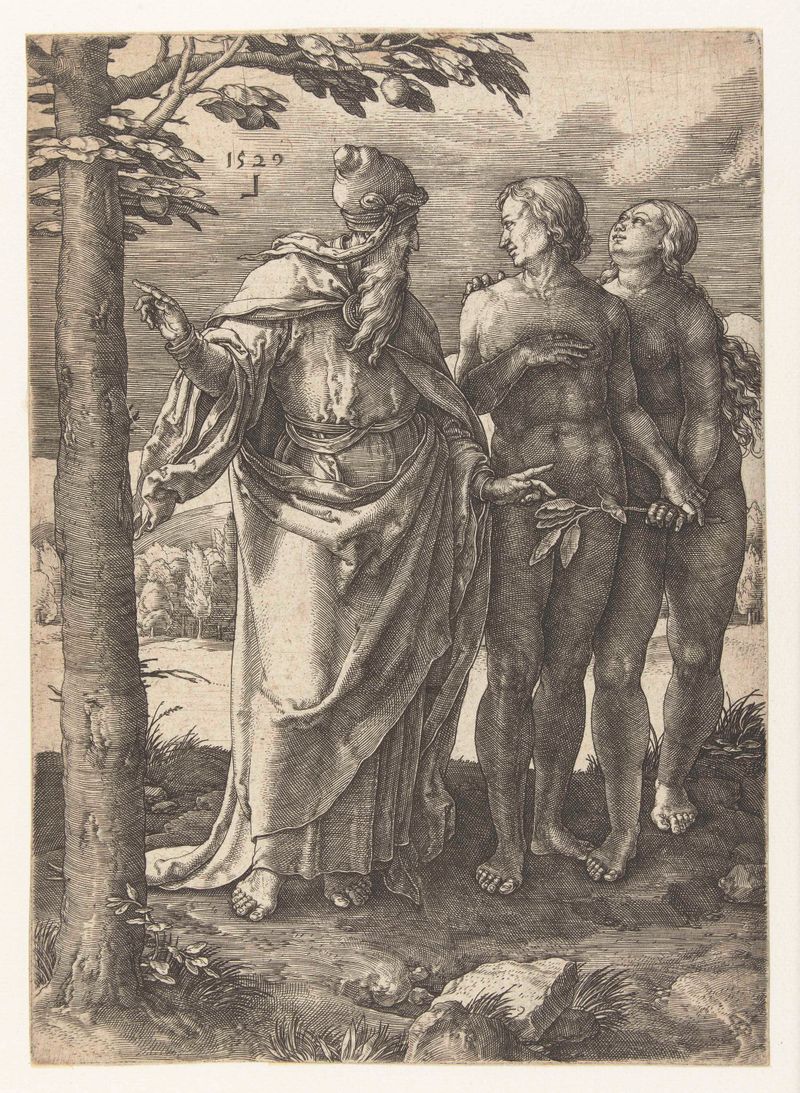
Het eerste verbod
Lucas van Leyden
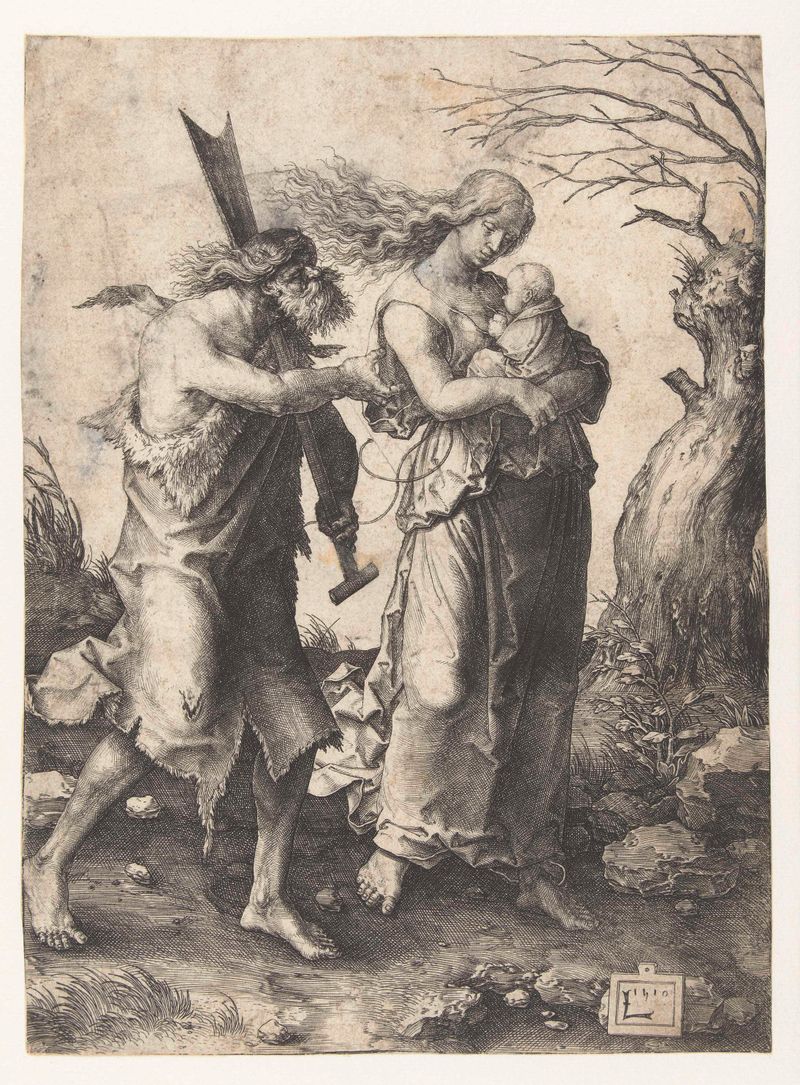
Adam en Eva na de verdrijving uit het paradijs
Lucas van Leyden
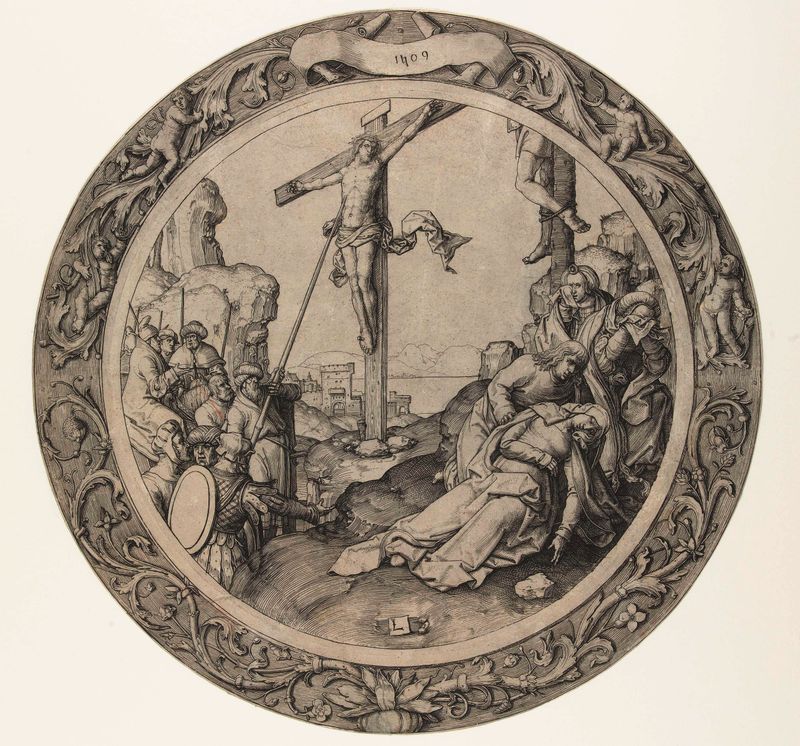
De kruisiging
Lucas van Leyden
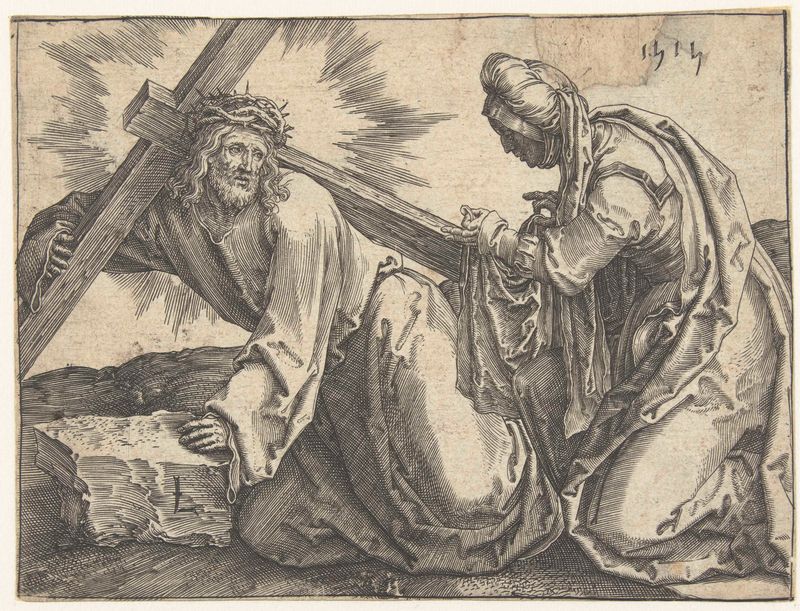
Kruisdraging
Lucas van Leyden
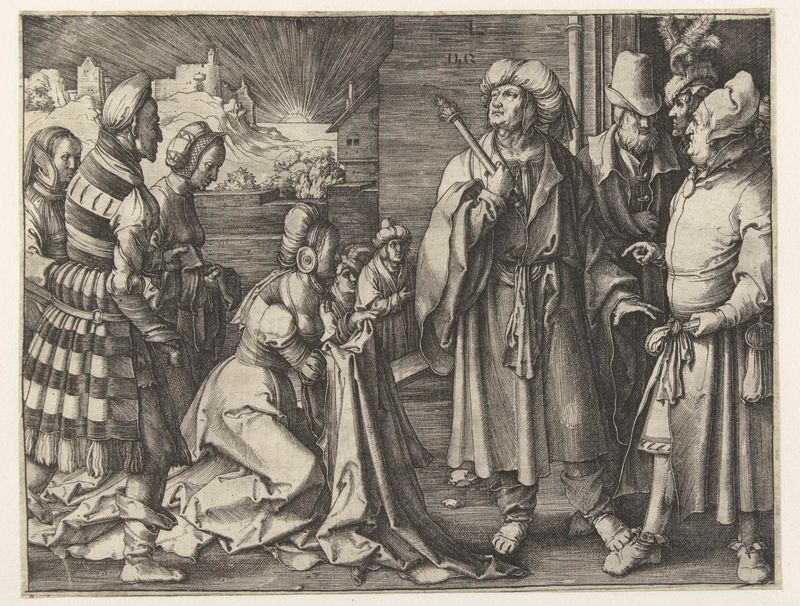
De vrouw van Potifar beschuldigt Jozef
Lucas van Leyden
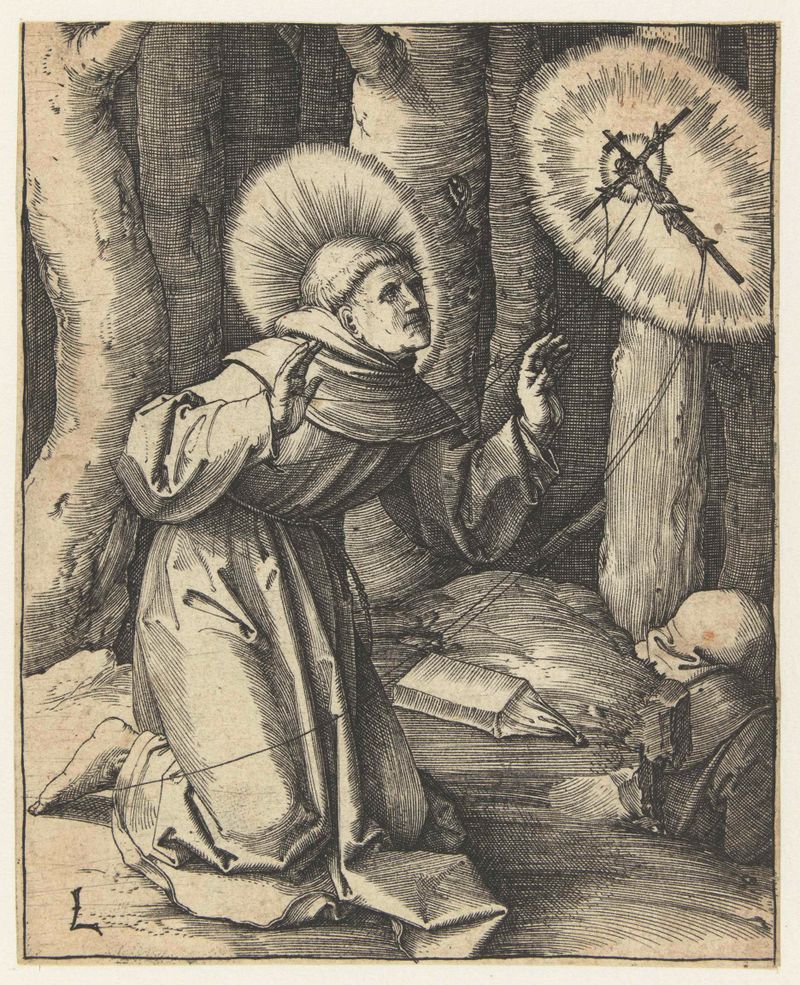
De stigmatisatie van de heilige Franciscus
Lucas van Leyden
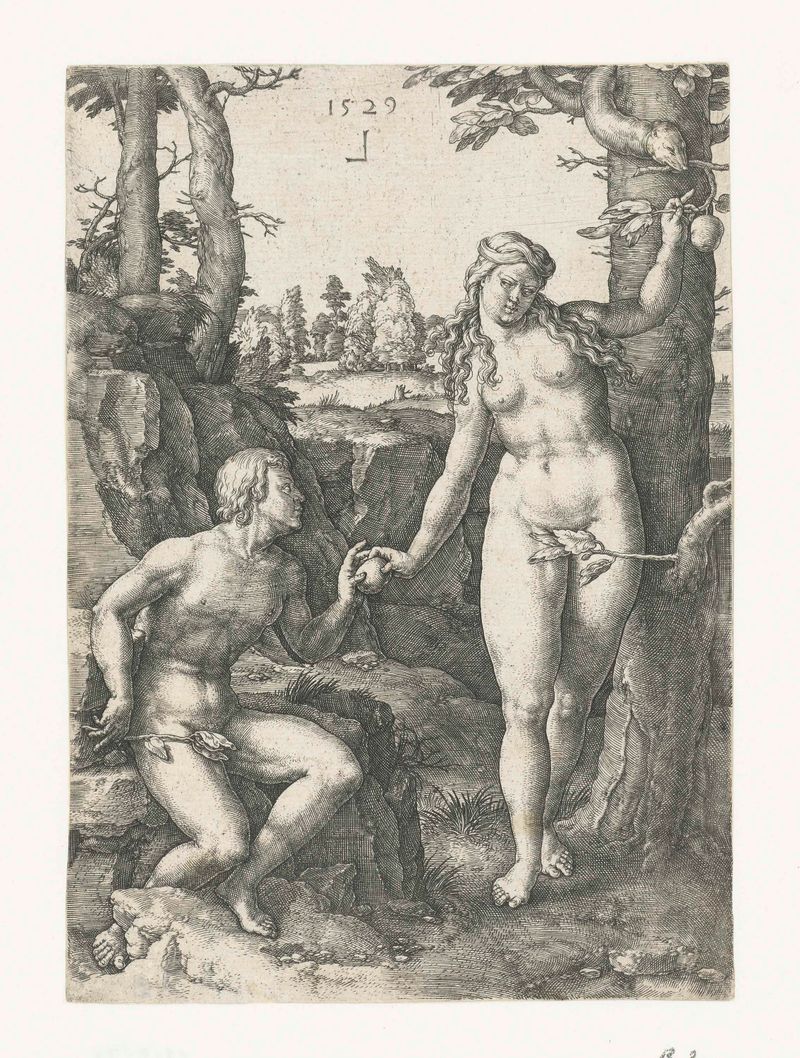
De zondeval
Lucas van Leyden
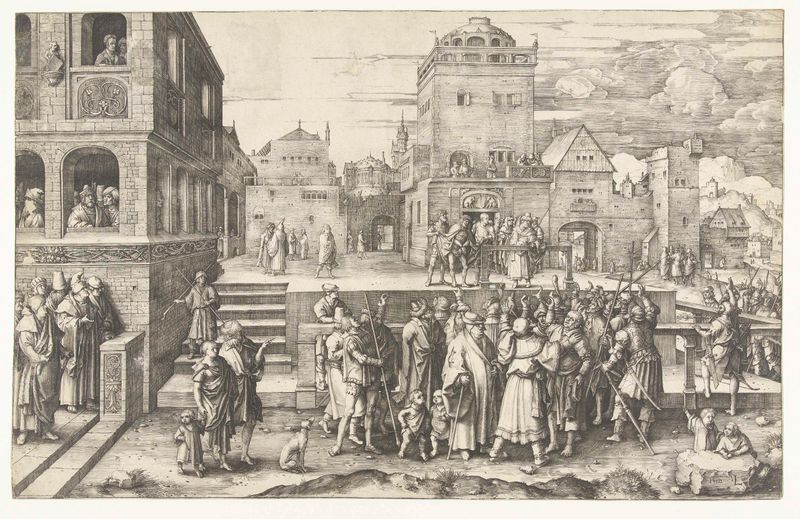
De grote Ecce Homo
Lucas van Leyden
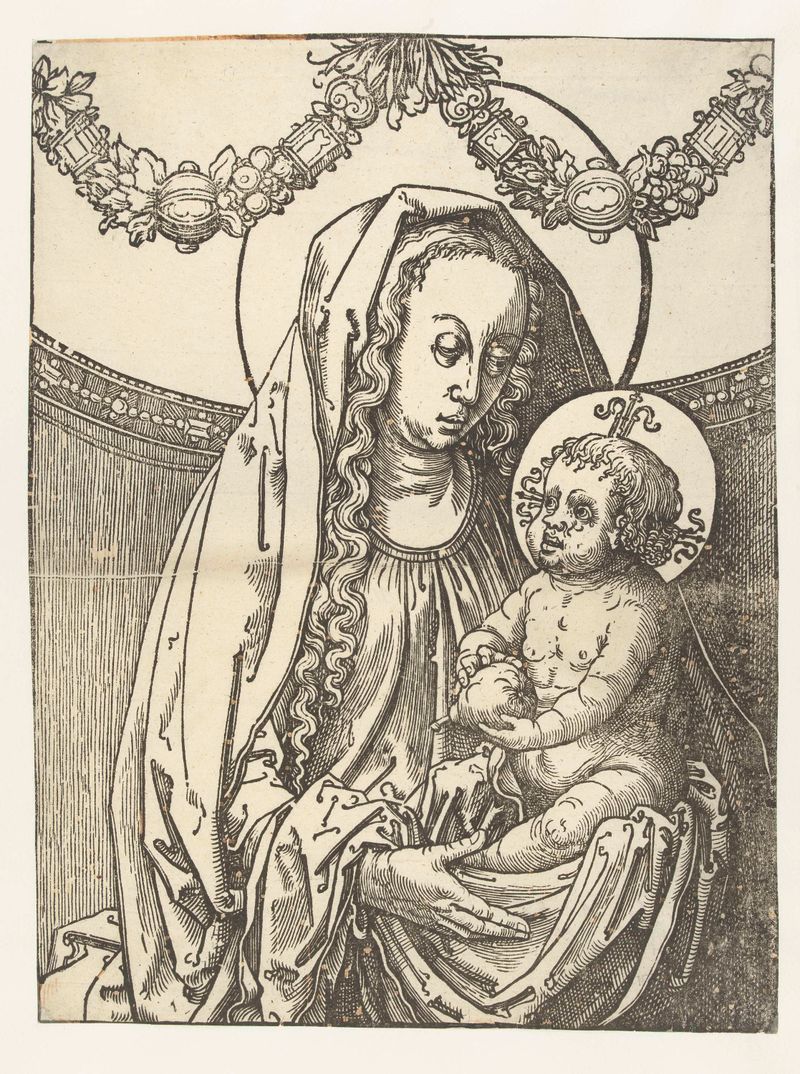
Maria met kind
Lucas van Leyden

Doornenkroning
Lucas van Leyden
More Historical Art
Browse all →
The Night Watch Militia Company of District II under the Command of Captain Frans Banninck Cocq
Rembrandt van Rijn

Lincoln Memorial
Henry Bacon

The Third of May 1808
Francisco de Goya

Isaac and Rebecca, Known as ‘The Jewish Bride’
Rembrandt van Rijn

The Charge of the Mamelukes (1814)
Francisco de Goya

De vier ruiters van de apocalyps
Albrecht Dürer