
De hellevaart van Christus — History & Facts
Who listens when art speaks of silence? In De hellevaart van Christus, a profound stillness envelops the scene, inviting contemplation as it teeters on the edge of worldly and divine. Look to the center, where Christ, adorned in a tattered cloth, stands against an ethereal backdrop, his expression one of quiet resignation. Notice how the soft light bathes his figure, highlighting the contours of his body while the surrounding shadows envelop the space with an almost tangible weight. The blend of muted earth tones with hints of luminescent blues creates a striking contrast, guiding the viewer’s gaze and establishing a dialogue between hope and despair. Hidden within the composition are layers of emotional tension.
The figures surrounding Christ, each lost in their own expressions of grief or contemplation, illustrate a profound connection to the themes of redemption and sacrifice. The illusion of depth—achieved through meticulous perspective—adds to the otherworldliness, suggesting that this moment exists both in time and beyond it. The juxtaposition of Christ’s serene demeanor against the chaos of his followers’ emotions speaks to the duality of despair and tranquility. Created in 1521, De hellevaart van Christus emerged during a time of great religious upheaval and transformation in Europe.
Lucas van Leyden, a master of printmaking and painting, was exploring the intersection of faith and human experience, reflecting the evolving artistic landscape of the Northern Renaissance. His work showcases the burgeoning interest in realism while still conveying spiritual narratives, resonating with a society grappling with the shadows of doubt and belief.
More Artworks by Lucas van Leyden
Browse all →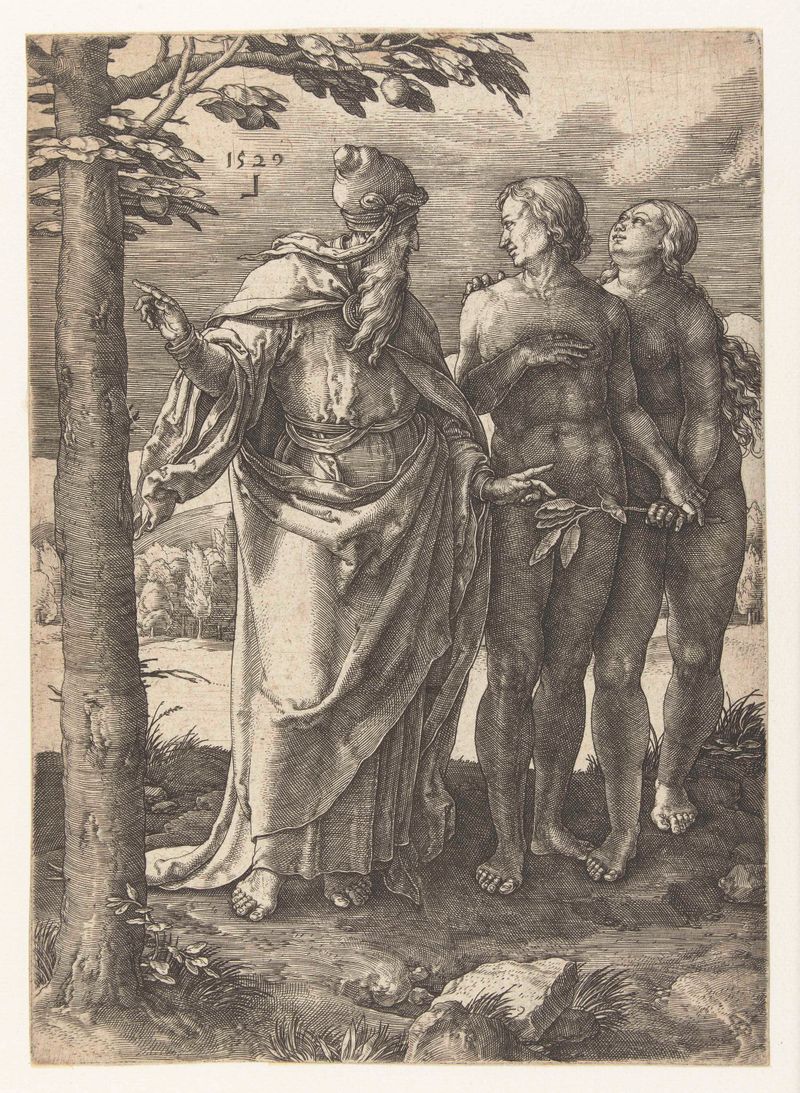
Het eerste verbod
Lucas van Leyden
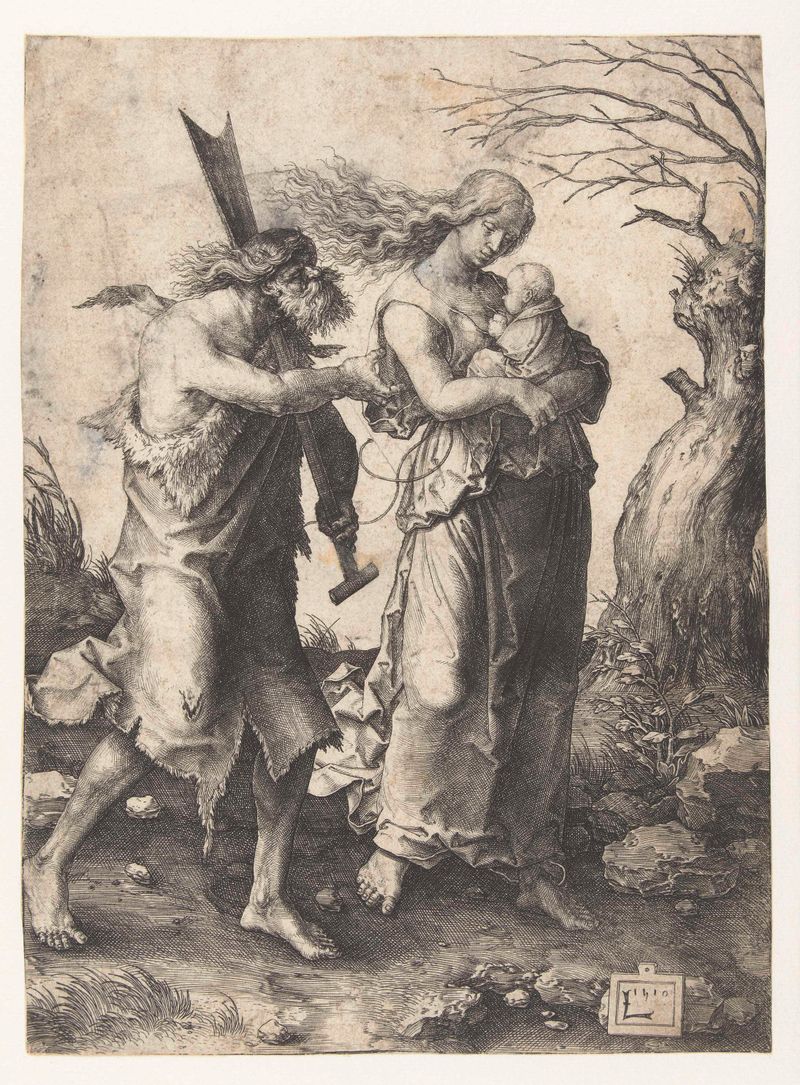
Adam en Eva na de verdrijving uit het paradijs
Lucas van Leyden
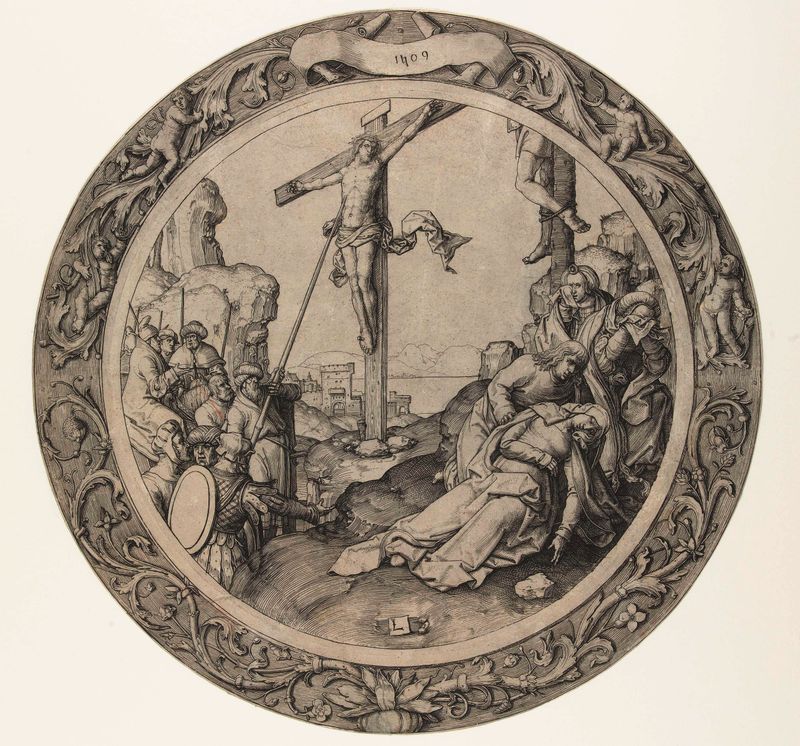
De kruisiging
Lucas van Leyden
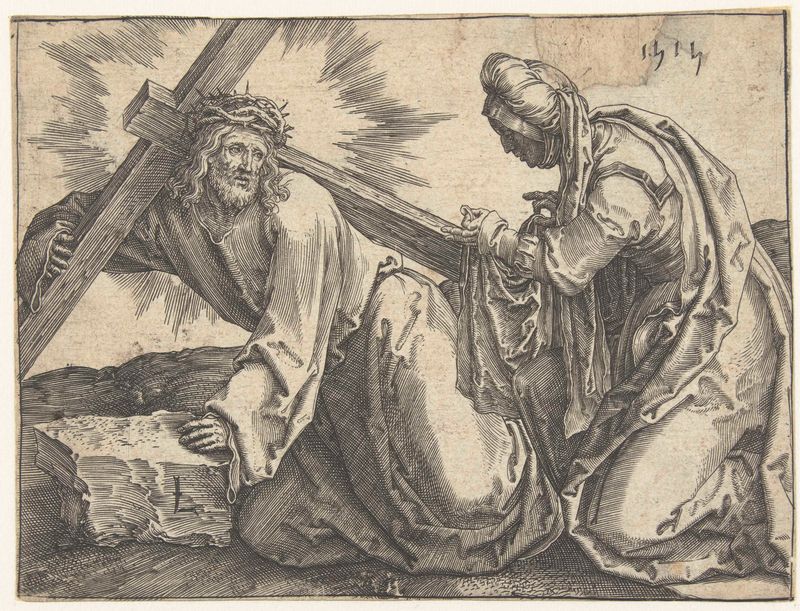
Kruisdraging
Lucas van Leyden
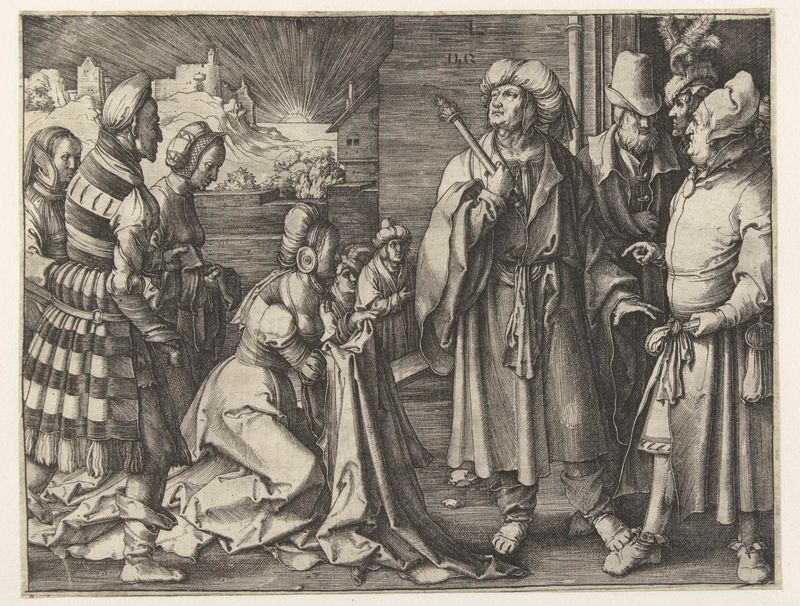
De vrouw van Potifar beschuldigt Jozef
Lucas van Leyden
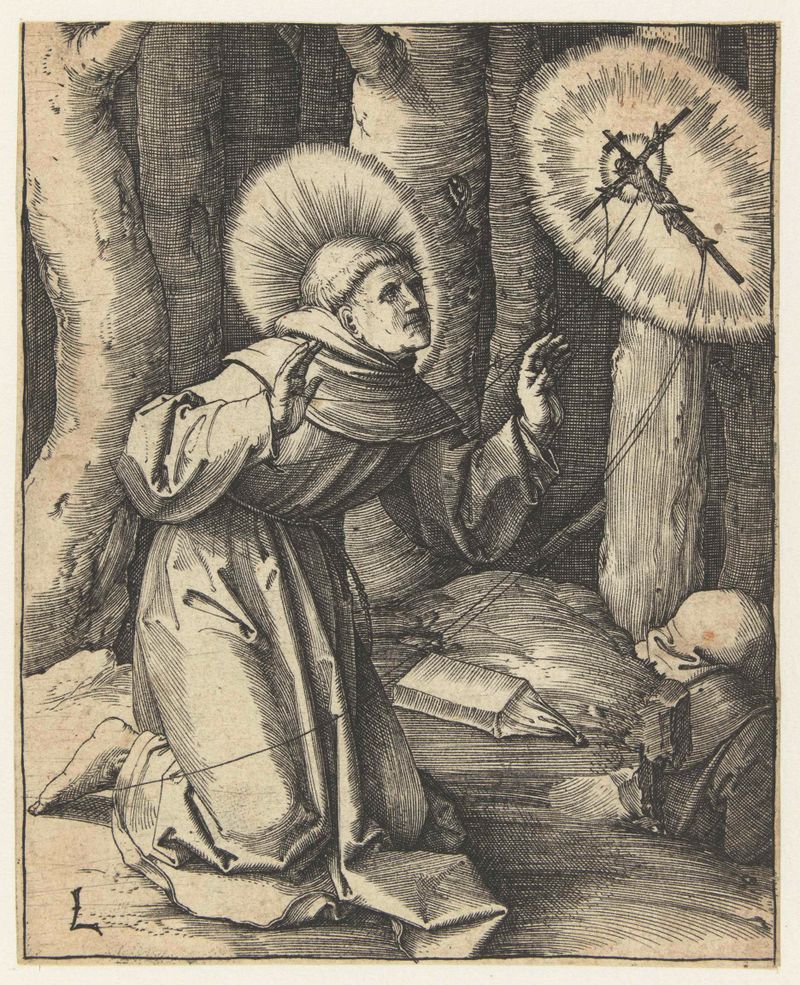
De stigmatisatie van de heilige Franciscus
Lucas van Leyden
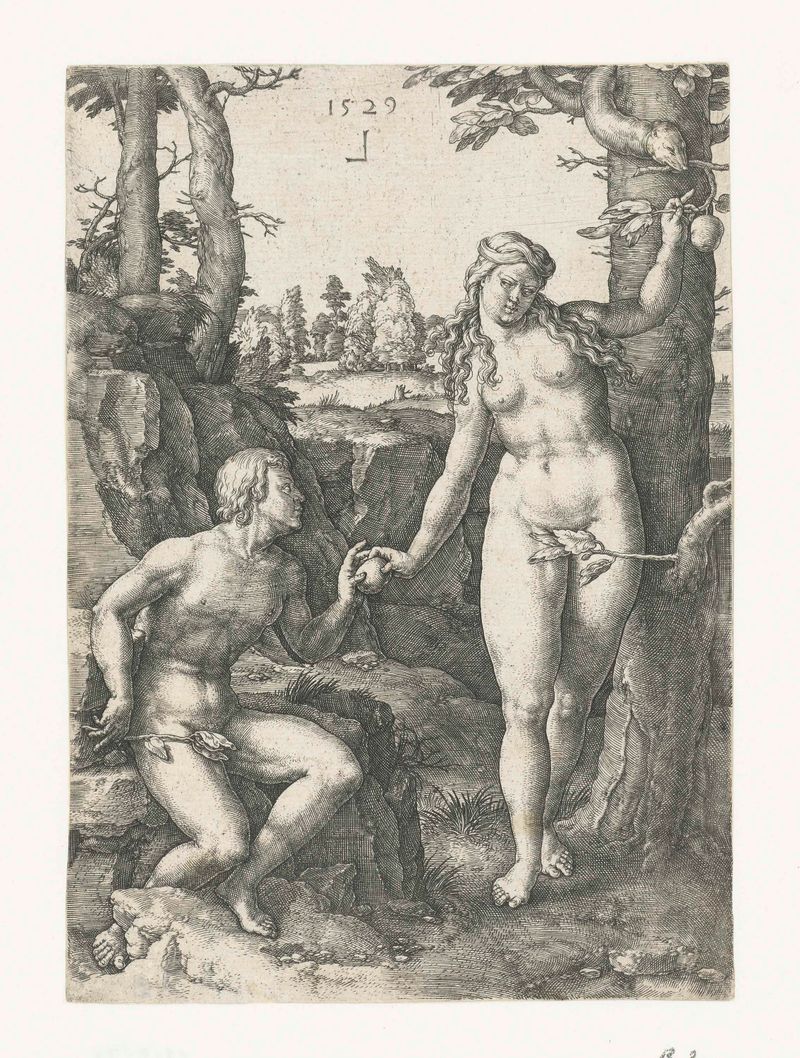
De zondeval
Lucas van Leyden
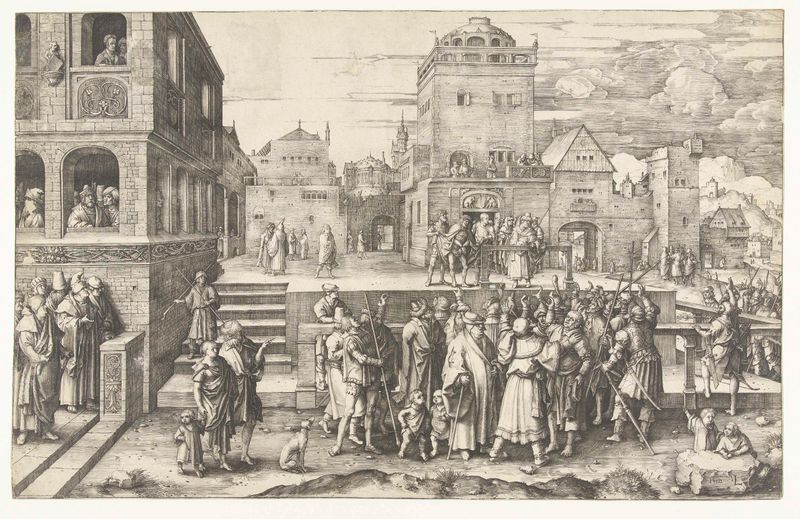
De grote Ecce Homo
Lucas van Leyden
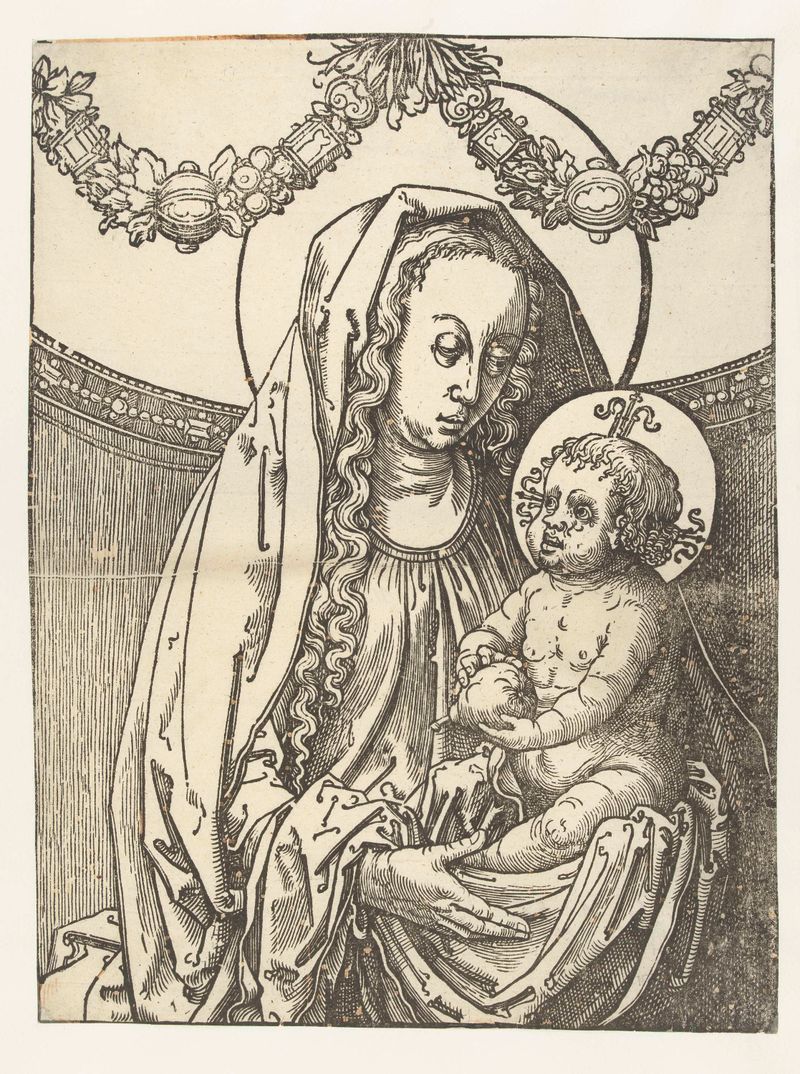
Maria met kind
Lucas van Leyden

Doornenkroning
Lucas van Leyden
More Religious Art
Browse all →
The Return of the Prodigal Son
Rembrandt van Rijn

The Garden of Earthly Delights
El Bosco

Count Orgaz’ funeral
El Greco

The Hundred Guilder Print: the central piece with Christ preaching, the plate arched
Rembrandt van Rijn

The Descent from the Cross
Rogier van der Weyden

The return of the prodigal son
Rembrandt van Rijn