
De houthakker (Le bûcheron) — History & Facts
Who listens when art speaks of silence? Within the stillness of nature, the hushed symphony of woodlands unfolds, where movement breathes life into every brushstroke. Look to the left, where the figure of the woodcutter stands poised, axe raised mid-swing, his muscular form framed by towering trees. The sunlight filters through the dense canopy above, casting dappled shadows across the forest floor that dance in rhythm with his exertion. Notice how the earthy palette of greens and browns envelops the scene, grounding the intensity of labor with the tranquility of the surrounding wilderness.
Each detail, from the texture of the bark to the glistening sweat on the man's brow, invites you into the very essence of his toil. Yet, within this captured moment, a deeper narrative unfolds. The contrast between the strength of the woodcutter and the stillness of the forest speaks to the tension between humanity and nature. The very act of chopping wood becomes a dialogue—one of survival, yet also of intrusion.
Observe the way the light plays along the edges, illuminating the woodcutter’s focus while the deeper shadows obscure the forest's secrets, hinting at a world that exists beyond this moment of labor. In 1863, while immersed in the landscapes of Barbizon, Rousseau painted this work as part of a burgeoning movement toward realism in art. The period was marked by a shift from the romanticized depictions of nature to a more grounded representation, reflecting the artist's desire to capture the life around him authentically. The world was changing, and so too was the role of the artist, as they began to confront the raw truths of existence through their brush.
More Artworks by Théodore Rousseau
Browse all →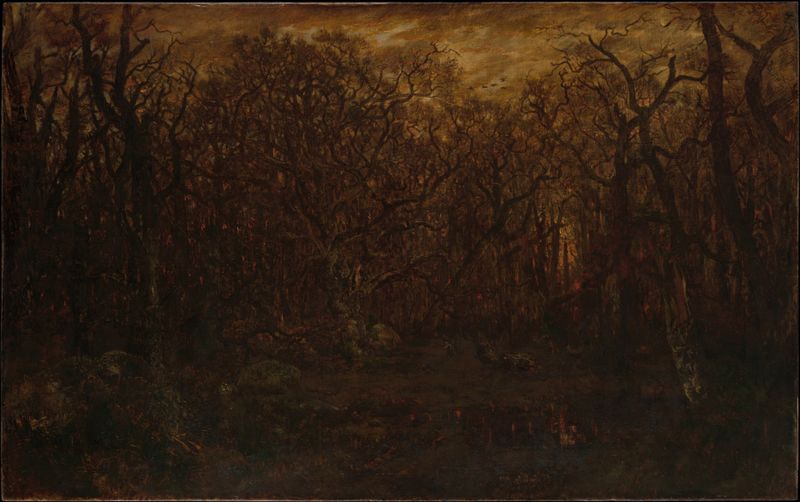
The Forest in Winter at Sunset
Théodore Rousseau
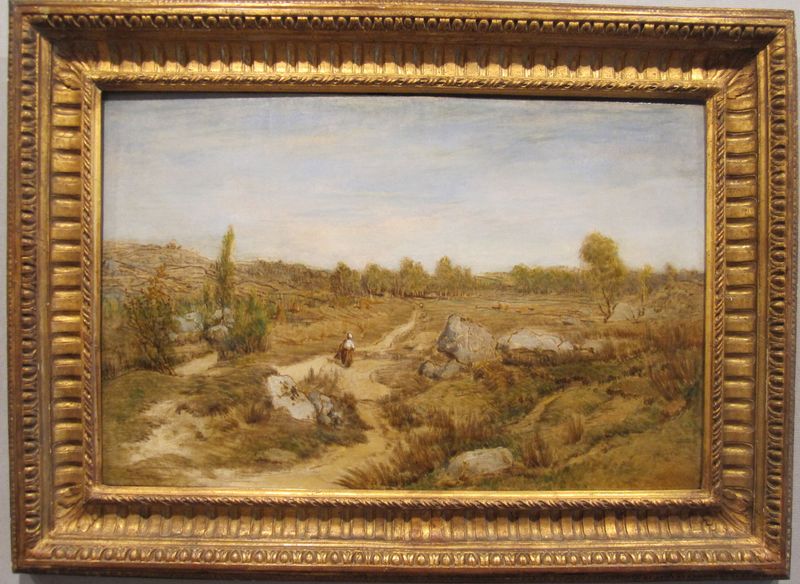
Valley of the Rouars in the Gorges d’Apremont
Théodore Rousseau
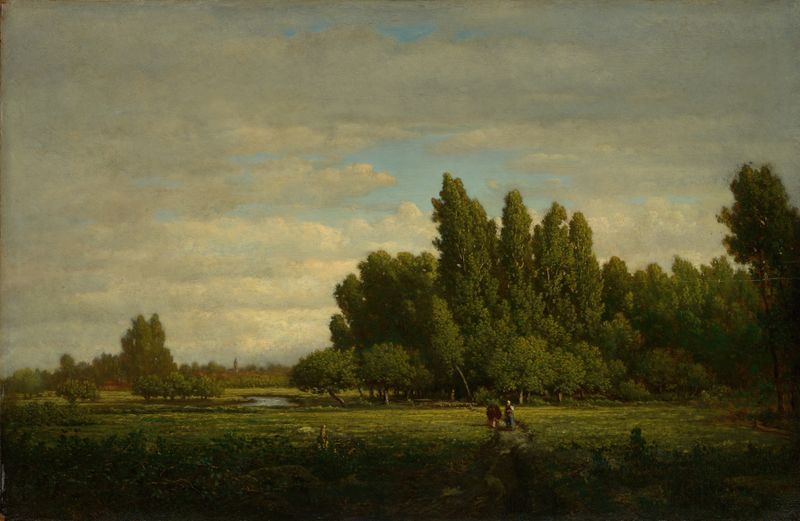
A Meadow Bordered by Trees
Théodore Rousseau
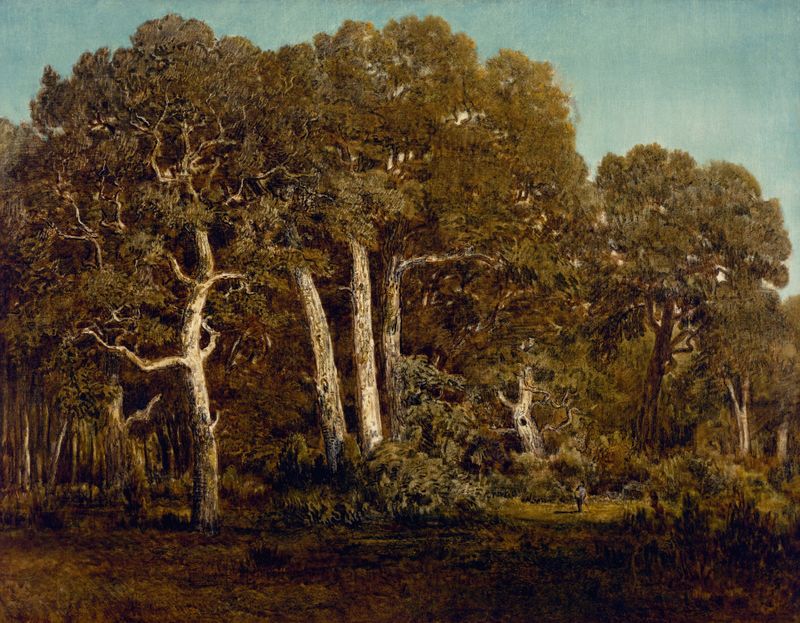
The Great Oaks of Old Bas-Bréau
Théodore Rousseau
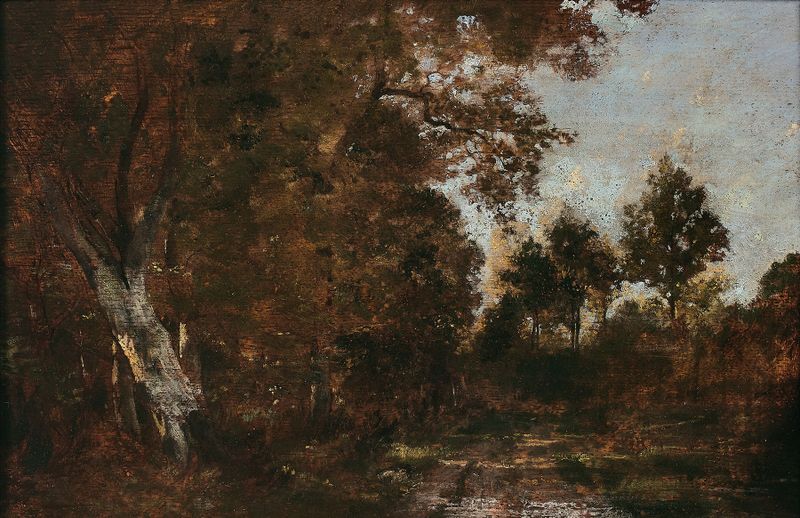
Paysage de sous-bois
Théodore Rousseau
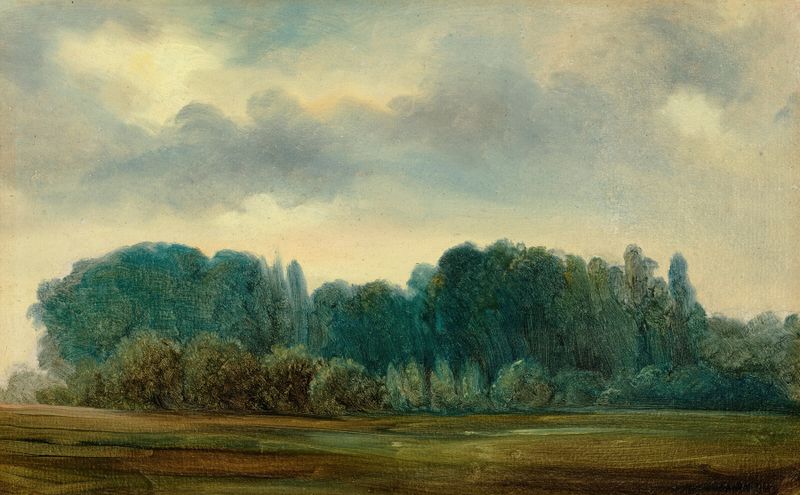
Paysage
Théodore Rousseau
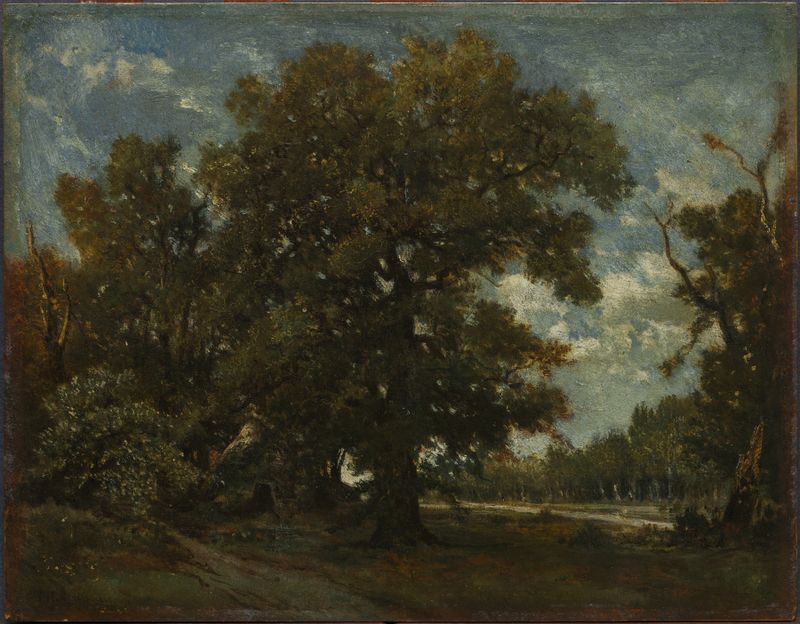
The Oak Tree
Théodore Rousseau
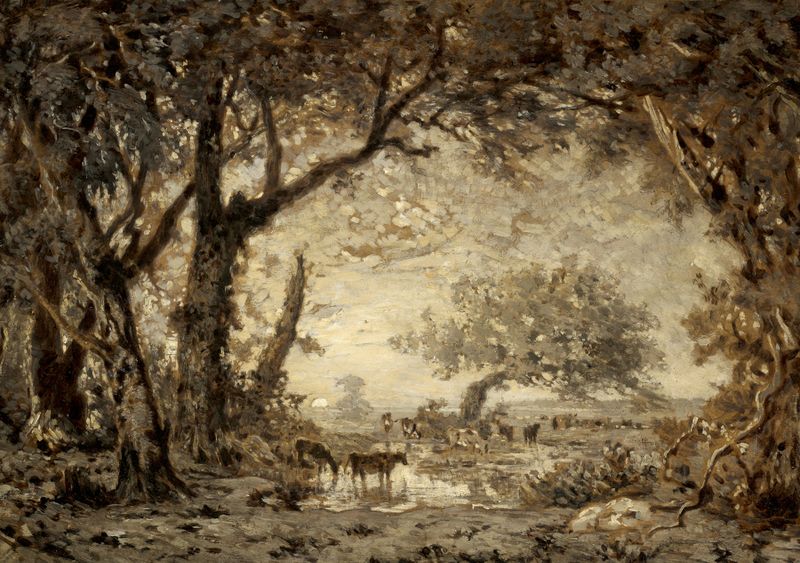
Sunset from the Forest of Fontainebleau
Théodore Rousseau
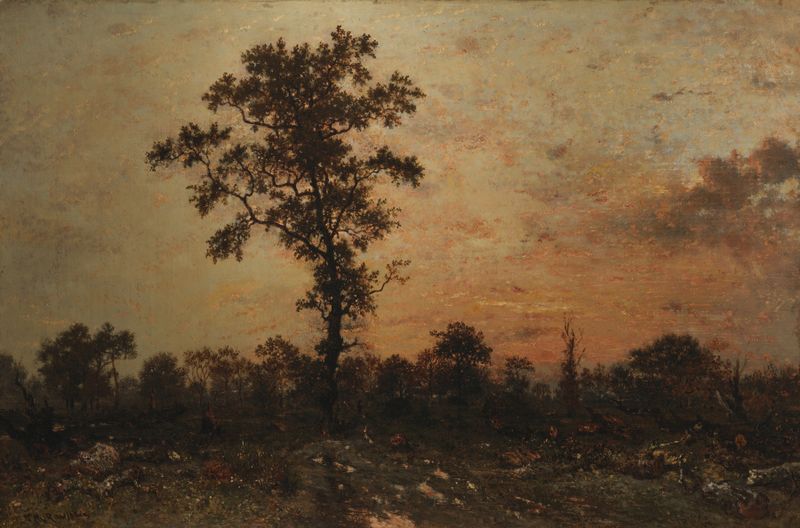
Edge of the Forest, Sun Setting
Théodore Rousseau
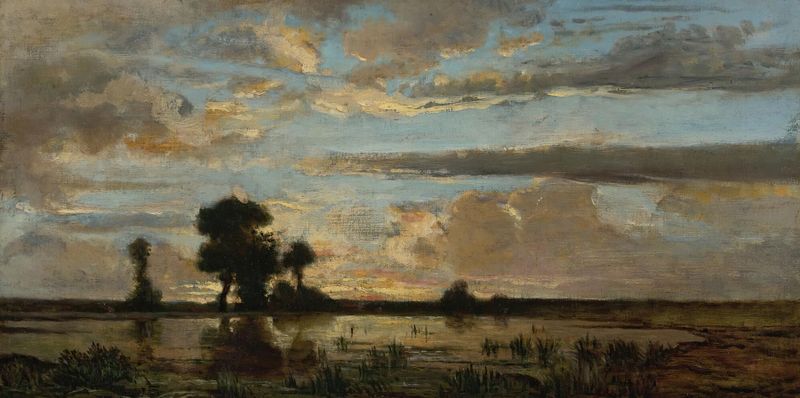
Soleil Couchant
Théodore Rousseau





