
De intocht in Jerusalem — History & Facts
In that anticipation lies the essence of destiny, a thread woven through the fabric of time and art. How does one capture a moment that foretells a future so profound, yet tinged with uncertainty? Look to the center, where figures clad in vibrant hues march with purpose, their gazes a blend of hope and solemnity. The intricate details of their attire reveal the rich textiles of the era, the deep blues and golds catching the light as if imbued with prophecy.
Notice how the arches of the ancient city loom in the background, their majestic presence a silent witness to the unfolding drama. Every brushstroke pulsates with a rhythm that echoes the heartbeats of those participating in the procession. Within this vibrant tableau lies a tapestry of contrasts — the joy of celebration juxtaposed against the shadow of foreboding. Each face tells a story, a silent narrative of individual hopes and collective aspirations.
The crowd’s lively gestures seem to clash with the stillness of the architecture, hinting at the duality of human experience: the joy of arrival and the weight of destiny awaiting just beyond the horizon. Created in 1503, this piece emerged during a transformative period for the artist, who was heavily influenced by the burgeoning Northern Renaissance. Working in Delft, they engaged with the cultural shifts of the time, exploring themes of faith and community. As the world turned toward humanism and the complexities of existence, this work stands as a testament to both the artist's skill and the profound questions that art seeks to explore.
More Artworks by Master of Delft
Browse all →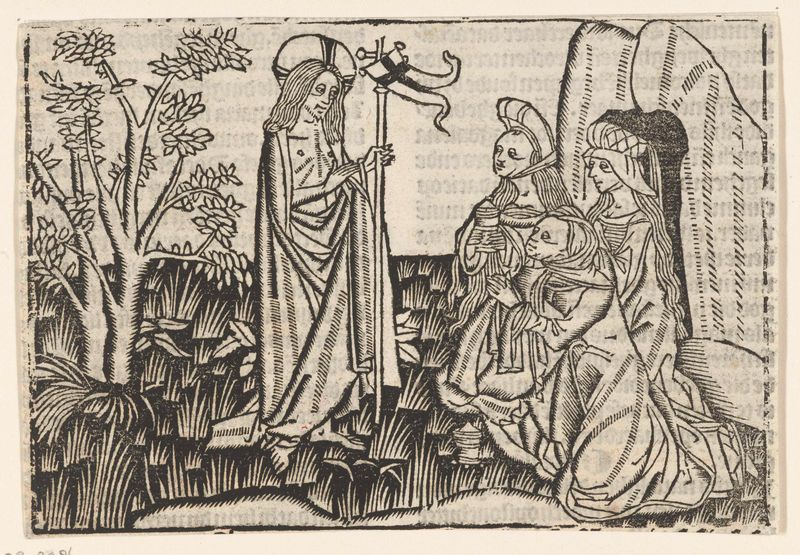
Christus verschijnt aan de drie Maria's
Master of Delft
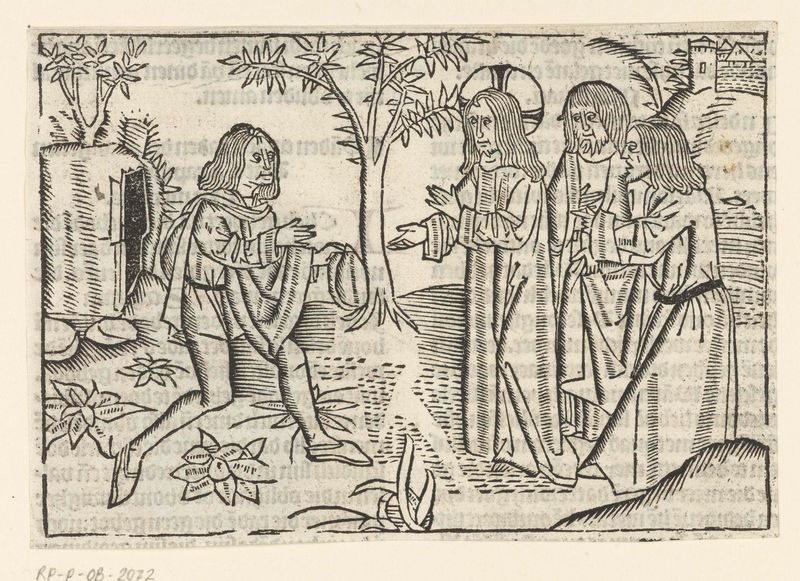
Christus en de rijke jongeling
Master of Delft
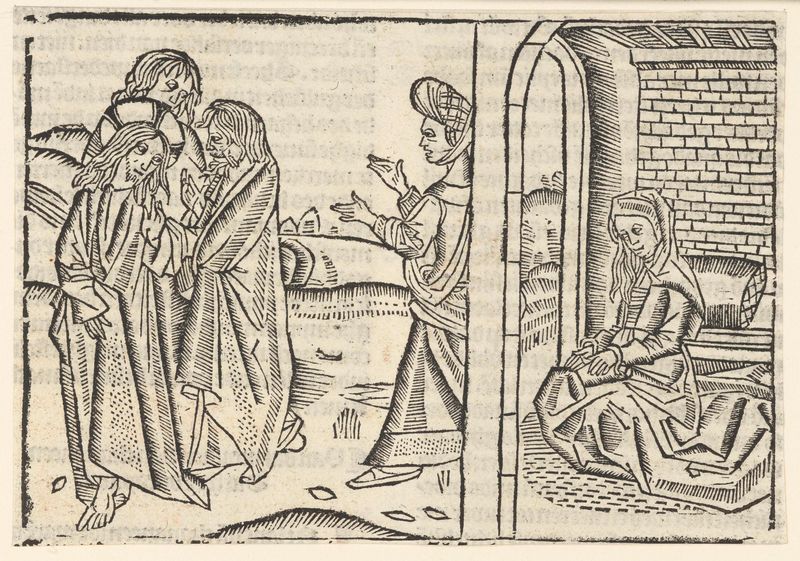
Christus en de Kanaänitische vrouw
Master of Delft
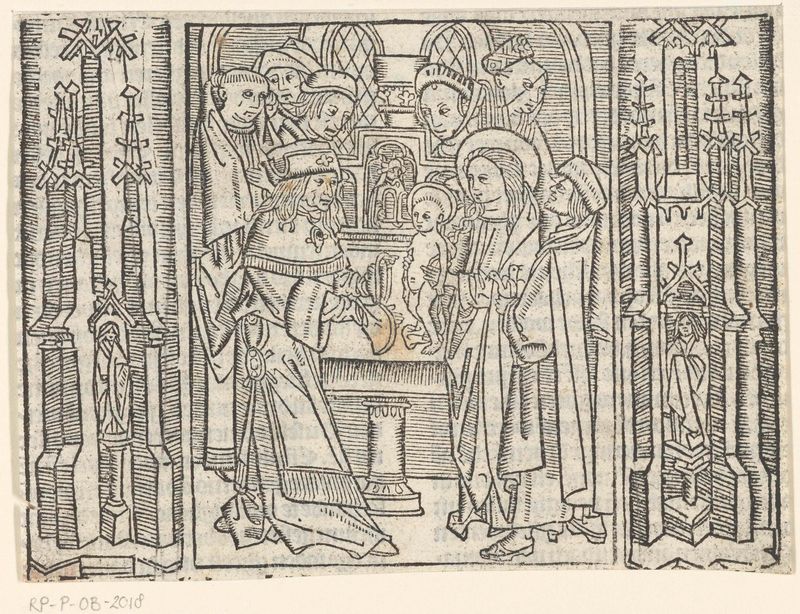
Presentatie van Christus in de tempel
Master of Delft
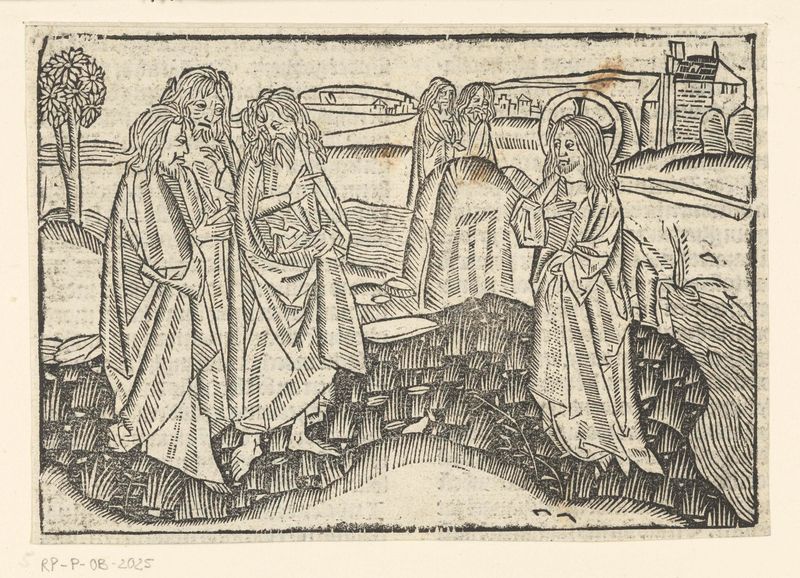
Christus kiest zijn eerste discipelen
Master of Delft
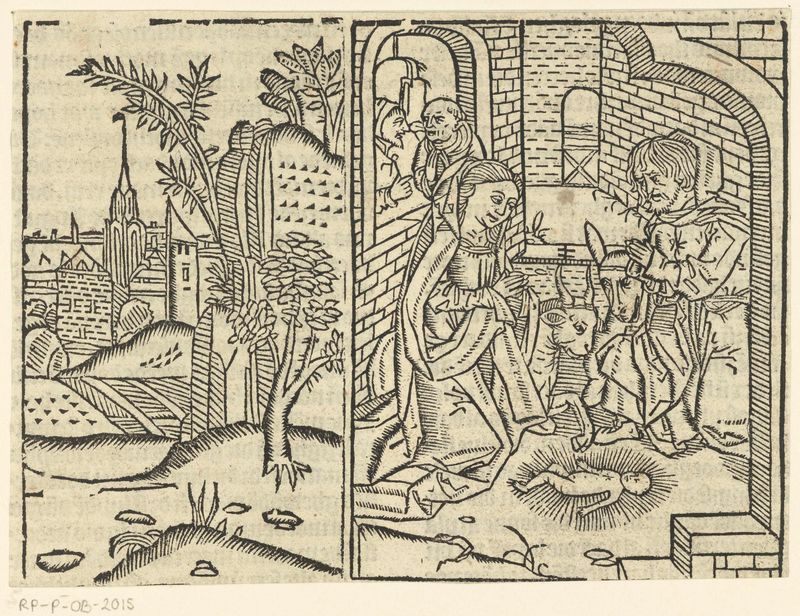
Geboorte van Christus
Master of Delft
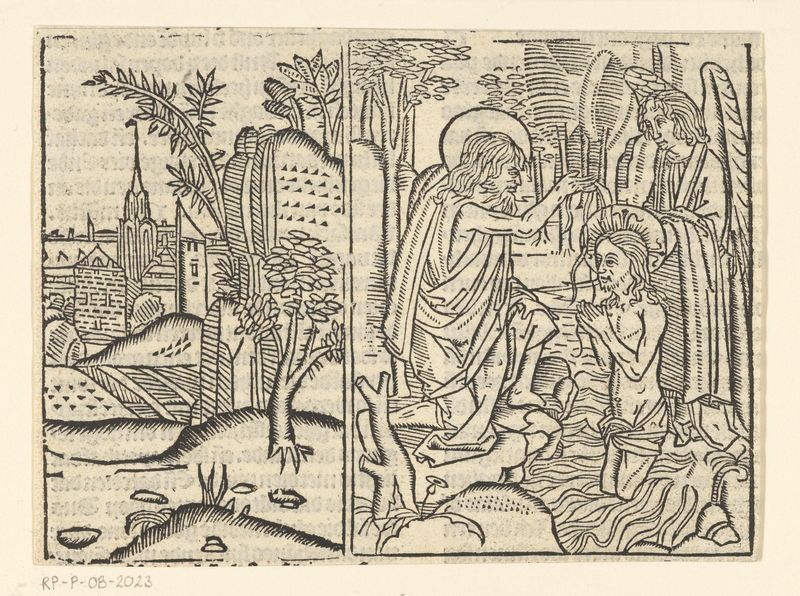
De doop van Christus in de Jordaan
Master of Delft
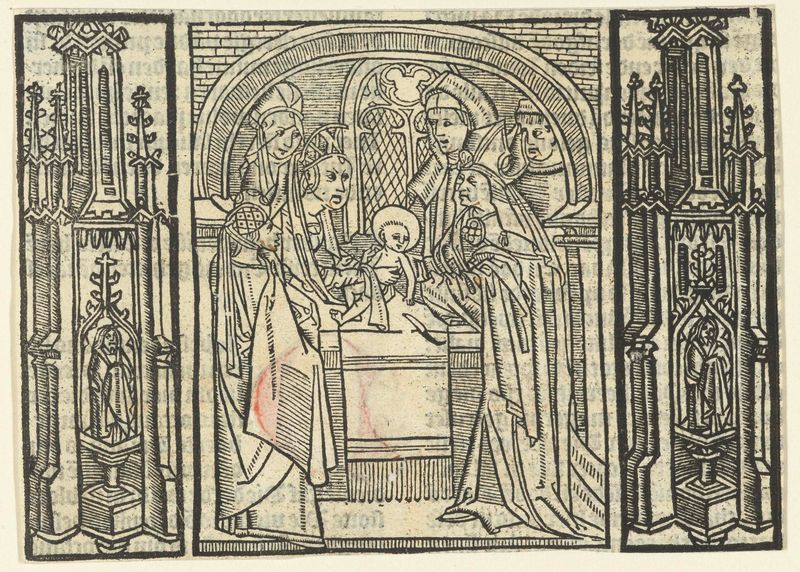
Besnijdenis van Christus
Master of Delft
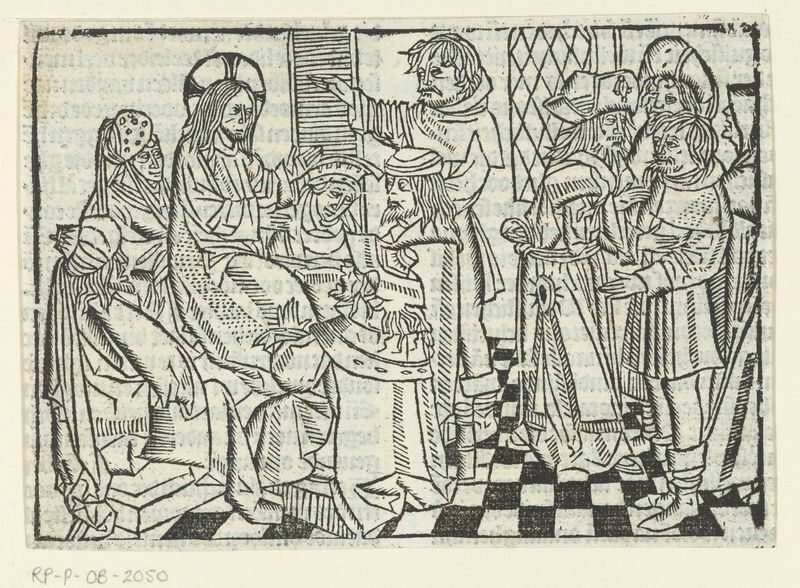
Christus geneest de man met een verdorde hand
Master of Delft
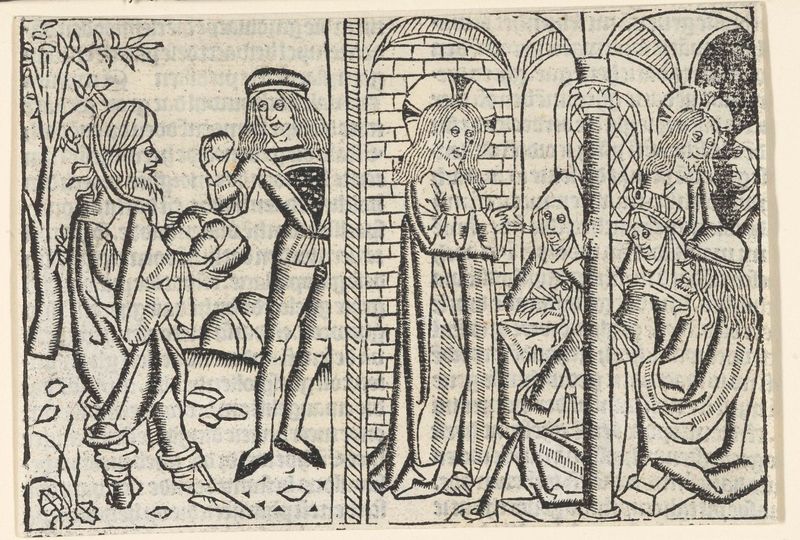
De Farizeeërs willen Christus stenigen
Master of Delft
More Historical Art
Browse all →
The Night Watch Militia Company of District II under the Command of Captain Frans Banninck Cocq
Rembrandt van Rijn

Lincoln Memorial
Henry Bacon

The Third of May 1808
Francisco de Goya

Isaac and Rebecca, Known as ‘The Jewish Bride’
Rembrandt van Rijn

The Charge of the Mamelukes (1814)
Francisco de Goya

De vier ruiters van de apocalyps
Albrecht Dürer