
De kruisdraging — History & Facts
In the somber tableau of De kruisdraging, the viewer is confronted with a profound interplay of sorrow and hope, where each figure is a vessel of emotion and narrative. Look closely at the central figure bearing the cross, his expression a tapestry of anguish and resolve. Notice how the brilliant golden hues of the background illuminate the scene, creating a stark contrast against the muted tones of the figures, which captures both the weight of suffering and the glimmers of redemption. The delicate brushwork reveals the intricate details of fabric and flesh, drawing attention to the weight of the burden he carries, while the surrounding figures, cloaked in shadow, heighten the sense of collective grief and solidarity. Beneath the surface, the painting resonates with themes of rebirth and sacrifice.
The heavy cross not only symbolizes the physical burden but also evokes the spiritual journey toward redemption. The positioning of the onlookers, with their varied expressions of despair and empathy, suggests a shared journey of humanity—each person grappling with their own pain and hope. The juxtaposition of light and dark serves as a reminder that suffering can lead to spiritual awakening, encapsulating a profound truth about the human experience. Created in 1521, De kruisdraging emerged during a tumultuous period for Lucas van Leyden, who was at the height of his career in the Northern Renaissance.
This era was marked by cultural flourishing and the exploration of religious themes in art, influenced by the Reformation. Van Leyden's ability to capture deep emotion through his meticulous technique reflects not only his personal introspections but also the broader artistic movements of his time, intertwining faith and beauty in a poignant narrative.
More Artworks by Lucas van Leyden
Browse all →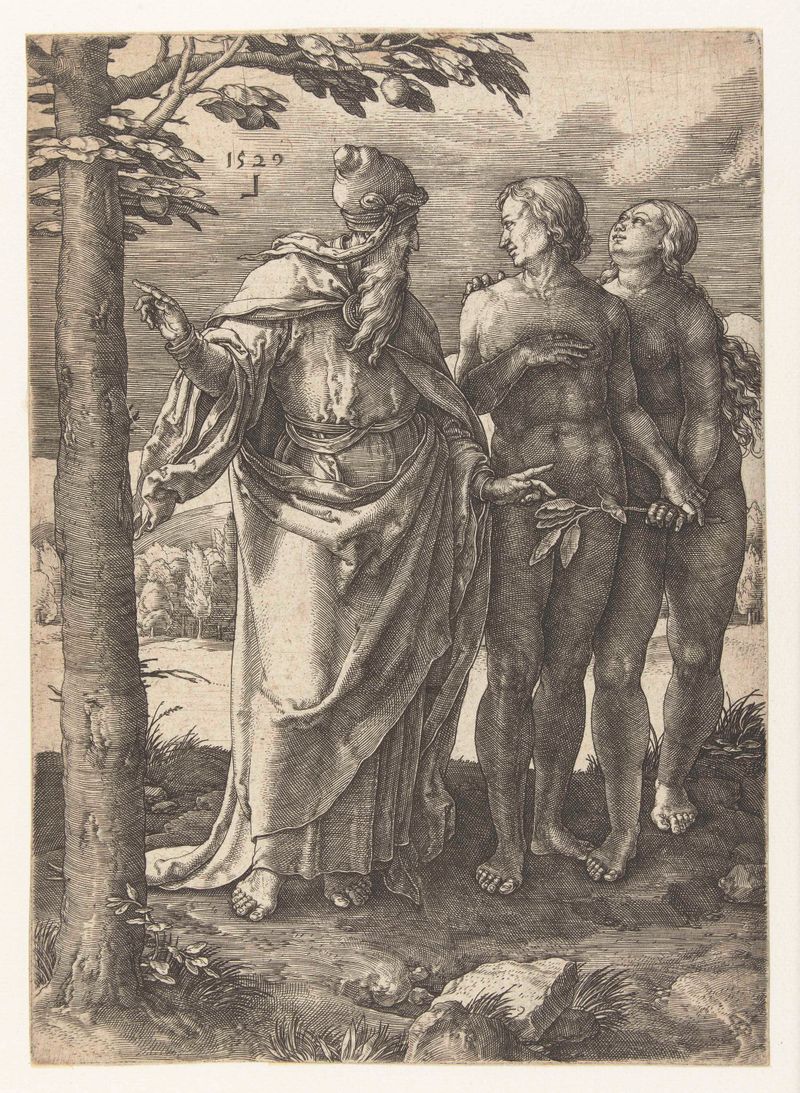
Het eerste verbod
Lucas van Leyden
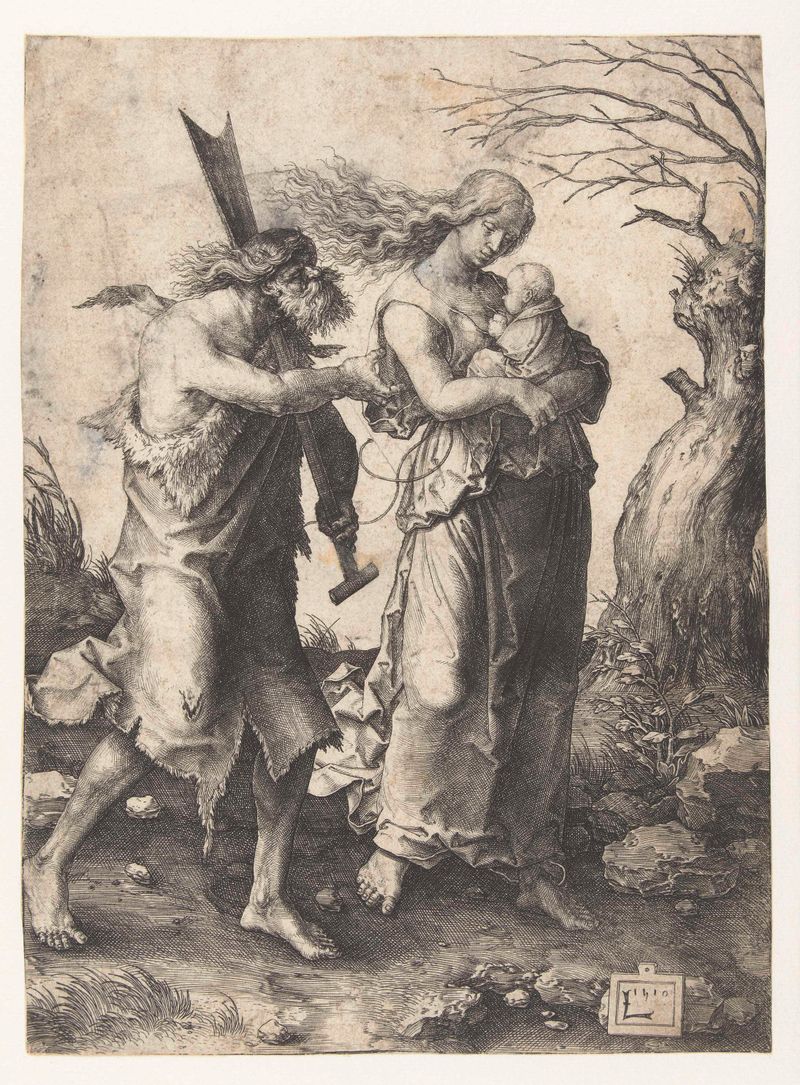
Adam en Eva na de verdrijving uit het paradijs
Lucas van Leyden
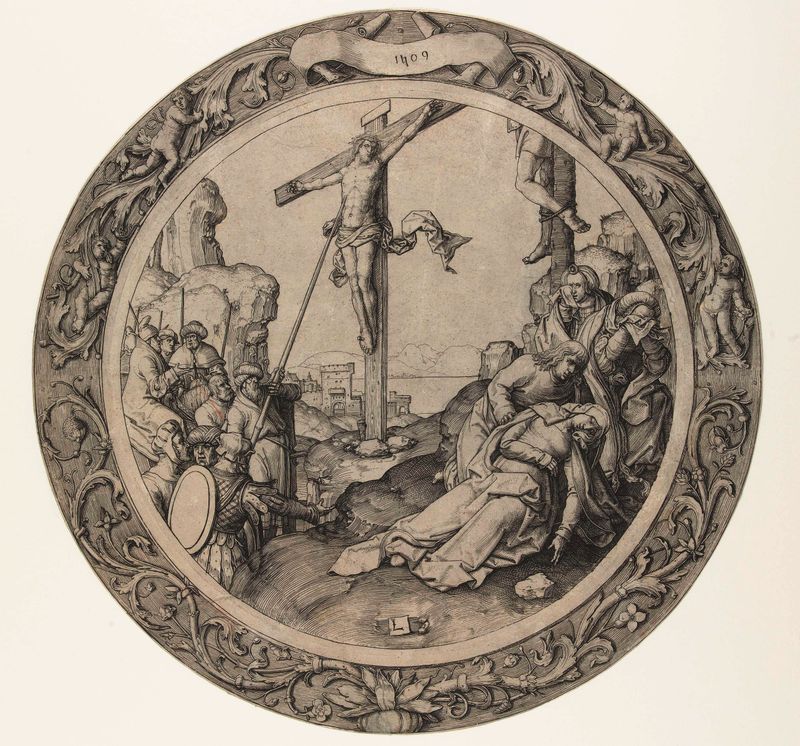
De kruisiging
Lucas van Leyden
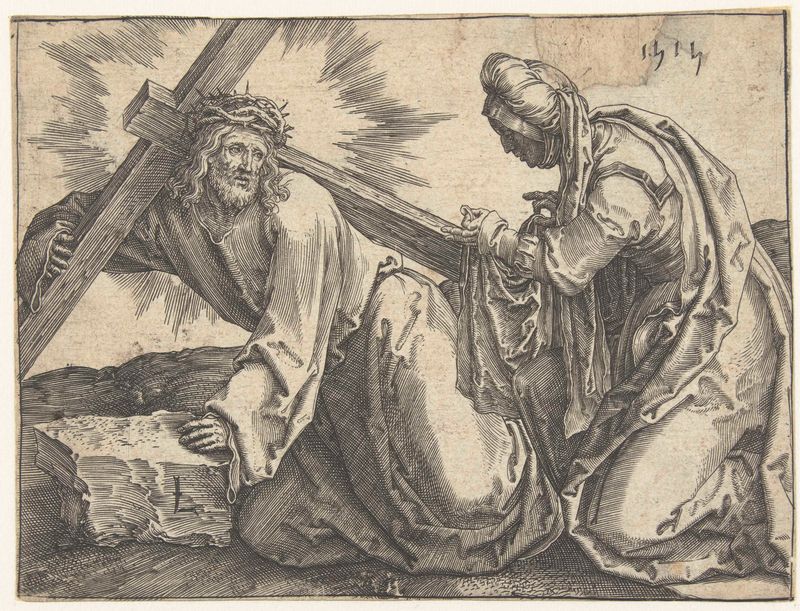
Kruisdraging
Lucas van Leyden
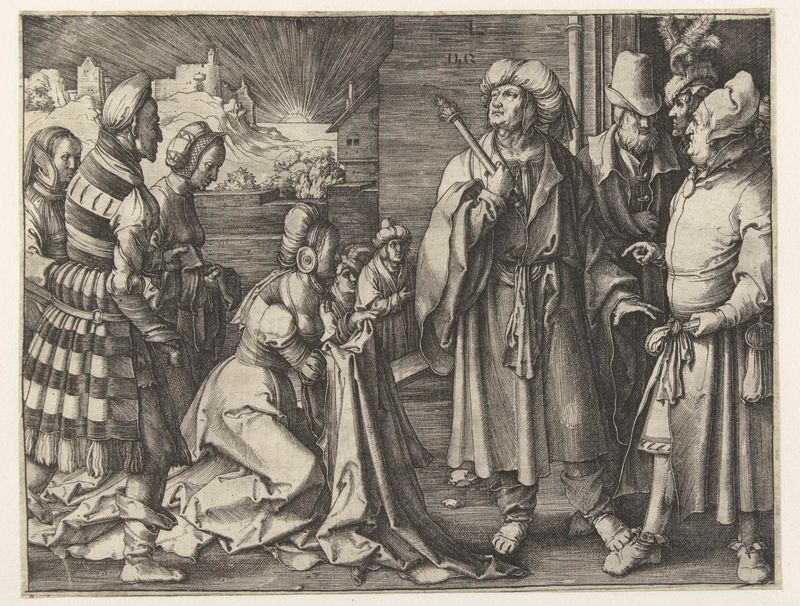
De vrouw van Potifar beschuldigt Jozef
Lucas van Leyden
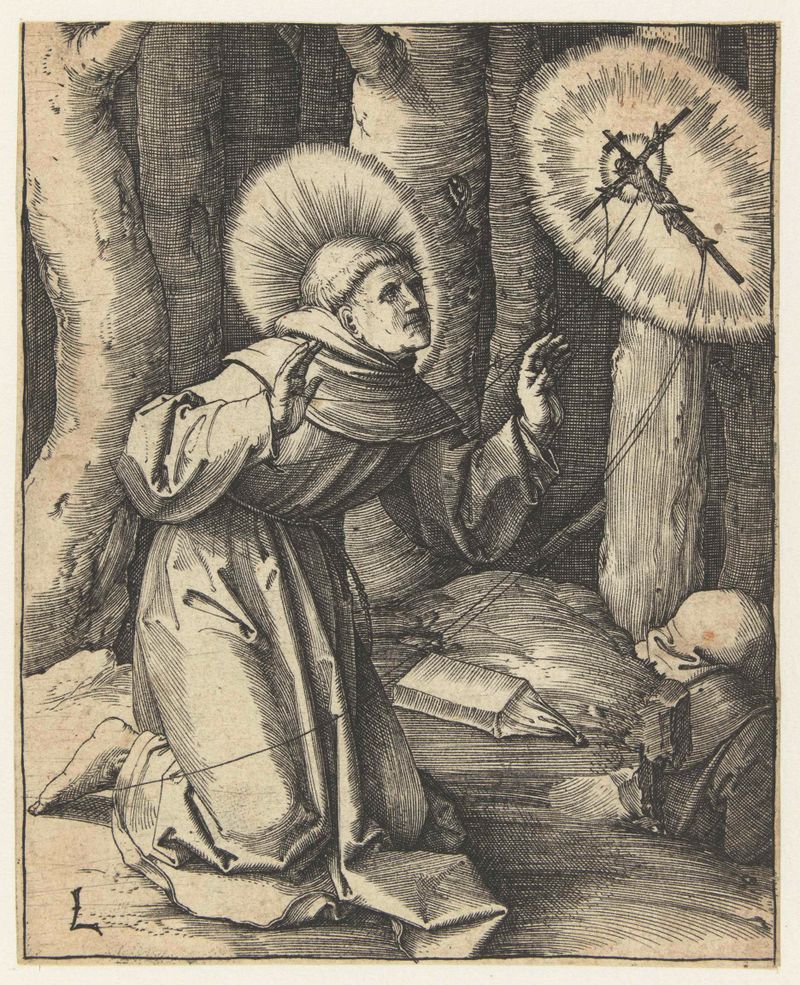
De stigmatisatie van de heilige Franciscus
Lucas van Leyden
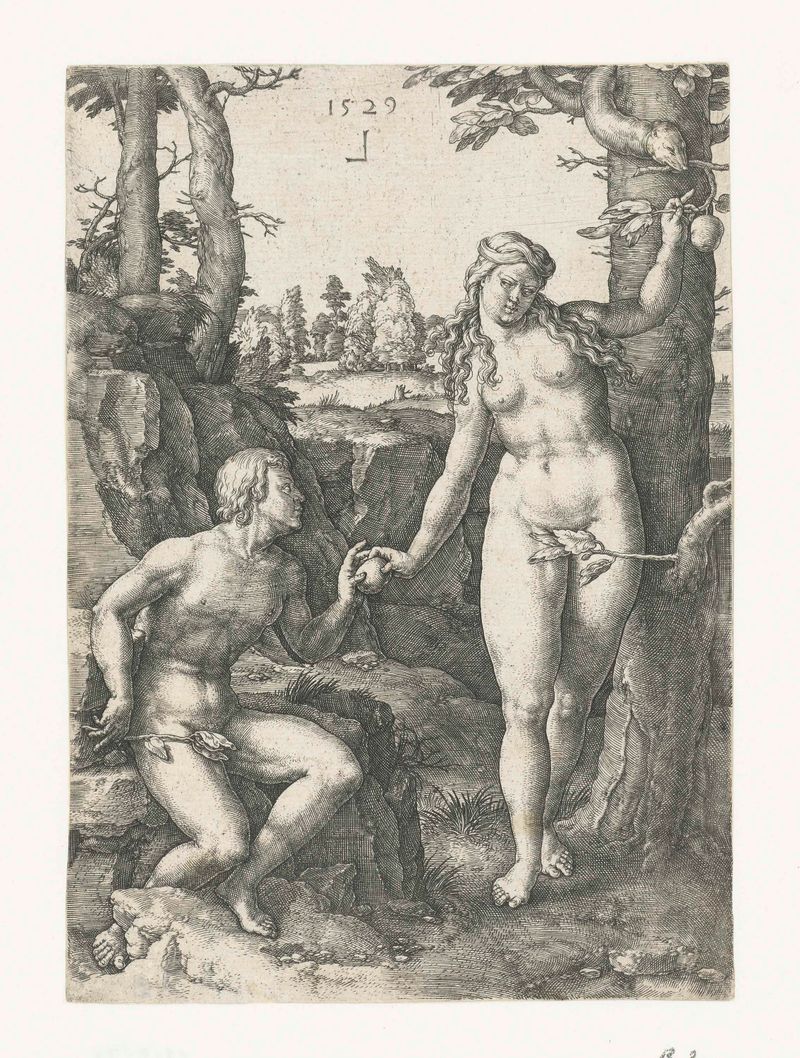
De zondeval
Lucas van Leyden
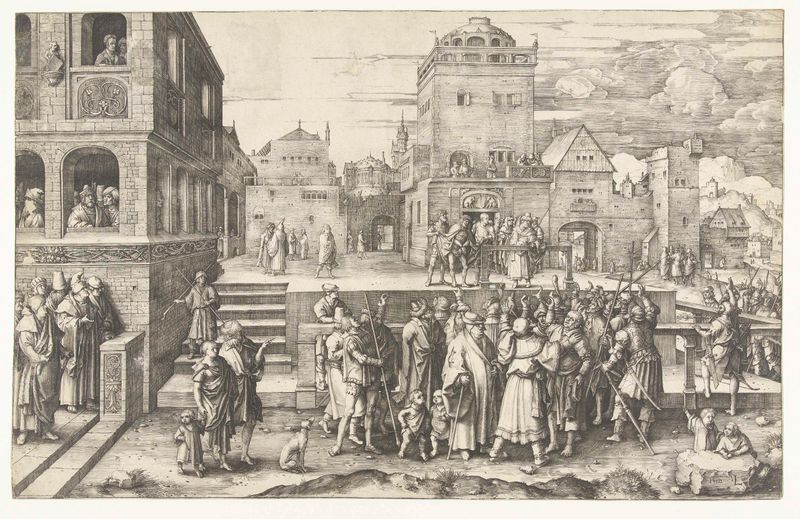
De grote Ecce Homo
Lucas van Leyden
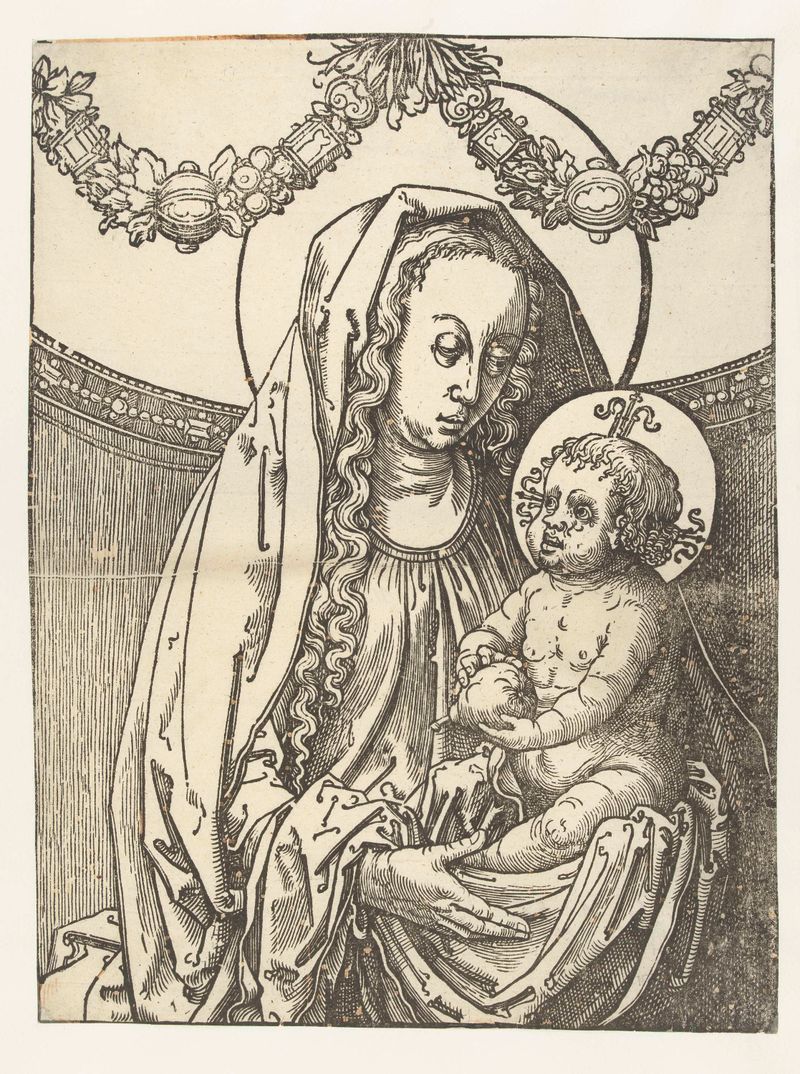
Maria met kind
Lucas van Leyden

Doornenkroning
Lucas van Leyden
More Religious Art
Browse all →
The Return of the Prodigal Son
Rembrandt van Rijn

The Garden of Earthly Delights
El Bosco

Count Orgaz’ funeral
El Greco

The Hundred Guilder Print: the central piece with Christ preaching, the plate arched
Rembrandt van Rijn

The Descent from the Cross
Rogier van der Weyden

The return of the prodigal son
Rembrandt van Rijn